

Reviewed · TAILOR & AO DAI FASHION
Hoi An: Half-day Silk Weaving Discovery Tour
Silk-making feels hands-on and personal. On this Hoi An Silk Weaving Discovery Tour, you get more than a pretty showroom look—you visit the mulberry gardens and sericulture spaces, then watch the process from silkworm care to woven cloth. I especially like the chance for silkworm feeding and the way working weavers show you how fabrics are made, not just talked about, with guides such as Huang and Thư often leading the English narration.
One thing to keep in mind: the day ends with a showroom stop, so if you dislike any sales-style browsing, decide what you want (or don’t want) before you reach the shop area.
In This Review
- Key highlights worth your time
- A 4-Hour Look at How Silk Actually Gets Made in Hoi An
- Getting From Hoi An City Center to the Silk Village
- Mulberry Gardens and Silkworm Feeding: the Moment It Clicks
- The Quang Nam Weaving Factory Stop: Craft Traditions You Can See
- Champa Handicrafts and Traditional Textile Techniques
- Cocoons to Thread: Understanding the Unwinding Step
- Watching Weaving and Tailors at Work (Then Seeing What It Becomes)
- Food in the Garden: Snack Breaks That Don’t Feel Like an Afterthought
- Price and Value: Is $55 a Good Deal?
- Who This Silk Weaving Tour Suits Best
- Should You Book This Hoi An Silk Weaving Discovery Tour?
- FAQ
- How long is the Hoi An Half-Day Silk Weaving Discovery Tour?
- Do I get hotel pickup and drop-off?
- What will I do during the tour?
- Is the tour suitable for kids?
- What’s included in the price?
- Is there a meal on the tour?
Key highlights worth your time
- Feed silkworms with fresh mulberry leaves and understand how their eating ramps up as they grow.
- Visit mulberry garden and silkworm-breeding houses at the Hoi An Silk Village site.
- Learn traditional sericulture methods for cultivating and unwinding cocoons.
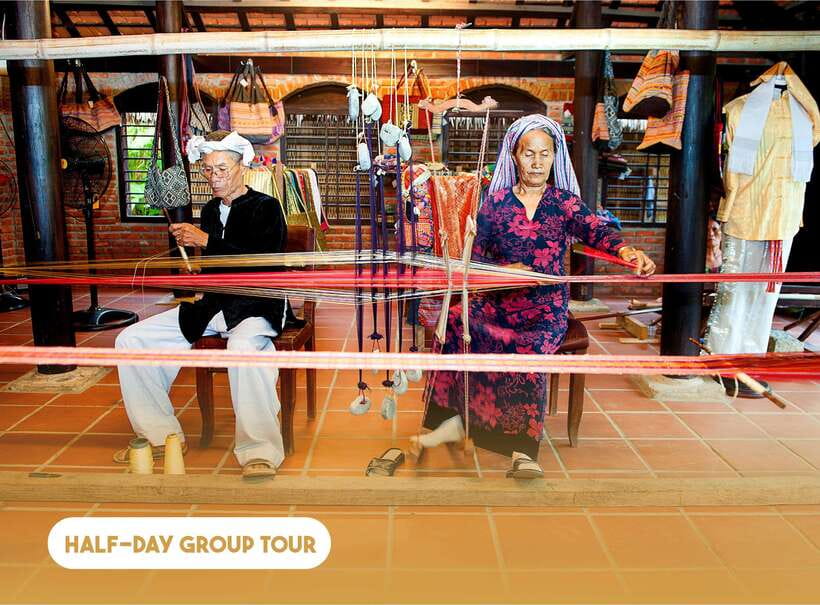
- See weaving in action at workshops tied to Quang Nam’s textile tradition.
- Watch tailors work and then browse silk products at the showroom.
A 4-Hour Look at How Silk Actually Gets Made in Hoi An
Hoi An is famous for lanterns and heritage streets. This tour gives you a different angle on Central Vietnam: how silk starts, how it’s maintained, and how it becomes fabric. In about four hours, you’ll move through several parts of the craft chain, from trees to cocoons to cloth.
The main reason I think this tour is worth it is the mix of visuals and participation. You’re not just standing still while someone explains. You get guided time in places where the work is happening, including rooms used for raising silkworms and demonstrations linked to weaving.
There’s also a practical payoff: once you’ve seen the effort behind silk, you can shop with better instincts. You’ll have a clearer idea of what you’re paying for and what processes might affect fabric feel and quality.
Measured, cut and stitched, more tailor visits
- Discover Traditional Silk Process in Hoi An Silk Village★ 4.4 · 60 reviews
- Hoi An: Half-day Silk Weaving Discovery Tour★ 4.7 · 30 reviews
- Half-day Silk Weaving Discovery In Hoi An★ 5.0 · 25 reviews
- DISCOVER the Skills of sericulture & weaving, HOI AN SILK VILLAGE★ 5.0 · 24 reviews
Getting From Hoi An City Center to the Silk Village
The trip starts with hotel pickup and drop-off in Hoi An City Center. That matters in real life because it keeps the day simple. You don’t have to guess bus times or negotiate a taxi at the end when you’re tired.
Pickup timing varies by the session you book, since the tour runs multiple start times. Either way, plan for an afternoon pace: this isn’t a marathon tour. It’s a focused craft visit designed to fit into a half-day slot without turning into a rushed slog.
You’ll also be given bottled water, and the schedule includes time to pause and eat—so you can keep your energy for the hands-on steps.
Mulberry Gardens and Silkworm Feeding: the Moment It Clicks

The heart of the experience is the Hoi An Silk Village, which is known for its mulberry growing and sericulture setup. When you arrive, you’ll get a refreshing welcome drink and time to settle in. It’s a calmer space than you might expect from a tourist area, and the mulberry trees set the stage right away.
From there, your guide walks you through the logic of silk production:
- Mulberry trees aren’t just scenery. They’re food production.
- Silkworms are cared for in dedicated breeding areas.
- Cocoons are handled using traditional methods before weaving begins.
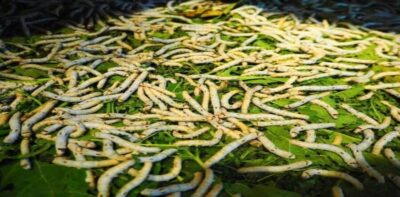
One of the standout parts is the chance to feed silkworms yourself using leaves gathered from the garden. I like that this step makes the whole operation feel real. You can see how much they eat, and you get practical context for why mulberry cultivation matters so much.
You’ll also learn how the feeding process changes as the silkworms grow—how leaf size and the silkworm appetite evolve. It’s the kind of detail that makes the lesson stick, because it connects what you’re doing (feeding) with what the craft needs (consistent, correct food).
The Quang Nam Weaving Factory Stop: Craft Traditions You Can See
Before you reach the most hands-on sericulture portions, the tour includes a visit to an older weaving factory/workspace in Quang Nam. This is where you hear the story behind mulberry growing and see how textile work fits into the broader local tradition.
Why this stop matters: it helps you place the silk craft in a regional context. Hoi An draws visitors for multiple reasons, but Quang Nam’s textile work has its own rhythm and logic—especially when you connect it to how cocoon processing leads straight into thread and fabric.
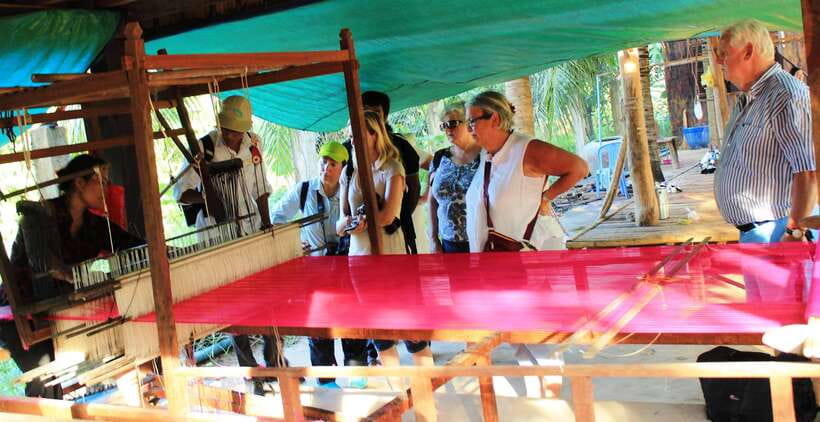
In the weaving spaces, you’ll also see workers making textiles. If you’ve only ever viewed silk as a finished product, this is the moment where you start understanding it as a chain of skills and careful steps.
And yes, there’s typically a good amount of interaction during these demonstrations. Some guides encourage you to try small tasks where possible, so you’re not just watching passively.
A few more Hoi An trips worth weighing before you book:





Champa Handicrafts and Traditional Textile Techniques
Another meaningful part of the day is the cultural layer. You’ll learn about handicrafts linked to the Champa people, and you’ll see traditional textile-making techniques explained in a way that’s easy to follow.
This doesn’t turn into an academic lecture. Instead, it gives you a sense of why certain patterns, weaving choices, and approaches exist. You’ll also hear how silk is handled as a material—what it needs and what it allows—so the craft makes more sense beyond the visuals.
I appreciate this segment because it broadens the visit. Silk production is fascinating on its own, but understanding how textiles connect to local identity makes the whole tour feel more grounded.
Cocoons to Thread: Understanding the Unwinding Step
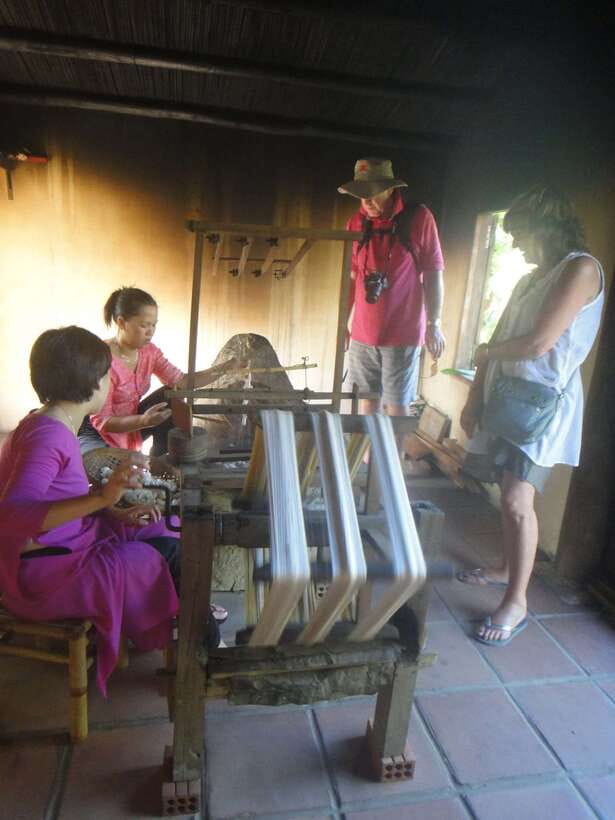
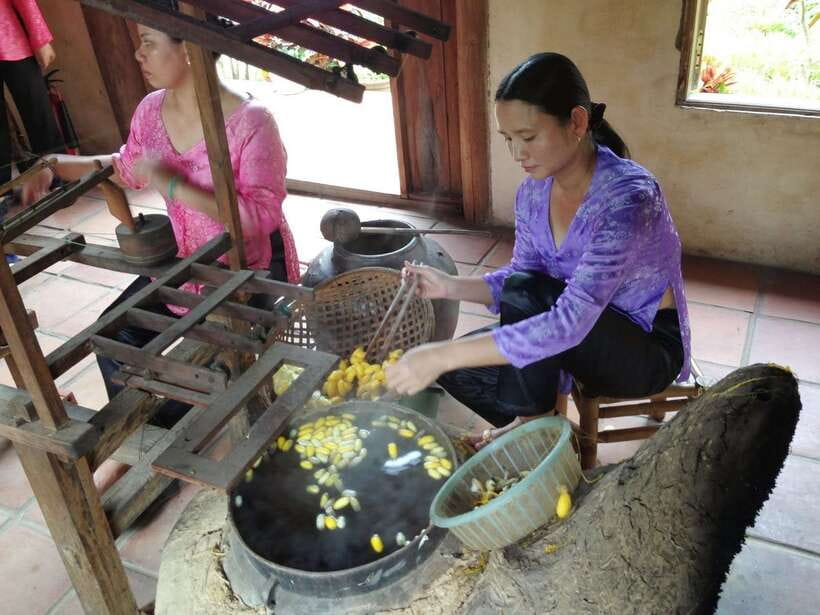
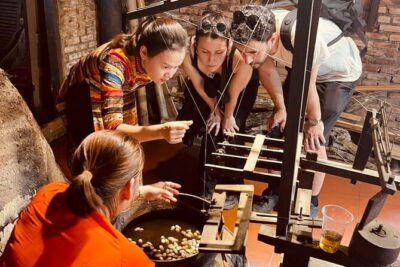
A big question most people have is simple: how do you go from a cocoon to usable thread? The tour addresses that through guided explanations of traditional methods used to cultivate and remove silkworm cocoons, plus what happens next.
You should expect to learn the practical idea that cocoon processing isn’t random. It’s about timing and technique—getting the cocoon ready for winding/unwinding so the fibers can be used for weaving.
Even if you’re not a craft person, this is usually a “now I get it” moment. You stop thinking of silk as magic and start thinking of it as manufacturing with delicate steps.
This is also where the traditional element really shows. Modern machines exist everywhere, but a craft village approach keeps older methods visible, and the guide helps you connect each step to the next.
Watching Weaving and Tailors at Work (Then Seeing What It Becomes)
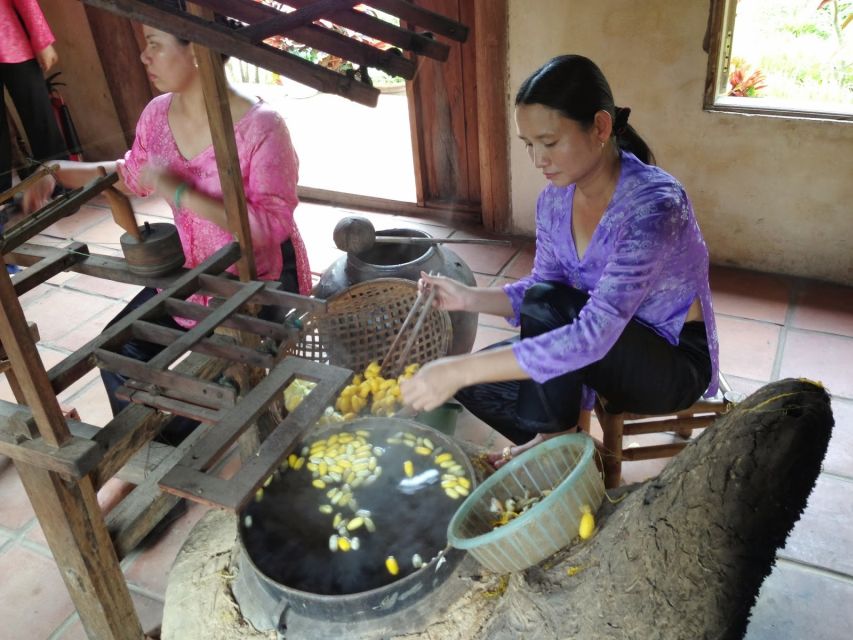
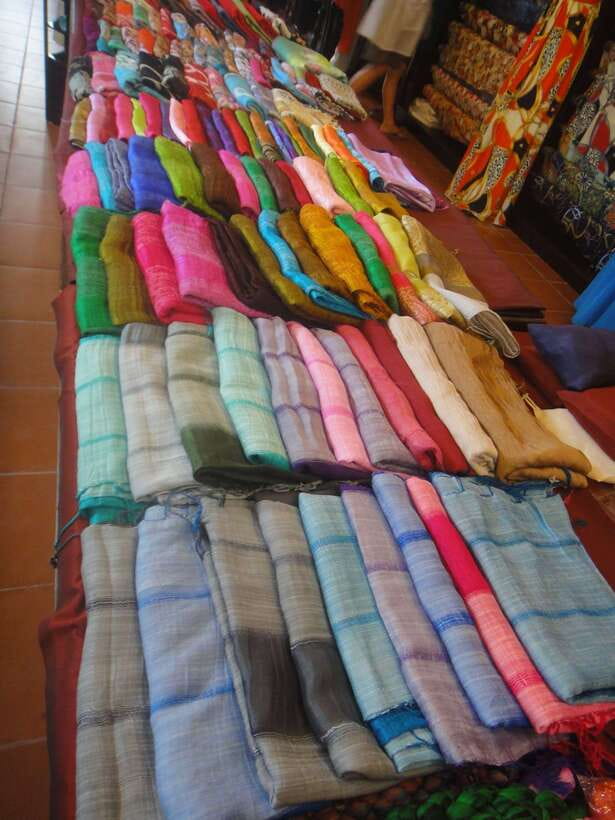
After the garden and sericulture components, the tour shifts toward the finished result. You’ll visit a silk showroom where you can admire products and see skilled tailors working.
The tailors-at-work piece is worth paying attention to. It helps you see that the value isn’t only in the silk fabric. It’s also in the cutting, sewing, finishing, and how the final item is made to fit the material.
Then you browse. This is where you can really use what you learned earlier. You’ll understand why “real silk” isn’t just a label—it’s tied to a process you’ve just seen.
If you’re shopping, go with a clear plan. Decide what you want before you arrive at the showroom area. You’ll move faster, and you’ll avoid getting pulled into decisions you don’t need to make.
Food in the Garden: Snack Breaks That Don’t Feel Like an Afterthought
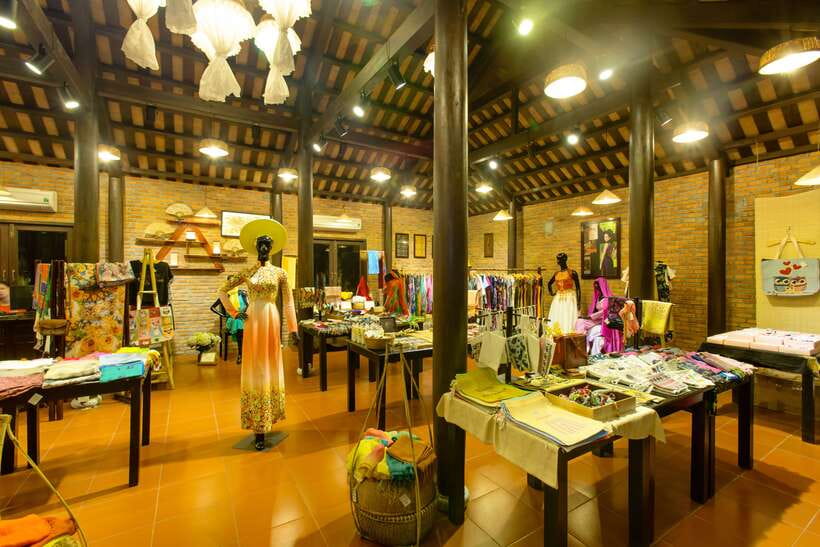
The tour includes a snack and also builds in time for a brunch break as part of the schedule. In other words, you get a real pause between seeing animal-care areas and workshop demonstrations.
The garden setting makes a difference. You can sit, refuel, and reset your attention before the next set of demonstrations. That small rhythm helps you enjoy the craft process instead of just rushing from stop to stop.
If you’re vegetarian, this is one of those tours where it’s helpful to ask about your needs ahead of time. The experience includes meal service, and it has been handled for different dietary preferences.
Price and Value: Is $55 a Good Deal?
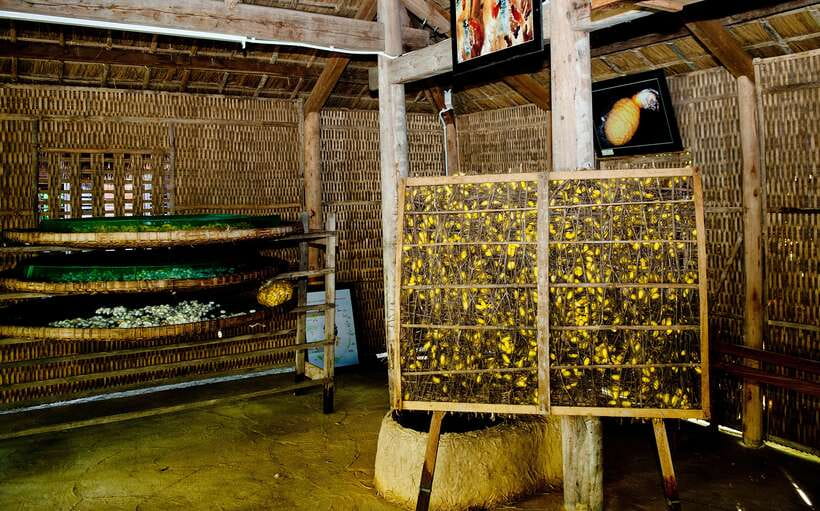
At $55 per person for a half-day, the value depends on what you want from your time in Hoi An.
You’re paying for:
- Hotel pickup and drop-off in Hoi An City Center
- Entrance fees
- An English-speaking guide (with other languages available on request)
- Bottled water
- Snack and a brunch break
- A structured visit through multiple stages of the silk-making chain
For a craft-focused experience, $55 is reasonable because you’re not just seeing a building—you’re getting guided access to how silk is grown and made. The hands-on feeding step is also a strong value marker. Many textile attractions stay on the surface; this one pushes you toward the process.
The one “cost” to consider is your own tolerance for showroom browsing. If shopping doesn’t interest you, you’ll still get plenty out of the workshop and garden parts, but you should go in knowing the day ends with products for sale.
Overall: if you want a cultural craft experience with real participation, $55 feels fair for what you get.
Who This Silk Weaving Tour Suits Best
This tour is a great match for:
- Families who like learning by doing
- People who enjoy textile arts and want to understand materials, not just buy items
- Anyone who’s curious about how silk production works behind the scenes
- Travelers who want a focused half-day option without committing to a full itinerary day
It’s especially good if you want to engage with multiple parts of the craft process: mulberry trees, silkworm care, cocoon handling, weaving demonstrations, and a final showroom look.
One logistical note: unaccompanied minors aren’t allowed, and children must be accompanied by an adult. If you’re traveling with kids, plan the group setup accordingly.
Should You Book This Hoi An Silk Weaving Discovery Tour?
Book it if you want a clear, hands-on craft story in a short time. The silkworm feeding component and the process-led route through cocoons and weaving make this more than a quick photo stop. You’ll also leave with better “silk sense,” which helps if you plan to buy scarves or fabric.
Skip it (or choose something else) if you mainly want a pure nature or street-exploration day and you don’t care about textile production. And if showroom browsing stresses you out, go with a plan or a budget so the last part of the tour doesn’t feel annoying.
If you’re in Hoi An for just a couple of days and you want one activity that feels genuinely tied to the region, this silk tour is a smart pick.
FAQ
How long is the Hoi An Half-Day Silk Weaving Discovery Tour?
The tour runs for about 4 hours. Exact start times vary, so you’ll want to check availability for the session that works best for your day.
Do I get hotel pickup and drop-off?
Yes. Pickup and drop-off are included for hotels in Hoi An City Center. You’ll need to contact the supplier with your hotel information (including room number) or your residence address to arrange the transfer.
What will I do during the tour?
You’ll visit the Hoi An Silk Village, including mulberry gardens and silkworm-breeding houses. You’ll learn about mulberry growing, feed silkworms using leaves from the garden, see how cocoons are handled using traditional methods, and watch weaving and tailors working. The tour ends with time at a silk showroom.
Is the tour suitable for kids?
Unaccompanied minors are not allowed. Every child must be accompanied by an adult, and you should book adult tickets for any additional children.
What’s included in the price?
Included are hotel pickup/drop-off (Hoi An City Center), entrance fees, a snack, bottled drinking water, an English-speaking guide, and travel insurance.
Is there a meal on the tour?
There is a break built into the schedule for brunch, plus a snack is included. Vegetarian needs have been accommodated based on past experiences, so it’s worth mentioning your preference in advance.
More Tours in Hoi An
- From Hoi An: Market Tour, Basket Boat Ride and Cooking Class
★ 4.8 · 2,208 reviews - Hoi An: Basket Boat with Lantern-Making & Cooking Class Tour
★ 4.9 · 1,444 reviews - Coconut Jungle Eco & Hoi An City Tour With Boat Ride
★ 5.0 · 800 reviews - Hoi An: Ancient Town Guided Walking Tour
★ 4.9 · 766 reviews - Hai Van Pass Motorbike Private Tour with Mister T Easy Rider
★ 5.0 · 742 reviews - Hoi An Countryside: Guided Morning or Afternoon Bicycle Tour
★ 4.9 · 686 reviews
More Tour Reviews in Hoi An
- Hoi An: Basket Boat Ride in the Coconut Forest
★ 4.9 · 4,956 reviews - Hoi An: Vietnamese Coffee Culture and Coffee Making Class
★ 4.9 · 4,006 reviews - Hoi An: Vietnamese Foldable Lantern Making Class
★ 4.9 · 3,742 reviews - Cooking Class Hoi An:Local Market, Basket Boat, Fishing & Cooking
★ 5.0 · 3,660 reviews - Hoi An Cooking Class(Market,BasketBoat Crabfishing&Cooking Class)
★ 5.0 · 3,386 reviews - Hoi An: My Son Sanctuary Early Morning w. Champa Food Brunch
★ 4.9 · 2,750 reviews
Tailored in Hoi An: More Ao Dai
- Professional Photography Tour Optional Ao Dai Dress in Hoi An
★ 5.0 · 99 reviews - Discover Traditional Silk Process in Hoi An Silk Village
★ 4.4 · 60 reviews - Half-day Silk Weaving Discovery In Hoi An
★ 5.0 · 25 reviews - DISCOVER the Skills of sericulture & weaving, HOI AN SILK VILLAGE
★ 5.0 · 24 reviews - Hoi An Hidden Gem- Local Food- Lantern Making- Tailoring
★ 5.0 · 16 reviews - Ao Dai Photography: Traditional Attire Capture in Hoi An
★ 4.8 · 13 reviews
Just Reviewed: Fresh Hoi An Trips





Tailor & Ao Dai Fashion, compared.
 ★ 5.0Professional Photography Tour Optional Ao Dai Dress in Hoi AnFrom $3699 reviews
 ★ 4.4Discover Traditional Silk Process in Hoi An Silk VillageFrom $1160 reviews
 ★ 5.0Half-day Silk Weaving Discovery In Hoi AnFrom $5525 reviews
 ★ 5.0DISCOVER the Skills of sericulture & weaving, HOI AN SILK VILLAGEFrom $3124 reviews
 ★ 5.0Local Food- Lantern Making- TailoringFrom $5016 reviews
 ★ 4.8Ao Dai Photography: Traditional Attire Capture in Hoi AnFrom $4013 reviews
 ★ 5.0Ao Dai Hoi An Photography TourFrom $1169 reviews
 ★ 4.5Private Traditional Silk Process in Hoi An Silk VillageFrom $107 reviews
Browse the lists this tour appears in