
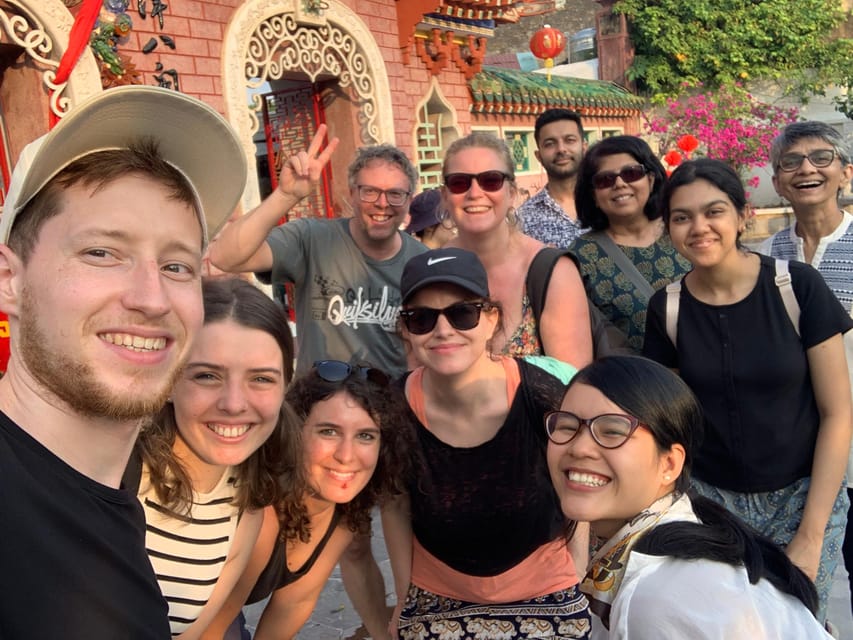
Reviewed · ANCIENT TOWN WALKING TOURS
Hoi An: Ancient Town Guided Walking Tour
Hoi An is best seen with a guide. This 3-hour walking tour strings together key Old Town landmarks with stories about how the area shaped global trade. I like that it feels personal, not lecture-style, with a Heart-Head-Hand approach and lots of questions along the way.
Two things I especially like: you get a PDF of local recommendations (food, drinks, activities, plus discounts), and the route is paced with heat-friendly indoor stops so you can keep going without melting. A possible drawback is that a UNESCO entrance ticket is not included, so you’ll want to account for the extra 120,000 VND if your route requires it.
In This Review
- Key Points I’d Prioritize
- Getting Your Bearings Fast on Hoi An’s Walkable Streets
- Price and What You Actually Get for About $2
- Meeting at Red Seal Ship Model: The Easiest Start Point
- Stop by Stop: What You’ll See and Why Each One Matters
- Japanese Culture Gallery (Stop 3)
- Japanese Covered Bridge Pagoda (Stop 4)
- Kazik Park (Stop 5)
- Quan Thang Ancient House (Stop 6)
- Fujian Assembly Hall (Stop 7)
- Dumplings Pause (Stop 8)
- Hoi An Central Market Finish (Stop 9)
- The Guide Factor: Why People Keep Mentioning the Same Names
- Heat, Timing, and Comfort: The Real-Life Side of the Route
- Is This Tour Worth Booking If You Like to Explore on Your Own?
- FAQ
- FAQ
- How long is the Hoi An Ancient Town guided walking tour?
- Is the UNESCO entrance ticket included in the price?
- What language is the guide?
- Where do I meet the guide?
- What do I receive as part of the tour?
- Can I cancel or change my booking plans?
- Should You Book This Tour?
Key Points I’d Prioritize

- Start at Red Seal Ship Model for an easy, specific meetup and a quick way to get oriented fast
- Japan-connection highlights like the Japanese Culture Gallery and Japanese Covered Bridge Pagoda
- Historic meeting houses and assembly spaces such as Quan Thang Ancient House and Fujian Assembly Hall
- Short, practical culture stops plus a dumplings pause to keep energy up
- A guide-led finish at Hoi An Market with helpful direction for what to do next
Getting Your Bearings Fast on Hoi An’s Walkable Streets
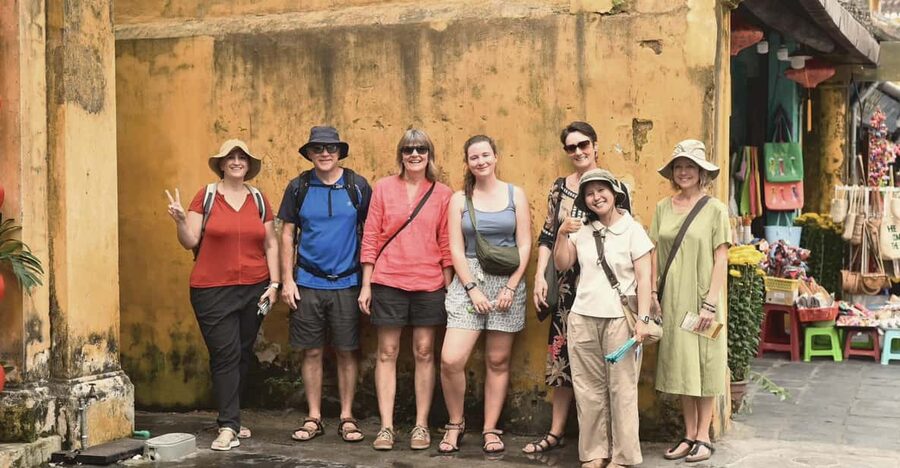
Hoi An Ancient Town rewards slow wandering, but it also rewards good timing. This tour is built for your first hours in town, when everything looks similar and you’re trying to connect names on signs with what you’re actually seeing. The payoff is that you leave with a mental map of the Old Town and a better sense of why certain buildings matter.
The group experience also tends to feel welcoming. In multiple guide-led runs, the vibe is described as friendly, funny, and inclusive. I noticed a pattern in the feedback: guides like Karla, Kun, June, and Minh are repeatedly praised for English clarity, remembering names, and keeping people engaged without rushing anyone through the sights.
That pacing matters. One reason this tour works is that it’s short enough to stay fun, but structured enough to hit the places you’ll keep hearing about. If you’re the type who wants to know what you’re looking at before you start taking photos, you’ll appreciate the flow.
Deeper into the yellow-walled lanes on foot
- Hoi An: Ancient Town Guided Walking Tour★ 4.9 · 766 reviews
- Hoi An Ancient Town Walking Tour with a Local★ 5.0 · 517 reviews
- The Lantern Lady: Traditional Lantern Class in Old Town★ 4.9 · 444 reviews
- Hoi An Ancient Town – Walking Tour with Local Guide★ 4.9 · 385 reviews
Price and What You Actually Get for About $2
At the low listed price (around $2.01 per person), the value is less about luxury and more about usefulness. You’re paying for a guided introduction, not a long sit-down experience. The tour includes an English-speaking guide, the walking format, and a PDF of local recommendations with discounts (spa/massage, craft beer, tailor, and more).
Two practical notes about costs. First, the tour is listed as skipping the ticket line, but the UNESCO entrance ticket (120,000 VND) is not included. So your real cost is usually your booking amount plus that ticket, depending on what’s required for your visits that day. Second, there’s a small booking fee through the booking platform, and you can choose to add an extra tip at the end if you want to reward the guide’s work.
If you’re trying to stretch your budget in Central Vietnam, this is one of the smarter ways to do it: one guide-guided session early in your stay tends to save you time later when you’re deciding where to eat, what to see, and how to plan the rest of your days.
Meeting at Red Seal Ship Model: The Easiest Start Point

This one starts with a very specific meetup: 79 Nguyen Thi Minh Khai Street, at the Red Seal Ship Model. The instruction is to look for your guide with a blue paper fan—specifically the Momo team.
I like meeting points like this because you’re not circling a large area hoping someone spots you first. Even better, a clear, recognizable landmark tends to make the first 10 minutes less stressful, which is important on walking tours in heat.
Stop by Stop: What You’ll See and Why Each One Matters
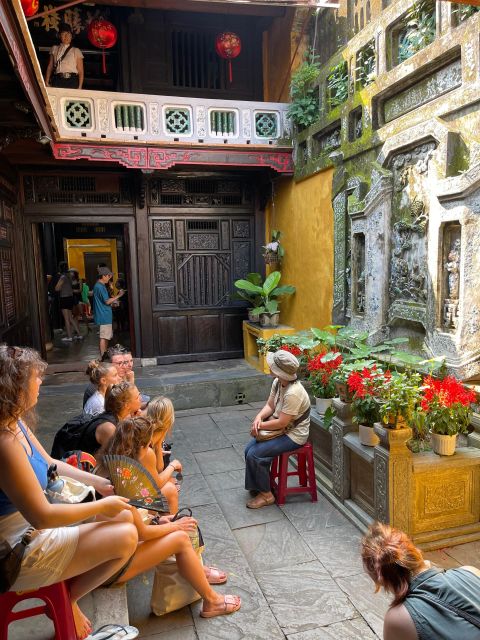
Hoi An at a stroll, more routes





Japanese Culture Gallery (Stop 3)
You’ll spend about 15 minutes at the Japanese Culture Gallery. This stop is a setup for understanding the Japanese influence woven into Hoi An’s history, especially the way different trading communities left physical traces in the Old Town.
What makes this useful is that it gives you context before you hit the bigger icon later. Without that context, the covered bridge can feel like a pretty postcard. With it, you start noticing how trade, migration, and shared architecture shaped the town’s look.
A small caution: galleries can be cooler than outdoor streets, but not always comfortable if you’re sensitive to air-conditioning. Still, this is one of the better times to take a breather.
Japanese Covered Bridge Pagoda (Stop 4)
Next is the standout: Japanese Covered Bridge Pagoda, with about 20 minutes here. This is the “stop you came for” kind of attraction, the one you’ll recognize immediately even if you don’t know the name.
Why it’s worth 20 minutes instead of a quick photo: your guide can point out what to look for and how the bridge connects to the wider story of Hoi An as a meeting place for merchants. If you’ve ever wondered why one city has multiple cultural styles sitting side by side, this helps answer it without turning the experience into a textbook.
If you dislike crowds, go slow and stay flexible with your angle. The bridge is a magnet, so your best move is to take photos quickly, then shift to listening and observing.
Kazik Park (Stop 5)
You’ll pause at Kazik Park for about 15 minutes. This is not just a “rest stop.” It’s often where the tour resets your pace and lets you catch air after outdoor walking.
This matters because Hoi An’s weather can turn your sightseeing into a sweat contest. The tour highlights that indoor breaks are often taken to deal with the heat, and parks like this function as part of that same rhythm—short relief without breaking the momentum.
If you’re traveling in warmer months, I’d treat this stop as your chance to refill water, adjust footwear, and regroup mentally.
Quan Thang Ancient House (Stop 6)
Then you’ll visit Quan Thang Ancient House for about 15 minutes. This kind of stop is where the Old Town stops feeling like scenery and starts feeling like lived-in history.
You’ll likely get stories about daily life and the structure of an older merchant home—how people arranged space, where the wealth and community connections show up, and why these houses survived long enough to become part of the walking-tour highlights.
The main downside to ancient houses is that they can be dim or have uneven footing. Wear shoes you’re comfortable with, because your focus should stay on the guide’s explanation, not recovering from a slip.
Fujian Assembly Hall (Stop 7)
At Fujian Assembly Hall, you’ll spend around 20 minutes. The key here is the assembly-hall idea: these places connect communities, support social life, and reflect what immigrant groups carried with them.
This stop also helps explain Hoi An’s blend of influences without getting lost in complicated timelines. A good guide turns the building into a story, and the tour’s strongest feedback consistently points to guides who bring that “local friend” energy. Names that pop up often include Tom, Vy, Vinh, and Anh, all praised for humor, engagement, and clear explanations.
If you’re the kind of traveler who enjoys architecture, you’ll have fun here. If you prefer food and street life, you’ll still get the value because it explains why the town’s layout and heritage feel the way they do.
Dumplings Pause (Stop 8)
You’ll have about 15 minutes at Dumplings. I like when tours include a food stop because it reduces decision fatigue. You’re not stuck thinking what sounds good in a busy Old Town; you’re just rolling through a quick taste and moving on.
This isn’t a full meal break, so don’t plan to be full for the next stop. But it’s ideal if you want enough fuel to keep walking and browsing afterward.
Hoi An Central Market Finish (Stop 9)
You finish at Hoi An Market. This is a smart close: it shifts you from history mode to practical life mode. After you’ve seen the landmarks, you get to see what people are buying and how the market atmosphere feels today.
If you’re someone who likes taking the tour’s PDF suggestions and then immediately acting on them, this ending helps. The guide’s recommendations tend to make the market feel navigable, not chaotic.
Also, the info notes the activity ends back at the meeting point. So you’re not stranded with no plan; you get guided back into a workable flow for the rest of your day.
The Guide Factor: Why People Keep Mentioning the Same Names
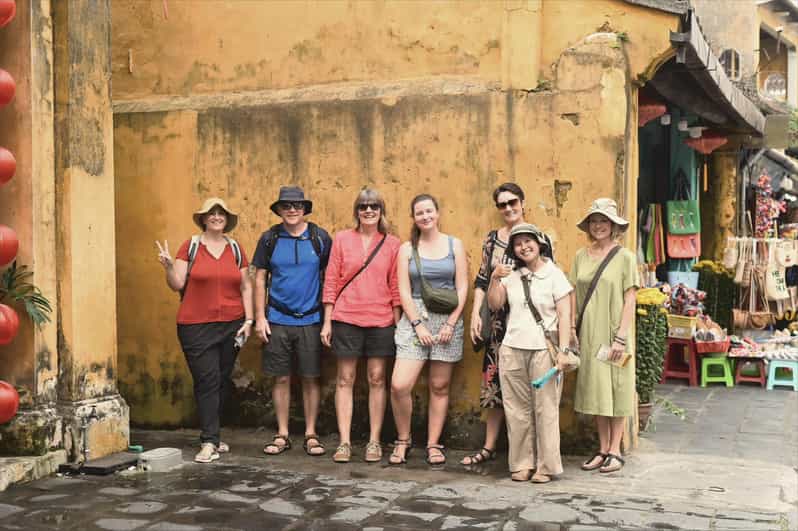
This is a guide-driven tour, and the reviews heavily reflect that. Many comments highlight that guides are not just passing facts; they’re keeping the group comfortable and included.
I kept seeing praise for guides like:
- Karla for being engaging, funny, and warm
- Kun for enthusiasm and interactive explanations
- June for clear English and keeping people involved
- Minh for friendliness, humor, and answering questions
- Tom and Vinh for passion and pride in Hoi An
- Anh and Vy for being upbeat and helpful with recommendations
One practical takeaway: if you get a guide who remembers names and works the group gently, the tour feels smaller and easier to handle. Even group size seems to matter; one feedback note says a group of about 12 worked well, with larger groups split into smaller ones so it didn’t feel crowded.
That’s the kind of detail that changes your day. A packed group can make you resent the walking. A well-paced group makes it feel like you’re hanging out with a local who just happens to know where all the important doors are.
Heat, Timing, and Comfort: The Real-Life Side of the Route

This tour is built for walking, so your comfort depends on two things: weather and pacing. The plan notes that indoor breaks are often used to deal with heat. That’s not a small detail in Hoi An, where the sun can turn a short walk into a long slog.
You’ll likely experience a rhythm of shaded streets plus short interior stops. This is exactly what you want on a first-day visit. You won’t feel like you only survived through suffering; you’ll feel like you kept moving without losing the story.
Also, the total duration is listed as about 3 hours. That length is enough to cover major sights and still leave time afterward for your own exploration. If you schedule this early, you’ll have a better sense of where to return later for photos, shopping, or a second meal.
Is This Tour Worth Booking If You Like to Explore on Your Own?
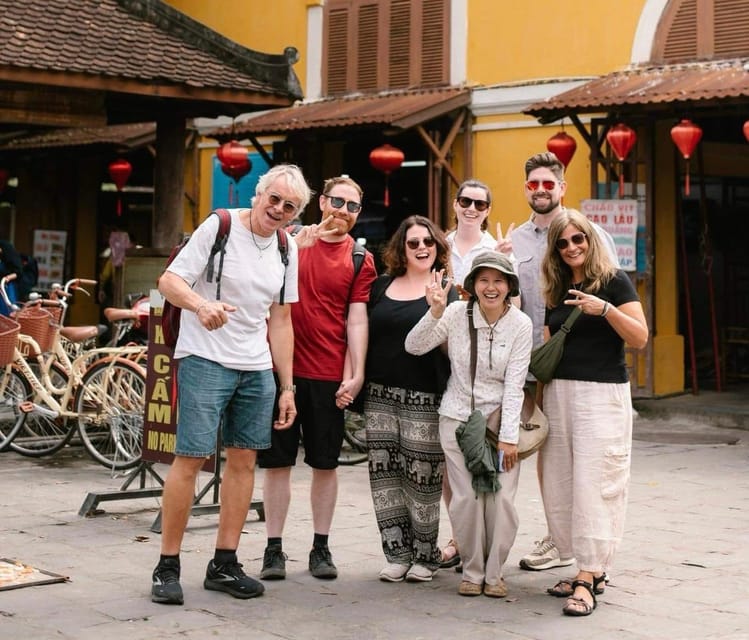
If you’re the independent type, this tour can still work—because the goal isn’t to take over your whole day. It’s to give you a starting structure. After 3 hours, you should know what’s worth revisiting and what’s better skipped.
Book this if:
- You want a first-day orientation with English explanations
- You care about the Japan-linked and Chinese/Fujian-linked cultural mix
- You like food direction and want the PDF recommendations to do the heavy lifting
- You prefer a paced walk with breaks rather than a self-guided sprint
Consider skipping or changing your plan if:
- You’re only interested in a single landmark and hate walking between multiple sites
- You don’t want to think about the UNESCO ticket cost (120,000 VND) that isn’t included
FAQ
FAQ
How long is the Hoi An Ancient Town guided walking tour?
The tour is listed as lasting about 3 hours.
Is the UNESCO entrance ticket included in the price?
No. The UNESCO entrance ticket is listed as 120,000 VND per ticket, and it is not included.
What language is the guide?
The guide is live and English-speaking.
Where do I meet the guide?
Meet at 79 Nguyen Thi Minh Khai Street at the Red Seal Ship Model. The instructions say to look for Momo with a blue paper fan.
What do I receive as part of the tour?
You receive a PDF of local recommendations for food, drink, activities, and discounts (including options like spa, massage, craft beer, and tailor).
Can I cancel or change my booking plans?
Free cancellation is offered up to 24 hours in advance for a full refund, and there is also a reserve now & pay later option listed.
Should You Book This Tour?
Yes—if it’s your first time in Hoi An and you want a smart, low-cost way to understand what you’re seeing. The biggest strength is the guide-led storytelling plus the practical PDF after, which helps you keep enjoying Hoi An long after the walking portion ends. Add in heat-friendly breaks and a food pause, and this becomes a solid “set yourself up for success” tour.
Just budget for the UNESCO ticket (120,000 VND) since it’s not included, and wear shoes you’ll be glad you did. If you do that, you’ll leave with the Old Town mapped in your head—and a short list of where to eat, drink, and go next.
More Tours in Hoi An
- From Hoi An: Market Tour, Basket Boat Ride and Cooking Class
★ 4.8 · 2,208 reviews - Hoi An: Basket Boat with Lantern-Making & Cooking Class Tour
★ 4.9 · 1,444 reviews - Coconut Jungle Eco & Hoi An City Tour With Boat Ride
★ 5.0 · 800 reviews - Hai Van Pass Motorbike Private Tour with Mister T Easy Rider
★ 5.0 · 742 reviews - Hoi An Countryside: Guided Morning or Afternoon Bicycle Tour
★ 4.9 · 686 reviews - Evening Walking Food Tour, folk game and lantern boat
★ 5.0 · 665 reviews
More Tour Reviews in Hoi An
- Hoi An: Basket Boat Ride in the Coconut Forest
★ 4.9 · 4,956 reviews - Hoi An: Vietnamese Coffee Culture and Coffee Making Class
★ 4.9 · 4,006 reviews - Hoi An: Vietnamese Foldable Lantern Making Class
★ 4.9 · 3,742 reviews - Cooking Class Hoi An:Local Market, Basket Boat, Fishing & Cooking
★ 5.0 · 3,660 reviews - Hoi An Cooking Class(Market,BasketBoat Crabfishing&Cooking Class)
★ 5.0 · 3,386 reviews - Hoi An: My Son Sanctuary Early Morning w. Champa Food Brunch
★ 4.9 · 2,750 reviews
The Ancient Town on Foot, Continued
- Hoi An Ancient Town Walking Tour with a Local
★ 5.0 · 517 reviews - The Lantern Lady: Traditional Lantern Class in Old Town
★ 4.9 · 444 reviews - Hoi An Ancient Town – Walking Tour with Local Guide
★ 4.9 · 385 reviews - Hoi An Street Food Walking Tour with Tastings
★ 5.0 · 317 reviews - Hoi An Walking Tour
★ 5.0 · 269 reviews - Hoi An Night Market – Ancient Town street food tours by Night
★ 5.0 · 165 reviews
Just Reviewed: Fresh Hoi An Trips






Ancient Town Walking Tours, compared.
 ★ 5.0Hoi An Ancient Town Walking Tour with a LocalFrom $9517 reviews
 ★ 4.9The Lantern Lady: Traditional Lantern Class in Old TownFrom $6444 reviews
 ★ 4.9Hoi An Ancient Town – Walking Tour with Local GuideFrom $14385 reviews
 ★ 5.0Hoi An Street Food Walking Tour with TastingsFrom $35317 reviews
 ★ 5.0Hoi An Walking TourFrom $69269 reviews
 ★ 5.0Hoi An Night Market – Ancient Town street food tours by NightFrom $45165 reviews
 ★ 4.5Hoi An Ancient Town – Night Market Street Food Tours By NightFrom $55161 reviews
 ★ 5.0Private Photoshoot & Guided Walking TourFrom $34160 reviews
Browse the lists this tour appears in