
Reviewed · TRADITIONAL CRAFT VILLAGES
Private Traditional Silk Process in Hoi An Silk Village
One sentence of silk wisdom can change how you shop. This short visit to Hoi An Silk Village explains how Vietnam’s traditional garments are made, from mulberry and silkworm breeding to weaving, with an English guide leading the way. I especially liked the step-by-step look at turning cocoons into silk thread, and the practical exhibition that helps you tell pure silk vs fake before you spend money. One possible drawback: the experience is tightly timed and happens in a few focused rooms, so it can feel more like a crafted demonstration than a long, wandering village stroll.
The best part is how it connects everyday labor to the finished fabric. You’re not just looking at scarves. You’re watching the process and learning what to ask for if you’re planning tailoring or buying silk. If you want value from the time you’ll spend in Hoi An (and not lose it to pushy shopping), this kind of quick, guided education is a smart add-on.
In This Review
- Key highlights
- Hoi An Silk Village: why this process is worth your time
- Price and timing that actually fit a Hoi An day
- Meeting point basics: where to go and what to expect
- Stop 1: the silk story begins with sericulture
- The gardens and silkworm rooms: what to watch for
- Unraveling House: from cocoon to silk thread
- Weaving houses and Champ textile techniques
- The silk exhibition: pure silk vs fake silk (and how to use it)
- A quick heads-up on pacing
- Guide matters: why names like Luni come up
- Who should book this private silk process tour?
- Should you book Bay Mau Tour’s Private Traditional Silk Process in Hoi An?
- FAQ
- How long is the private silk process tour in Hoi An?
- What does the $10 price include?
- Is hotel pick up or drop off included?
- Is the tour private or shared?
- Will I get a ticket on my phone?
- Can I cancel for a full refund?
Key highlights
- Mulberry gardens + silkworm feeding: see where the raw material starts, not just the final product
- Sericulture story in a traditional house: understand the human side of silk work
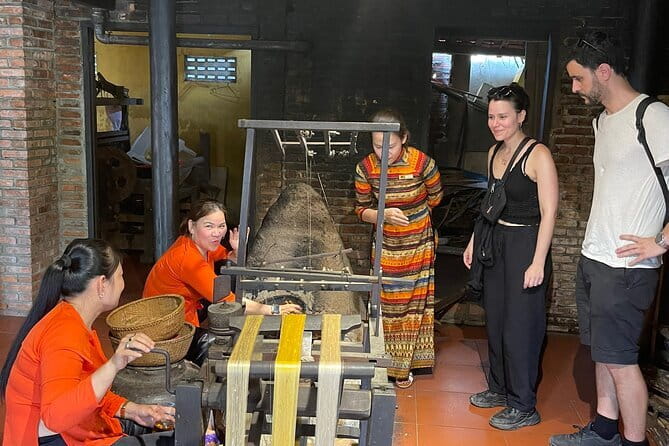
- The Unraveling House: learn how a cocoon becomes usable silk thread
- Champa Dai Viet-era weaving methods: watch the handmade approach being preserved
- Pure silk vs fake silk exhibition: shop with better judgment for quality and prices
- Private group setup: your group stays together during the 45-minute flow
Hoi An Silk Village: why this process is worth your time
Hoi An is famous for lantern streets and quick tailoring pitches, but silk here has a deeper backbone. This stop is built around Vietnam’s traditional silk garment construction, especially the local story of how silk is produced in Central Vietnam. The village also highlights something specific: it preserves the handmade weaving method and references the Champa Dai Viet era, tying today’s craft to older regional knowledge.
What I like about the way this is presented is that it doesn’t treat silk as magic. It treats silk as work. You get a clear chain: plants feed worms, worms make cocoons, cocoons become thread, and thread becomes fabric. Once you see that flow, silk shopping stops feeling like guesswork.
Also, the village emphasizes its mulberry genetic sources. Even if you don’t care about the genetics angle, it signals one thing: this isn’t just a storefront. It’s a place invested in where silk starts. That matters when you’re trying to buy something that will hold up over time.
Potters and carvers in the riverside villages
- Hoi An Countryside Biking Tour(Vegetable village -basket boat – fishing village)★ 5.0 · 216 reviews
- Hoi An: Tra Que Herb Village Cooking Class★ 4.5 · 102 reviews
- Hoi An Local Market and Vegetable Village Cooking Class★ 5.0 · 93 reviews
- Hoi An: Thanh Ha Village Tour with Pottery Making and Gift★ 4.8 · 78 reviews
Price and timing that actually fit a Hoi An day
At $10 per person for about 45 minutes, this is priced like an efficient experience, not a half-day excursion. And that pricing makes sense because your money goes toward the guide, entrance, and the structured visit (welcome drink included).
For value, I’d measure it in two ways:
- You get learning that directly impacts purchasing. If you’re planning to buy silk, learning the difference between pure silk and fake silk can save you from expensive mistakes.
- You get a guided process tour without the stress of figuring out logistics on your own. The guide keeps the visit moving and explains what you’re seeing as you go.
One practical consideration: 45 minutes is short. You’ll see key steps, but you won’t linger forever at every room. If you like slow travel and long conversations, treat this as a focused intro—then go back later to shop with your new understanding.
Meeting point basics: where to go and what to expect
You’ll meet at Silk Village Hoi An – The Tourist, 28 Nguyễn Tất Thành, Tân An, Hội An, Quảng Nam. The tour ends back at the same meeting point, so you can keep your day plan simple. No hotel pick-up is included, which is common for short attractions in Hoi An.
The ticket is mobile, which usually means you’ll show your pass on your phone at arrival. If your phone battery is a worry (it is in the heat), I’d keep the ticket ready before you walk in and carry a power bank if you have one.
Because this is a private tour, your group stays together. That’s a big deal for silk, since the guide’s explanations are tied to what you’re looking at in each stop.
Stop 1: the silk story begins with sericulture

The visit starts with a welcome drink, which sounds small but helps you settle in. Then the guide brings you into the traditional house in Quang Nam area to talk about sericulture—the practice of raising silkworms for silk.
This first part matters because it explains the logic behind the visuals you’re about to see. You’ll learn about how the village approaches silk production and how people historically worked with these materials. Even if you’ve never cared about silk before, this sets the tone: you’re about to watch a process that depends on careful timing and feeding.
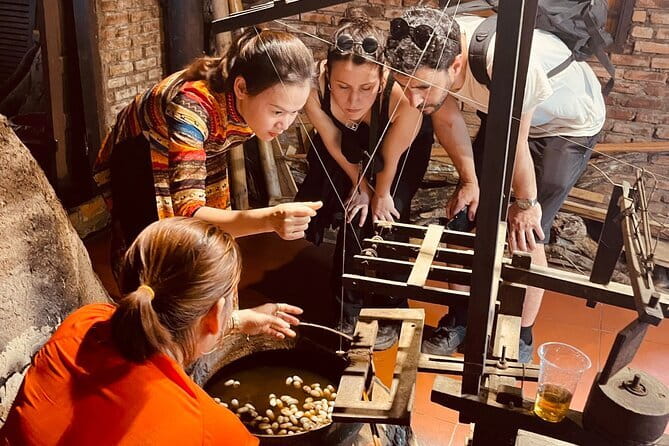
From there, you move to the mulberry gardens and the silkworm breeding house. The tour includes how to feed the silkworms, which is one of those details that makes the whole thing feel real. Silk doesn’t show up ready-made. It’s produced through daily work.
Measured, cut and stitched, more tailor visits





The gardens and silkworm rooms: what to watch for

In the breeding-focused parts, your job is to look for cause-and-effect:
- What the mulberry supply means for the worms
- How the feeding step supports the later cocoon stage
- How the breeding house environment is organized around the process
This is also where you’ll see why the village stresses preservation. If handmade weaving is the finish line, sericulture is the part people too often skip when they just want a scarf. Here, the tour gives you the missing context.
If you’re the type who likes photos, this is one of your best chances. The gardens and breeding rooms give you visuals that you won’t get from looking at silk bolts in a shop. Just remember you’re in a working craft setting, so be respectful with movement and filming.
Unraveling House: from cocoon to silk thread
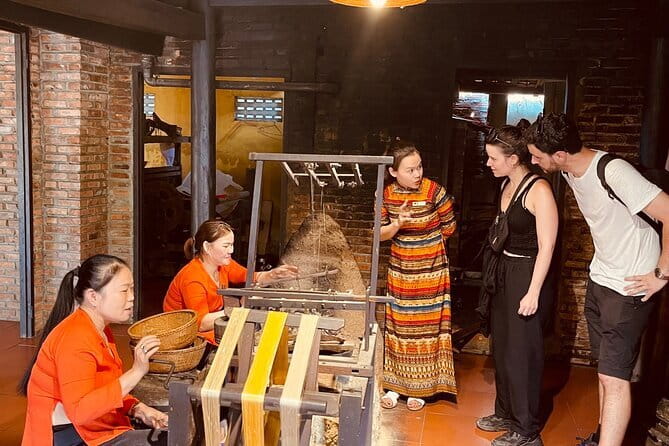
Next comes the Unraveling House, which is the most satisfying concept in the whole tour. The guide explains how to get a silk thread from the cocoon to weave silk fabric.
This step is where you start understanding what you’re actually buying later. A scarf isn’t just a fabric. It’s a thread made from a very specific transformation. Watching the unraveling concept explained helps you understand why silk can feel different in your hand and why quality questions aren’t random.
Even better: this is the part that connects directly to the exhibition on pure silk vs fake silk later. When you can picture real thread coming from cocoons, it’s easier to recognize marketing tricks.
Weaving houses and Champ textile techniques
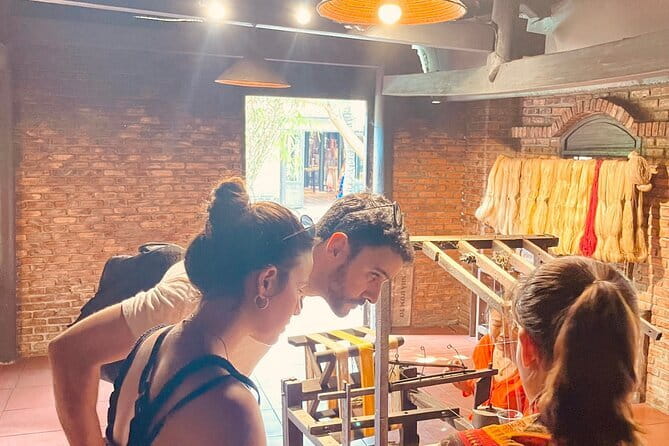
After thread comes the human skill. You’ll visit the weaving part of the experience and learn about handicrafts connected to Champ people and traditional textile techniques. The village also highlights that it preserves handmade weaving methods tied to older eras.
From a traveler’s viewpoint, what makes this valuable isn’t just the visual. It’s the framework the guide offers: you learn what steps lead to the cloth you see on display.
If you care about crafting, you’ll probably enjoy the attention to how traditional textiles are made. If you’re more focused on shopping, this section still helps. When a guide can explain the difference between materials and processes, you’re less likely to buy something overpriced for what it actually is.
The silk exhibition: pure silk vs fake silk (and how to use it)
The final structured part is the Hoi An Silk Village exhibition, where you learn the difference between pure silk and fake silk fabric. This is the “okay, now I’m ready” moment.
Even without turning into a silk detective, this exhibition can help you ask better questions. When you understand what pure silk should be, you’ll notice when a store’s sales pitch doesn’t match reality. That’s one reason this tour feels like a smart pre-shopping stop.
You’ll also see a variety of silk products, which gives you a chance to map what you want before you start comparing prices and styles. If you’re planning tailoring, this is a good time to understand what kind of material you should be paying for.
A quick heads-up on pacing
One thing I’d keep in mind: this is built as a compact, 45-minute sequence. Some people can find the rooms a bit small and the weaving demonstrations somewhat on-demand in a short burst. If you’re expecting a long, slow cultural walk with hours of wandering, adjust your expectations. Think: focused education, then shopping with a sharper eye.
Guide matters: why names like Luni come up
In silk tours, the guide can make the difference between you nodding and you actually understanding what you’re seeing. One guide name that shows up is Luni, noted for strong silk explanations and for making the experience more useful than add-ons that mainly push shopping in the Old Town.
Even if your guide isn’t Luni, you can use that as a hiring standard for your own expectations. When your guide talks, look for someone who explains both the process and the quality cues you can use while buying. A good silk guide turns a souvenir stop into a decision-making tool.
Who should book this private silk process tour?
You’ll likely love this tour if:
- You want a quick, guided introduction to silk before buying
- You care about craft process more than big-ticket monuments
- You’re doing tailoring in Hoi An and want to avoid basic quality mistakes
- You prefer a short private experience instead of waiting on a larger group
It’s also a good option for families and most visitors who can participate comfortably in a moderate indoor/outdoor flow. The visit is short, and it’s structured to keep you moving while still giving enough detail to be meaningful.
If you’re the type who hates demonstrations or only wants scenic time outdoors, this may feel too focused on production. In that case, treat it as a knowledge stop, then step into Old Town for atmosphere after.
Should you book Bay Mau Tour’s Private Traditional Silk Process in Hoi An?
Yes—if your goal is to learn and shop smarter. For $10 and about 45 minutes, you get a guided look at sericulture, the Unraveling House, weaving techniques, and an exhibition that teaches how to tell pure silk from fake. That mix is rare in Hoi An, where many experiences jump straight to sales.
Skip it (or manage expectations) if you’re expecting a long, sprawling cultural immersion or you dislike on-demand demonstrations. This is a compact craft tour, not a full-day countryside adventure.
My practical suggestion: book it early in your Hoi An silk plans. Learn first. Then buy with confidence.
FAQ
How long is the private silk process tour in Hoi An?
The tour lasts about 45 minutes.
What does the $10 price include?
It includes an English speaking guide, entrance fee, and a bottle of water.
Is hotel pick up or drop off included?
No. Hotel pick up and drop off are not included.
Is the tour private or shared?
It’s private, meaning only your group participates.
Will I get a ticket on my phone?
Yes, the tour uses a mobile ticket.
Can I cancel for a full refund?
You can cancel for a full refund if you cancel at least 24 hours before the experience start time. Canceling less than 24 hours before start time is not refundable.
More Tour Reviews in Hoi An
- Hoi An: Basket Boat Ride in the Coconut Forest
★ 4.9 · 4,956 reviews - Hoi An: Vietnamese Coffee Culture and Coffee Making Class
★ 4.9 · 4,006 reviews - Hoi An: Vietnamese Foldable Lantern Making Class
★ 4.9 · 3,742 reviews - Cooking Class Hoi An:Local Market, Basket Boat, Fishing & Cooking
★ 5.0 · 3,660 reviews - Hoi An Cooking Class(Market,BasketBoat Crabfishing&Cooking Class)
★ 5.0 · 3,386 reviews - Hoi An: My Son Sanctuary Early Morning w. Champa Food Brunch
★ 4.9 · 2,750 reviews
Tailored in Hoi An: More Ao Dai
- Professional Photography Tour Optional Ao Dai Dress in Hoi An
★ 5.0 · 99 reviews - Discover Traditional Silk Process in Hoi An Silk Village
★ 4.4 · 60 reviews - Hoi An: Half-day Silk Weaving Discovery Tour
★ 4.7 · 30 reviews - Half-day Silk Weaving Discovery In Hoi An
★ 5.0 · 25 reviews - DISCOVER the Skills of sericulture & weaving, HOI AN SILK VILLAGE
★ 5.0 · 24 reviews - Hoi An Hidden Gem- Local Food- Lantern Making- Tailoring
★ 5.0 · 16 reviews
Potters, Carvers and Silk Villages
- Hoi An Countryside Biking Tour(Vegetable village -basket boat – fishing village)
★ 5.0 · 216 reviews - Hoi An: Tra Que Herb Village Cooking Class
★ 4.5 · 102 reviews - Hoi An Local Market and Vegetable Village Cooking Class
★ 5.0 · 93 reviews - Hoi An: Wood Carving Class with Village Master Artisan
★ 4.9 · 93 reviews - Hoi An: Thanh Ha Village Tour with Pottery Making and Gift
★ 4.8 · 78 reviews - Discover Traditional Silk Process in Hoi An Silk Village
★ 4.4 · 60 reviews
Just Reviewed: Fresh Hoi An Trips





Traditional Craft Villages, compared.
 ★ 5.0basket boat – fishing village)From $45216 reviews
 ★ 4.5Tra Que Herb Village Cooking ClassFrom $28102 reviews
 ★ 4.9Wood Carving Class with Village Master ArtisanFrom $3193 reviews
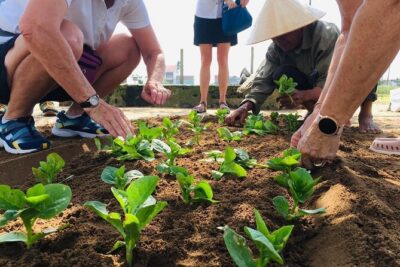 ★ 5.0Hoi An Local Market and Vegetable Village Cooking ClassFrom $2993 reviews
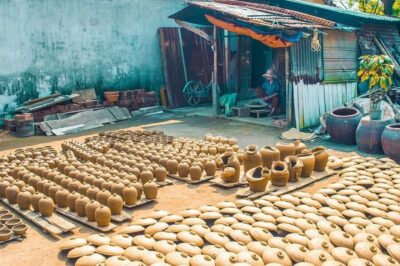 ★ 4.8Thanh Ha Village Tour with Pottery Making and GiftFrom $2378 reviews
 ★ 4.4Discover Traditional Silk Process in Hoi An Silk VillageFrom $1160 reviews
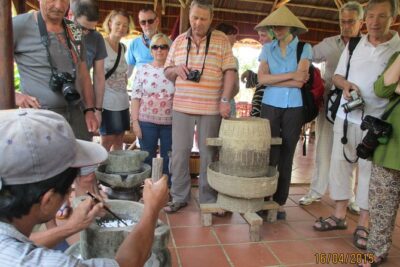 ★ 5.0Hoi An countryside biking – Basket Boat – Vegetable village – Local home CookingFrom $5837 reviews
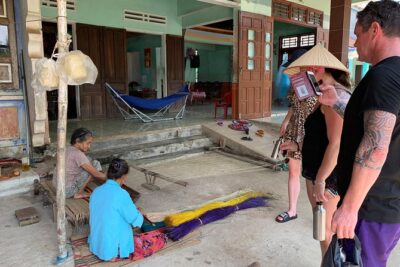 ★ 5.0Cocopalm Forest To A Craft VillageFrom $3231 reviews
Browse the lists this tour appears in