

Reviewed · TRADITIONAL CRAFT VILLAGES
Discover Traditional Silk Process in Hoi An Silk Village
Silk-making sounds simple, but it isn’t. In Hoi An Silk Village, you follow the whole traditional process from mulberry to finished fabric in about an hour, with real work happening in front of you. It also ties the craft to the Champa–Dai Viet era, so it feels more than a souvenir stop.
I really like two things here. First, the English-speaking guides (names like Thu and Tsu come up a lot) tend to explain step-by-step in a way you can actually follow, and they’re patient with questions. Second, you get clear cocoon-to-thread moments that make the transformation from insect life to smooth silk feel concrete.
One consideration: the process includes how cocoons are handled, and that means the silkworms do not live through it. If you’re sensitive to that part of the story, go in knowing it’s part of the craft reality, not a hands-off exhibit.
In This Review
- Key highlights you’ll remember
- Why this 50-minute silk lesson is worth $11
- Meeting at 28 Nguyen Tat Thanh: easy to find, easy to plan
- Quang Nam traditional house: the craft story before the hands-on work
- Mulberry gardens and silkworm-breeding: seeing the start of the silk chain
- Unraveling house: from cocoons to thread (the moment it clicks)
- Weaving demonstrations and the Champa–Dai Viet textile connection
- How to spot pure silk vs fake silk before you buy
- Shopping tips: spend smarter, not faster
- Comfort, group flow, and the reality of short tours
- Who should book this silk process tour—and who might not
- Booking decision: should you go?
- FAQ
- How long is the Traditional Silk Process tour?
- How much does it cost?
- What’s included in the ticket price?
- Where is the meeting point?
- Is an English guide available?
- Are large bags allowed?
- Is this tour wheelchair accessible?
Key highlights you’ll remember
- Mulberry garden and silkworm-breeding house: you see where the silk story starts, not just the finished cloth
- Traditional sericulture workflow: feeding silkworms and working with cocoons the old way
- Unraveling house: watch how silk thread is extracted before weaving happens
- Quang Nam craft context: a craft-sericulture story tied to older weaving traditions
- Real buying guidance: an exhibition that helps you tell pure silk vs fake silk before you spend money
- Small, calm feel: some groups are small enough that you don’t feel pushed through
Why this 50-minute silk lesson is worth $11
For $11, you’re buying time with an actual craft process, guided in English, plus entrance and even a bottle of water. This matters because silk-making tours can either be short and superficial or long and exhausting. Here, the total duration is 50 minutes, which is a very workable slot when you’re already doing Hoi An sightseeing.
You’ll also get a welcome drink, which sounds small, but it sets a gentler pace right away. The goal isn’t to overwhelm you with facts. It’s to give you a visual chain you can remember: mulberry → silkworms → cocoons → thread → weaving.
Is it a full-day workshop? No. But it’s a strong value if you want the craft explained without turning your afternoon into homework.
Potters and carvers in the riverside villages
- Hoi An Countryside Biking Tour(Vegetable village -basket boat – fishing village)★ 5.0 · 216 reviews
- Hoi An: Tra Que Herb Village Cooking Class★ 4.5 · 102 reviews
- Hoi An Local Market and Vegetable Village Cooking Class★ 5.0 · 93 reviews
- Hoi An: Thanh Ha Village Tour with Pottery Making and Gift★ 4.8 · 78 reviews
Meeting at 28 Nguyen Tat Thanh: easy to find, easy to plan
You meet at 28 Nguyen Tat Thanh, Hoi An, Quang Nam, Viet Nam. When you check in, you’ll need to inform your name at reception to confirm your booking.
Two practical tips:
- Wear comfortable shoes. Some parts of the site can involve walking between house-style buildings.
- Don’t bring luggage or large bags. The tour info is clear that big bags aren’t allowed, and you’ll avoid stress if you travel light.
There’s no hotel pick-up or drop-off included, so plan to get there on your own. If you’re already in Hoi An, this is usually manageable.
Quang Nam traditional house: the craft story before the hands-on work
The tour starts with a visit to a traditional house in Quang Nam, where you listen to the story of craft sericulture. This part is useful because it gives you context for what you’re about to see.
Instead of treating silk as a magic fabric that appears in a shop window, you get the logic behind the craft: why mulberry matters, why silkworms are central, and how the process connects to older textile traditions in the region.
This is also where the tone sets itself. The guides who do well here tend to be the ones who explain the steps without rushing, and people often mention strong English and patient explanations from guides like Thu and Tsu. That’s a big deal on a short tour. If you’re spending 50 minutes, you don’t want half the session lost in translation.
Mulberry gardens and silkworm-breeding: seeing the start of the silk chain
Next you’ll visit the ancient mulberry gardens and a silkworm-breeding house. This stop is where the experience becomes more real than most “silk demos” because you’re seeing the origin.
The mulberry plant isn’t just a random detail. The tour info highlights that this silk village is tied to valuable mulberry genetic sources, and you can feel the difference between a garden you’ve walked past and a place that’s treated as the heart of the craft.
In the breeding house, you’ll learn how feeding and caretaking connect directly to silk production. In other words: this isn’t only about weaving skill. It’s about a living process with timing and care.
One more thing to keep in mind: the silkworm side is factual and practical. You’re not going to get a soft, fairy-tale version of sericulture. It’s craft reality.
Measured, cut and stitched, more tailor visits





Unraveling house: from cocoons to thread (the moment it clicks)
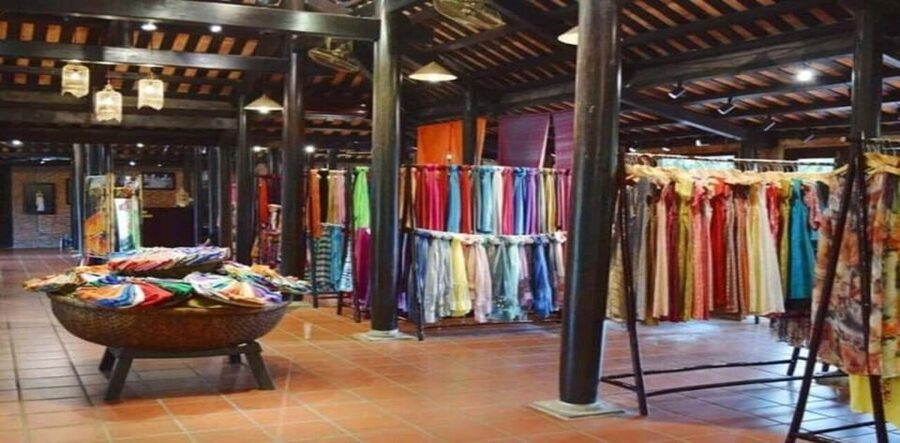
Then comes the unraveling house, where you learn how to get silk thread from the cocoon to weave silk fabric. This is often the most memorable part because it’s the turning point you can picture.
On many tours, weaving is what people think they came for. Here, you get the step that explains why silk looks and feels the way it does. Watching thread extraction helps you understand why pure silk tends to behave differently from many blends and imitations.
It’s also where the emotional edge of the process becomes clear. One of the sharpest notes from past visitors is that seeing extraction means the silkworm dies as cocoons are processed. If you know you’re sensitive to that, it’s better to set expectations now rather than getting caught off-guard in the moment.
Weaving demonstrations and the Champa–Dai Viet textile connection
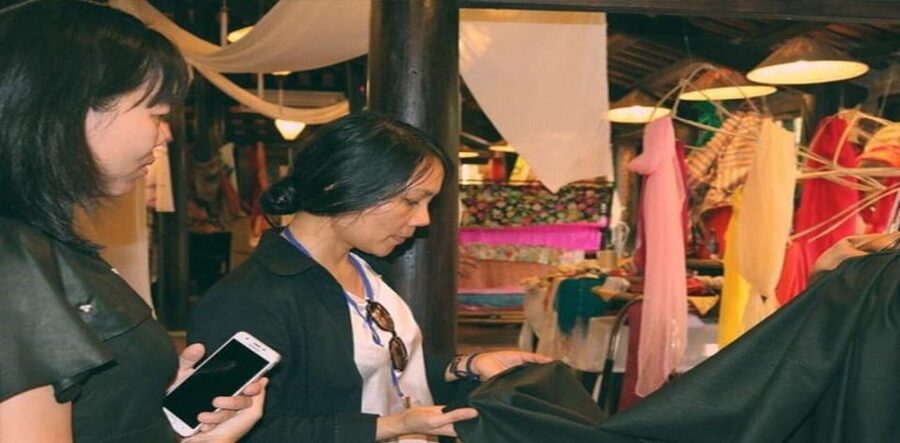
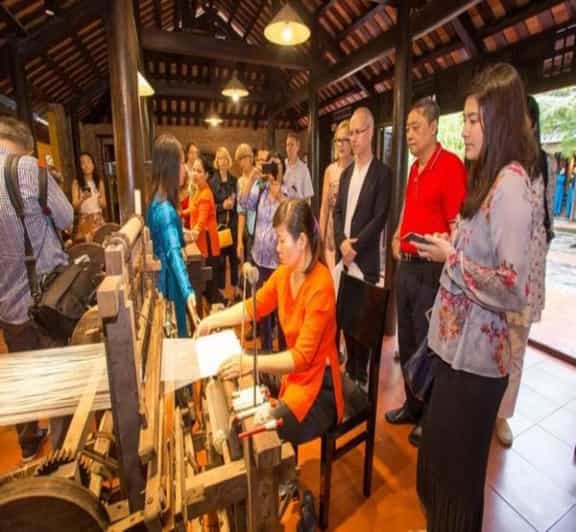
After the cocoon-to-thread explanation, the tour shifts into textiles: you’ll see workers weaving silk into beautiful fabrics and learn how the Vietnamese traditional weaving house works.
The tour info specifically mentions handmade methods preserved from the Champa – Dai Viet era. That matters because it helps explain why the craft is treated like heritage, not just production. You’re not only watching a machine at work. You’re seeing how traditional cloth-making approaches have been maintained.
The pacing is usually calm. Past visitors have described limited space in some buildings and a setting that feels better with smaller groups. If you’re the kind of person who likes to ask questions, this is a tour where that can actually happen within the time.
How to spot pure silk vs fake silk before you buy
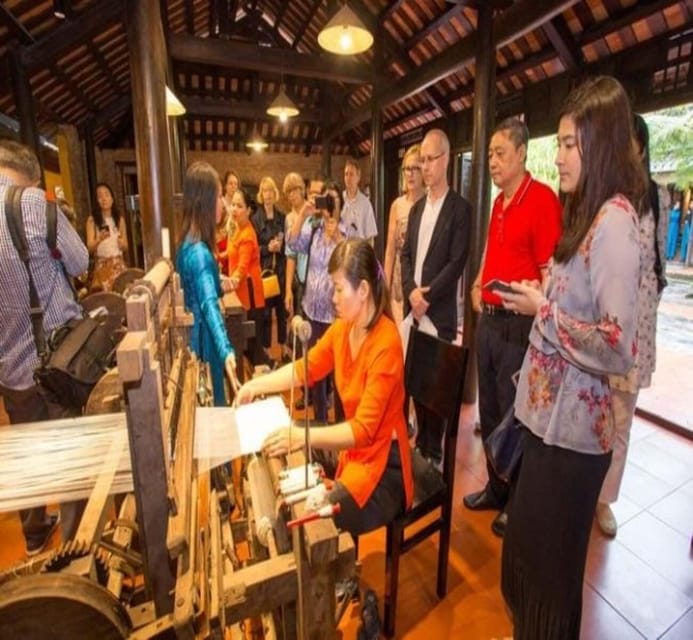
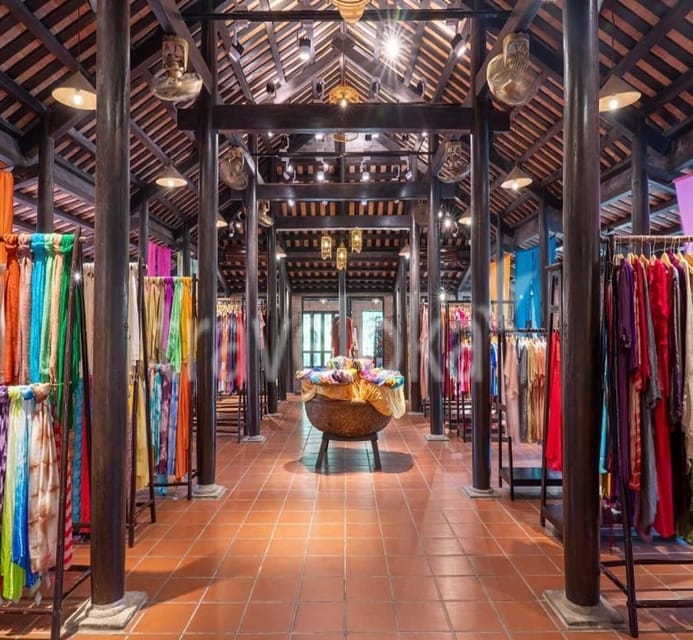
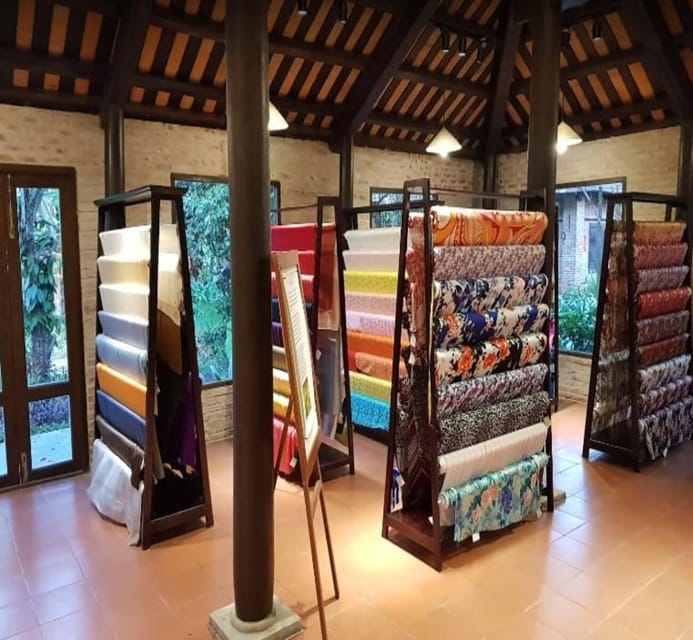
Near the end, you visit the Hoi An Silk Village exhibition, which is designed to show the difference between pure silk and fake silk fabric. This is where the tour can save you money.
If you’re planning to buy a silk shirt, scarf, or tailor-made clothing, I’d treat this as your checklist moment:
- Pay attention to what the guide explains about the materials and fabric differences.
- Ask questions while you can still compare examples in the same visit window.
- Don’t wait until you’ve already left the knowledge part behind.
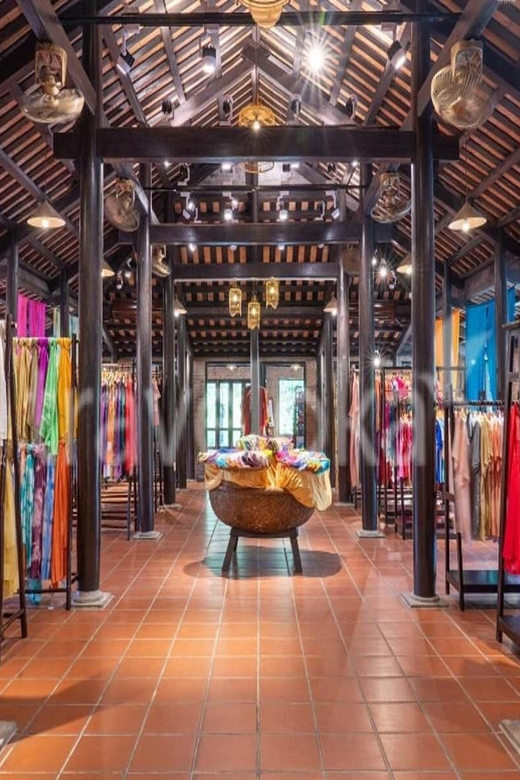
You’ll also likely notice that the shop offers a range of silk products for shopping and tailoring. Some people walk away happy because the quality is impressive, including those who bought silk shirts and felt they were worth the money.
One note for your expectations: a few visitors felt the variety of prints wasn’t for them—describing messy color combinations and limited choices. If you’re picky about patterns, consider deciding your style preferences early (or plan to do tailoring after you understand what’s real silk).
Shopping tips: spend smarter, not faster
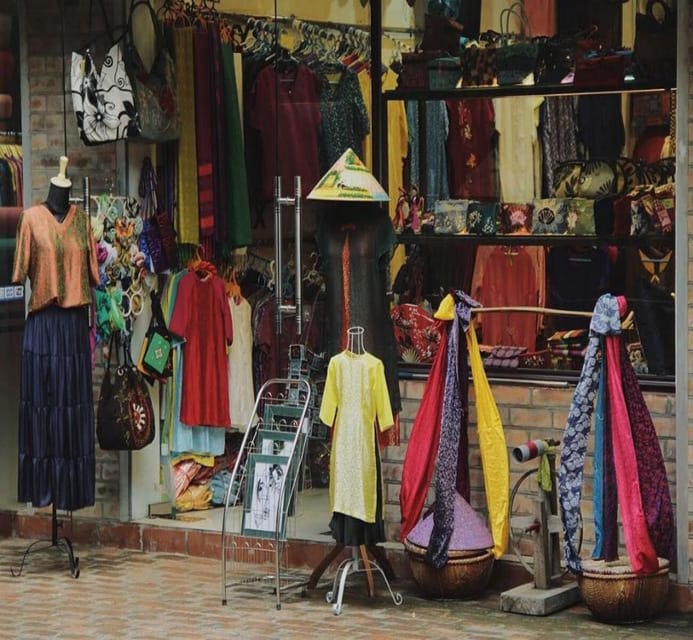
This is a craft place, but it’s also a retail stop. The trick is to shop with your new understanding, not on impulse.
Here’s how I’d handle it:
- Go in curious, but with a clear purpose. If your goal is a silk shirt or gift, focus on quality checks tied to what the guide just taught.
- If you’re tailoring, use the exhibition knowledge first. Getting educated before you choose designs helps you avoid buying something that looks right but isn’t the right material.
- If prints are overwhelming, remember you’re not forced to buy everything on the rack. You can also choose simpler fabric options, then add tailoring details.
If you’re like many people, you might end up buying even if you weren’t planning to. A common theme is that the process is informative enough that a purchase becomes a way to carry the lesson home.
Comfort, group flow, and the reality of short tours
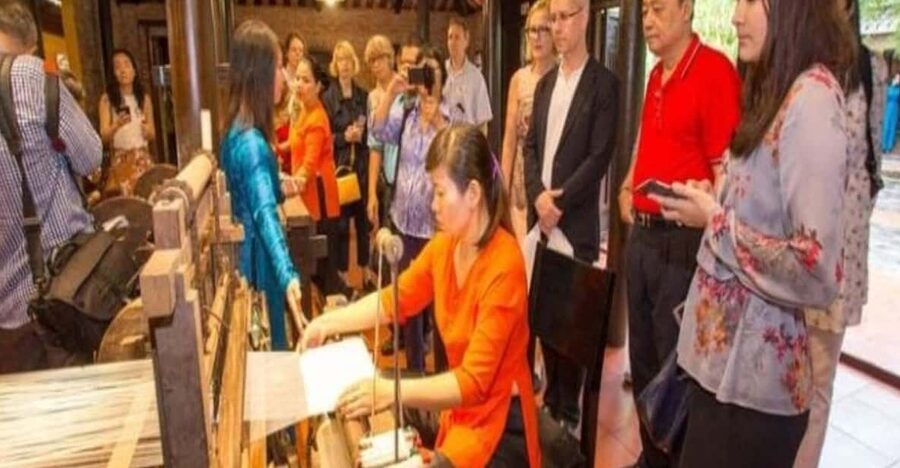
The tour runs for 50 minutes, and that’s part of the appeal. You get a full silk story without losing an entire afternoon.
Still, a few practical realities:
- Some buildings can have limited room, so movement might feel a bit tight.
- The timing can shift in busy periods. One visitor noted a delay when school children arrived, and the staff kept them informed and apologetic.
So if you’re scheduling the rest of your day tightly, give yourself a buffer. It’s not usually a disaster, but it keeps your travel plan calmer.
Also bring comfortable clothes. You’ll be standing and moving between house-style spaces, and you’ll enjoy it more if you don’t feel overheated or restricted.
If you need a pause afterward, there’s reportedly a cafe on site. That’s a handy add-on if your day is already full.
Who should book this silk process tour—and who might not
This tour is a good fit if you:
- Want a quick, guided explanation of how silk garments are made
- Like hands-on craft demos more than museum-style displays
- Plan to buy silk and want help distinguishing pure silk from cheaper fabric
It’s less ideal if:
- You need wheelchair access or mobility support. The activity is listed as not suitable for people with mobility impairments and wheelchair users.
- You’re uncomfortable with the practical reality of sericulture, including that silkworms don’t survive the cocoon process.
If you’re on a tight Central Vietnam itinerary—Hoi An is already full—this one-hour format is a practical way to add depth.
Booking decision: should you go?
I think it’s an easy yes if you want a craft-focused stop that’s short, guided, and directly helpful for shopping. The strongest reasons to book are the English explanations, the clear cocoon-to-thread steps, and the exhibition on pure vs fake silk, which can protect your wallet.
I’d hold off only if you’re strongly uncomfortable with the silkworm part or if you need a fully accessible setting. Otherwise, this is a good value use of your time in Hoi An.
If you do book, come with one simple goal: learn how the process works well enough that you can shop with confidence, not confusion.
FAQ
How long is the Traditional Silk Process tour?
The duration is 50 minutes.
How much does it cost?
The price listed is $11 per person.
What’s included in the ticket price?
It includes an English-speaking guide, an entrance fee, and a bottle of water.
Where is the meeting point?
The meeting point is 28 Nguyen Tat Thanh, Hoi An, Quang Nam, Viet Nam. You should inform your name at reception as confirmation.
Is an English guide available?
Yes, the tour includes a live English-speaking guide.
Are large bags allowed?
No. Luggage or large bags are not allowed on the tour.
Is this tour wheelchair accessible?
No. It is not suitable for wheelchair users or people with mobility impairments.
More Tour Reviews in Hoi An
- Hoi An: Basket Boat Ride in the Coconut Forest
★ 4.9 · 4,956 reviews - Hoi An: Vietnamese Coffee Culture and Coffee Making Class
★ 4.9 · 4,006 reviews - Hoi An: Vietnamese Foldable Lantern Making Class
★ 4.9 · 3,742 reviews - Cooking Class Hoi An:Local Market, Basket Boat, Fishing & Cooking
★ 5.0 · 3,660 reviews - Hoi An Cooking Class(Market,BasketBoat Crabfishing&Cooking Class)
★ 5.0 · 3,386 reviews - Hoi An: My Son Sanctuary Early Morning w. Champa Food Brunch
★ 4.9 · 2,750 reviews
Tailored in Hoi An: More Ao Dai
- Professional Photography Tour Optional Ao Dai Dress in Hoi An
★ 5.0 · 99 reviews - Hoi An: Half-day Silk Weaving Discovery Tour
★ 4.7 · 30 reviews - Half-day Silk Weaving Discovery In Hoi An
★ 5.0 · 25 reviews - DISCOVER the Skills of sericulture & weaving, HOI AN SILK VILLAGE
★ 5.0 · 24 reviews - Hoi An Hidden Gem- Local Food- Lantern Making- Tailoring
★ 5.0 · 16 reviews - Ao Dai Photography: Traditional Attire Capture in Hoi An
★ 4.8 · 13 reviews
Potters, Carvers and Silk Villages
- Hoi An Countryside Biking Tour(Vegetable village -basket boat – fishing village)
★ 5.0 · 216 reviews - Hoi An: Tra Que Herb Village Cooking Class
★ 4.5 · 102 reviews - Hoi An Local Market and Vegetable Village Cooking Class
★ 5.0 · 93 reviews - Hoi An: Wood Carving Class with Village Master Artisan
★ 4.9 · 93 reviews - Hoi An: Thanh Ha Village Tour with Pottery Making and Gift
★ 4.8 · 78 reviews - Hoi An countryside biking – Basket Boat – Vegetable village – Local home Cooking
★ 5.0 · 37 reviews
Just Reviewed: Fresh Hoi An Trips





Traditional Craft Villages, compared.
 ★ 5.0basket boat – fishing village)From $45216 reviews
 ★ 4.5Tra Que Herb Village Cooking ClassFrom $28102 reviews
 ★ 4.9Wood Carving Class with Village Master ArtisanFrom $3193 reviews
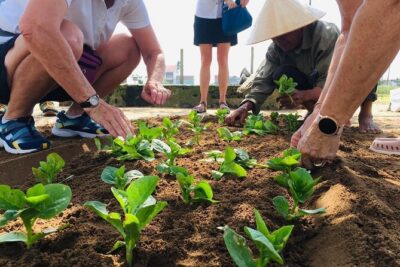 ★ 5.0Hoi An Local Market and Vegetable Village Cooking ClassFrom $2993 reviews
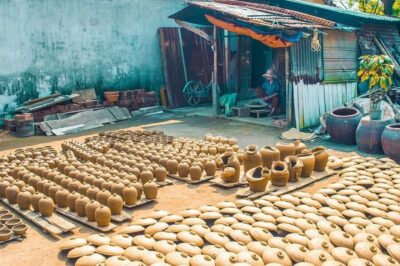 ★ 4.8Thanh Ha Village Tour with Pottery Making and GiftFrom $2378 reviews
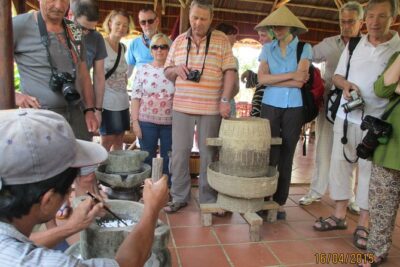 ★ 5.0Hoi An countryside biking – Basket Boat – Vegetable village – Local home CookingFrom $5837 reviews
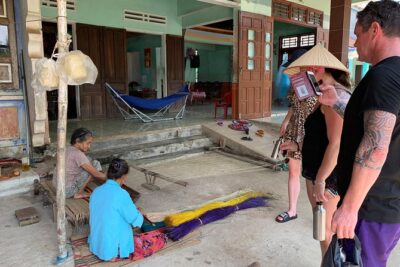 ★ 5.0Cocopalm Forest To A Craft VillageFrom $3231 reviews
 ★ 5.0DISCOVER the Skills of sericulture & weaving, HOI AN SILK VILLAGEFrom $3124 reviews
Browse the lists this tour appears in