
Reviewed · VIETNAMESE COFFEE EXPERIENCES
Hoi An: City Tour, Banh my and Coffee
Hoi An feels like someone paused the past. This 3-hour city walk mixes major old-town sights with a banh mi and coffee break, so you learn Hoi An’s story and then taste it. I especially like the focus on Japanese and Chinese landmark spots (yes, that famous bridge and the assembly halls) and the payoff of getting local coffee culture explained right after.
One thing to consider: this isn’t a high-energy, joke-filled tour. It’s more of a calm, sights-and-context route, and if you’re craving lots of lively storytelling or a deeper museum day, you may wish you had longer.
In This Review
- Key highlights worth your attention
- Hoi An’s historic “two faces” in just 3 hours
- The old-town route: what you’ll actually see and why it matters
- Japanese Covered Bridge
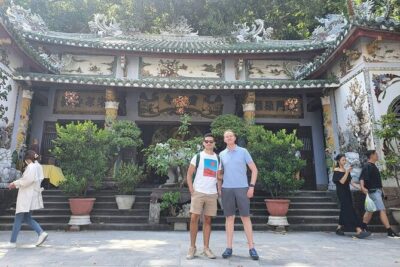
- Chinese Assembly Halls
- Hoi An Museum
- Ancient Houses
- Handicraft Workshop
- Banh mi included: how to make the most of your sandwich stop
- Vietnamese coffee culture: what you’ll likely notice at the secret stop
- Market time at Hoi An Center Market: where the real world appears
- Entrance fees and how to plan your budget without stress
- Who this tour fits best (and who should skip it)
- Price and logistics: why $16 feels fair here
- Should you book this Hoi An city tour with banh mi and coffee?
- FAQ
- How long is the Hoi An city tour?
- What is the price per person?
- What’s included in the tour?
- Are entrance fees included?
- Is hotel pick-up or drop-off provided?
- What language is the guide?
- What landmarks will I visit during the walk?
- Is the tour wheelchair accessible?
- Can I cancel and still get a refund?
- Can I reserve now and pay later?
Key highlights worth your attention
- Japanese Covered Bridge on the walking route, a must-see anchor for first-timers
- Chinese Assembly Halls that show the community links behind the architecture
- Hoi An Museum and Ancient Houses for a hands-on sense of how people lived
- Handicraft workshop stop that fits naturally with the old-town setting
- Banh mi and coffee included, with a dedicated coffee stop focused on the culture
- Small time window (3 hours), great for a first-day orientation without burning your whole day
Hoi An’s historic “two faces” in just 3 hours
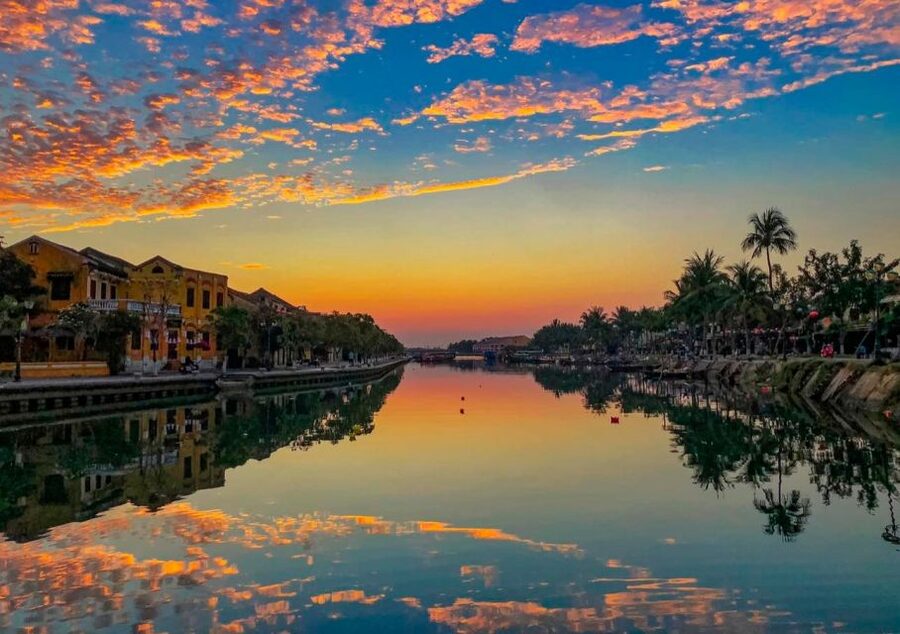
Hoi An is one of those rare places where the old trading-port vibe still works in your everyday walk. The town’s architecture and slow pace come from its long run as a South-East Asian port, especially in the 17th and 18th centuries, when Chinese and Japanese influences shaped much of what you see. Later European touches show up too, so the look of the place isn’t one-style and done. It’s a blend.
That’s exactly why this kind of first-day tour makes sense. You get an overview fast, without needing to plan a mini-mission across town. And because the tour also includes food—banh mi and coffee—you don’t finish your orientation still hungry and unsure where to start next.
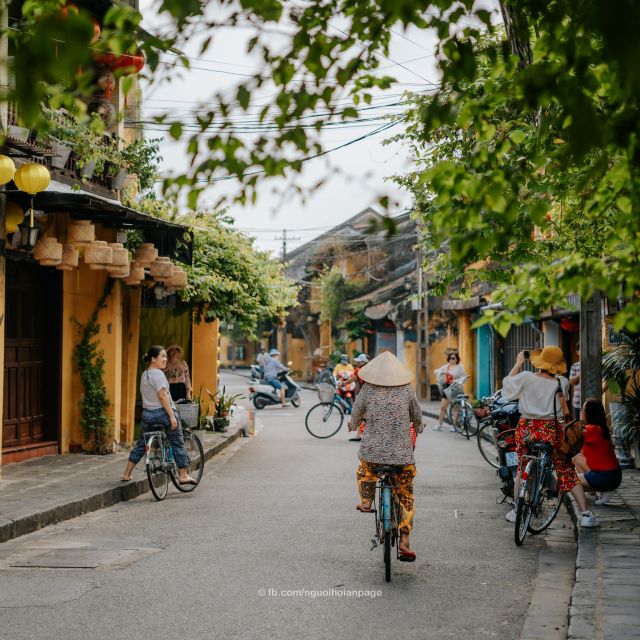
I also like that the route is built around a walking rhythm: narrow streets, old shopfront energy, and traditional houses you can spot at street level. You’re not stuck staring at a map; you’re moving through the place that the map is trying to describe.
Slow-dripped and strong, a few more cups
- Early Morning My Son Sanctuary Trip w. Champa Food & Coffee★ 5.0 · 629 reviews
- Vietnamese Culture and Coffee Making Class★ 5.0 · 497 reviews
- Hoi An: My Son Early Morning with Banh My and Coffee 6 am★ 4.7 · 205 reviews
- Hoi An: Vietnamese Coffee Making Workshop at Local Roastery★ 4.8 · 174 reviews
The old-town route: what you’ll actually see and why it matters
Your walk covers the main landmarks that help you read Hoi An like a story. The tour is designed to connect the dots between people, trade, and the built environment, so it’s not just checkpoint tourism.
Here’s what you’ll run into as you go:
Japanese Covered Bridge
The Japanese Covered Bridge is usually the first big “wow” moment for visitors, and it earns that reaction. It’s a clear visual clue that Japanese community ties were part of Hoi An’s trading-era fabric. Even if you’ve seen photos before, the bridge hits different in person because of the scale, the details, and the way the surrounding streets fold around it.
Chinese Assembly Halls
Next are Chinese Assembly Halls, which matter because they explain who organized life in the trading port. These halls aren’t just decorative. They reflect community structure—people coming together around shared roots, support, and business networks. When you see them after the bridge, you start to notice that Hoi An isn’t only “pretty old town.” It’s old town with real social history behind it.
Wider sweeps of the old town and beyond





Hoi An Museum
The route also includes time at Hoi An Museum. This helps turn your street-level observations into something more concrete. If you like learning how artifacts and local context fill in the blanks left by architecture alone, this is a smart stop.
A quick reality check: museum time is still limited in a 3-hour format. So treat it as an orientation and a taste of deeper study, not a replacement for a full museum afternoon.
Ancient Houses
Then you’ll pass by ancient houses, which is where Hoi An’s “traditional house” look becomes more than a postcard. You’ll start spotting the practical design choices—how spaces relate to the street, and how the houses fit the neighborhood layout. Even without going into every detail, the effect is strong: you can picture daily life rather than just reading dates on signs.
Handicraft Workshop
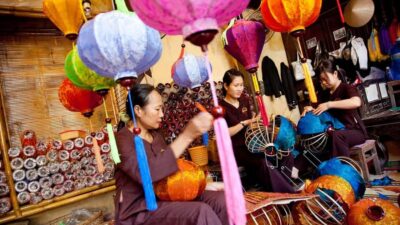
A handicraft workshop stop rounds out the story by linking history to what people still do here. In old ports, trades don’t disappear; they evolve. This stop gives you a modern angle without feeling random, because it matches the town’s long-term identity as a place where goods and skills circulated.
Banh mi included: how to make the most of your sandwich stop
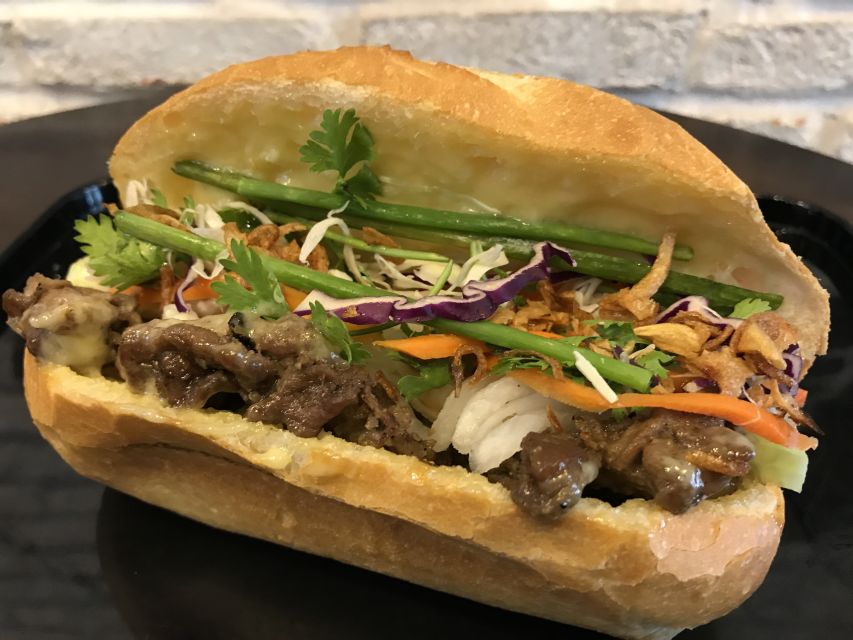
The tour’s biggest practical draw is also the simplest: you’ll try banh mi included, and it’s positioned as the best in town. Even if you don’t think you’re picky, banh mi is one of those foods where the differences show up fast—crispness, spread balance, pickles, herb freshness, and whether the bread still has bite.
Here’s how to approach it on the day of the tour:
- Take one bite for texture (the bread and crust)
- Take one bite for balance (sour-sweet pickles vs savory fillings)
- Take one bite for aroma (herbs and any toasted components)
That’s how you’ll learn what you’re tasting, not just how good it is.
The value angle is strong. At $16 per person for about 3 hours, the food inclusion matters. If you tried to copy the day yourself—guide time plus a quality sandwich plus coffee—you’d typically pay more in total, especially if you end up searching for “the best” without knowing where to go.
Vietnamese coffee culture: what you’ll likely notice at the secret stop
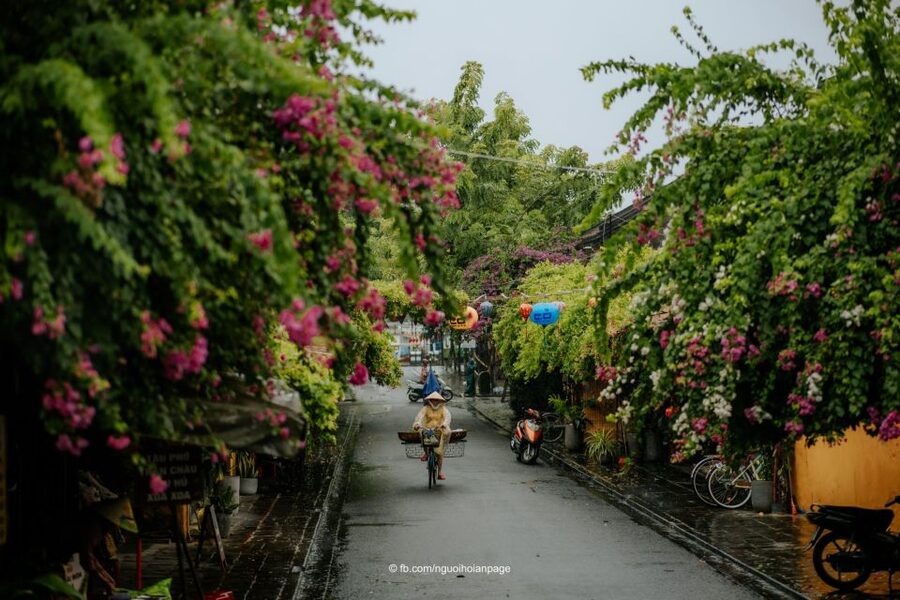
Hoi An isn’t only about heritage buildings. Coffee culture is part of the everyday texture here, and this tour includes a secret coffee stop plus coffee culture context from your English-speaking guide.
You’re not just ordering caffeine; you’re learning how Vietnamese coffee thinking works—how people approach brewing, sweetness, and the social ritual of sitting with a drink while the town moves around you. Even if you’ve had Vietnamese coffee before, a guided explanation helps you notice what you might have missed on taste alone.
I’d treat this coffee stop as a mini lesson with a snack-sized payoff. If you’re the kind of traveler who asks what makes a place taste like itself—this works.
If you’re rushing through Hoi An for only one morning or one afternoon, coffee can also be the moment where your energy levels reset, so you keep walking without turning the day into a shuffle.
Market time at Hoi An Center Market: where the real world appears
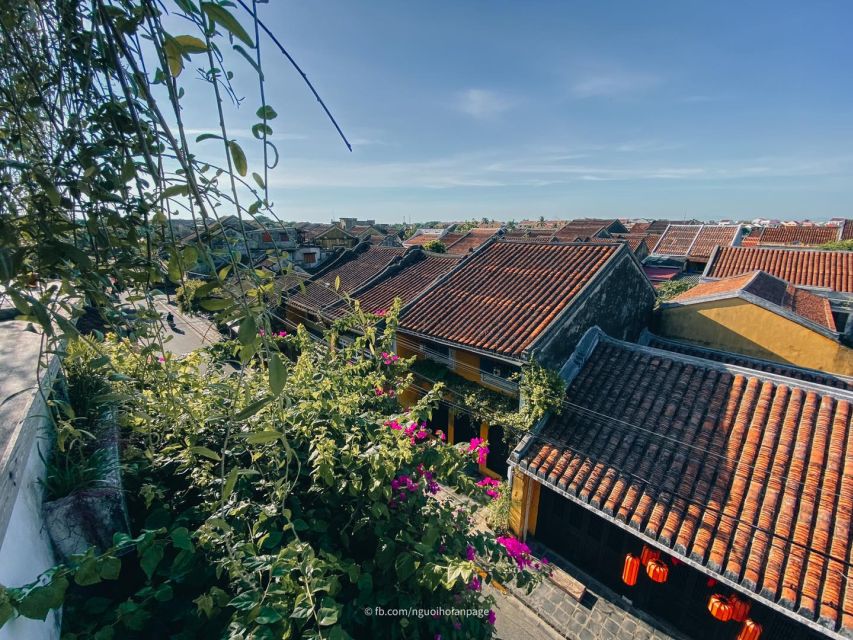
The tour route includes a stop at Hoi An Center market. Market visits are where “historic town” stops being a theme and becomes a lived-in place again.
Even if you don’t buy much, you’ll get useful info: what people eat, how stalls are arranged, how goods move through the day. This helps you understand why banh mi and coffee fit so naturally into the tour. They’re not “tourist snacks.” They’re normal city rhythms.
If you’re a shopper, this is a moment to compare prices and check what looks like good value. If you’re not, just watch and enjoy. Markets move fast, and that energy is part of the appeal.
Entrance fees and how to plan your budget without stress
The tour includes bottled water, a guide, banh mi, and coffee. What’s not included is the entrance fee (120,000 VND per person).
That means you should budget a little extra for whatever ticketed site(s) fall under that fee. The key point for you: don’t assume the $16 price covers everything inside museums or ticketed interiors. With that understood, the overall value stays solid because food and guide time are included.
Also note: pick-up and drop-off aren’t included. This matters more than it sounds. You’ll want to arrive already oriented to where you’re meeting and where you’ll start the walk, so you’re not paying for taxis just to sit in transit.
Who this tour fits best (and who should skip it)
This is a great match for first-time Hoi An visitors who want a clean overview without a full-day commitment.
You’ll likely enjoy it if:
- You like walking routes with major landmarks rather than random side streets
- You want a guided explanation of what you’re seeing, including the cultural mix behind the buildings
- You care about food as part of the trip, not a random detour
- You want a first-day plan that sets you up for the rest of your stay
You might want to look elsewhere if:
- You prefer fast pacing, constant surprises, or very playful storytelling
- You’re hoping for a museum-heavy deep dive in one go (the total time is only 3 hours)
- You’re the type who needs lots of free time for wandering off-script
One of the most useful bits of guidance I can give is this: if you like structured, calm tours that explain what matters in Hoi An, this format works. If you want a party vibe, keep browsing.
Price and logistics: why $16 feels fair here
Let’s talk value plainly. $16 per person for roughly 3 hours, with an English-speaking guide plus banh mi and coffee included, is usually the kind of deal that makes sense for couples and solo travelers alike.
Why the price works:
- The guide is not just walking you around; it’s used for context and food culture explanations.
- Food is included, which removes decision fatigue and helps you keep the day efficient.
- It’s short enough that you don’t lose a whole day to planning and transport.
What to watch:
- Entrance fee isn’t included, so your final spend is slightly higher once you pay the listed 120,000 VND.
- No pick-up/drop-off means you need to handle getting to the meeting area yourself.
Overall, it’s a practical first-day option, especially if you’re trying to fit Hoi An into a tight Vietnam itinerary.
Should you book this Hoi An city tour with banh mi and coffee?
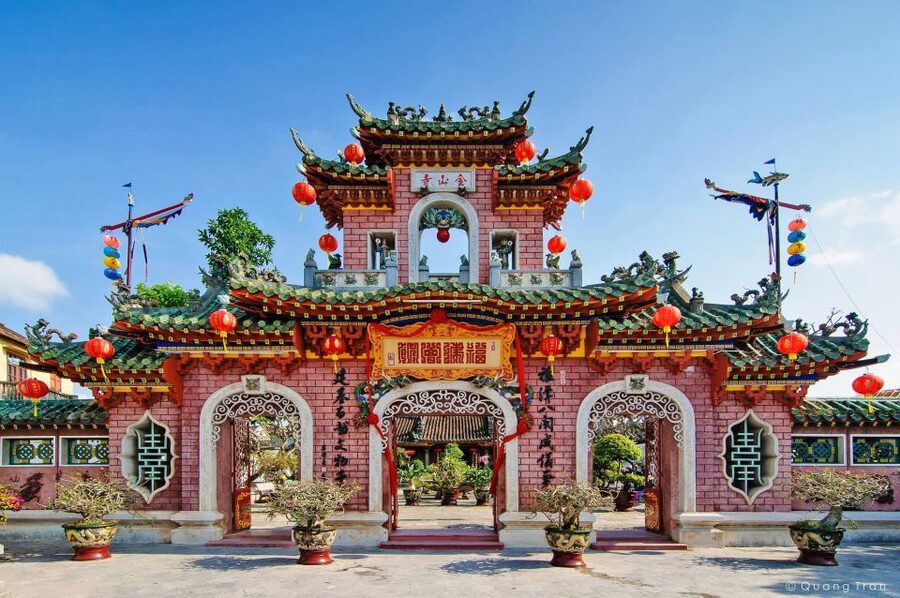
I’d book it if your goal is a smart orientation plus real food. This tour is built for first-timers: you’ll see key landmarks like the Japanese Covered Bridge, get context via Chinese Assembly Halls, and finish with banh mi and coffee that actually relate to the everyday life of the town.
Skip it if you already know Hoi An well and you want something more intense, like a longer museum day or a tour style that’s more dramatic and playful. The pacing is steady, and the focus is on sightseeing with explanation, not nonstop entertainment.
If you’re unsure, consider this simple rule: if you want your first hours in Hoi An to feel organized and satisfying, this is a good bet.
FAQ
How long is the Hoi An city tour?
It lasts 3 hours.
What is the price per person?
The price is listed as $16 per person.
What’s included in the tour?
The tour includes an English-speaking guide, bottled water, and banh mi and coffee.
Are entrance fees included?
No. An entrance fee of 120,000 VND per person is not included.
Is hotel pick-up or drop-off provided?
No pick up and drop off service is included.
What language is the guide?
The guide speaks English.
What landmarks will I visit during the walk?
The tour includes stops such as the Japanese Covered Bridge, Chinese Assembly Halls, Hoi An Museum, Ancient Houses, a Handicraft Workshop, and the Hoi An Center market.
Is the tour wheelchair accessible?
Yes, the tour is listed as wheelchair accessible.
Can I cancel and still get a refund?
Yes. Free cancellation is offered up to 24 hours in advance for a full refund.
Can I reserve now and pay later?
Yes. The tour offers a reserve now and pay later option.
More Tours in Hoi An
- From Hoi An: Market Tour, Basket Boat Ride and Cooking Class
★ 4.8 · 2,208 reviews - Hoi An: Basket Boat with Lantern-Making & Cooking Class Tour
★ 4.9 · 1,444 reviews - Coconut Jungle Eco & Hoi An City Tour With Boat Ride
★ 5.0 · 800 reviews - Hoi An: Ancient Town Guided Walking Tour
★ 4.9 · 766 reviews - Hai Van Pass Motorbike Private Tour with Mister T Easy Rider
★ 5.0 · 742 reviews - Hoi An Countryside: Guided Morning or Afternoon Bicycle Tour
★ 4.9 · 686 reviews
More Tour Reviews in Hoi An
- Hoi An: Basket Boat Ride in the Coconut Forest
★ 4.9 · 4,956 reviews - Hoi An: Vietnamese Coffee Culture and Coffee Making Class
★ 4.9 · 4,006 reviews - Hoi An: Vietnamese Foldable Lantern Making Class
★ 4.9 · 3,742 reviews - Cooking Class Hoi An:Local Market, Basket Boat, Fishing & Cooking
★ 5.0 · 3,660 reviews - Hoi An Cooking Class(Market,BasketBoat Crabfishing&Cooking Class)
★ 5.0 · 3,386 reviews - Hoi An: My Son Sanctuary Early Morning w. Champa Food Brunch
★ 4.9 · 2,750 reviews
Hoi An by the Cup
- Hoi An: Vietnamese Coffee Culture and Coffee Making Class
★ 4.9 · 4,006 reviews - Early Morning My Son Sanctuary Trip w. Champa Food & Coffee
★ 5.0 · 629 reviews - Vietnamese Culture and Coffee Making Class
★ 5.0 · 497 reviews - Hoi An: My Son Early Morning with Banh My and Coffee 6 am
★ 4.7 · 205 reviews - Hoi An: Vietnamese Coffee Making Workshop at Local Roastery
★ 4.8 · 174 reviews - Hoi An: Lantern and Coffee Making Class
★ 5.0 · 154 reviews
Just Reviewed: Fresh Hoi An Trips



Vietnamese Coffee Experiences, compared.
 ★ 4.9Vietnamese Coffee Culture and Coffee Making ClassFrom $144,006 reviews
 ★ 5.0Early Morning My Son Sanctuary Trip w. Champa Food & CoffeeFrom $21629 reviews
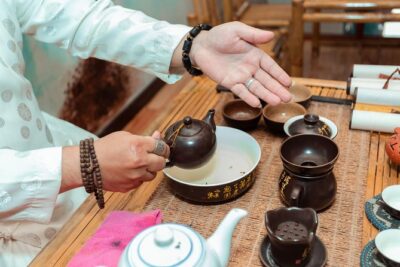 ★ 5.0Vietnamese Culture and Coffee Making ClassFrom $15497 reviews
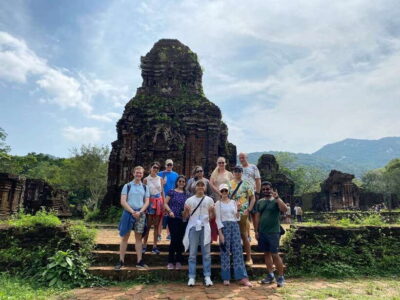 ★ 4.7My Son Early Morning with Banh My and Coffee 6 amFrom $18205 reviews
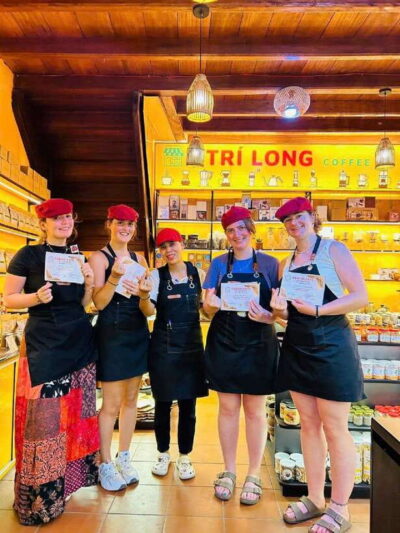 ★ 4.8Vietnamese Coffee Making Workshop at Local RoasteryFrom $16174 reviews
 ★ 5.0Lantern and Coffee Making ClassFrom $24154 reviews
 ★ 5.0My Son Sanctuary Early Morning Tour 6 am w Banh my and CoffeeFrom $21142 reviews
 ★ 4.8Hands-on Vietnamese Coffee Making Class with LongFrom $1566 reviews
Browse the lists this tour appears in