
Reviewed · VIETNAMESE COFFEE EXPERIENCES
Vietnamese Culture and Coffee Making Class
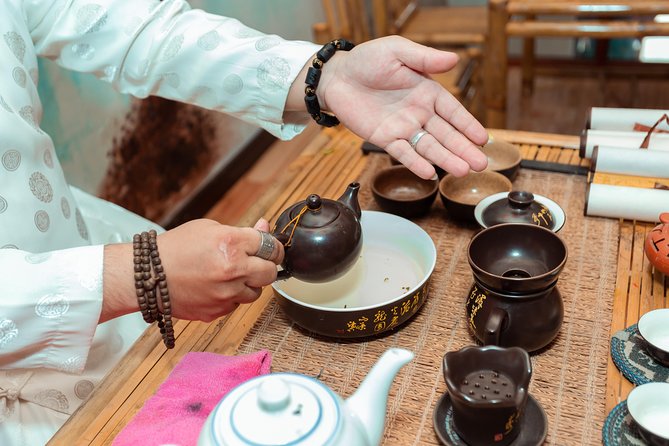
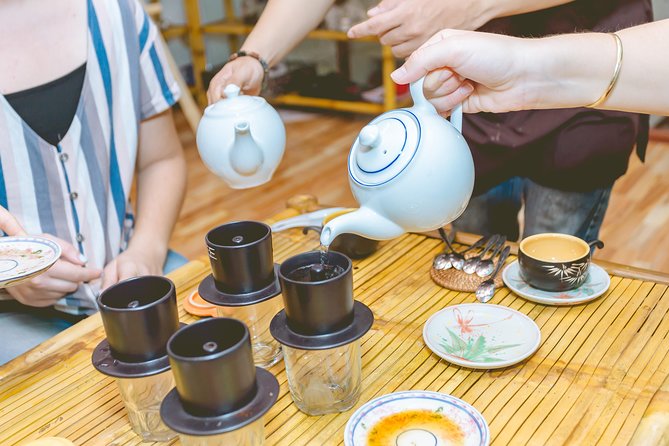
Coffee culture in Hoi An, right on your table. This 2-hour Vietnamese coffee masterclass in Hoi An is hands-on, lightly theatrical, and packed with tasting—while you learn why Vietnamese coffee tastes the way it does (including French influence). You’ll work with a classic phin filter and brew multiple styles, not just one cup.
My favorite part is how practical it feels. You learn the technique, then you immediately use it—so egg coffee stops being a mystery and becomes something you can actually recreate at home.
The other big win for me is the variety: coconut coffee in Hoi An and the less-common Hue salt-style both show how wide Vietnamese coffee can be. One possible drawback: the coffee is seriously strong, so go slow or you’ll feel it fast.
In This Review
- Key Points to Know Before You Go
- Why This Hoi An Coffee Class Feels Practical, Not Performative
- Price and Value: What $15.39 Buys You (and Why It Makes Sense)
- The Brewing Lineup: Five Coffees That Teach You Five Techniques
- 1) Real Traditional Black Coffee with the Vietnamese Phin Filter
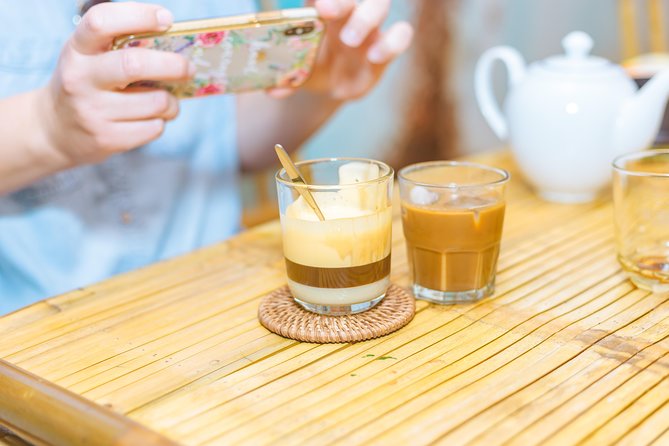
- 2) Vietnamese Happy White Coffee
- 3) Hue Imperial Salt Coffee
- 4) Hoi An Fresh Coconut Coffee
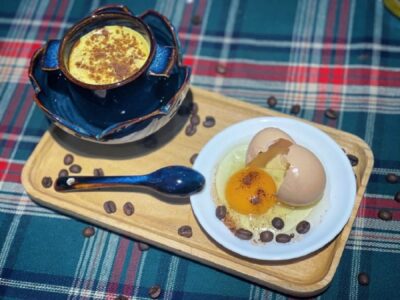
- 5) Ha Noi Capital Egg Coffee
- How the Class Teaches Vietnamese Coffee Culture (Not Just Recipes)
- What Happens During Those Two Hours (So You Know What to Expect)
- Meet the Instructors and the Family-Run Feel
- What You Take Home: Filter, Tools, and Recipes
- Practical Logistics: Location, Timing, and Getting There
- Who This Class Is Best For (and Who Might Skip)
- Should You Book This Vietnamese Coffee Making Class in Hoi An?
- FAQ
- How long is the Vietnamese culture and coffee making class?
- What coffees will I make during the class?
- Is a filter included that I can take home?
- What’s included in the price?
- Do I get hotel pick-up and drop-off?
- What group size should I expect?
Key Points to Know Before You Go
- You’ll make 5 different Vietnamese coffees in about two hours, not just watch and taste.
- A phin filter is included—you can keep brewing at home after the class.
- Egg coffee and salt coffee are part of the lineup, so you get both iconic and regional styles.
- The instruction is hands-on and paced for small groups (max 10 travelers).
- Expect playful humor and lots of interaction, which can be a plus or a miss depending on your taste.
- Caffeine is the real boss, so plan to sip, not chug.
Why This Hoi An Coffee Class Feels Practical, Not Performative
Vietnamese coffee has a reputation for being bold, sweet, and different from what most people expect. What makes this class worth your time is that it doesn’t treat that difference like a gimmick. You learn the brewing method (especially the phin filter) and the small ingredient choices that create big flavor changes.
I also like the small-group vibe. With a maximum of 10 travelers, you’re not stuck waiting for a speaker to talk at you while everyone else brews. You get actual guidance while you pour, stir, and taste.
If you’re a coffee person, you’ll appreciate the focus on craft. If you’re not, you’ll still enjoy it because the class is built around drinking and comparison—five cups, five different outcomes.
Slow-dripped and strong, a few more cups
- Early Morning My Son Sanctuary Trip w. Champa Food & Coffee★ 5.0 · 629 reviews
- Vietnamese Culture and Coffee Making Class★ 5.0 · 497 reviews
- Hoi An: My Son Early Morning with Banh My and Coffee 6 am★ 4.7 · 205 reviews
- Hoi An: Vietnamese Coffee Making Workshop at Local Roastery★ 4.8 · 174 reviews
Price and Value: What $15.39 Buys You (and Why It Makes Sense)
At about $15.39 per person, this workshop is good value because you get far more than a sample. You’re paying for:
- 2 hours of instruction in coffee technique and culture
- tools for making coffee during the session
- an English-speaking instructor/guide
- the ability to brew and taste five different styles
- a take-home Vietnamese filter (phin)
That take-home filter matters. A lot of food and drink classes give you a nice memory and maybe a recipe. This one gives you the tool you need to repeat the experience without hunting for equipment later.
Also, the class is designed for tourists who want an authentic taste of Vietnamese daily life, not just an English-language lecture. You’re learning coffee the way many Vietnamese households brew it—slow drip, layered flavors, and strong coffee that’s typically balanced with sugar, dairy, or toppings.
The Brewing Lineup: Five Coffees That Teach You Five Techniques
The class is structured around making several distinct coffees. Even if you love one style, you’ll likely enjoy the others because each one trains your palate and your brewing habits.
1) Real Traditional Black Coffee with the Vietnamese Phin Filter
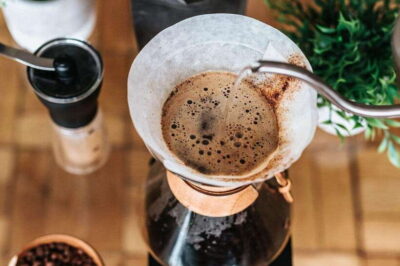
This is your baseline. The traditional black coffee teaches you what the coffee itself tastes like when it’s brewed through the phin method—no sweet masking, just the flavor of the coffee concentrated by the slow drip.
You’ll learn how to handle the filter and how the brew process changes the final cup. Expect strong, direct coffee flavor. If you’re used to American-style drip coffee, this can feel intense at first.
Tip: take smaller sips than you think you need. One cup can turn into three when you get curious.
A few more Hoi An trips worth weighing before you book:



2) Vietnamese Happy White Coffee
Next comes a sweeter, cream-leaning style. Happy white coffee is a crowd-pleaser because it’s smoother than plain black coffee, with a milky feel that still keeps the coffee character.
This step helps you understand the Vietnamese habit of balancing strong coffee with dairy and sweet elements. You’ll notice how the sweetness and cream texture tame the bite without making the coffee disappear.
3) Hue Imperial Salt Coffee
Hue salt coffee is a regional twist and a great example of how Vietnamese coffee isn’t one-note. The idea is simple: salt can sharpen and round flavors, making the cup feel more complex and less flat.
When you make this one, pay attention to how sweetness and salt interact. It’s less about salty-forward flavor and more about depth.
4) Hoi An Fresh Coconut Coffee
If you love tropical flavors, this is the one people often talk about afterward. Coconut brings aroma and a lighter mouthfeel, and it pairs well with the coffee’s strength.
In Hoi An, coconut flavors feel local rather than “touristy.” If you want a souvenir in flavor form, this is it.
5) Ha Noi Capital Egg Coffee
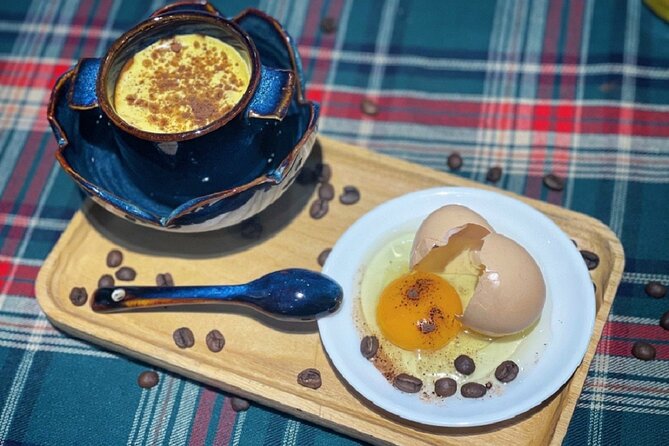
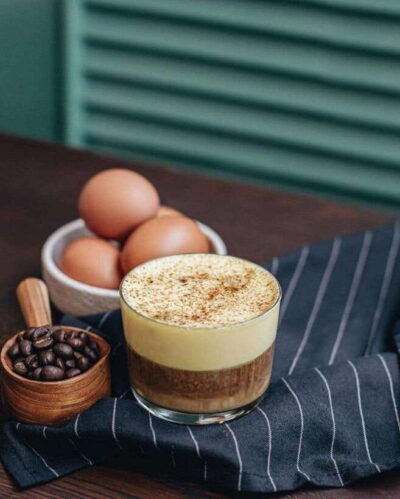
Egg coffee is the famous finale for a reason: it’s rich, egg-foamy, and dessert-like even though it’s still coffee at the base. You’re not just tasting something rare—you’re learning how this style gets its creamy texture.
This is the cup that makes non-coffee drinkers pause and say, wait, this is coffee?
You’ll also get a clearer sense of why Vietnamese coffee culture has room for both daily caffeine and indulgent treats. Egg coffee sits right in that overlap.
How the Class Teaches Vietnamese Coffee Culture (Not Just Recipes)
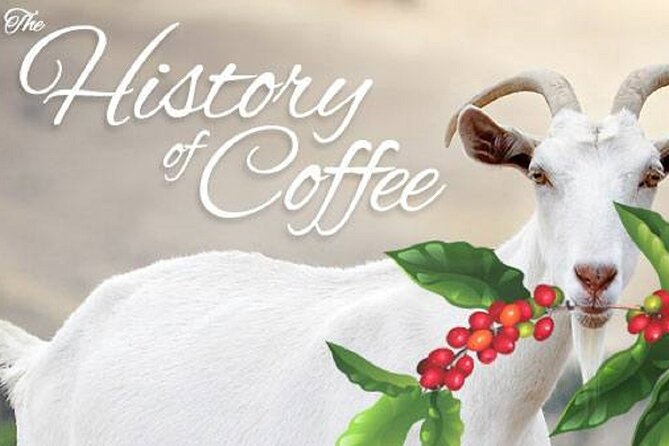
The session isn’t only about brewing. You also hear the background of how Vietnamese coffee became what it is today—especially the influence of French colonization. That context helps explain why coffee culture in Vietnam can feel familiar in one way, yet totally different in the practical details.
You’ll also learn the broader point: Vietnamese coffee culture is tied to how people live and gather. Coffee isn’t just a drink you rush. It’s something you share, sip slowly, and compare—kind of like a local ritual.
I like that your instructor doesn’t treat Vietnamese coffee as exotic. Instead, it’s presented as a craft with recognizable steps, tools, and variations by region and ingredient.
And in the reviews I’ve read, English instruction and clear guidance show up a lot. The teaching style tends to be patient and interactive, which matters when you’re learning a brewing method that’s unfamiliar at first.
What Happens During Those Two Hours (So You Know What to Expect)
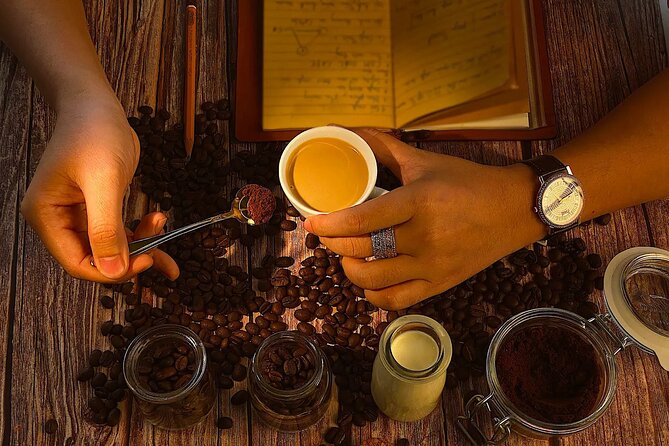
Even though there’s one main experience, it plays out like a guided tasting circuit. You’ll move through each coffee style, using the tools provided and following step-by-step instruction.
Here’s the practical flow you can expect:
- You start with the equipment setup and an intro to the phin method.
- Then you brew the black coffee first, so you have a reference point.
- As you go, you work on new variations (milk/sweet styles, then the salt coffee, then coconut, then egg coffee).
- Each round includes time to taste, compare, and adjust your understanding of what you’re feeling in the cup.
The class is described as well paced, with humor and lots of banter. For me, that matters because Vietnamese coffee is strong and you need time to process flavors. If you rushed through it, you’d miss what makes each style distinct.
One caution from the overall vibe: coffee is powerful here. If you’re sensitive to caffeine, sip slowly and don’t assume you’ll want multiple cups right away.
Meet the Instructors and the Family-Run Feel

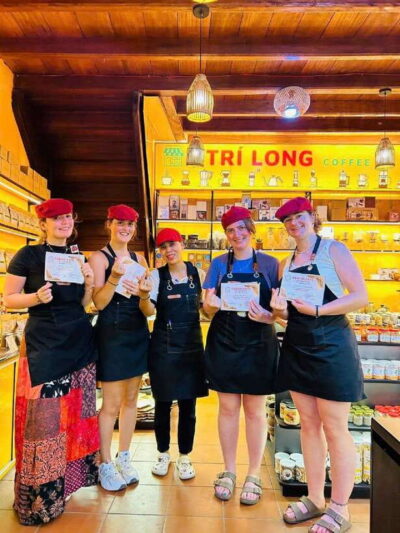
This workshop is family-run, and that shows in the atmosphere. People often mention the hosts are funny and friendly, and that they inject humor while still explaining what you’re doing.
In particular, names like Linh show up in feedback as someone warm, communicative, and quick to make you comfortable. That’s the type of host that helps you relax when you’re the one pouring the coffee for the first time.
The best part is that you’re not just watching. You’re participating, and the instructors keep things moving without leaving you behind.
That said, there’s one note worth respecting: the humor style can be a bit blunt for some people. If you’re very sensitive to jokes, you might want to mentally prepare for a playful approach.
What You Take Home: Filter, Tools, and Recipes
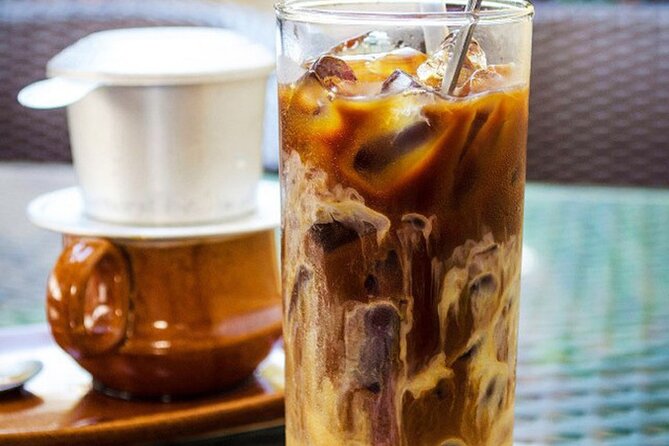
This is where the class turns into a lasting value, not just an afternoon.
You get a Vietnamese phin filter to take home. For many people, that’s the difference between tasting Vietnamese coffee on vacation and actually repeating it later.
You also receive recipes so you can recreate the cups at home. That detail makes the class more useful, because Vietnamese coffee technique can’t be fully explained by taste alone—you need the method and the proportions.
And if you like what you brew, you might find the hosts also offer coffee beans for purchase. It’s not required for the class, but it’s a natural add-on if you want to keep the flavor profile consistent after you leave.
Practical Logistics: Location, Timing, and Getting There
The meeting point is at 10C Bà Triệu, Phường Cẩm Phổ, Hội An, Quảng Nam, and the activity ends back at the same meeting point. There’s no hotel pick-up or drop-off, so plan your own walk, taxi, or local ride to get there.
The class is near public transportation, which helps. And with a mobile ticket, you’re not stuck printing anything.
Time-wise, it’s about 2 hours. That fits well in a daytime slot, especially if you’re touring around Hoi An and want something indoor-ish but interactive.
One more practical point: the experience depends on good weather. If conditions aren’t right, you’ll be offered a different date or a refund.
Who This Class Is Best For (and Who Might Skip)
I think this is a strong choice if you’re any of these:
- You drink coffee and want to understand how Vietnamese brewing changes flavor
- You want a hands-on activity in Hoi An that isn’t just looking at things
- You like trying multiple variations of one theme (five cups is ideal)
- You’re traveling with friends or a partner and want a fun shared challenge
It’s also good for solo travelers because the workshop format makes it easy to talk. Small groups and lots of participation help you avoid feeling like you’re alone with a script.
I’d hesitate if:
- You hate strong coffee or caffeine (the class includes multiple cups, and they’re not subtle)
- You prefer quiet, non-humorous instruction
- You’re short on time and want something faster than 2 hours
Should You Book This Vietnamese Coffee Making Class in Hoi An?
If you want one “learn something real, taste something real” experience in Hoi An, I’d book it. The value is clear: multiple coffee styles in one session, plus you leave with the phin filter and the recipes. That means you’re not just buying entertainment—you’re buying a skill you can repeat.
Do it especially if egg coffee, coconut coffee, or salt coffee sound interesting. Those aren’t just flavors here; they’re teaching you how Vietnamese coffee culture builds variety with the same core ingredient.
Just go in with two expectations: the coffee is strong, and the hosts use humor. If you can handle both, you’ll likely walk away feeling like you understand Vietnamese coffee a lot better than you did that morning.
FAQ
How long is the Vietnamese culture and coffee making class?
It’s about 2 hours.
What coffees will I make during the class?
You’ll make: traditional black coffee using a Vietnamese phin filter, Vietnamese happy white coffee, Hue imperial salt coffee, Hoi An fresh coconut coffee, and Ha Noi capital egg coffee.
Is a filter included that I can take home?
Yes. You’ll bring home a Vietnamese filter (phin).
What’s included in the price?
The class includes coffee making tools, an English-speaking instructor/guide, and the take-home phin filter.
Do I get hotel pick-up and drop-off?
No. Hotel pick-up and drop-off are not included, and the experience meets at 10C Bà Triệu in Hoi An.
What group size should I expect?
This experience has a maximum of 10 travelers.
More Coffee Experiences in Hoi An
- Hoi An: Vietnamese Coffee Culture and Coffee Making Class
★ 4.9 · 4,006 reviews - Early Morning My Son Sanctuary Trip w. Champa Food & Coffee
★ 5.0 · 629 reviews - Hoi An: My Son Early Morning with Banh My and Coffee 6 am
★ 4.7 · 205 reviews - Hoi An: Vietnamese Coffee Making Workshop at Local Roastery
★ 4.8 · 174 reviews - Hoi An: Lantern and Coffee Making Class
★ 5.0 · 154 reviews - My Son Sanctuary Early Morning Tour 6 am w Banh my and Coffee
★ 5.0 · 142 reviews
More Tour Reviews in Hoi An
- Hoi An: Basket Boat Ride in the Coconut Forest
★ 4.9 · 4,956 reviews - Hoi An: Vietnamese Coffee Culture and Coffee Making Class
★ 4.9 · 4,006 reviews - Hoi An: Vietnamese Foldable Lantern Making Class
★ 4.9 · 3,742 reviews - Cooking Class Hoi An:Local Market, Basket Boat, Fishing & Cooking
★ 5.0 · 3,660 reviews - Hoi An Cooking Class(Market,BasketBoat Crabfishing&Cooking Class)
★ 5.0 · 3,386 reviews - Hoi An: My Son Sanctuary Early Morning w. Champa Food Brunch
★ 4.9 · 2,750 reviews
Hoi An by the Cup
- Hoi An: Vietnamese Coffee Culture and Coffee Making Class
★ 4.9 · 4,006 reviews - Early Morning My Son Sanctuary Trip w. Champa Food & Coffee
★ 5.0 · 629 reviews - Hoi An: My Son Early Morning with Banh My and Coffee 6 am
★ 4.7 · 205 reviews - Hoi An: Vietnamese Coffee Making Workshop at Local Roastery
★ 4.8 · 174 reviews - Hoi An: Lantern and Coffee Making Class
★ 5.0 · 154 reviews - My Son Sanctuary Early Morning Tour 6 am w Banh my and Coffee
★ 5.0 · 142 reviews
Just Reviewed: Fresh Hoi An Trips
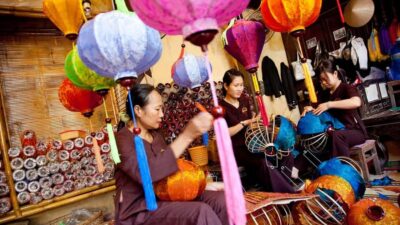


Vietnamese Coffee Experiences, compared.
 ★ 4.9Vietnamese Coffee Culture and Coffee Making ClassFrom $144,006 reviews
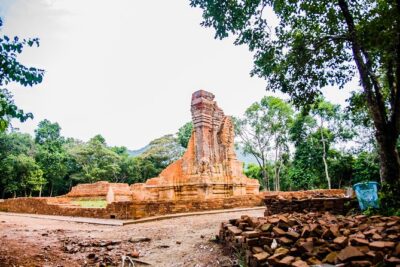 ★ 5.0Early Morning My Son Sanctuary Trip w. Champa Food & CoffeeFrom $21629 reviews
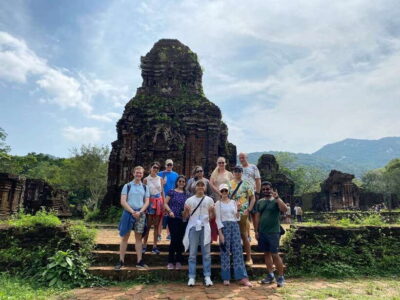 ★ 4.7My Son Early Morning with Banh My and Coffee 6 amFrom $18205 reviews
 ★ 4.8Vietnamese Coffee Making Workshop at Local RoasteryFrom $16174 reviews
 ★ 5.0Lantern and Coffee Making ClassFrom $24154 reviews
 ★ 5.0My Son Sanctuary Early Morning Tour 6 am w Banh my and CoffeeFrom $21142 reviews
 ★ 4.8Hands-on Vietnamese Coffee Making Class with LongFrom $1566 reviews
 ★ 5.0Unique Lantern and Coffee Making Class in Hoi AnFrom $2955 reviews
Browse the lists this tour appears in