
Reviewed · TRADITIONAL CRAFT VILLAGES
Farming with Farmers at ancient vegetable Village “Tra Que”
Farming here smells like lunch. In Tra Que Vegetable Village, you cycle through rice fields, meet a family farm, and learn how local herbs are grown and turned into a real meal. I particularly like the quiet, green, fragrant feeling once you’re off the road and inside the village. I also like the hands-on farming, from seaweed-fed soil prep to picking herbs for your lunch.
A fair warning: this is not just a photo stop. You’ll get active in the fields, and you should be ready for a bit of hands-on work and possible dirt or wet grass. If you prefer to watch only, you’ll still enjoy it, but your body may not be thrilled.
At the end, you’re rewarded with traditional food prepared with the chef and family who run the Tra Que Water Wheels restaurant, plus a couple of classic country-moment activities. You cycle back toward Hoi An with new farming skills in your head and a camera full of countryside scenes.
In This Review
- Key things I’d put first about Tra Que Farming With Farmers
- Why Tra Que Vegetable Village Feels Like a Day in the Working Countryside
- Hoi An Pickup and the Rice-Field Bike Ride to Tra Que
- The 300-Year-Old Herb Village and the “No Vehicle Noise” Advantage
- Farming With the Farmers: Seaweed Fertilizer, Traditional Tools, and Work You Can Do
- The Tra Que Water Buffalo Ride and Basket Boat Between Coconut Palms
- Lunch at Tra Que: Cooking the Local Menu With the Chef
- Price and Value: Is $41 Fair for a Farm-to-Table Day?
- Who This Tour Suits Best (and Who Should Think Twice)
- Should You Book Farming With Farmers at Tra Que?
- FAQ
- Where am I picked up for the Tra Que farming experience?
- How do I get to Tra Que after pickup?
- What’s included in the experience?
- Do I get to do the farming tasks myself?
- Can I ride a water buffalo and row a basket boat?
- Is lunch included, and can they accommodate allergies?
- Is there an English-speaking guide?
- Do I have to pay immediately to reserve?
- If I choose pickup by car, is the return covered?
Key things I’d put first about Tra Que Farming With Farmers
- A real countryside start with a countryside pickup and a bike ride through rice fields (about 20 minutes to get there)
- A heritage herb village that grows 30+ types of herbs using manual methods on a saved heritage site
- Hands-on farming steps like raking, sowing, watering, and harvesting herbs for your own lunch
- Water buffalo time plus a basket boat row between coconut palms for that classic Tra Que feeling
- Lunch cooked with guidance, with care for allergies and food preferences
Why Tra Que Vegetable Village Feels Like a Day in the Working Countryside
Tra Que isn’t built for crowds. Once you’re there, it’s quiet in a way that makes you notice smells and sounds again: soil, herbs, water, and birds, not engines. It’s also an older place than most farm tours you’ll see, with the village described as over 300 years old.
What makes it interesting is the focus. You’re not just touring a garden; you’re learning how herbs and vegetables fit into daily life in central Vietnam. The goal is a full farm-to-meal experience, so the farming and the food feel connected instead of separate.
You’ll also hear about spices and traditional ingredients used in everyday meals. That matters because it helps you understand why certain herbs show up in local dishes, and why the same plant can taste totally different when it’s fresh and harvested by the people who grow it.
Potters and carvers in the riverside villages
- Hoi An Countryside Biking Tour(Vegetable village -basket boat – fishing village)★ 5.0 · 216 reviews
- Hoi An: Tra Que Herb Village Cooking Class★ 4.5 · 102 reviews
- Hoi An Local Market and Vegetable Village Cooking Class★ 5.0 · 93 reviews
- Hoi An: Thanh Ha Village Tour with Pottery Making and Gift★ 4.8 · 78 reviews
Hoi An Pickup and the Rice-Field Bike Ride to Tra Que
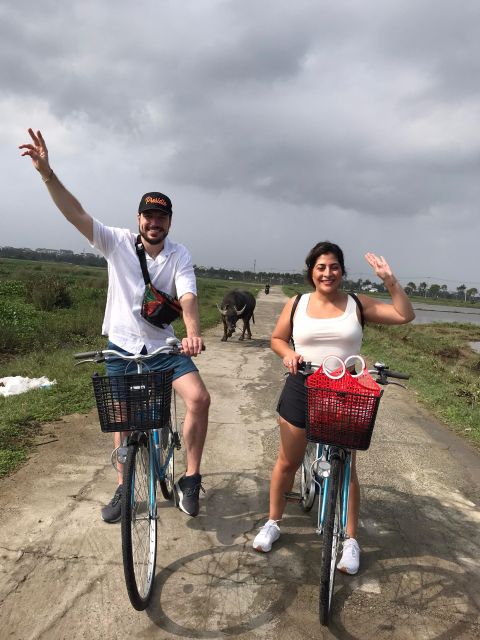
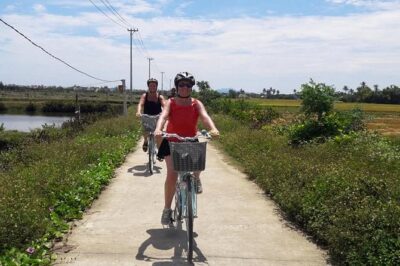
Your day starts with pickup from your hotel. You can choose a bike, motorbike, or car, and you’ll meet an English-speaking guide who keeps things moving. After pickup, you cycle for about 20 minutes through rice fields, which is a great warm-up before the farm work.
This ride is one of the better parts because it changes your pace fast. In a short time, you leave busy streets behind and switch to countryside rhythm: flat paths, open fields, and animals that are part of the scenery—cows, ducks, and buffalo. You’ll also get some of the best photos early, before the day turns into kneading soil and cooking.
If you pick the car option, note the small logistical detail: the private taxi back to town is on you. It’s not a deal-breaker, but it affects the total cost and how seamless the day feels once you’re finished.
The 300-Year-Old Herb Village and the “No Vehicle Noise” Advantage
Tra Que is described as a heritage vegetable village where the government has saved it as cultural heritage. On the grounds, you explore the herb and vegetable garden and learn how they manage the land. The village grows more than 30 types of herbs using manual methods, which is exactly why this feels different from most tourist farms.
One thing you’ll notice quickly is the setting. The experience is designed so you feel like you’re in a dream—peaceful, quiet, green, and fragrant—without the noise of vehicles and machinery. That matters because it changes how you interpret everything else you do later.
Also, the village sits on fertile land near a river, and that’s not just geography trivia. It’s part of why this area can grow so many herbs and vegetables reliably, and why the farming style has stayed rooted in tradition.
As you walk around, pay attention to what’s growing and how it’s organized. Even if you don’t memorize plant names, seeing 30+ herbs in one place helps you understand how local cooking uses variety, not just a single “main herb.”
Farming With the Farmers: Seaweed Fertilizer, Traditional Tools, and Work You Can Do
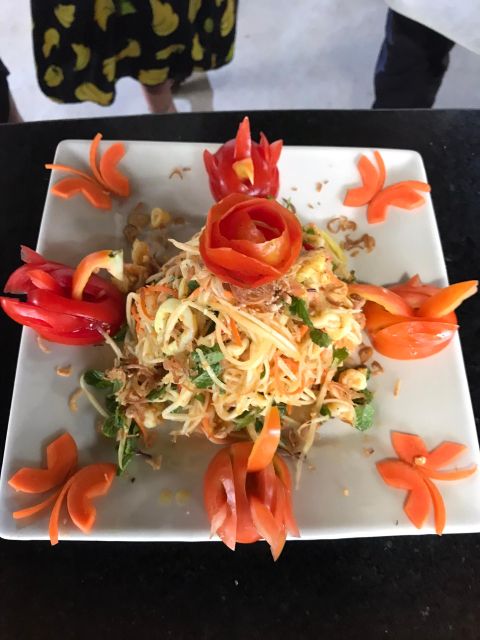
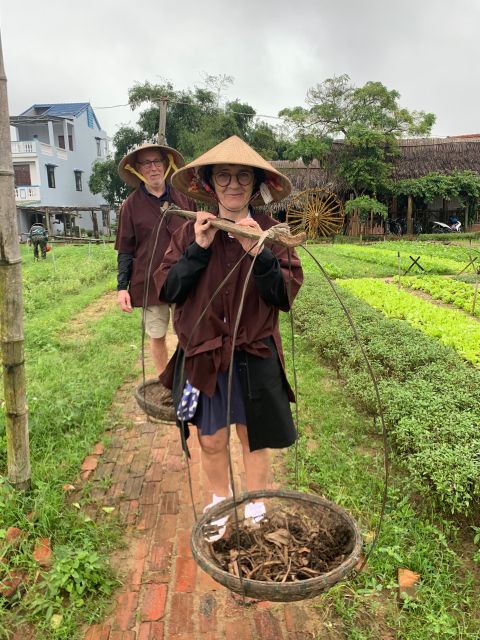
This is the heart of the day: eco-tour plus farming with farmers. The focus is on traditional methods, and you’ll learn the practical steps farmers take to grow herbs and vegetables. You start with land prep and fertilizing, including using seaweed from a nearby lake.
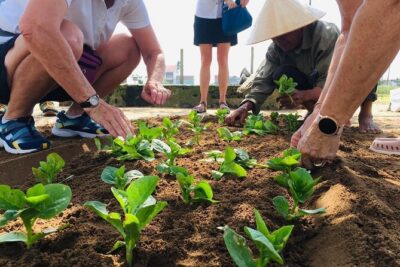
Then you get into the manual tasks. You’ll learn how to rake the ground using traditional tools, sow new seeds, water young plants, and pick herbs for lunch. The tour is structured so you’re not just listening; you’re doing tasks that match what farmers do every day.
Why this part is valuable: it turns your understanding from abstract to concrete. Instead of thinking herbs magically appear at a market, you see the chain of small steps that creates the final flavor. It also explains why freshness matters so much in this cuisine.
Another practical tip: wear clothes you can get dirty. You’re working in farming spaces, not a showroom, and even if the area is kept neat, the work itself is hands-on. Comfortable shoes help too, since you may be moving over uneven ground.
Ankle-deep in the paddies with the buffalo


The Tra Que Water Buffalo Ride and Basket Boat Between Coconut Palms
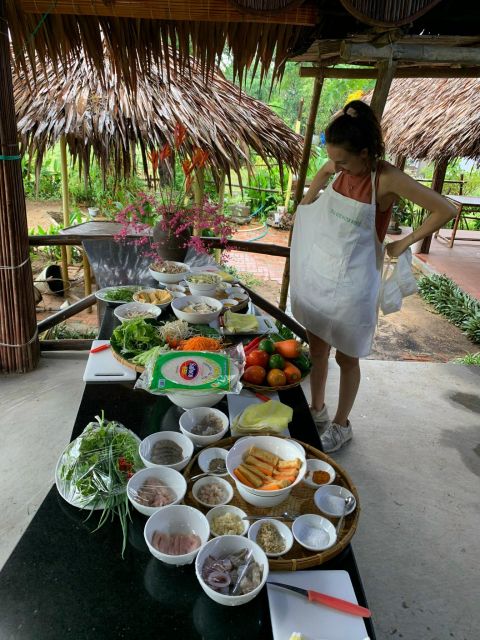
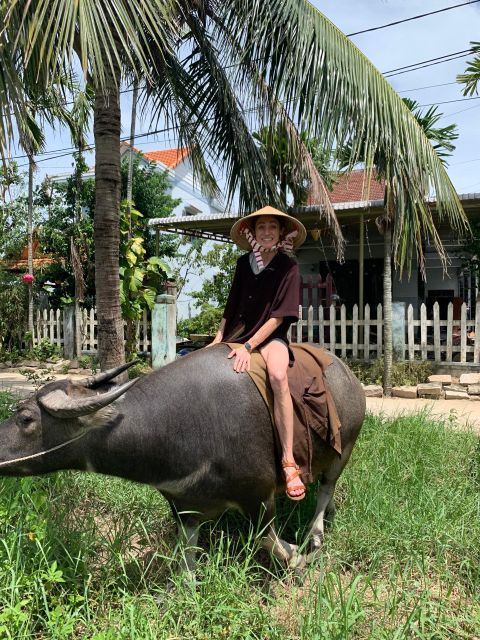
After the herb work, the day shifts into action with two classic Tra Que experiences: riding a water buffalo and rowing a basket boat. The water buffalo ride is described as local and beautiful, and it’s one of those moments that feels like stepping into real local life rather than watching a staged show.
The basket boat part is equally memorable. You row a basket boat between coconut palm trees, which gives the experience that slow, close-to-nature feeling. It’s a different kind of movement than cycling, and it’s also a visual change: more water, more palms, more soft countryside reflections.
This segment is also a good energy reset. After soil and tools, you switch from farming tasks to countryside floating and riding. Even if you’re not an animal person, it’s worth approaching it with calm curiosity, since it’s part of how life here ties land and water together.
Lunch at Tra Que: Cooking the Local Menu With the Chef
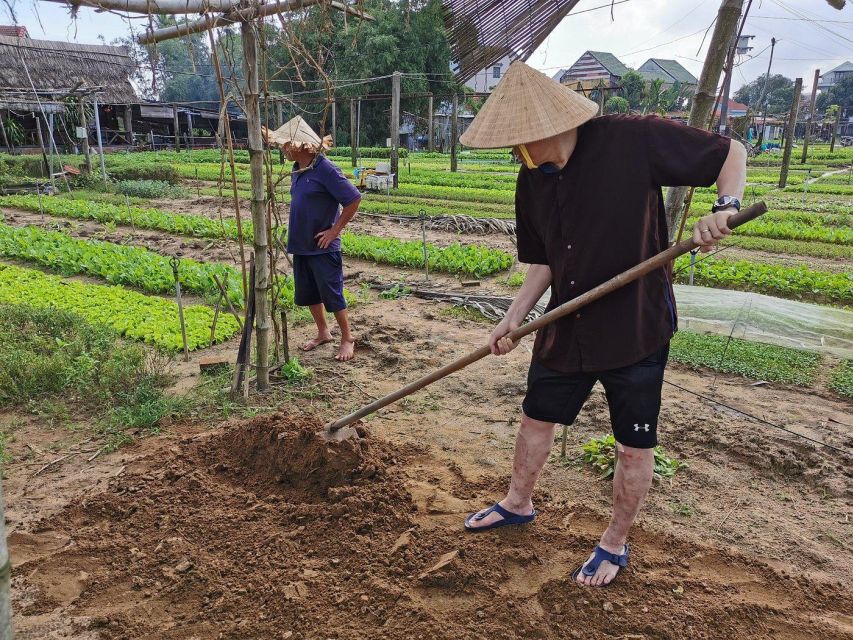
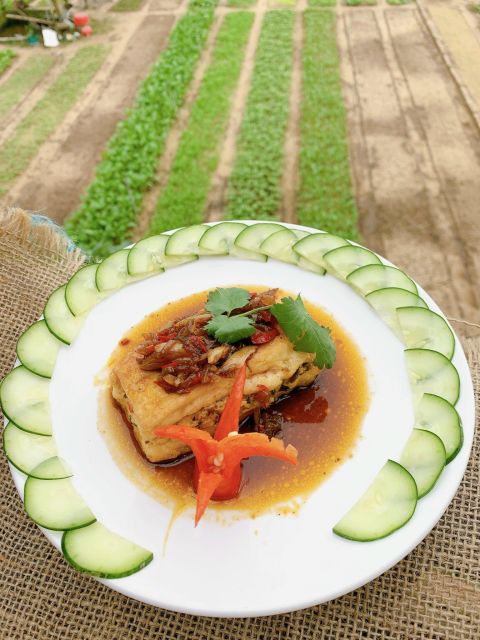
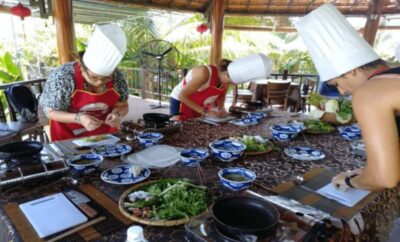
By this point, you’ll be hungry in the best way. You follow the local chef and family member from the Tra Que Water Wheels restaurant, and you cook as part of the lunch menu. That’s a big part of the value: you learn what goes in, when it goes in, and how herbs and ingredients shape the final dish.
The food here is described as authentic local cuisine, and it’s built around the herb village story you just lived. You’ll also have an opportunity to learn about local cuisine while cooking yourself, not just eating someone else’s version of it.
A real highlight: they care about wishes and allergies. One example from the experience notes includes an extra dish made without coriander for a guest who needed that adjustment. It’s a comfort if you’re picky or have a sensitive spot in your diet, because it suggests they actually plan for changes.
Try to taste as you cook, not only at the end. When you connect the flavor to the herb you helped harvest, the meal becomes a lesson you can repeat at home with confidence.
Price and Value: Is $41 Fair for a Farm-to-Table Day?
The price is listed at $41 per person, and the main question is what that includes. Here, you’re paying for more than a guide. You’re getting hotel pickup, an English-speaking guide, a welcome drink, an eco-tour through the herb village, farming activities with farmers, and lunch on a local menu.
In practical terms, you’re paying for several things that are usually charged separately in Vietnam. You get the cycling transfer through rice fields, the heritage herb garden access, hands-on farming, the water buffalo and basket boat moments, and then a guided cooking lunch. That mix is why the day feels full, not stretched thin.
One consideration: lunch is included, but you should still treat the day as active. If you don’t want to be in the field at all, you might feel you’re paying for participation that isn’t your style. If you’re okay getting hands-on, it’s a solid deal for a genuinely local experience with animals and real food tied to real farming.
Who This Tour Suits Best (and Who Should Think Twice)
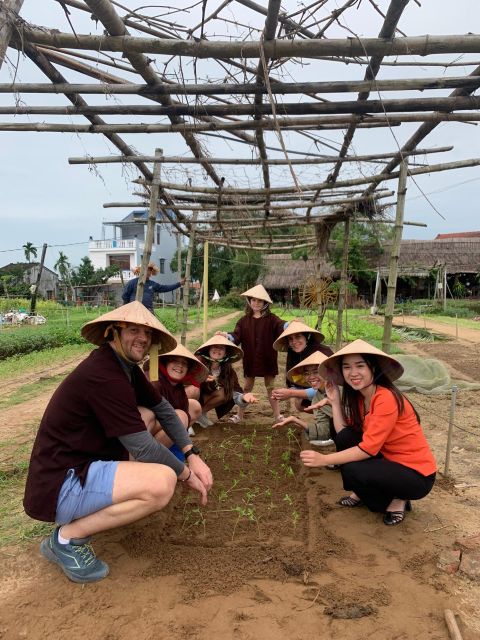
This experience is best for you if you like practical learning. You want to do the work, not just watch it, and you enjoy food experiences where the ingredients actually match the story. If you’re traveling as a couple, it’s also easy to pair sightseeing with real activity without needing a high fitness level.
It’s especially good if you want an alternative to standard Hoi An sightseeing. The day takes you out of the more crowded atmosphere and into a heritage vegetable village with manual methods and calm, green space.
You might think twice if you strongly dislike animals or you want a totally hands-off tour. The water buffalo and the hands-on farming tasks are part of the core experience. With a little planning—good shoes and clothes you can get dirty—you’ll be fine, but it’s not a passive stroll.
Should You Book Farming With Farmers at Tra Que?
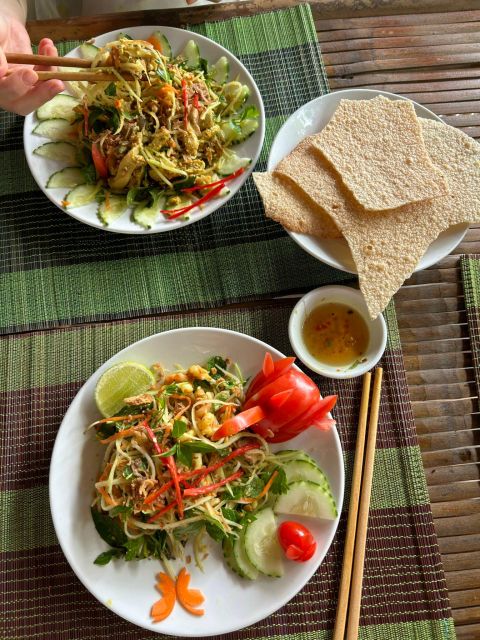
If you’re choosing between another activity in Hoi An and this Tra Que day, I’d lean toward it when you want something grounded. The best reason to book is the connection: you farm herbs, then you cook and eat them. That kind of farm-to-meal continuity is rare, and it makes your lunch feel like a payoff, not a random restaurant meal.
Book it if you like quiet countryside scenes, you’re curious about traditional farming methods, and you don’t mind getting active. Skip it if you’re looking only for easy viewing or you want to avoid hands-on work and animal experiences.
If you do book, go in hungry for learning and take your time during the herb village walk. The less you rush, the more you’ll notice how the village runs on manual care, patient growing, and food that tastes like it was built from the ground up.
FAQ
Where am I picked up for the Tra Que farming experience?
Pickup is from your hotel. You can choose to be picked up by bicycle, motorbike, or car, and an English-speaking guide meets you.
How do I get to Tra Que after pickup?
After pickup, you cycle for about 20 minutes through rice fields to reach Tra Que.
What’s included in the experience?
It includes an English-speaking guide, hotel pickup and drop-off, a welcome drink, an eco-tour through the heritage Tra Que herb village, farming with the farmers, and a lunch menu.
Do I get to do the farming tasks myself?
Yes. You’ll join farming activities such as preparing and fertilizing the land, raking with traditional tools, sowing seeds, watering young plants, and picking herbs for your lunch.
Can I ride a water buffalo and row a basket boat?
Yes. The experience includes a water buffalo ride and rowing a basket boat between coconut palm trees.
Is lunch included, and can they accommodate allergies?
Lunch is included, and you cook following the local chef. They care about wishes and allergies, so let them know your needs.
Is there an English-speaking guide?
Yes, the guide is English speaking.
Do I have to pay immediately to reserve?
The experience offers reserve & pay later, so you can book and pay nothing today.
If I choose pickup by car, is the return covered?
The information says that if you choose to be picked up by car, you will take a private taxi back to town.
More Tour Reviews in Hoi An
- Hoi An: Basket Boat Ride in the Coconut Forest
★ 4.9 · 4,956 reviews - Hoi An: Vietnamese Coffee Culture and Coffee Making Class
★ 4.9 · 4,006 reviews - Hoi An: Vietnamese Foldable Lantern Making Class
★ 4.9 · 3,742 reviews - Cooking Class Hoi An:Local Market, Basket Boat, Fishing & Cooking
★ 5.0 · 3,660 reviews - Hoi An Cooking Class(Market,BasketBoat Crabfishing&Cooking Class)
★ 5.0 · 3,386 reviews - Hoi An: My Son Sanctuary Early Morning w. Champa Food Brunch
★ 4.9 · 2,750 reviews
A Day in the Rice Fields
- Funny day cycling, Buffalo riding and Basket boat
★ 4.9 · 141 reviews - BUFFALO RIDING -BASKET BOAT & BIKE TOUR-HOI AN
★ 4.7 · 124 reviews - Hoi An countryside cycling Tour,Basket Boat-organic farming-lunch
★ 5.0 · 85 reviews - Farming & Cooking Class in Hoi An – Small Group Tour
★ 5.0 · 71 reviews - Cooking Class Hoi An – Organic Garden – Farming Tour-Handicrafts
★ 5.0 · 56 reviews - Hoi An Farming And Fishing Life
★ 5.0 · 45 reviews
Potters, Carvers and Silk Villages
- Hoi An Countryside Biking Tour(Vegetable village -basket boat – fishing village)
★ 5.0 · 216 reviews - Hoi An: Tra Que Herb Village Cooking Class
★ 4.5 · 102 reviews - Hoi An: Wood Carving Class with Village Master Artisan
★ 4.9 · 93 reviews - Hoi An Local Market and Vegetable Village Cooking Class
★ 5.0 · 93 reviews - Hoi An: Thanh Ha Village Tour with Pottery Making and Gift
★ 4.8 · 78 reviews - Discover Traditional Silk Process in Hoi An Silk Village
★ 4.4 · 60 reviews
Just Reviewed: Fresh Hoi An Trips



Traditional Craft Villages, compared.
 ★ 5.0basket boat – fishing village)From $45216 reviews
 ★ 4.5Tra Que Herb Village Cooking ClassFrom $28102 reviews
 ★ 4.9Wood Carving Class with Village Master ArtisanFrom $3193 reviews
 ★ 5.0Hoi An Local Market and Vegetable Village Cooking ClassFrom $2993 reviews
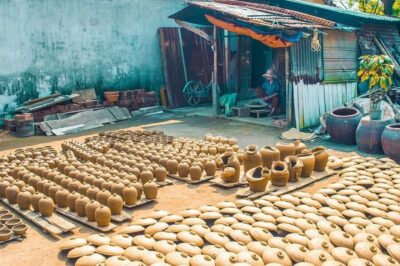 ★ 4.8Thanh Ha Village Tour with Pottery Making and GiftFrom $2378 reviews
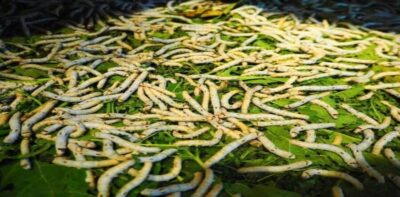 ★ 4.4Discover Traditional Silk Process in Hoi An Silk VillageFrom $1160 reviews
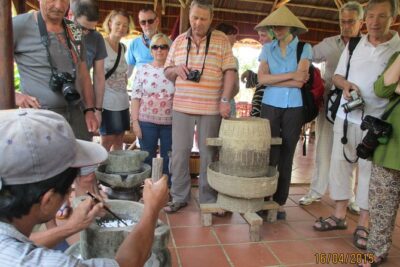 ★ 5.0Hoi An countryside biking – Basket Boat – Vegetable village – Local home CookingFrom $5837 reviews
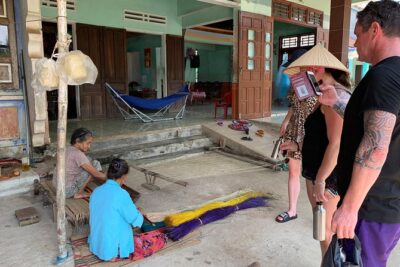 ★ 5.0Cocopalm Forest To A Craft VillageFrom $3231 reviews
Browse the lists this tour appears in