
Reviewed · HOI AN COOKING CLASSES
Farming & Cooking Class in Hoi An – Small Group Tour
If you like food with a backstory, this one delivers. You start at a local market, get your hands dirty at Tra Que, and end with a hands-on cooking class where you actually eat what you make. I love how active it is, not just watching from the sidelines.
Two things I especially liked: the market ingredient hunt with an English-speaking guide and chef (names you may hear, like Min), and the chance to do real farm tasks before the cooking. One consideration: the schedule is compact—about 5 hours—so if you want a slow, mostly-relaxing day, this may feel a bit full.
In This Review
- Key Highlights Worth Your Time
- From Hotel Pickup to Tra Que: How the Day Actually Runs
- Market Shopping in Hoi An: Choosing Ingredients Before You Cook
- Cycling Through Rice Fields to Tra Que Organic Vegetable Village
- Tra Que Farming Work: Hoeing, Transplanting, Watering, and Seaweed
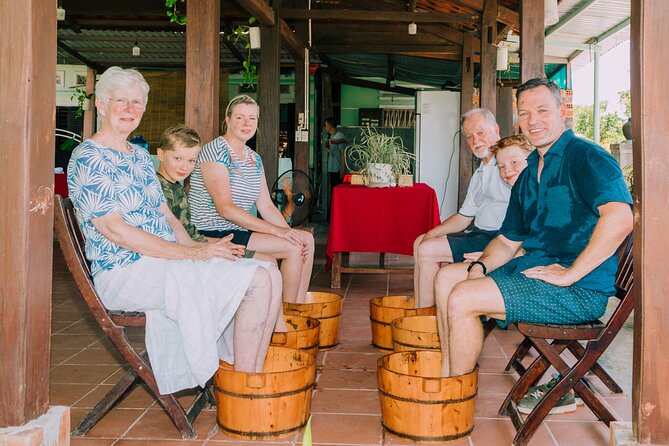
- The Herbal Foot Massage Break: A Real Pause Before Cooking
- Cooking Class Techniques: Papaya Salad, Banh Xeo, Spring Rolls, Clay-Pot Fish
- Green papaya salad: flavor balance you can taste
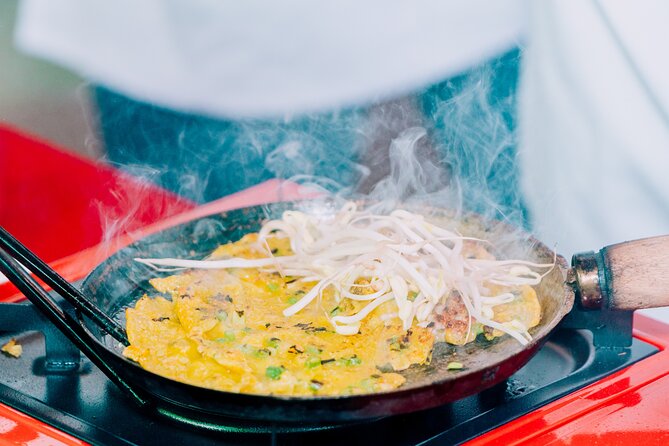
- Banh xeo: learning the pancake method (not just the recipe)
- Spring rolls: rolling with confidence
- Fish in clay pot: cooking style and texture
- What You Eat After Cooking (And Why Lunch Tastes Better Here)
- Value Check: Is This $38 Experience Actually a Good Deal?
- Vegetarian and Special Diets: What You Can Request
- Who This Tour Fits Best (And Who Might Want Something Else)
- Should You Book This Farming & Cooking Class?
- FAQ
- How long is the Farming & Cooking Class in Hoi An?
- Does the tour include pickup from my hotel?
- How many people are in the group?
- What do I cook during the class?
- Is lunch included?
- Do you offer vegetarian or special diet options?
- Is the foot massage included, and what is it?
- What’s included in the price?
- What’s the cancellation policy if weather affects the tour?
- Can the tour be canceled if there aren’t enough participants?
Key Highlights Worth Your Time
- Market to meal flow: you buy ingredients first, then cook them
- Tra Que farm work: hoeing, transplanting, watering, and even collecting seaweed
- Traditional foot massage: herbal treatment before you start cooking
- Hands-on cooking: papaya salad, spring rolls, banh xeo, and fish in clay pot
- Small group cap (15 max): more attention, fewer people to wait on
From Hotel Pickup to Tra Que: How the Day Actually Runs
This is a half-day experience built like a mini journey. It starts with pickup from your hotel and a driver bringing you into the Hoi An countryside. Then the day moves in a steady line: market → bike and village roads → Tra Que vegetable village → farm tasks → massage break → cooking class → lunch and back to your hotel.
The whole thing runs about 5 hours, with a cooking portion that lasts roughly 2 hours. You can usually choose a morning or afternoon slot, which helps if you’re balancing beach time, ancient-town wandering, or laundry days (because yes, that’s a thing).
The group size stays small, up to 15 people, which matters more than you might think. When you’re chopping, mixing, and learning techniques, it’s easier to get quick fixes from the chef and guide.
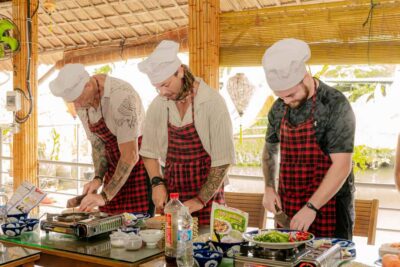
Aprons on for another Hoi An kitchen
- Cooking Class Hoi An:Local Market, Basket Boat, Fishing & Cooking★ 5.0 · 3,660 reviews
- Hoi An Cooking Class(Market,BasketBoat Crabfishing&Cooking Class)★ 5.0 · 3,386 reviews
- From Hoi An: Market Tour, Basket Boat Ride and Cooking Class★ 4.8 · 2,208 reviews
- Hoi An: Basket Boat with Lantern-Making & Cooking Class Tour★ 4.9 · 1,444 reviews
Market Shopping in Hoi An: Choosing Ingredients Before You Cook
You don’t begin in a classroom. You begin with ingredients.
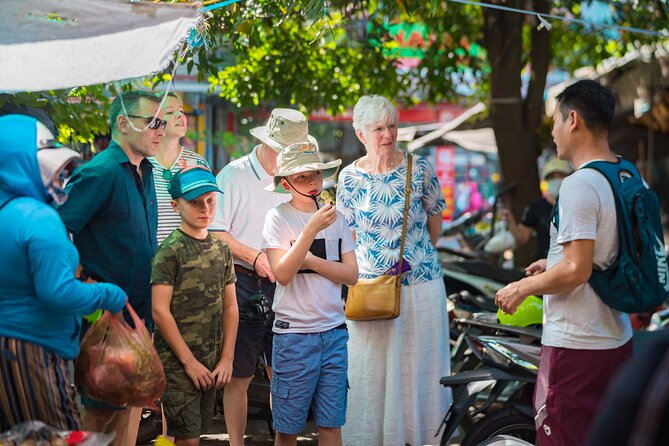
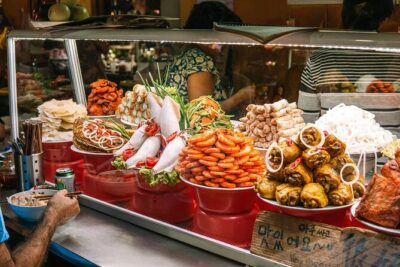
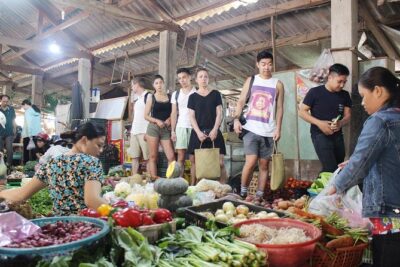
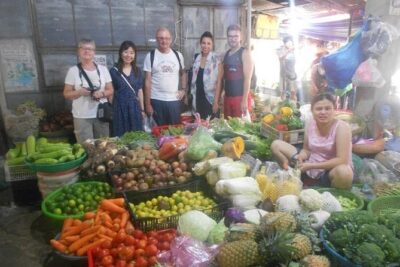
The guide meets you and takes you to a local produce market. This is where the day’s logic clicks. You learn how Vietnamese cooking starts: with fresh herbs, vegetables, and fruit, not vague ideas about flavor. Expect explanations of what you’re buying and why it matters—things like the role of herbs used in Vietnamese dishes, plus how produce is handled and selected.
In the classes hosted by this team, names like Min show up again and again. In practice, that means the market visit tends to be more than a quick photo stop. You get the chance to ask questions and understand the ingredients behind the recipes you’ll cook later.
Practical upside for you: if you’re planning to cook at home, this market grounding helps you translate what you saw in Vietnam into something workable in your own grocery store.
Cycling Through Rice Fields to Tra Que Organic Vegetable Village
After the market, you head out by bike through rice fields and quiet villages. This isn’t about high-speed thrills. It’s about slowing your eyes down and noticing how farm life fits into everyday scenery.
You’ll also do a walk through the vegetable gardens at Tra Que. This matters because you’re about to use herbs and greens in your meal. Seeing the plants where they grow gives you a better sense of what’s tender, what’s strong, and what’s meant for crunch.
One reason this part gets such good energy from people is that it turns the farm from an abstract concept into something real. You’re not arriving to learn “about farming.” You’re arriving to help with it.
Tra Que Farming Work: Hoeing, Transplanting, Watering, and Seaweed
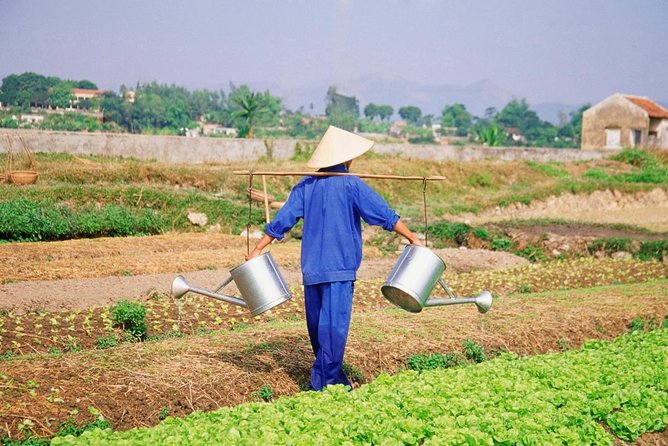
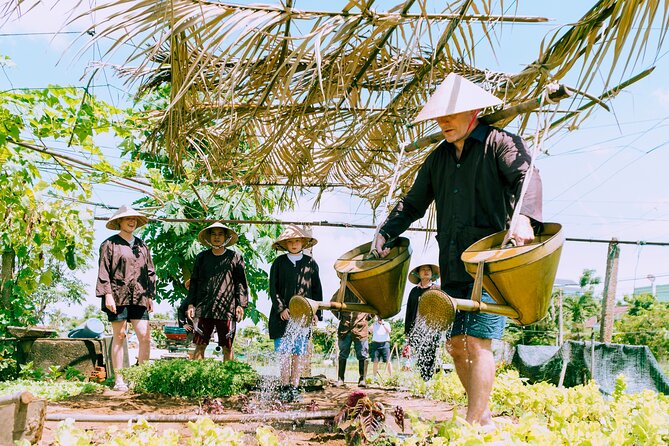
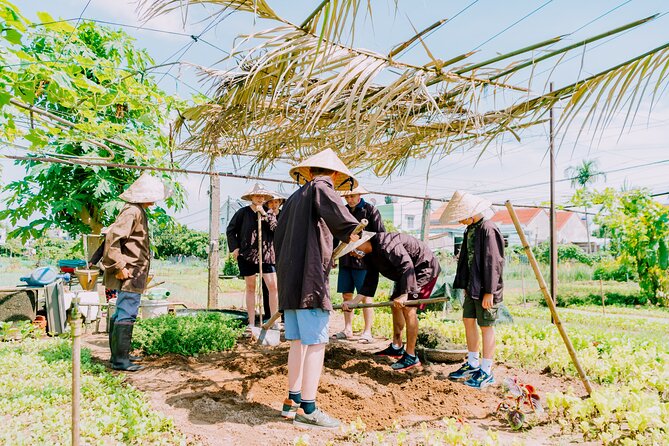
This is the most hands-on section of the experience. You’ll work alongside a local farmer and take part in farming tasks such as:
- hoeing soil
- collecting seaweed
- transplanting
- watering
Yes, some of this involves getting a bit messy. That’s the point. The value here is that you understand basic farming rhythm—how plants are handled and how work on the farm connects to what ends up on the plate.
A big practical win: you learn the “why” behind ingredient choices. When you’ve watered plants or handled greens, you’re more likely to cook with care instead of treating herbs like an afterthought.
Also, you’re not doing all of it alone. The farmer and team guide the process, so you’re participating without feeling lost.
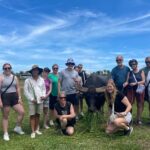
Ankle-deep in the paddies with the buffalo


The Herbal Foot Massage Break: A Real Pause Before Cooking
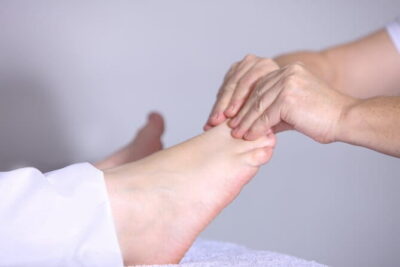
After the farm work, you get a break. Then comes a traditional foot massage using medicinal herbs.
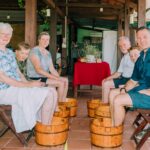
This part is included, and it’s more useful than it sounds. Farm tasks can be tiring—arms, legs, shoulders, the whole deal. The massage helps you reset before you switch gears to cooking technique and heat management.
You’ll also notice the vibe shift here. It’s not “work then collapse.” It’s “work, reset, then learn.” That rhythm helps you pay attention in the kitchen instead of moving on autopilot.
If you like practical cultural experiences, this herbal massage is a good one because it’s integrated into the day’s flow—not tacked on as a quick add-on.
Cooking Class Techniques: Papaya Salad, Banh Xeo, Spring Rolls, Clay-Pot Fish
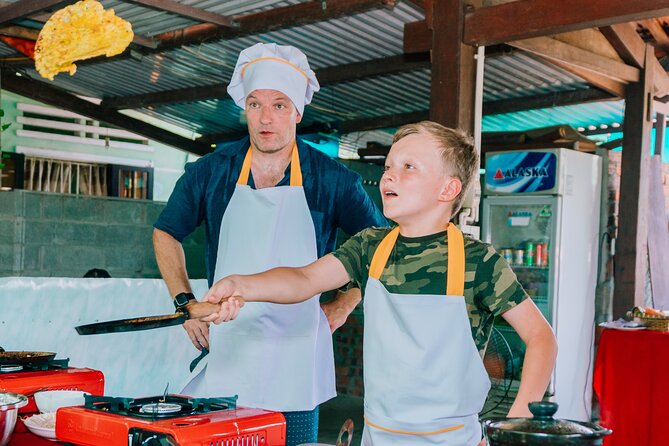
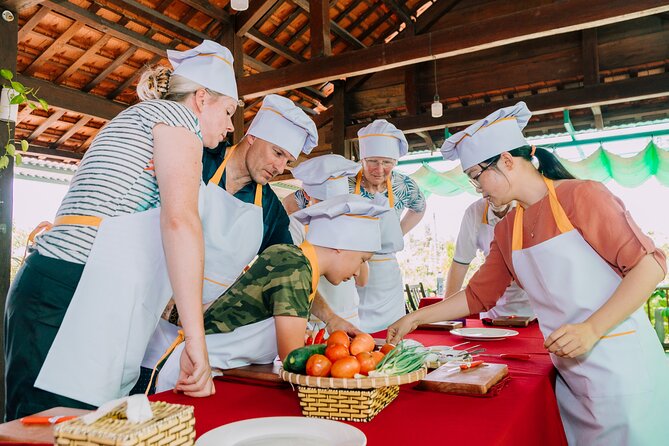
Now you get to the part most people book for. And it’s not just watching a chef do everything.
You’ll cook multiple dishes, with instruction from the chef and guide. The recipes you’ll learn include:
- green papaya salad
- spring rolls
- banh xeo (Vietnamese crispy pancake)
- fish in clay pot
You’ll also have other dishes as part of the class, depending on how the session is run. The key is that the class is built around technique and participation. In other words: you do the chopping, mixing, rolling, and cooking—not just take notes.
Green papaya salad: flavor balance you can taste
This dish rewards practice. You learn how Vietnamese salad flavor is built: sourness, salt, sweetness, crunch, and herb brightness all working together. When you make it yourself, you understand how small adjustments change the final plate.
Banh xeo: learning the pancake method (not just the recipe)
Banh xeo is partly about batter consistency and heat control. It’s the kind of dish where watching once isn’t enough. When you get hands-on, you’ll figure out what works and why the pancake behaves the way it does.
Spring rolls: rolling with confidence
Spring rolls can be tricky if you’ve only ever eaten them. In the class, you learn the process so you understand thickness, filling balance, and how to get a satisfying result.
Fish in clay pot: cooking style and texture
Fish in clay pot is comforting and practical. You learn how the dish is cooked to keep the fish tender while letting flavors develop in the pot.
What You Eat After Cooking (And Why Lunch Tastes Better Here)
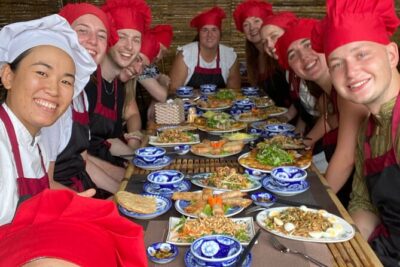
You enjoy the meal you make afterward. That’s included, and it’s one of the easiest parts of the day to appreciate with your senses.
Food cooked from ingredients you selected at the market, herbs you saw growing at Tra Que, and techniques you practiced in the kitchen simply tastes more meaningful. That’s not travel-speak. It’s logic.
Also, the included lunch removes a common hassle. You won’t spend the day hungry between market and class or scramble for food afterward.
Value Check: Is This $38 Experience Actually a Good Deal?
At $38 per person for about 5 hours, this tour is surprisingly packed. Here’s why the price holds up if you care about doing real things, not just sightseeing:
- Pickup and private transportation are included
- an English-speaking guide/local chef is part of the instruction
- you get a market visit and farming activities with a farmer
- you receive an included traditional foot massage
- lunch and a bottle of mineral water are included
- group size is capped at 15, which usually means less waiting
So the cost isn’t only for a cooking class. It’s for a full food-and-farm day. If you only wanted “watch someone cook,” there would be cheaper options. If you want to participate—from market to farm to finished dishes—this is the kind of price that feels fair.
One more reason it’s popular: it’s booked about 21 days in advance on average. If a particular morning or afternoon time matters to your schedule, earlier booking gives you better odds.
Vegetarian and Special Diets: What You Can Request
If you’re vegetarian or have a special diet, you can request it. The tour notes this specifically, so don’t be shy about asking when you book.
The practical question to ask yourself is simple: do you want to participate fully in cooking even if the menu changes? If yes, this is a good fit. If you have strict dietary rules, clarify them during booking so the chef can plan appropriately.
Who This Tour Fits Best (And Who Might Want Something Else)
This experience fits you if:
- you want a hands-on food day in Hoi An
- you like understanding where ingredients come from
- you enjoy learning techniques you can repeat at home
- you don’t mind getting a little muddy during farm work
- you’d like a small group setting (up to 15)
It may not fit you as well if:
- you prefer a slow, mostly seated day
- you dislike activity-heavy tours
- you want a class focused only on cooking, with less time spent on market and farm tasks
The schedule is active, but it’s also structured. That balance is what makes it work.
Should You Book This Farming & Cooking Class?
If you want an authentic Hoi An food experience that actually connects ingredients to the land, I’d book it. The strongest reasons are practical: you shop ingredients first, you do real farm work at Tra Que, you get an included herbal foot massage, and you cook a real menu before eating.
For the best decision, match the tour to your travel style. If you’re happy cycling through countryside and participating in farming tasks, this is an easy yes. If you want mostly relaxation with minimal exertion, choose something else.
FAQ
How long is the Farming & Cooking Class in Hoi An?
It lasts about 5 hours.
Does the tour include pickup from my hotel?
Yes. Pickup is offered, and the tour includes private transportation.
How many people are in the group?
The maximum group size is 15 travelers.
What do I cook during the class?
You’ll learn to prepare green papaya salad, banh xeo, spring rolls, and fish in clay pot, plus other dishes depending on the session.
Is lunch included?
Yes. Lunch is included, and you eat what you cook.
Do you offer vegetarian or special diet options?
Yes. Vegetarian and special diet requests are supported.
Is the foot massage included, and what is it?
Yes. A traditional foot massage is included, using medicinal herbs.
What’s included in the price?
Included items are lunch, private transportation, an English-speaking guide/local chef, mineral water, traditional foot massage, and farming with a farmer.
What’s the cancellation policy if weather affects the tour?
You can cancel for a full refund up to 24 hours before the start time. The experience requires good weather; if it’s canceled due to poor weather, you’ll be offered a different date or a full refund.
Can the tour be canceled if there aren’t enough participants?
Yes. If it’s canceled because the minimum number of travelers isn’t met, you’ll be offered a different experience/date or a full refund.
More Tour Reviews in Hoi An
- Hoi An: Basket Boat Ride in the Coconut Forest
★ 4.9 · 4,956 reviews - Hoi An: Vietnamese Coffee Culture and Coffee Making Class
★ 4.9 · 4,006 reviews - Hoi An: Vietnamese Foldable Lantern Making Class
★ 4.9 · 3,742 reviews - Cooking Class Hoi An:Local Market, Basket Boat, Fishing & Cooking
★ 5.0 · 3,660 reviews - Hoi An Cooking Class(Market,BasketBoat Crabfishing&Cooking Class)
★ 5.0 · 3,386 reviews - Hoi An: My Son Sanctuary Early Morning w. Champa Food Brunch
★ 4.9 · 2,750 reviews
A Day in the Rice Fields
- Funny day cycling, Buffalo riding and Basket boat
★ 4.9 · 141 reviews - BUFFALO RIDING -BASKET BOAT & BIKE TOUR-HOI AN
★ 4.7 · 124 reviews - Hoi An countryside cycling Tour,Basket Boat-organic farming-lunch
★ 5.0 · 85 reviews - Cooking Class Hoi An – Organic Garden – Farming Tour-Handicrafts
★ 5.0 · 56 reviews - Hoi An Farming And Fishing Life
★ 5.0 · 45 reviews - Hoi An: Countryside by Cycling, Buffalo Riding & Do Farming
★ 4.9 · 36 reviews
Cook It Yourself: More Hoi An Kitchens
- Cooking Class Hoi An:Local Market, Basket Boat, Fishing & Cooking
★ 5.0 · 3,660 reviews - Hoi An Cooking Class(Market,BasketBoat Crabfishing&Cooking Class)
★ 5.0 · 3,386 reviews - From Hoi An: Market Tour, Basket Boat Ride and Cooking Class
★ 4.8 · 2,208 reviews - Hoi An: Basket Boat with Lantern-Making & Cooking Class Tour
★ 4.9 · 1,444 reviews - Hoi An Cooking Class(Local market,Basket Boat,Fishing & Cooking)
★ 5.0 · 1,323 reviews - Hoi An: Market Experience with Optional Fishing and Cooking
★ 4.7 · 928 reviews
Just Reviewed: Fresh Hoi An Trips


Hoi An Cooking Classes, compared.
 ★ 5.0Cooking Class Hoi An:Local Market, Basket Boat, Fishing & CookingFrom $283,660 reviews
 ★ 5.0Hoi An Cooking Class(Market,BasketBoat Crabfishing&Cooking Class)From $283,386 reviews
 ★ 4.8Market Tour, Basket Boat Ride and Cooking ClassFrom $172,208 reviews
 ★ 4.9Basket Boat with Lantern-Making & Cooking Class TourFrom $301,444 reviews
 ★ 5.0Hoi An Cooking Class(Local market,Basket Boat,Fishing & Cooking)From $281,323 reviews
 ★ 4.7Market Experience with Optional Fishing and CookingFrom $4928 reviews
 ★ 4.9Basket Boat Ride, Cooking Class by HangcoconutFrom $19802 reviews
 ★ 5.0Hoi An Eco Tour Cooking Class & Fishing (Local market,basket boat,learn cooking)From $29567 reviews
Browse the lists this tour appears in