
Reviewed · ANCIENT TOWN WALKING TOURS
Unseen Hoi An Ancient Town – Food & Culture Walking Tour
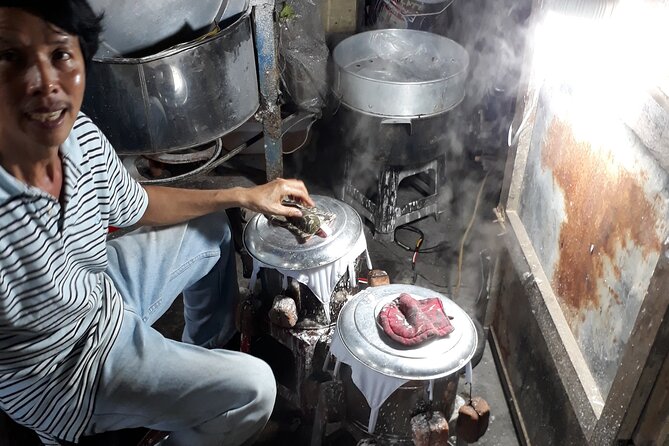
This is a low-key way to see Hoi An beyond the usual photo stops, with food that feels made for real life. I love how the tour moves through backstreets and working places, not just landmarks, and you get to learn how everyday ingredients get produced. It’s also guided by friendly locals like Pinky or Hong, who bring the story to the table while you’re actually eating it.
Two things I like a lot: the focus on Cao Lầu (you visit an old noodle factory and see how it’s made), and the chance to taste meals that locals start their mornings with, including a Vietnamese baguette breakfast. You also get coffee or tea, bottled water, and brunch, so you’re not just collecting snacks—you’re eating a proper morning.
One drawback to keep in mind: the route is not recommended for mobility problems, since it’s a walking tour through lanes and small streets.
In This Review
- Key highlights you’ll remember
- How this Hoi An food walk really works
- First stop: the oldest Cao Lầu factory and why it’s not just a photo stop
- Next: organic bean sprout makers and the taste connection
- The market segment: learning by seeing local produce up close
- Breakfast that feels like a local morning
- Walking through real lanes (and what that teaches you)
- Coffee/tea and “small-group energy” at work
- Pricing: $39 isn’t just a food deal
- Start time and meeting point: easy access to the Old Town area
- Who this is best for (and who should choose something else)
- Practical tips so you enjoy every stop
- Should you book Unseen Hoi An Ancient Town – Food & Culture?
- FAQ
- How long is the Unseen Hoi An walking tour?
- What time does the tour start?
- Where do I meet the guide?
- Is the tour close to the Ancient Town area?
- What’s included in the price?
- Do I need an Ancient Town ticket?
- Is hotel pickup included?
- Is it a small group tour?
- Can I cancel for a full refund?
Key highlights you’ll remember
- Cao Lầu noodle factory visit to understand how one of Hoi An’s signatures gets made
- Organic bean sprout production experience, tied to what you’ll eat later
- Local market time to see produce and pick up context for the dishes
- Small group size (max 8) for a more personal pace and Q&A
- Food-heavy morning with breakfast, coffee/tea, water, and brunch included
How this Hoi An food walk really works
This tour is built around a simple idea: if you want to understand Hoi An, you need to see how people live and eat when the streets aren’t crowded. You’ll start early, then spend a few hours moving on foot through quieter lanes where everyday work happens—factories, homes, and market corners that visitors often miss.
The timing matters. A 7:15am start is early enough that you’re not fighting peak crowds, and it sets you up for a breakfast-focused morning instead of a late-day restaurant crawl. You’ll also be walking long enough to enjoy the neighborhood feel, but not so long that it turns into a full-day hike.
One practical note: the tour uses a mobile ticket, so make sure your phone battery is healthy. You’ll want a charged device when you meet at the first address on Nguyễn Đình Chiểu.
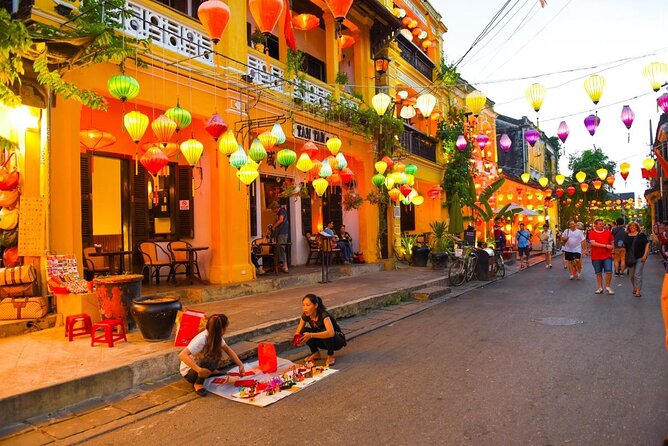
Deeper into the yellow-walled lanes on foot
- Hoi An: Ancient Town Guided Walking Tour★ 4.9 · 766 reviews
- Hoi An Ancient Town Walking Tour with a Local★ 5.0 · 517 reviews
- The Lantern Lady: Traditional Lantern Class in Old Town★ 4.9 · 444 reviews
- Hoi An Ancient Town – Walking Tour with Local Guide★ 4.9 · 385 reviews
First stop: the oldest Cao Lầu factory and why it’s not just a photo stop
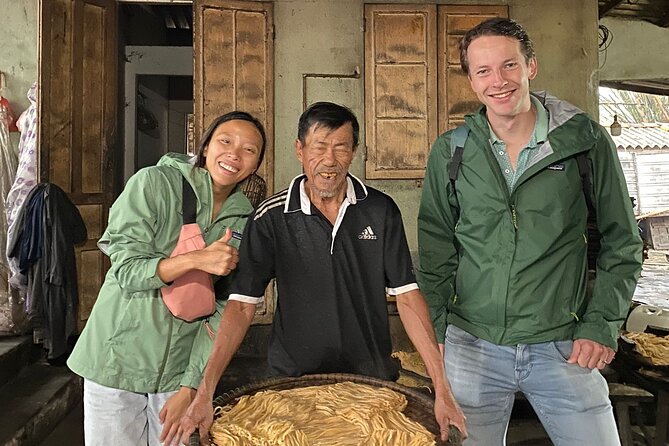
Your morning begins with a visit to the oldest Cao Lầu factory. If you’ve only had Cao Lầu as a bowl in a restaurant, this is where it clicks. You get to connect the noodles you’re going to eat with the process behind them—how the work is organized, how the product is made, and why this dish is tied to local identity.
This is also a “learn while you watch” kind of experience. Instead of sitting through a lecture, you’re seeing a real production environment. That matters in Hoi An, where many foods are tied to specific local methods.
What to watch for: the factory visit is one of the most interesting parts, but it’s also a working place. Wear shoes you don’t mind getting a little dusty, and be ready for short stretches of walking between stops.
Next: organic bean sprout makers and the taste connection
From there, the tour continues into the production side of everyday food, including local people making organic bean sprouts. This is a small detail that makes a big difference in how you understand the meal later. Sprouts aren’t a garnish here—they’re part of the structure of the dish, bringing freshness and crunch that can change the whole bite.
You’re also building a “taste map” as you go. When you later see sprouts in a dish, you’ll know this wasn’t random produce—it came from a specific local practice and supply chain.
This part is especially valuable if you care about flavor beyond spice. Vietnamese cooking often depends on balance: herbs, acidity, crunch, and texture. Learning where one of those textures comes from makes your meals more satisfying.
The market segment: learning by seeing local produce up close
After the production stops, you’ll spend time exploring a local market and looking at produce alongside the context of how people shop and cook. This isn’t just walking past stalls. The point is to help you understand what ingredients matter locally, and what shows up in regular breakfasts and meals.
You’ll be introduced to local produce, and that helps you interpret what you eat next. Even if you’re not a “food nerd,” it’s useful. Markets teach you what’s seasonal and common in a place, which makes restaurant orders easier after the tour ends.
A tip: keep your eyes open for what seems “boring” to tourists. In markets, the most useful clue is often the simple stuff people buy every day.
Hoi An at a stroll, more routes




Breakfast that feels like a local morning
Food is the main event here, and it starts with breakfast. You’ll enjoy generous dishes and enjoy breakfast favored by locals, including Vietnamese baguette style eating. That’s a big deal in Hoi An, where a lot of visitors focus on sights and miss how the day actually begins.
This is also one reason the tour feels more like culture than just eating. When you share a morning meal in the middle of a working neighborhood, you get a realistic snapshot of daily rhythm.
Included with this part of the morning:
- Breakfast
- Coffee and/or tea
- Bottled water
- Brunch later in the tour
That coverage is part of the value for the price. You’re not paying to sample one or two items—you’re fed, and you’re learning why the food makes sense in that setting.
Walking through real lanes (and what that teaches you)
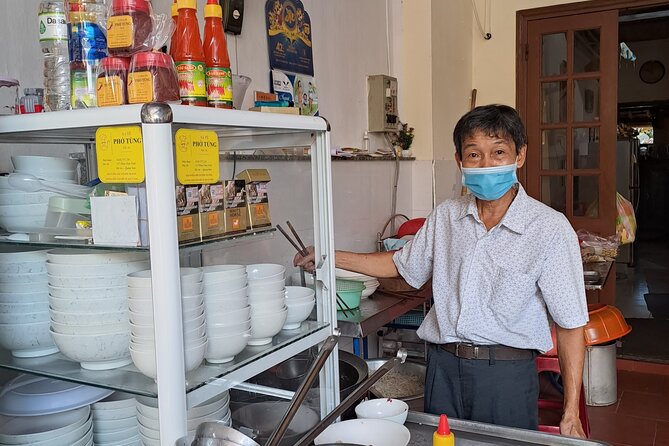
The tour’s heart is the walk itself. You’ll explore hidden alleyways and backstreets where locals actually move through their day. This is where Hoi An starts to feel like a living town instead of a museum-with-snacks.
You’ll also see local houses as part of the experience. That’s not just decorative. It helps explain why certain foods and traditions persist—because they’re connected to family routines and local support systems.
Two things to keep in mind while walking:
- The pace is morning-paced, so you’ll want to be ready to move.
- It’s not ideal if you have mobility limits, since it’s a walking tour and not presented as wheelchair-friendly.
Coffee/tea and “small-group energy” at work
One underrated benefit of tours like this is the small group size. With a maximum of 8 travelers, the guide can slow down when you ask something, and you’re less likely to get lost in a crowd.
The tour also includes coffee and/or tea, which is a nice rhythm break. In Vietnam, coffee breaks aren’t just caffeine—they’re part of the social flow. Having it included means you don’t have to figure out where to stop on your own.
In the reviews, guides like Pinky and Hong get praised for being attentive, funny, and clear in English. Even without relying on anyone’s personality, that kind of guidance makes a food tour smoother—you’ll understand what you’re eating and why it matters.
Pricing: $39 isn’t just a food deal
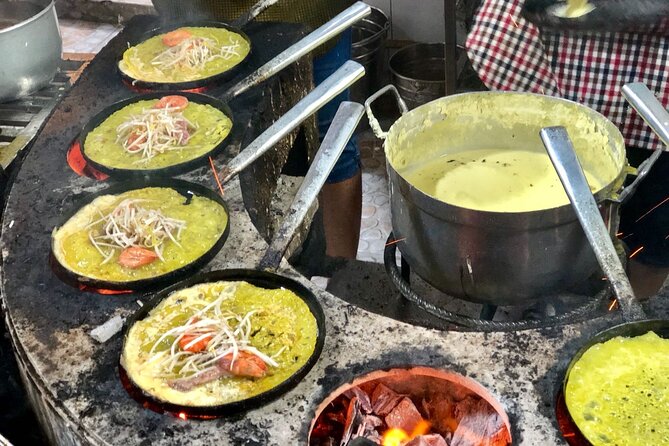
At $39 per person, this is priced like a serious local experience, not like a basic tasting stroll. The value is in the mix:
- Factory and production visits (Cao Lầu + sprouts)
- Market time
- Multiple included meals
- Coffee/tea and bottled water
Also, the tour doesn’t require you to pay separate restaurant costs during the walk. When food is included, you can spend your money on one or two extra items later—like a second dessert or a drink in the evening—rather than blowing your budget on lunch.
There’s one catch: the Ancient Town admission ticket isn’t included. If you want to enter temples or old houses inside the Old Town area, you’ll need to handle that separately. The walk is near the Old Town, but not everything inside is automatically covered.
Start time and meeting point: easy access to the Old Town area
You meet at 01 Nguyễn Đình Chiểu, Cẩm Sơn, Hội An with the tour starting at 7:15am. The end point is 20 Đường Phan Bội Châu, Cẩm Châu, Hội An, which is conveniently close to the Old Town.
The location setup is practical: you can walk back toward the Old Town area in about 5 minutes, or you can grab a taxi back to your hotel. That matters because you won’t want to get stuck far from where you’re spending the rest of your day.
If you’re planning other Ancient Town activities, try not to stack them too tightly right after the tour. You’ll likely want a little decompression time before you head back into the busier streets.
Who this is best for (and who should choose something else)
This tour fits best if you:
- Love food and want more than just tastings
- Prefer small-group experiences
- Want a deeper look at how ingredients are made before they hit a bowl
It also works well for solo travelers since the group is small and the morning schedule keeps things efficient.
Choose something else if you:
- Have mobility issues (it’s not recommended for travelers with mobility problems)
- Want a focus on temple-hopping with entrance tickets included (the Ancient Town admission ticket is not included)
- Hate early starts (7:15am is genuinely early)
Practical tips so you enjoy every stop
A few small moves will make this go smoothly:
- Wear comfortable, closed-toe shoes for uneven alley walking.
- Bring a fully charged phone for the mobile ticket.
- Come hungry. The tour includes breakfast plus brunch, but you’ll enjoy it more if you don’t eat a big heavy meal right before.
If you’re sensitive to crowds, the early start is your friend. It’s also a good way to get your bearings fast—after a few hours in the neighborhood, you’ll understand where things are in a way that helps the rest of your trip.
Should you book Unseen Hoi An Ancient Town – Food & Culture?
I’d book this if you want an authentic Hoi An morning that connects food to place. The mix of a Cao Lầu factory visit, organic sprouts, market browsing, and included meals makes the $39 feel earned rather than rushed.
Skip it or look for an alternative if you primarily want major old-house and temple entries with ticket access built in, since the Ancient Town admission ticket isn’t included. And if walking through backstreets is a problem for you physically, you’ll probably be happier with a different style of tour.
If you want the kind of experience that helps you understand what you’ll eat tonight and tomorrow, this is a strong choice. A small group, local guides like Pinky or Hong, and real working-food stops make it a memorable way to start your Hoi An days.
FAQ
How long is the Unseen Hoi An walking tour?
It lasts about 3 to 4 hours (approx.).
What time does the tour start?
The start time is 7:15am.
Where do I meet the guide?
The meeting point is 01 Nguyễn Đình Chiểu, Cẩm Sơn, Hội An, Quảng Nam, Vietnam.
Is the tour close to the Ancient Town area?
Yes. The end point is near the old town, and you can walk there in about 5 minutes, or take a taxi back to your hotel.
What’s included in the price?
You get breakfast, coffee and/or tea, bottled water, and brunch.
Do I need an Ancient Town ticket?
Ancient town admission tickets are not included, if you want to visit temples and old houses in the Old Town.
Is hotel pickup included?
No. Hotel pick up and drop off are not included.
Is it a small group tour?
Yes. The tour has a maximum of 8 travelers.
Can I cancel for a full refund?
You can cancel up to 24 hours in advance for a full refund. If it’s canceled due to poor weather, you’ll be offered a different date or a full refund.
More Tours in Hoi An
- From Hoi An: Market Tour, Basket Boat Ride and Cooking Class
★ 4.8 · 2,208 reviews - Hoi An: Basket Boat with Lantern-Making & Cooking Class Tour
★ 4.9 · 1,444 reviews - Coconut Jungle Eco & Hoi An City Tour With Boat Ride
★ 5.0 · 800 reviews - Hoi An: Ancient Town Guided Walking Tour
★ 4.9 · 766 reviews - Hai Van Pass Motorbike Private Tour with Mister T Easy Rider
★ 5.0 · 742 reviews - Hoi An Countryside: Guided Morning or Afternoon Bicycle Tour
★ 4.9 · 686 reviews
More Tour Reviews in Hoi An
- Hoi An: Basket Boat Ride in the Coconut Forest
★ 4.9 · 4,956 reviews - Hoi An: Vietnamese Coffee Culture and Coffee Making Class
★ 4.9 · 4,006 reviews - Hoi An: Vietnamese Foldable Lantern Making Class
★ 4.9 · 3,742 reviews - Cooking Class Hoi An:Local Market, Basket Boat, Fishing & Cooking
★ 5.0 · 3,660 reviews - Hoi An Cooking Class(Market,BasketBoat Crabfishing&Cooking Class)
★ 5.0 · 3,386 reviews - Hoi An: My Son Sanctuary Early Morning w. Champa Food Brunch
★ 4.9 · 2,750 reviews
The Ancient Town on Foot, Continued
- Hoi An: Ancient Town Guided Walking Tour
★ 4.9 · 766 reviews - Hoi An Ancient Town Walking Tour with a Local
★ 5.0 · 517 reviews - The Lantern Lady: Traditional Lantern Class in Old Town
★ 4.9 · 444 reviews - Hoi An Ancient Town – Walking Tour with Local Guide
★ 4.9 · 385 reviews - Hoi An Street Food Walking Tour with Tastings
★ 5.0 · 317 reviews - Hoi An Walking Tour
★ 5.0 · 269 reviews
Just Reviewed: Fresh Hoi An Trips




Ancient Town Walking Tours, compared.
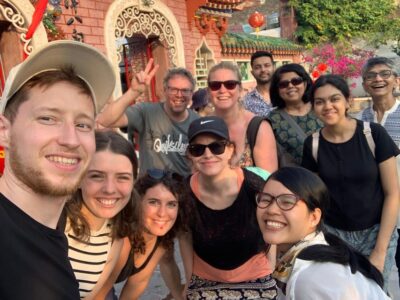 ★ 4.9Ancient Town Guided Walking TourFrom $2766 reviews
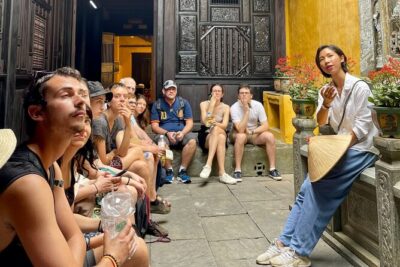 ★ 5.0Hoi An Ancient Town Walking Tour with a LocalFrom $9517 reviews
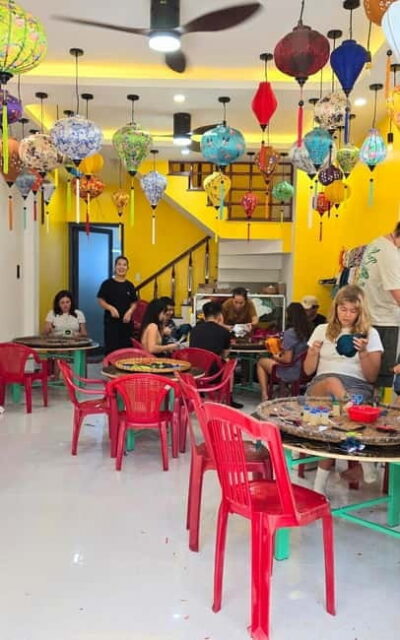 ★ 4.9The Lantern Lady: Traditional Lantern Class in Old TownFrom $6444 reviews
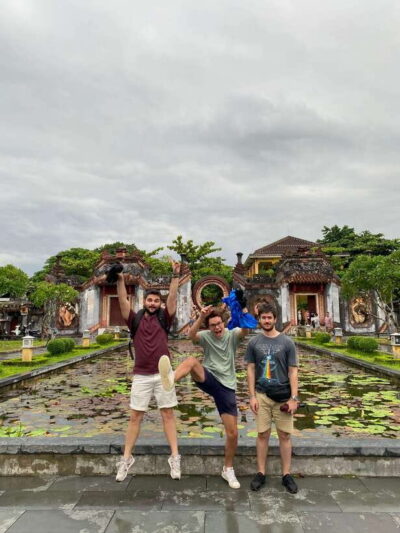 ★ 4.9Hoi An Ancient Town – Walking Tour with Local GuideFrom $14385 reviews
 ★ 5.0Hoi An Street Food Walking Tour with TastingsFrom $35317 reviews
 ★ 5.0Hoi An Walking TourFrom $69269 reviews
 ★ 5.0Hoi An Night Market – Ancient Town street food tours by NightFrom $45165 reviews
 ★ 4.5Hoi An Ancient Town – Night Market Street Food Tours By NightFrom $55161 reviews
Browse the lists this tour appears in