

Reviewed · TRADITIONAL CRAFT VILLAGES
Private Boat to Hoi An Craft Villages-Pottery, Carpentry village
Clay and wood travel by water.
This private Hoi An craft-village tour is a smart mix of river time and workshop time, using a local-style boat on the Thu Bon waterways to reach Thanh Ha pottery village and Kim Bong carpentry village. You also get biking and village walking, so the day feels like moving through real craft neighborhoods, not just standing in front of doors.
I love two things most: you spend real time at the sources of Thanh Ha pottery and Kim Bong carpentry, and you get hands-on chances to make something yourself, not only watch. I also like how the route links boat rides with small stops inside working communities, so the pace stays varied.
One thing to consider: the tour needs good weather, and there’s some walking and biking around village paths. If you’re carrying extra-tender knees or you hate uneven ground, plan for slower moments and good shoes.
In This Review
- Key points at a glance
- How a river-boat craft day feels in Hoi An
- Price and logistics: what $40 buys you (and why it’s fair)
- Thu Bon River boat ride: the best warm-up for craft watching
- Thanh Ha Pottery Village: tiles, decorative pottery, and your own piece
- What to watch for here
- Kim Bong Carpentry Village: woodwork tied to boats, furniture, and carvings
- The village walk: weaving and rice noodle making add flavor to the day
- Biking around the village: why it changes how you remember the day
- Your guide’s role: explanations that make craft feel practical
- Timing: what you can realistically do before and after
- Who should book this private craft-village boat tour
- Should you book this private boat tour to Thanh Ha and Kim Bong?
- FAQ
- What time does the tour depart?
- How long is the tour?
- Is pickup and drop-off included?
- What craft places do we visit?
- Are entrance tickets included?
- Is the guide available in English?
- Is it a private tour?
- What happens if the weather is poor?
- Can I cancel for a full refund?
Key points at a glance
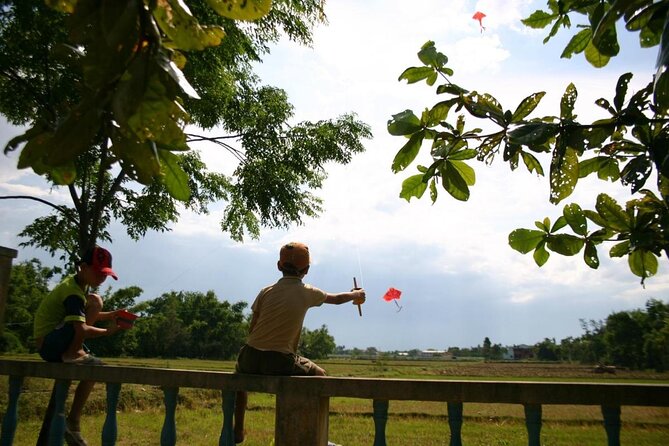
- Local-style boat ride on the Thu Bon River between Hoi An and nearby craft villages
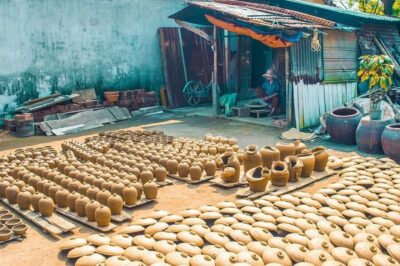
- Thanh Ha pottery village focused on earthenware used for old building tiles, bricks, and floor slabs
- Hands-on pottery item options like teapots, cups, vases, and bowls
- Kim Bong carpentry village shows how traditional wooden fishing boats and woodwork are made
- Village walking plus short craft demos, including weaving mat and rice noodle making
How a river-boat craft day feels in Hoi An
Hoi An has a way of making crafts feel personal. Not because everything is dramatic. It’s personal because people have done the same work for generations, and you can still see the logic in the process—clay becomes tools, tools become objects, objects become income. This tour puts you in the middle of that chain by starting on the water.
You’re picked up in the hotel lobby and taken toward the Thu Bon area, then you hop on a local-style boat for the ride between Hoi An and the craft villages. That river segment matters more than you might think. It breaks up the day so it doesn’t turn into a hop-and-stop bus tour. Instead, you ease into the “slow work” mindset that craft villages run on.
Then you switch from boat to village life: biking around, walking through lanes, watching hands at work, and stepping into the world of pottery and carpentry where details matter. One of the best parts is the rhythm. You’re not stuck in a single workshop for hours. You move from pottery to carpentry, and you see other traditional food-and-fiber crafts along the way.
Potters and carvers in the riverside villages
- Hoi An Countryside Biking Tour(Vegetable village -basket boat – fishing village)★ 5.0 · 216 reviews
- Hoi An: Tra Que Herb Village Cooking Class★ 4.5 · 102 reviews
- Hoi An Local Market and Vegetable Village Cooking Class★ 5.0 · 93 reviews
- Hoi An: Thanh Ha Village Tour with Pottery Making and Gift★ 4.8 · 78 reviews
Price and logistics: what $40 buys you (and why it’s fair)
The price is listed at $40 per person, and that number makes more sense once you picture what’s included and what you would otherwise pay for separately.
You get:
- hotel pickup and drop-off
- an English-speaking tour guide
- entrance tickets
- bottled water
- a mobile ticket for entry/confirmation
You also get a private setup: it’s a private tour/activity, meaning only your group participates. The smaller-group feel is often where the value lives. You’re more likely to get real explanations instead of someone rushing you through a checklist.
The tour runs about 3 to 4 hours (with the pottery stop at 1 hour and the carpentry stop at around 2 hours). That’s a good length for first-time craft visitors because it’s long enough to see how work is done, but short enough that you won’t feel stuck when you’re tired.
One more detail that affects your comfort: there are two departure options—8AM for the morning tour and 2PM for the afternoon tour. If you prefer cooler temperatures and brighter photos, the morning slot usually feels easier. If you like a later day pace, the afternoon tour can fit well after lunch.
Thu Bon River boat ride: the best warm-up for craft watching
Your tour day begins with a pickup from your hotel lobby. Then you head toward the Thu Bon River, where you’ll start the river portion of the route.
This is a local-style boat ride that carries you along waterways from Hoi An toward the craft villages. The ride does a few useful jobs:
- It gets you out of the city without changing your whole schedule.
- It gives you a moving vantage point, so you’re not just looking at flat streets and storefronts.
- It sets up the rest of the tour by making the craft villages feel like part of the same local system.
As you travel, you’ll likely notice how craft communities rely on access—waterways for transport, village lanes for daily life, and workshops clustered around shared knowledge. When you reach the villages, that understanding makes everything you see feel more connected.
Thanh Ha Pottery Village: tiles, decorative pottery, and your own piece
Stop one is Thanh Ha Pottery Village, and this part of the tour is where you get the strongest pottery storytelling.
Thanh Ha wasn’t just a place where people sold small souvenirs. Historically, it was a thriving village that produced earthenware for many provinces across Central Vietnam. Thanh Ha villagers also made the bricks, tiles, and floor slabs used in older buildings in Hoi An and surrounding areas. That connection is a big deal. It explains why pottery here isn’t just decorative. It built structures.
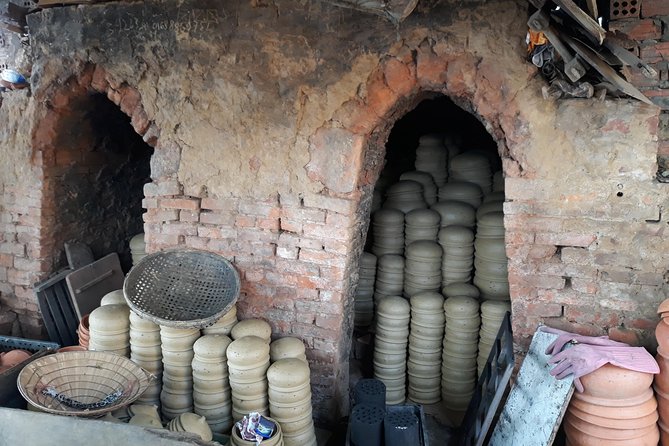
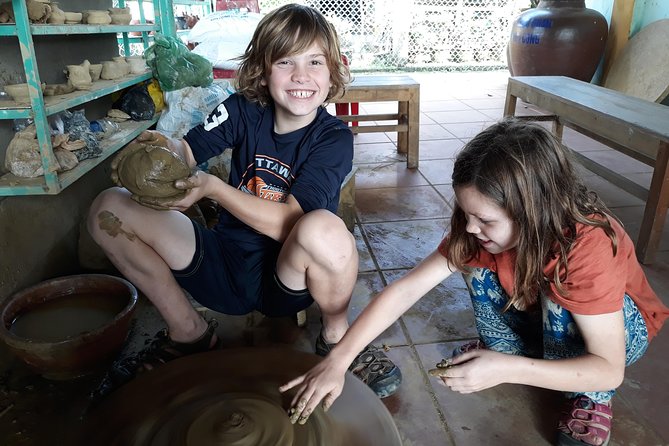
Today, the visit includes time to look at how decorative pottery is formed—things like teapots and cups, vases, and bowls. The aim is to show you the craft in practical terms: how pieces start, how shape is created, and how the finished look comes from repeated handwork.
What makes this stop especially appealing is the chance to make something that feels like it belongs to you. You can have a pottery product made especially for you, and the guide context helps you understand what you’re choosing and why certain forms are common. Even if you’re not a “craft person,” the experience is still engaging because you’re watching and participating in a process that’s concrete—hands, clay, forms, and the satisfaction of finishing a tangible item.
The one-hour time block is also the right length for most people. You can pay attention without getting overloaded. And because the tour keeps moving to carpentry afterward, you don’t end up comparing everything in your head for too long.
More hours on the Thu Bon




What to watch for here
If you want the best value from this stop, don’t focus only on the final products. Look at the steps that happen before the object looks beautiful. That’s where you’ll feel the craft’s logic. Also, remember you’ll likely have some time for your own pottery selection or creation—so keep an open mind about the pace.
Kim Bong Carpentry Village: woodwork tied to boats, furniture, and carvings
Stop two is Kim Bong Carpentry Village, located in Cam Kim Hamlet. If Thanh Ha gives you clay craftsmanship, Kim Bong gives you wood craftsmanship—and it starts with an important link: traditional wooden fishing boats.
Kim Bong is famous for carpentry, and the community’s techniques are described as perfected over time. When Hoi An was a major sea port, the ancestors of these carpenters produced much of the woodwork used in the ancient architecture. That background matters because it explains why the woodworking skills here aren’t “just carving for tourists.” They’re practical skills refined through construction needs.
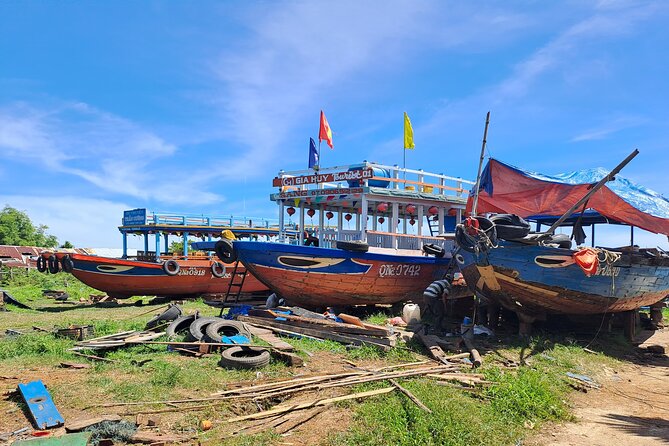
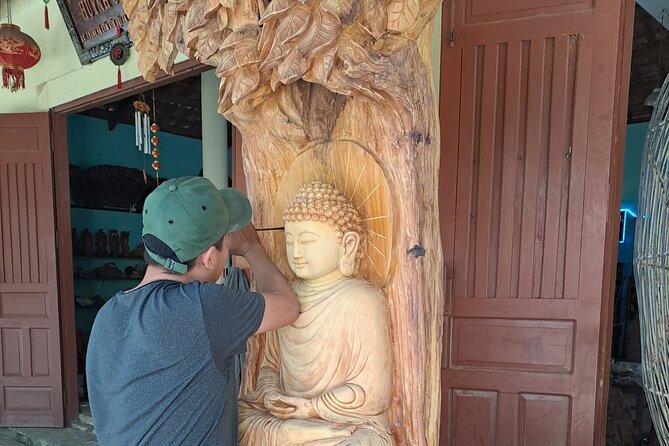
In this stop, you’ll travel by boat to reach the carpentry village and watch how traditional wooden fishing boats are made. You’ll also see carpenters creating handcrafted furniture and wood carvings. That gives you a helpful range: boat-building looks different from furniture making, but both rely on careful measurements, strong joints, and clean finishing.
The carpentry portion lasts about 2 hours, which is a good window. It lets you see more than one type of workshop process without rushing. You’ll also walk around the village, where you can spot other traditional activities such as weaving mat and rice noodle making.
The village walk: weaving and rice noodle making add flavor to the day
A pottery stop could easily become too focused on one theme. A carpentry stop could become too focused on wood. This tour avoids that problem by adding a more “daily village” layer through walking time.
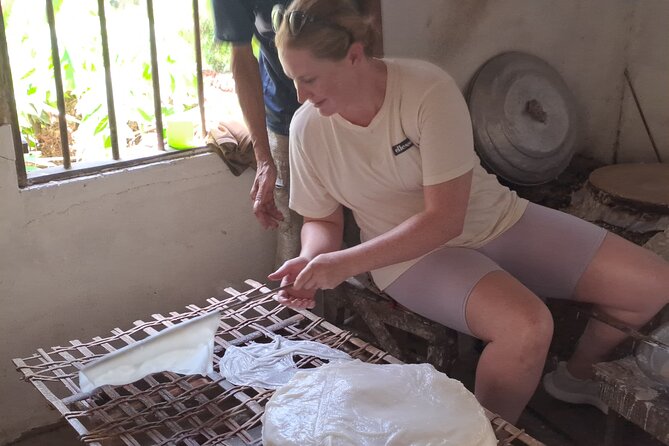
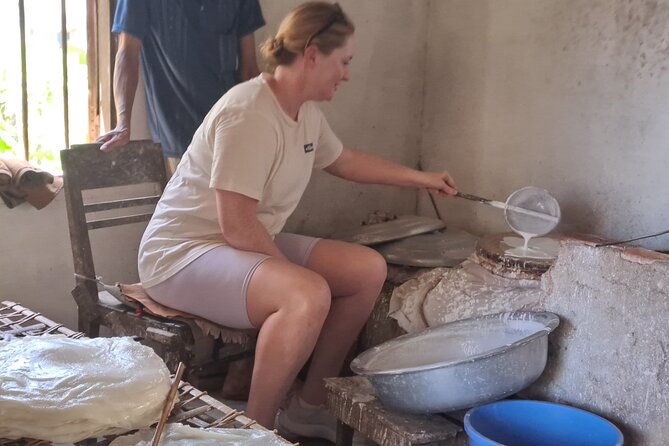
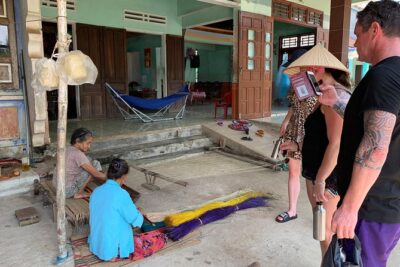
During the walk, you can see weaving mat work and rice noodle making. Those are the kinds of crafts that help you understand how villages function beyond the big, named workshops. They also help you keep your energy up. Watching pottery and woodwork can be visually detailed. Switching to weaving and food crafts gives your eyes and brain a change of texture.
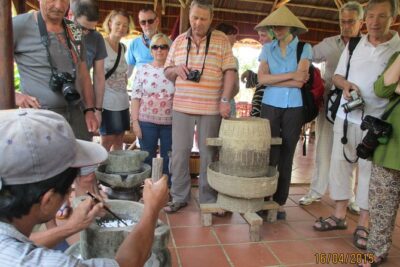
One of the best signals from real-world experiences is that the rice-related activity can feel fun, not just educational. If you enjoy hands-on food demonstrations or you like tasting what locals make, this village walk portion can be a highlight.
Biking around the village: why it changes how you remember the day
You’ll also bike around the village during the tour. That small detail affects the whole experience.
Walking makes you feel close up, but biking helps you cover more ground smoothly. You get a sense of the village layout—how workshops relate to each other, where crafts clusters, and how people move through their own spaces. It also keeps the day from becoming a series of stationary moments.
If you’re bringing kids, biking can be the right middle step: active enough to keep attention, calm enough to avoid turning the day into a workout.
Your guide’s role: explanations that make craft feel practical
An English-speaking tour guide is included, and that matters because craft villages can be hard to interpret from signage alone. You’ll want the guide to connect what you see to why it exists—like Thanh Ha’s role in producing tiles and floor slabs historically, or Kim Bong’s carpentry skills tied to ancient architecture and boat-building.
In a good craft tour, the guide doesn’t just translate words. They help you notice things you’d otherwise miss:
- the difference between decorative pottery and building-related ceramics
- why boat-building techniques matter for wood structure
- how carpenters move between functional objects and carved details
When the guide keeps that connection clear, the experience feels more meaningful. You don’t just buy a pretty item. You understand the work behind it.
Timing: what you can realistically do before and after
Because the tour is about 3 to 4 hours, you can plan your day without stress.
If you take the 8AM tour, you’ll likely have time for breakfast and a light morning plan afterward—hoi an is great for slow wandering later, and you won’t feel stuck waiting until evening. If you take the 2PM tour, it pairs well with a relaxed lunch and then an afternoon craft reset before dinner.
Also, the tour requires good weather. If you’re traveling during a rainy stretch, keep your flexibility. If weather cancels the experience, you’d be offered a different date or a full refund, so it’s not a risky spend.
Who should book this private craft-village boat tour
This tour is a strong match if you want:
- a boat-and-craft day that doesn’t feel rushed
- hands-on pottery time, not only watching
- a carpentry stop that connects woodworking to real local needs like boat-building
- a private-group feel with pickup and drop-off
It also works well for families. The craft process is visual, and the village walk can include engaging food-related moments (like rice noodle making). Kids often do well when there’s a mix of watching and doing.
You might skip it if you:
- hate biking or uneven village paths
- only want big-ticket sights and don’t care about crafts
- need a fully indoor program (this tour runs outdoors and depends on weather)
Should you book this private boat tour to Thanh Ha and Kim Bong?
If you’re in Hoi An and you like crafts that come from real working communities, yes, book it. The value is solid because the price includes guide, entrances, bottled water, and hotel pickup—plus the day itself combines river scenery with two focused craft hubs.
The biggest advantage is the balance: pottery first (Thanh Ha), carpentry second (Kim Bong), then additional village activity like weaving mat and rice noodle making. You’ll leave with both a better understanding and a keepsake from the pottery experience—without having to spend your whole day bouncing around.
If you’re on the fence, choose the time slot that fits your energy, wear comfortable shoes, and go in with a craft-mindset. This is the kind of day that rewards you for paying attention, not for rushing for photos.
FAQ
What time does the tour depart?
You can join a morning tour at 8AM or an afternoon tour at 2PM.
How long is the tour?
The tour takes about 3 to 4 hours.
Is pickup and drop-off included?
Yes. Hotel pickup and drop-off are included.
What craft places do we visit?
You’ll visit Thanh Ha Pottery Village and Kim Bong Carpentry Village.
Are entrance tickets included?
Yes. Entrance tickets are included.
Is the guide available in English?
Yes. The tour includes an English-speaking tour guide.
Is it a private tour?
Yes. It’s described as a private tour/activity, so only your group participates.
What happens if the weather is poor?
The experience requires good weather. If it’s canceled due to poor weather, you’ll be offered a different date or a full refund.
Can I cancel for a full refund?
Yes. You can cancel up to 24 hours in advance for a full refund. If you cancel less than 24 hours before the start time, the amount paid won’t be refunded.
Out on the Thu Bon
- Hoi An: Basket Boat Ride in the Coconut Forest
★ 4.9 · 4,956 reviews - Cooking Class Hoi An:Local Market, Basket Boat, Fishing & Cooking
★ 5.0 · 3,660 reviews - From Hoi An: Market Tour, Basket Boat Ride and Cooking Class
★ 4.8 · 2,208 reviews - Hoi An : Hoai River Boat Trip by Night and Floating Lantern
★ 4.6 · 1,988 reviews - Hoi An: River Lantern Boat Experience with Free 5G eSIM
★ 4.5 · 1,819 reviews - Hoi An: Basket Boat with Lantern-Making & Cooking Class Tour
★ 4.9 · 1,444 reviews
More Tour Reviews in Hoi An
- Hoi An: Basket Boat Ride in the Coconut Forest
★ 4.9 · 4,956 reviews - Hoi An: Vietnamese Coffee Culture and Coffee Making Class
★ 4.9 · 4,006 reviews - Hoi An: Vietnamese Foldable Lantern Making Class
★ 4.9 · 3,742 reviews - Cooking Class Hoi An:Local Market, Basket Boat, Fishing & Cooking
★ 5.0 · 3,660 reviews - Hoi An Cooking Class(Market,BasketBoat Crabfishing&Cooking Class)
★ 5.0 · 3,386 reviews - Hoi An: My Son Sanctuary Early Morning w. Champa Food Brunch
★ 4.9 · 2,750 reviews
Potters, Carvers and Silk Villages
- Hoi An Countryside Biking Tour(Vegetable village -basket boat – fishing village)
★ 5.0 · 216 reviews - Hoi An: Tra Que Herb Village Cooking Class
★ 4.5 · 102 reviews - Hoi An Local Market and Vegetable Village Cooking Class
★ 5.0 · 93 reviews - Hoi An: Wood Carving Class with Village Master Artisan
★ 4.9 · 93 reviews - Hoi An: Thanh Ha Village Tour with Pottery Making and Gift
★ 4.8 · 78 reviews - Discover Traditional Silk Process in Hoi An Silk Village
★ 4.4 · 60 reviews
Just Reviewed: Fresh Hoi An Trips





Traditional Craft Villages, compared.
 ★ 5.0basket boat – fishing village)From $45216 reviews
 ★ 4.5Tra Que Herb Village Cooking ClassFrom $28102 reviews
 ★ 4.9Wood Carving Class with Village Master ArtisanFrom $3193 reviews
 ★ 5.0Hoi An Local Market and Vegetable Village Cooking ClassFrom $2993 reviews
 ★ 4.8Thanh Ha Village Tour with Pottery Making and GiftFrom $2378 reviews
 ★ 4.4Discover Traditional Silk Process in Hoi An Silk VillageFrom $1160 reviews
 ★ 5.0Hoi An countryside biking – Basket Boat – Vegetable village – Local home CookingFrom $5837 reviews
 ★ 5.0Cocopalm Forest To A Craft VillageFrom $3231 reviews
Browse the lists this tour appears in