
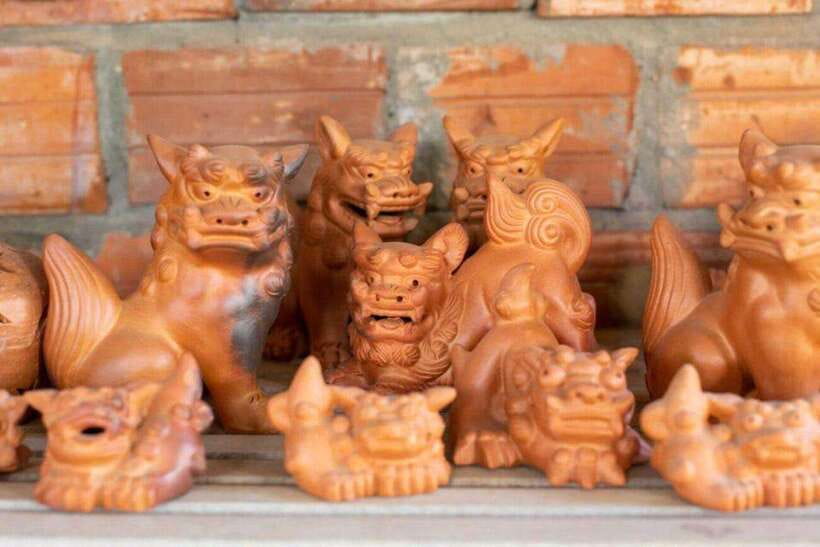
Reviewed · TRADITIONAL CRAFT VILLAGES
Hoi An: Pottery Making Workshop With Local Craftsmen
One quiet 20-minute class can feel like a full craft story. This Hoi An pottery workshop takes you out from the ancient town area to Thanh Ha pottery village, where local craftsmen show you how ceramics are made the traditional way and help you produce your own take-home piece. I love that it’s hands-on without being long or exhausting, and I love that you’re learning directly from the people doing the work every day.
I also like the rhythm of the session. You don’t just watch a demo—you get guided through the key steps, from basic pottery-making technique to drying, trimming, and painting and decorating your pottery, then you receive a small gift at the end. One consideration: English support is limited, since the instructor and hosts communicate mainly in Vietnamese, so come ready with a few smiles and simple questions.
In This Review
- Key points at a glance
- How this Thanh Ha pottery workshop fits Hoi An
- Arriving and meeting the craft household
- The class flow: from technique to decoration
- Step 1: Intro to local pottery products
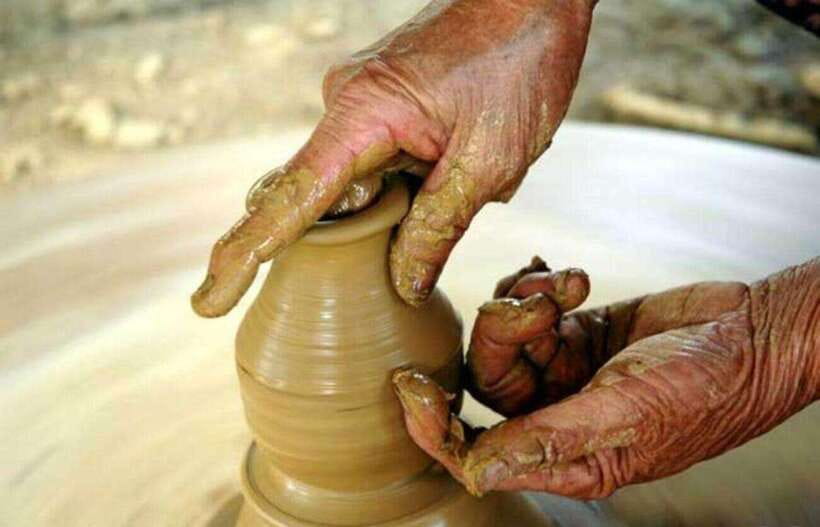
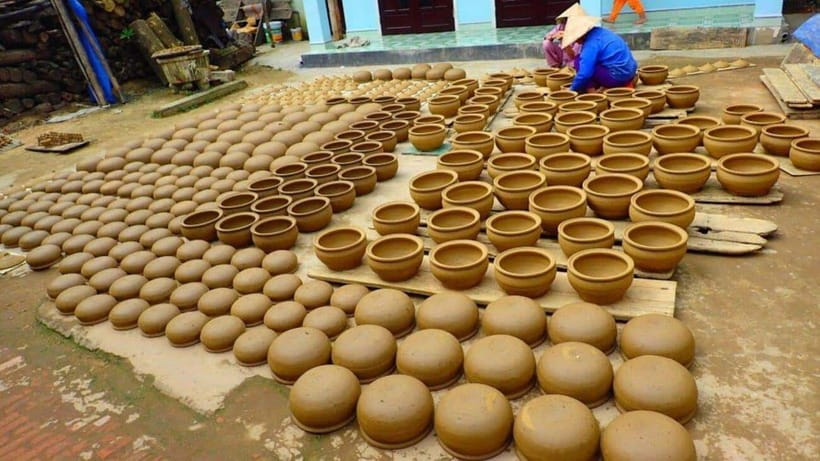
- Step 2: Pottery making technique
- Step 3: Drying and trimming
- Step 4: Painting and decorating
- Your gift and take-home souvenir
- After the workshop: calm self-guided time around pottery founders
- What you’ll like most (and what to watch for)
- Price and value: why this is cheap in a good way
- Practical tips so your workshop goes smoothly
- Who this pottery workshop is best for
- Should you book Hoi An: Pottery Making Workshop With Local Craftsmen?
Key points at a glance
- A short, practical pottery class designed to fit into a busy Hoi An day
- Thanh Ha pottery village connection with local craftsmen greeting you at their home
- You make your own souvenir, including a piece you can take home
- Step-by-step work (technique, drying, trimming, painting, decoration)
- Optional self-guided follow-up around the Xuan My Communal House and Nam Dieu Temple
- Limited English, so basic communication prep helps
How this Thanh Ha pottery workshop fits Hoi An
Hoi An can be a lot: lantern streets, cafes, tailoring shops, quick browsing that turns into “just one more stop.” This pottery workshop is a nice counterbalance. It’s short (about 20 minutes), close enough to feel convenient, and it gives you something tangible—your own pottery piece—at the end.
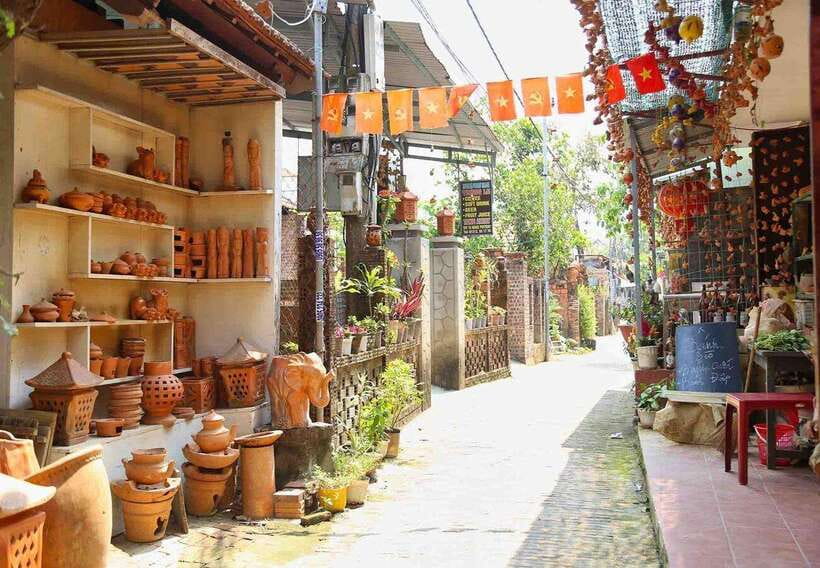
The workshop starts just outside Hoi An’s ancient town area with a short drive to Thanh Ha pottery village. Thanh Ha is known for pottery that’s been around for centuries, and the point of the class is to show you how that tradition still works on a real day. Instead of being a showroom-like “see how it’s done” attraction, you’re treated like a visitor joining the workshop for a brief, guided session.
The value here is tied to time and materials. For $7 per person, you’re paying for the pottery-making fee, a little gift, and a souvenir made by you. That’s a lot of “learn + do + take home” for a small chunk of your day—especially if you want a cultural activity that doesn’t turn into a half-day commitment.
Potters and carvers in the riverside villages
- Hoi An Countryside Biking Tour(Vegetable village -basket boat – fishing village)★ 5.0 · 216 reviews
- Hoi An: Tra Que Herb Village Cooking Class★ 4.5 · 102 reviews
- Hoi An Local Market and Vegetable Village Cooking Class★ 5.0 · 93 reviews
- Hoi An: Thanh Ha Village Tour with Pottery Making and Gift★ 4.8 · 78 reviews
Arriving and meeting the craft household
Your meeting point is Nguyen Sau Experience House. Plan to meet there first, then the group proceeds toward the pottery area. Once you arrive at the entrance gate, you’ll need to handle tickets at the counter—35,000 VND per person.
One small detail that matters: this activity includes help with the ticket situation (it mentions skipping the ticket line), but the instructions still tell you to stop at the ticket counter to buy your ticket. In practice, that usually means you won’t be left to figure everything out while standing in the slow part of the process.
Then comes the part that makes this feel authentic: local craftsmen greet you at their home. That home-based welcome is where the workshop stops being generic. You’re not just in a classroom setup—you’re being brought into someone’s craft space, and the first interaction sets the tone for the rest of the session.
Because English communication is limited, don’t worry if you can’t ask a dozen “why” questions. You’ll still get plenty of guidance, and the easiest way to get value is to watch the instructor’s hand positions and follow along with what you’re being shown.
The class flow: from technique to decoration
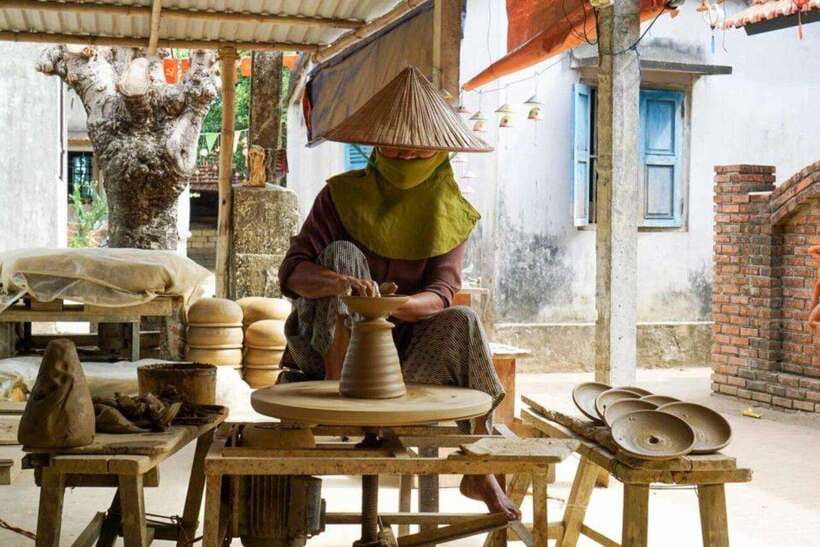
The workshop is built as a fast, focused sequence. Expect the structure to move from introduction to making, with enough time for key steps but not enough time to become a pottery master. That’s not a downside here—it’s the whole point. You’re buying a real taste of the process.
Step 1: Intro to local pottery products
You’ll get greeted, then you’ll be introduced to local pottery products. This short stage matters because it gives you context. When you later paint and decorate, you’ll have a better sense of what people make and how the final look fits into local style—not just random patterns you happen to apply.
A few more Hoi An trips worth weighing before you book:





Step 2: Pottery making technique
Then you start the hands-on portion. The class covers pottery making technique, and you’ll work your way through the basic shaping steps. Since the instructor is Vietnamese, the practical guidance is likely shown through demonstration rather than long explanations. Don’t overthink it—follow the motions, aim for steady hands, and go with what feels easiest to copy.
Step 3: Drying and trimming
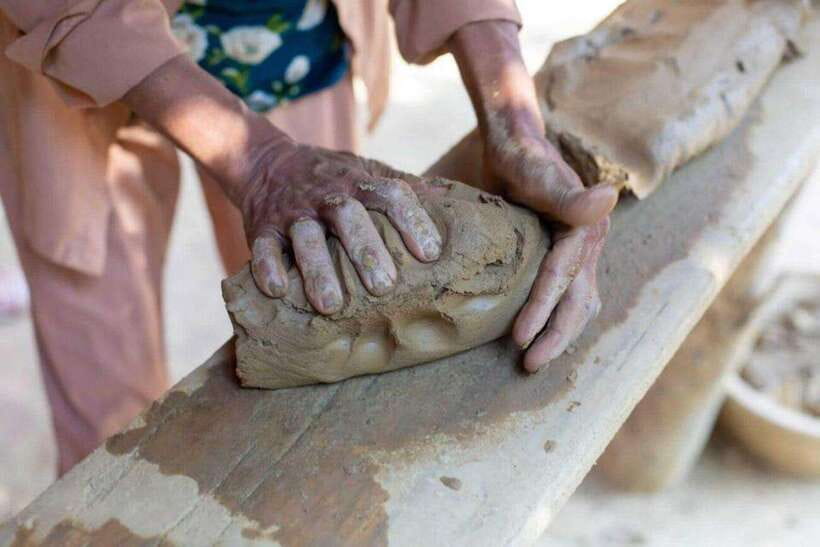
Even in a short workshop, you’ll hear about drying and trimming. These are crucial parts of pottery that many “quick souvenirs” ignore. Drying is what helps the piece hold its shape, and trimming is where you refine edges and overall form.
This is one of the reasons this workshop can be more satisfying than you expect. When you learn that pottery needs time and shaping even after the main “make” moment, you start to respect the work behind the final product.
Step 4: Painting and decorating
Finally, you paint and decorate your pottery. This is the fun part—and it’s where you get to leave your mark. The class is short, but the decoration step is designed so you can still walk away with something that feels personal rather than factory-made.
If you want a calmer, more satisfying result, pick a simple design you can execute steadily. In a time-boxed workshop, clean strokes often look better than trying to do something elaborate.
Your gift and take-home souvenir
At the end, you receive a little gift and you take home a souvenir made by yourself. That last part is important. A lot of “cultural activities” give you a photo and a memory. This one gives you an object you can actually place in your home later and remember the day you made it.
Also, the workshop duration is often around 20 minutes, but you can extend the time if you want to finish your product. If you’re the type who gets a bit nervous about rushing, ask early if extra minutes are possible.
After the workshop: calm self-guided time around pottery founders
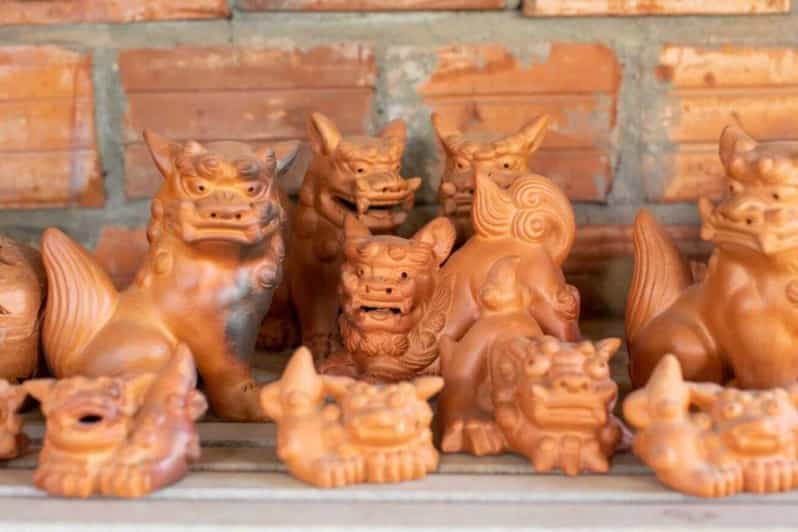
Once class finishes, you’re free to explore nearby on your own. Two named stops are offered as options: Xuan My Communal House and Nam Dieu Temple, connected to pottery founders.
Because you’re exploring by yourself after the class, you can match the pace to your energy. If you want quiet photos and a slower walk, you can do that. If you’d rather keep things moving, you can treat it like a short cultural circuit and then return toward central Hoi An.
This self-guided time is also where the pottery theme deepens slightly. Even if you don’t get a long talk (and English support is limited), seeing local communal architecture and a temple setting gives you more of the “where craft fits in daily life” feeling.
You can also just wander and enjoy the peace of the traditional crafts area—no pressure to shop, bargain, or move fast. That matters in Hoi An, where it’s easy to spend an entire day responding to crowds.
What you’ll like most (and what to watch for)
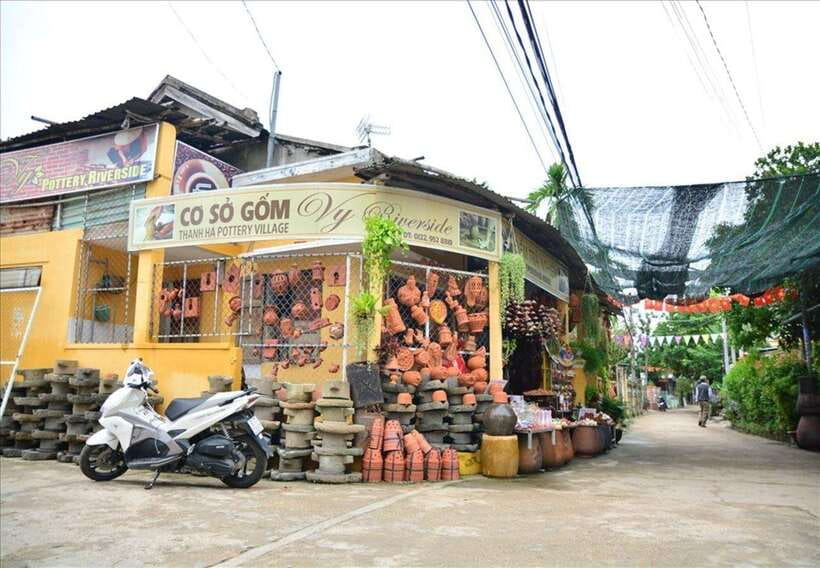
Based on how the class is set up, the strongest positives are pretty clear.
First, you get real hands-on work, not just watching. The workshop explicitly includes technique, drying, trimming, and then painting and decorating. That full sequence gives you a more complete sense of the craft.
Second, the take-home outcome is built in. You leave with your own piece plus a small gift. For $7, that’s the type of value that feels fair because you’re paying for materials and labor, not just a tour.
The main consideration is language. Since the instructor and local hosts mainly speak Vietnamese, you should plan to rely on visuals and simple communication. If you only know “hello” and “thank you,” you’ll still be fine, but don’t expect a detailed lecture in English.
Also note the activity is not suitable for wheelchair users. If mobility is an issue, skip this one and look for an alternative activity in Hoi An that’s built for access.
Price and value: why this is cheap in a good way
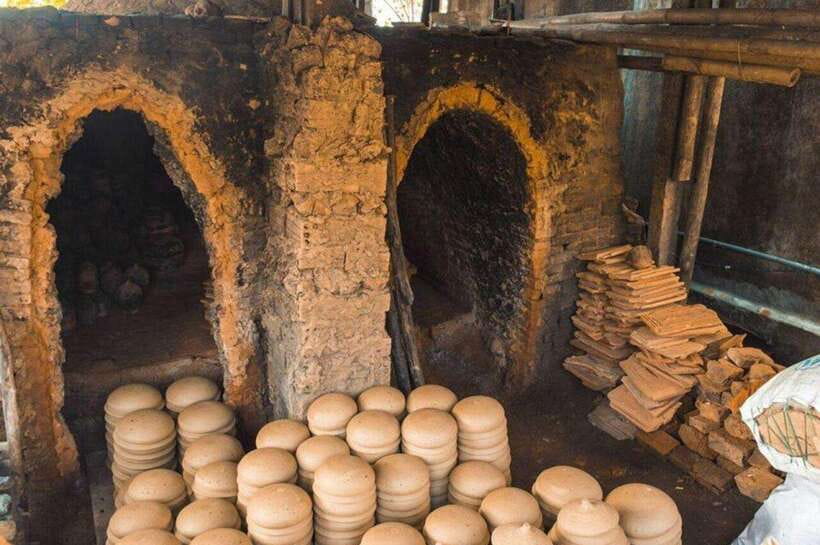
Let’s talk money. The workshop price is $7 per person, and the included items are the pottery-making fee, one little gift, and one souvenir made by you.
What you might pay elsewhere in Hoi An can feel like: pay for an activity and then pay again for materials, tickets, and extras. Here, at least the core “you make something” part is included. You still have the separate Thanh Ha village entrance ticket (35,000 VND/person), and that’s not part of the $7. But you’re still overall getting a complete mini class with a tangible result.
Another value angle: time. With a 20-minute class, you can schedule it between other plans without losing half your day. That makes it a smart choice if you want one calm, creative break amid the usual Hoi An activity swirl.
Practical tips so your workshop goes smoothly
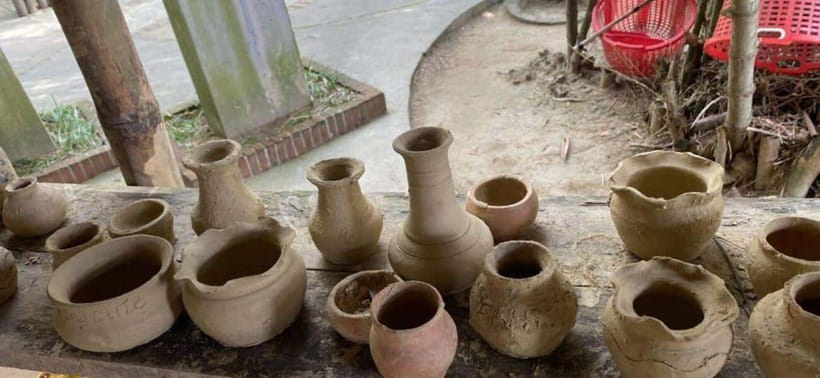
Because English support is limited, small preparation steps make a difference.
- Bring a phone with translation ready. You don’t need fancy questions—just basic communication.
- Wear clothes you don’t mind getting a little messy. Even short pottery work can mean paint residue or dust.
- Keep your expectations aligned with the time. You’ll make a souvenir, but it’s designed as a short guided session, not a long studio experience.
- If you really want to finish your decoration, consider extending the time while you’re there.
And when you arrive, pay attention to the ticket instruction. You’ll stop at the ticket counter at the entrance gate to buy the 35,000 VND ticket. After that, you can focus on the class itself.
Who this pottery workshop is best for
This workshop is a great fit if you want:
- a short creative activity in Hoi An
- a hands-on souvenir that’s actually made by you
- a cultural craft experience focused on process (not just shopping)
- an easy add-on with an optional self-guided walk afterward
It’s also a good option for people who prefer smaller, simpler “do the activity” experiences rather than long guided tours.
If you need step-free access or wheelchair compatibility, it’s not listed as suitable, so you’ll want to choose another craft experience in the area.
Should you book Hoi An: Pottery Making Workshop With Local Craftsmen?
If you want a quick, low-stress pottery experience with a real take-home piece, I think this is an easy yes. The price is reasonable for what you get: pottery-making instruction for key steps, a gift, and a souvenir made by you, all in about 20 minutes.
Book it if you’re happy to communicate through visuals and simple phrases and you’re okay with the workshop being short. Skip it if language barriers would frustrate you or if mobility/access is a concern.
If you’ve got one free slot in Hoi An and you want to make something with your hands instead of just buying souvenirs, this workshop is a solid choice.
Make a Little Hoi An to Take Home
- Hoi An: Vietnamese Coffee Culture and Coffee Making Class
★ 4.9 · 4,006 reviews - Hoi An: Vietnamese Foldable Lantern Making Class
★ 4.9 · 3,742 reviews - Cooking Class Hoi An:Local Market, Basket Boat, Fishing & Cooking
★ 5.0 · 3,660 reviews - Hoi An Cooking Class(Market,BasketBoat Crabfishing&Cooking Class)
★ 5.0 · 3,386 reviews - From Hoi An: Market Tour, Basket Boat Ride and Cooking Class
★ 4.8 · 2,208 reviews - Hoi An Full Lantern Making Class- A special Foldable lantern
★ 5.0 · 2,007 reviews
More Tour Reviews in Hoi An
- Hoi An: Basket Boat Ride in the Coconut Forest
★ 4.9 · 4,956 reviews - Hoi An: Vietnamese Coffee Culture and Coffee Making Class
★ 4.9 · 4,006 reviews - Hoi An: Vietnamese Foldable Lantern Making Class
★ 4.9 · 3,742 reviews - Cooking Class Hoi An:Local Market, Basket Boat, Fishing & Cooking
★ 5.0 · 3,660 reviews - Hoi An Cooking Class(Market,BasketBoat Crabfishing&Cooking Class)
★ 5.0 · 3,386 reviews - Hoi An: My Son Sanctuary Early Morning w. Champa Food Brunch
★ 4.9 · 2,750 reviews
Potters, Carvers and Silk Villages
- Hoi An Countryside Biking Tour(Vegetable village -basket boat – fishing village)
★ 5.0 · 216 reviews - Hoi An: Tra Que Herb Village Cooking Class
★ 4.5 · 102 reviews - Hoi An Local Market and Vegetable Village Cooking Class
★ 5.0 · 93 reviews - Hoi An: Wood Carving Class with Village Master Artisan
★ 4.9 · 93 reviews - Hoi An: Thanh Ha Village Tour with Pottery Making and Gift
★ 4.8 · 78 reviews - Discover Traditional Silk Process in Hoi An Silk Village
★ 4.4 · 60 reviews
Just Reviewed: Fresh Hoi An Trips






Traditional Craft Villages, compared.
 ★ 5.0basket boat – fishing village)From $45216 reviews
 ★ 4.5Tra Que Herb Village Cooking ClassFrom $28102 reviews
 ★ 4.9Wood Carving Class with Village Master ArtisanFrom $3193 reviews
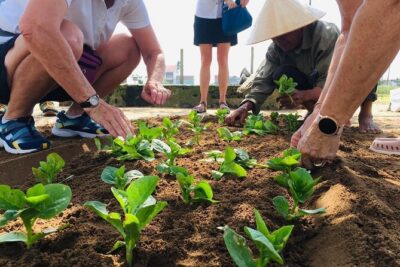 ★ 5.0Hoi An Local Market and Vegetable Village Cooking ClassFrom $2993 reviews
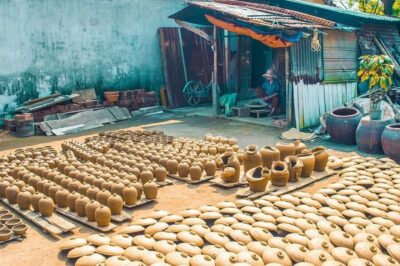 ★ 4.8Thanh Ha Village Tour with Pottery Making and GiftFrom $2378 reviews
 ★ 4.4Discover Traditional Silk Process in Hoi An Silk VillageFrom $1160 reviews
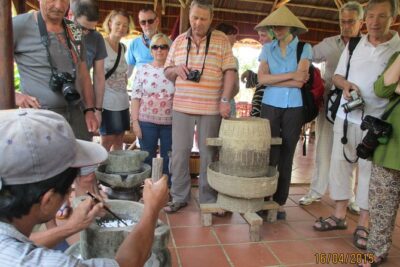 ★ 5.0Hoi An countryside biking – Basket Boat – Vegetable village – Local home CookingFrom $5837 reviews
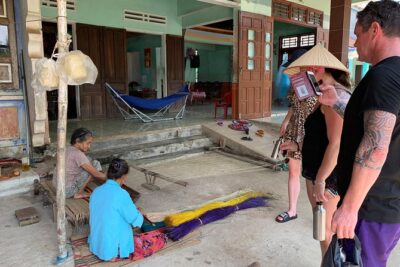 ★ 5.0Cocopalm Forest To A Craft VillageFrom $3231 reviews
Browse the lists this tour appears in