
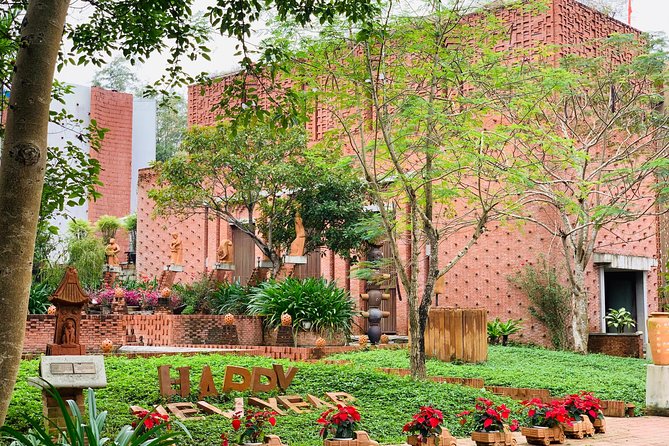
Reviewed · LANTERN MAKING & CRAFTS
Hoi An Craft Villages And Lantern Making Tour
Four hours on the river beats a museum day. This Hoi An tour strings together wood, pottery, and lantern craft with relaxing boat time along the Thu Bon River. It’s a focused way to see how local artisans earn a living without turning your afternoon into a shopping sprint.
Two things I really like are the short, well-spaced craft stops and the fact that you get an English-speaking guide to translate what you’re actually seeing. On top of that, the boat rides help you move between villages at a slow pace—so the day feels calm instead of rushed.
One consideration: the pottery stop can feel more like observing production than hands-on fun. If you were hoping for something more dramatic, you might find the pottery village more straightforward, especially if terracotta visuals are not your thing.
In This Review
- Key points worth your time
- Thu Bon River craft tour: the calm rhythm of craft villages
- Pickup and timing: how the tour fits real Hoi An days
- Boarding the Thu Bon River: scenery that explains the setting
- Kim Bong Carpentry Village: woodcraft with boat-building roots
- Thanh Ha Pottery Village: terracotta production up close
- Lantern-making lesson in Hoi An: putting craft into your hands
- Value for $40: what you’re really paying for
- Who this tour suits best (and who should skip)
- Small group experience: why it helps your learning
- What to do with your time after the tour
- Should you book the Hoi An craft villages and lantern making tour?
- FAQ
- How long is the Hoi An Craft Villages and Lantern Making Tour?
- What’s included in the $40 price?
- Do I get to ride a boat?
- Which craft villages are visited?
- Is there a lantern-making component?
- How big are the groups?
- What about children’s pricing?
- Can I cancel for a refund?
Key points worth your time
- Thu Bon River cruise + craft stops keep the day scenic and easy-flowing
- Kim Bong carpentry village highlights traditional woodwork and boat-building culture
- Thanh Ha pottery village lets you watch villagers making everyday terracotta items like pots
- Lantern-making finish turns the tour from watching into doing (at least briefly)
- Small group size (max 15) makes it simpler to ask questions
Thu Bon River craft tour: the calm rhythm of craft villages

Hoi An’s craft villages aren’t just places to buy souvenirs. They’re working communities, and this tour is set up to show that in a realistic way. You’ll spend much of your time in transit on the Thu Bon River, then step into craft areas for short, clear windows of observation and learning. The best part is how the pace matches the theme: slow enough to notice details, structured enough that you still cover multiple crafts in one afternoon.
At about 4 hours 30 minutes, it also fits nicely between beach time, an evening stroll in the old town, or a dinner plan you already have. The route doesn’t try to cram in everything. Instead, it gives you a strong sense of how different crafts share the same local economy and geography—by the water, with families passing skills down.
And yes, you’ll see lantern crafting too, which is perfect if you’re already picturing glowing streets in Hoi An. This tour helps you connect the lanterns you see at night with the people who actually make them.
Fold and glue your own, a few more workshops
- Hoi An Full Lantern Making Class- A special Foldable lantern★ 5.0 · 2,007 reviews
- Hoi An: Basket Boat with Lantern-Making & Cooking Class Tour★ 4.9 · 1,444 reviews
- The Lantern Lady: Traditional Lantern Class in Old Town★ 4.9 · 444 reviews
- Hoi An: Local Foldable Lantern-Making Class with Locals★ 4.9 · 410 reviews
Pickup and timing: how the tour fits real Hoi An days
This is built for convenience in a central way. You get hotel pickup and drop-off in Hoi An City Center, plus bottled water and air-conditioning during transportation. That matters in Hoi An because the weather can feel long and heavy, especially later in the day.
The tour also has a clear rhythm of stops with set time blocks for each craft village. You’re not wandering alone for hours, and you’re not stuck in one place too long either. From a value standpoint, I like that the timing is tight enough to reduce downtime—but generous enough that you’re not just “peeking” and leaving.
Group size is capped at a maximum of 15 travelers, which is a sweet spot for a craft tour. Big groups can turn workshops into a traffic jam. Here, the smaller cap generally makes it easier to hear the guide and ask follow-up questions.
One practical note: the tour includes boat and entrance fees, but it doesn’t include personal shopping or drinks. If you’re the type who plans to buy something, keep a little extra cash ready so you’re not scrambling at the end.
Boarding the Thu Bon River: scenery that explains the setting
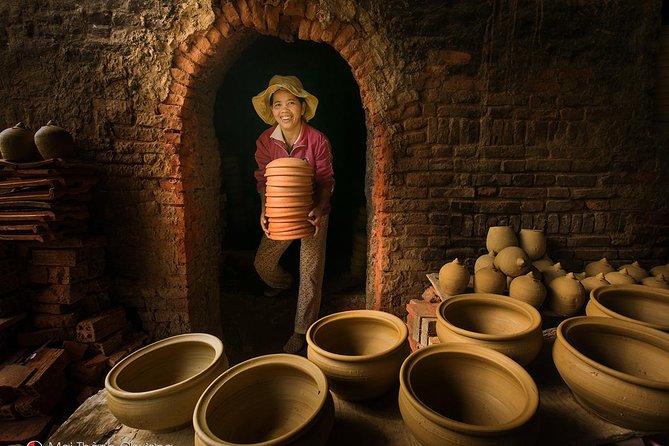
The tour’s backbone is the river. You’ll travel by boat between stops—first to the carpentry village and then onward to the pottery village. Even if you’ve never thought about how geography affects crafts, this part makes it obvious. Boats connect the villages and make transport simpler for heavy or breakable goods.
What I like about the river portion is that it breaks the day into something pleasant. You’re not overheating in a vehicle the whole time, and you’re not in a single workshop room for the entire afternoon. The river time gives your brain room to register what you’re seeing when you arrive.
It’s also a good way to set expectations. As you float along the Thu Bon area, you can start thinking about the crafts as a network: woodwork, ceramics, and later lantern-making all tie into local materials, skill traditions, and community work.
Kim Bong Carpentry Village: woodcraft with boat-building roots
Kim Bong is where the tour shifts from scenic travel to hands-on cultural watching. You’ll spend about 1 hour 30 minutes in this village area, and the theme here is carpentry—plus the surrounding craft culture that includes boat-building and woodworking traditions.
The village traces back to the 15th century, shaped by artisans who came from Thanh Hoa, Nghe An, and Ha Tinh. That origin detail is more than trivia. It helps you understand why you’re seeing specific woodworking approaches and styles—craft knowledge arrived with people, then grew locally over generations.
From a visitor’s-eye view, this is a strong stop because wood is visually easy to understand. Tools, carved forms, and the step-by-step feel of making something solid are naturally engaging. Even if you don’t know carpentry terminology, you can still follow the workflow: shaping, refining, and preparing pieces for their final use.
One subtle benefit: carpentry village time tends to give you plenty of chances for questions. Woodworkers often have a lot of practical reasoning behind their choices—what to use, what to avoid, how to make something sturdy. With an English-speaking guide, you’re more likely to catch those explanations rather than just stare at finished products.
Potential drawback: if you’re expecting a hands-on workshop where you leave with a carved object, the tour description suggests more of an observation experience. You’ll learn and watch, but don’t assume you’ll do full carpentry work yourself.





Thanh Ha Pottery Village: terracotta production up close
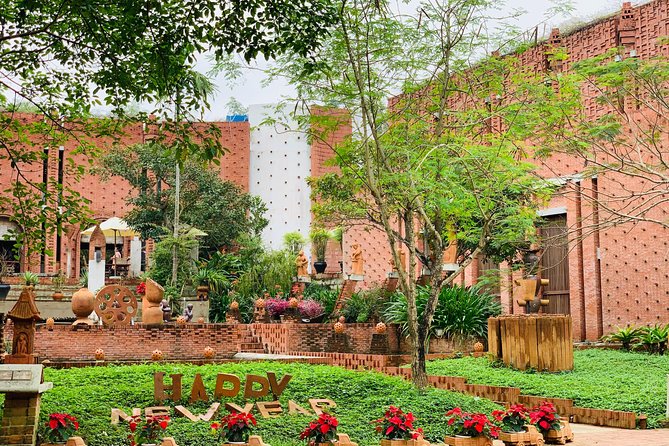
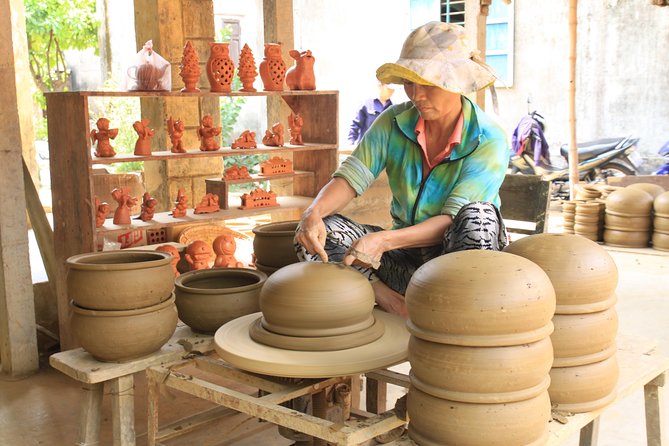
After the carpentry stop, the tour moves to Thanh Ha Pottery Village for about 45 minutes. This is the ceramics chapter, centered on terracotta items like vases, pots, and kettles.
This part is interesting for a different reason than wood. Clay work is about transformation. You’re watching a material change from workable form to fired, durable objects. And even if you don’t see every step in detail in a short stop, you can usually catch the logic of how shaping and firing relate to the final product.
One reason I think this stop is still worth it: it’s focused. The village approach keeps your attention on the actual items people use and sell, not just museum-style displays. You get to see the practical side of pottery as local livelihood.
That said, here’s the consideration: if you’re looking for variety beyond terracotta visuals, you may feel the pottery stop is on the simpler side. The pottery is often described as mostly terracotta, and some visitors found it more plain than they expected. In other words, if you want lots of different materials or dramatic finished pieces, adjust your expectations.
Tip for your visit: look for process cues rather than only final shapes. Notice how pieces are formed, how the items hold their shape, and how the workshop environment supports repeat production. That’s where the story is.
Lantern-making lesson in Hoi An: putting craft into your hands

The final stop is a visit to a local lantern craftsman for about 40 minutes. This is the part that turns the tour from viewing into participation.
Lanterns are one of Hoi An’s most recognizable symbols, but the real value here is learning the traditional art behind them. Even when the experience is brief, it gives you a chance to connect the dots between the glowing lanterns you see on streets and the craft process behind them.
This stop also works as a natural finish. After wood and pottery, lantern craft is lighter in feel and easier to talk about with your guide. It’s also a good time to ask about how lantern styles connect to Hoi An’s identity and seasonal events—because lanterns are inherently tied to celebrations and street life.
What to watch for: how the lantern maker handles materials, tools, and finishing. Lantern crafting tends to involve careful assembly and finishing work, and that attention to detail is what makes the final result look effortless.
Value for $40: what you’re really paying for
At $40 per person, this tour can be a strong deal in Hoi An because it stacks multiple costs into one ticket. You’re getting:
- Hotel pickup and drop-off in the city center
- English-speaking guide (other languages possible with a surcharge)
- Air-conditioned transport
- Boat rides on the Thu Bon River between stops
- Entrance fees and boat included
- Bottled water and travel insurance
If you tried to piece this together yourself—transport to craft villages, arranging boat time, and paying for entrance access—you’d likely spend more than the tour price fast. The tour also saves mental energy. You don’t need to figure out schedules or coordinate separate transport between villages.
My only “value check” is for people who want maximum hands-on time. The stops sound observation-heavy, especially for carpentry and pottery. If you want intensive workshop crafting, you may feel this is more about learning and seeing rather than making a full souvenir.
Still, for an afternoon that includes a river cruise and three craft experiences, $40 is reasonable.
Who this tour suits best (and who should skip)

This fits best if you like:
- Craft-focused travel where you watch real work
- Cultural context over pure sightseeing
- A calmer afternoon with boat scenery
- Asking questions and learning how skills connect to local life
You might skip it (or at least adjust expectations) if:
- You’re only interested in hands-on making
- You expect the pottery stop to include lots of variety beyond terracotta
- You hate guided time and prefer total freedom
Families can consider it too. The tour notes a children policy with free entry for ages 0–5 and 50% off for ages 6–10, with limits on how many children can accompany each adult (the second child pays adult price).
Small group experience: why it helps your learning
With a maximum group size of 15 travelers, this is far more conversational than the huge bus-style tours. And the experience descriptions you provided include cases where the group was smaller than the maximum, which typically means you can get quicker answers from your guide.
You’ll also feel it in the flow between stops. Craft villages can be crowded depending on the time of day. A smaller group makes it easier to move through workshops and keep your focus on what matters.
If you get an especially strong guide, the tour quality jumps. One guide named Emily has been noted for good English and for making the carpentry and pottery experience feel engaging and fun. Even when your guide isn’t Emily, the tour’s design aims to keep explanations clear and practical.
What to do with your time after the tour
This tour ends with lantern craft and then drops you back in central Hoi An. That’s helpful because you can immediately switch gears from workshops to city wandering.
A good approach is to walk with a slightly sharper eye tonight. When you see lanterns after dark, you’ll know there’s a working craft process behind that glow. And if you pass a craft shop, you’ll be better at asking the right questions—wood, clay, and paper materials each have different handling and finishing.
If you’re also planning to shop, do it with intention. This tour is about understanding the work first. Shopping can come later, when you have context.
Should you book the Hoi An craft villages and lantern making tour?
I’d book it if you want a scenic river afternoon plus real craft village observation, all without logistics stress. The price is fair for what you get—especially since boat rides and entrance fees are included—and the small group cap helps keep it personal.
I’d think twice if you’re coming mainly for hands-on crafting or if you’re specifically hoping pottery will be visually varied and not mostly terracotta. In that case, you might still enjoy the carpentry and lantern portion, but keep your expectations grounded.
If you want a practical takeaway: this is a good middle-of-the-day plan when you’re in Hoi An and you’d rather understand how people live than just collect photos.
FAQ
How long is the Hoi An Craft Villages and Lantern Making Tour?
It runs about 4 hours 30 minutes.
What’s included in the $40 price?
The tour includes hotel pickup and drop-off in Hoi An city center, bottled water, an English-speaking guide, air-conditioned transportation, travel insurance, entrance fees/boat, and transportation as per the itinerary.
Do I get to ride a boat?
Yes. The tour includes a Thu Bon River cruise and boat rides between the craft villages.
Which craft villages are visited?
You’ll visit Kim Bong Carpentry Village and Thanh Ha Pottery Village, then end with a lantern craftsman.
Is there a lantern-making component?
Yes. The tour includes a visit to a local lantern craftsman to learn about traditional lantern making.
How big are the groups?
The maximum group size is 15 travelers.
What about children’s pricing?
Children ages 0–5 are free, and ages 6–10 get 50% off. The policy also notes that only the first child with an adult is covered as a child; the second child pays the adult price.
Can I cancel for a refund?
Yes. You can cancel for free up to 24 hours in advance for a full refund. If you cancel less than 24 hours before the start time, the amount paid is not refunded.
More Tours in Hoi An
- From Hoi An: Market Tour, Basket Boat Ride and Cooking Class
★ 4.8 · 2,208 reviews - Hoi An: Basket Boat with Lantern-Making & Cooking Class Tour
★ 4.9 · 1,444 reviews - Coconut Jungle Eco & Hoi An City Tour With Boat Ride
★ 5.0 · 800 reviews - Hoi An: Ancient Town Guided Walking Tour
★ 4.9 · 766 reviews - Hai Van Pass Motorbike Private Tour with Mister T Easy Rider
★ 5.0 · 742 reviews - Hoi An Countryside: Guided Morning or Afternoon Bicycle Tour
★ 4.9 · 686 reviews
More Tour Reviews in Hoi An
- Hoi An: Basket Boat Ride in the Coconut Forest
★ 4.9 · 4,956 reviews - Hoi An: Vietnamese Coffee Culture and Coffee Making Class
★ 4.9 · 4,006 reviews - Hoi An: Vietnamese Foldable Lantern Making Class
★ 4.9 · 3,742 reviews - Cooking Class Hoi An:Local Market, Basket Boat, Fishing & Cooking
★ 5.0 · 3,660 reviews - Hoi An Cooking Class(Market,BasketBoat Crabfishing&Cooking Class)
★ 5.0 · 3,386 reviews - Hoi An: My Son Sanctuary Early Morning w. Champa Food Brunch
★ 4.9 · 2,750 reviews
Make Your Own: More Lantern Workshops
- Hoi An: Vietnamese Foldable Lantern Making Class
★ 4.9 · 3,742 reviews - Hoi An Full Lantern Making Class- A special Foldable lantern
★ 5.0 · 2,007 reviews - Hoi An: Basket Boat with Lantern-Making & Cooking Class Tour
★ 4.9 · 1,444 reviews - The Lantern Lady: Traditional Lantern Class in Old Town
★ 4.9 · 444 reviews - Hoi An: Local Foldable Lantern-Making Class with Locals
★ 4.9 · 410 reviews - Hoi An: Cooking Class with Market, Lantern Making, Basket Boat
★ 5.0 · 221 reviews
Just Reviewed: Fresh Hoi An Trips



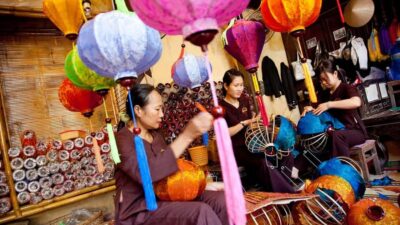


Lantern Making & Crafts, compared.
 ★ 4.9Vietnamese Foldable Lantern Making ClassFrom $103,742 reviews
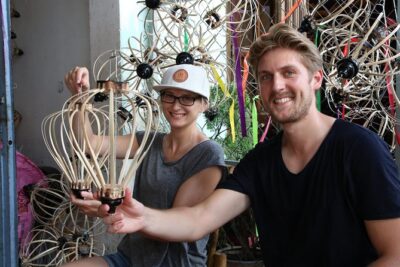 ★ 5.0A special Foldable lanternFrom $152,007 reviews
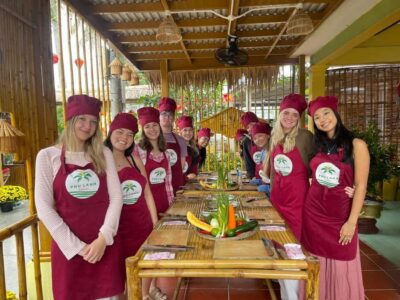 ★ 4.9Basket Boat with Lantern-Making & Cooking Class TourFrom $301,444 reviews
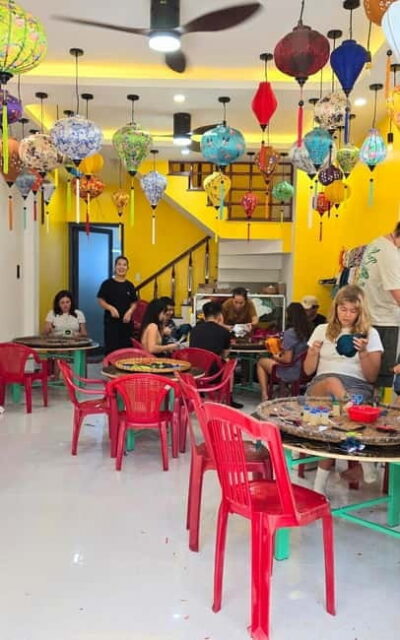 ★ 4.9The Lantern Lady: Traditional Lantern Class in Old TownFrom $6444 reviews
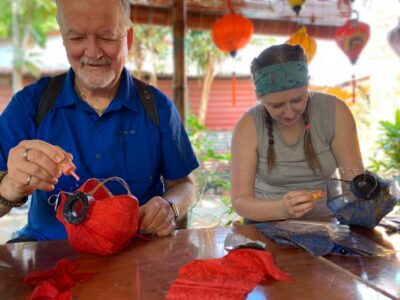 ★ 4.9Local Foldable Lantern-Making Class with LocalsFrom $8410 reviews
 ★ 5.0Cooking Class with Market, Lantern Making, Basket BoatFrom $30221 reviews
 ★ 5.0Express Hoi An Lantern Making Class-Foldable lanternsFrom $11201 reviews
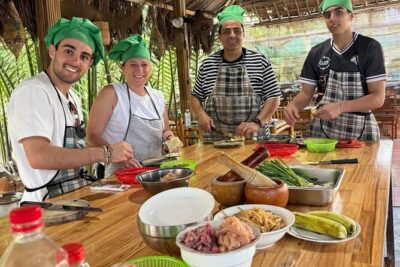 ★ 5.0Making Lantern & Cooking Class-BasketBoat Ride,Crab fishingFrom $33162 reviews
Browse the lists this tour appears in