
Reviewed · VIETNAMESE COFFEE EXPERIENCES
Hoi An Coffee Roastery Experience: Brew & Taste Like a Local
Smell roasted coffee. Learn the rules behind it. This Hoi An coffee roastery experience takes you into a working setup at Trí Long Coffee, where you watch small-batch roasting and understand how roast levels shape sweetness, acidity, aroma, and body. It also gives you a clear path from Vietnamese coffee tradition to the drinks people actually order every day.
I really like the hands-on brewing part, because you do the steps yourself using fresh-roasted beans and traditional tools. One thing to plan for: the coffee workshop space can be quite loud, so if you hate noise, bring earplugs and don’t expect a quiet chat.
In This Review
- Key highlights at a glance
- Trí Long Coffee: Where the workshop starts and why that matters
- From farm to small-batch roast: the Vietnamese coffee story you’ll actually use
- Small-batch roasting drum: what you learn by watching the process
- Choose your drink: Egg Coffee, Coconut Coffee, Salt Coffee, or Phin Filter
- Brewing your own cup: how the workshop keeps it hands-on
- The two-cup rule: how to make the most of 1 hour
- What to pay attention to when you taste Egg, Coconut, Salt, and Phin Filter
- Souvenir shopping at the roastery: what you’re likely to want later
- Price and value: is $16 per person actually fair?
- Who should book this workshop, and who might want to skip
- Should you book Hoi An’s coffee roastery workshop?
- FAQ
- How long is the Hoi An Coffee Roastery Experience?
- Where is the meeting point?
- What can I choose to brew during the workshop?
- Do I need any prior coffee-making experience?
- Are vegan or non-dairy options available?
- Is the workshop refundable, and can I book without paying upfront?
- Is the workshop indoors and wheelchair accessible?
Key highlights at a glance
- Live small-batch roasting demo where you see how heat changes flavor
- Brew your own Vietnamese coffee using a guide and the right gear
- Choose 2 drinks from Phin Filter, Egg Coffee, Coconut Coffee, or Salt Coffee
- Learn what makes Vietnam’s coffee taste iconic, from roast to recipes
- Take-home shopping right after your workshop, with beans and filter tools
Trí Long Coffee: Where the workshop starts and why that matters
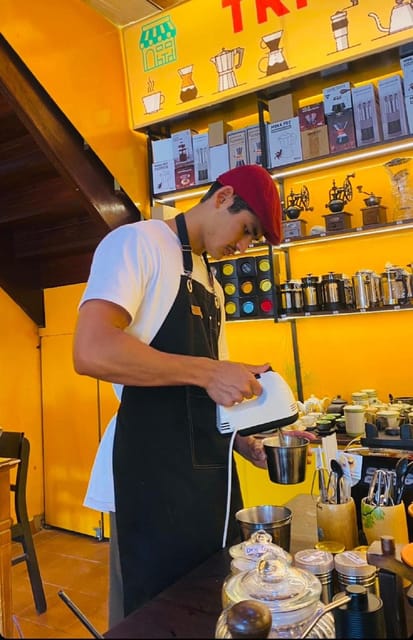
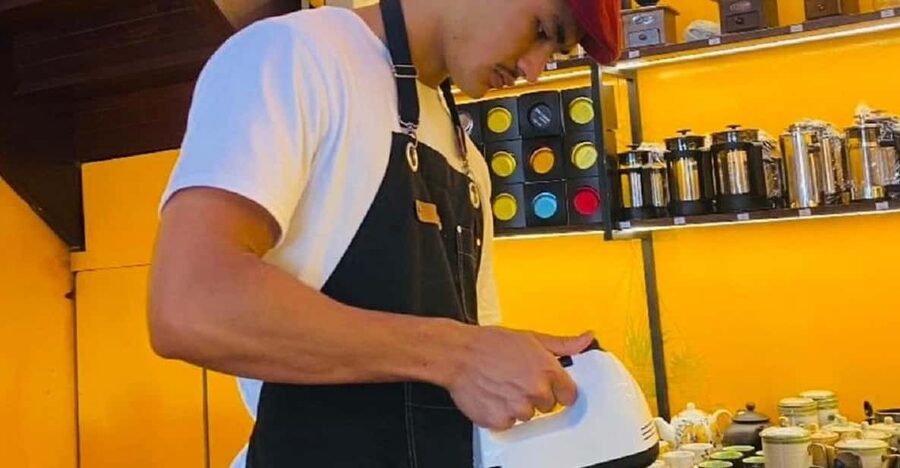
The experience meets at Trí Long Coffee, 88 Phan Châu Trinh Street in central Hoi An. Look for your guide outside the shop wearing a red hat. This is one of those details that makes a difference: you do not waste time wandering old-town streets trying to match a description to a storefront.
Because the class is only 1 hour, the pacing is tight but not rushed. You’ll start with a welcome and instructions, then move straight into the coffee story and roasting demo. You get the feel of a working roastery fast, not just a staged tasting room. For me, that’s a big reason this type of workshop works: you’re learning while you’re watching real process.
Come in comfortable clothes. The roasting area can run warm, even if the rest of the space feels normal. And if you’re sensitive to sound, mentally brace yourself. One review called out that the cafe can be quite loud, and that’s consistent with what happens in small workshops where people talk over machinery, grinders, and music.
Slow-dripped and strong, a few more cups
- Early Morning My Son Sanctuary Trip w. Champa Food & Coffee★ 5.0 · 629 reviews
- Vietnamese Culture and Coffee Making Class★ 5.0 · 497 reviews
- Hoi An: My Son Early Morning with Banh My and Coffee 6 am★ 4.7 · 205 reviews
- Hoi An: Vietnamese Coffee Making Workshop at Local Roastery★ 4.8 · 174 reviews
From farm to small-batch roast: the Vietnamese coffee story you’ll actually use
Vietnam’s coffee reputation is real, but it can feel mysterious if you only ever drink it in cafes. This workshop turns the mystery into a simple chain of choices: bean selection, how the roasting happens, and how that influences the cup you end up holding.
Your coffee specialist walks you through Vietnam’s coffee journey in plain language. You’ll hear the coffee story from the early days of the trade up through the rise of iconic Central Vietnamese drinks like Salt Coffee. Even if you don’t know anything ahead of time, you leave with a better sense of why the flavors can swing from sweet to sharp, sometimes cup to cup.
A useful part here is that you connect taste to technique. Instead of only saying this coffee is smooth or this one is strong, you’ll learn how roast level affects:
- Aroma (what you smell first)
- Sweetness (how the cup reads on the tongue)
- Acidity (the sharper edge some coffees show)
- Body (how thick or rounded it feels)
If you like ordering coffee, this changes how you do it. You’ll start noticing roast impact, not just brand names. You’ll also understand why Vietnamese coffee can feel different from what you’re used to in other countries.
Small-batch roasting drum: what you learn by watching the process
The best classroom moments in coffee aren’t reading slides. They’re standing close enough to notice what the roaster is doing. Here, you watch a live demonstration of small-batch roasting, and you can feel the heat and listen for the changes happening in real time.
The workshop describes it like this for a reason: the sound of beans cracking and the warmth near the roasting drum are cues that help you understand the process. You’re learning more than theatrics. You’re learning how roasters control flavor by managing the roast.
You also get a practical takeaway: different roast levels change the balance of the cup. The guide links roasting choices to what you later taste in your own drink. That’s the difference between a tasting that ends with I liked it and a tasting that gives you a repeatable understanding.
And yes, it smells amazing. That’s not a marketing line. Fresh roasted beans in a small room create a full sensory hook. It makes it easier to pay attention to the details your instructor is explaining.
Choose your drink: Egg Coffee, Coconut Coffee, Salt Coffee, or Phin Filter
After the roasting demo, you pick what you want to brew. The workshop offers traditional and specialty styles, and you’ll likely recognize them from Vietnamese coffee menus back home.
Your options include:
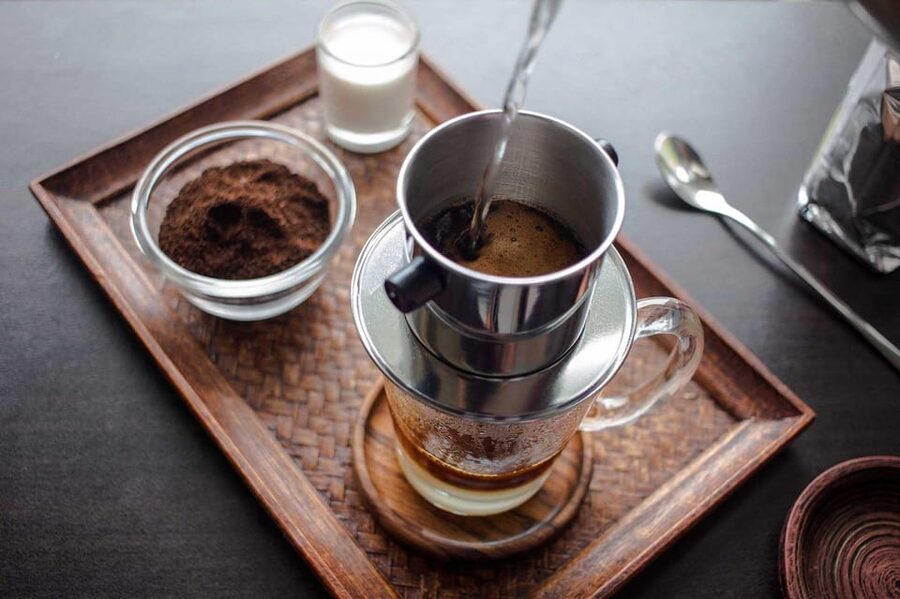
- Phin Filter coffee (a classic Vietnamese filter style)
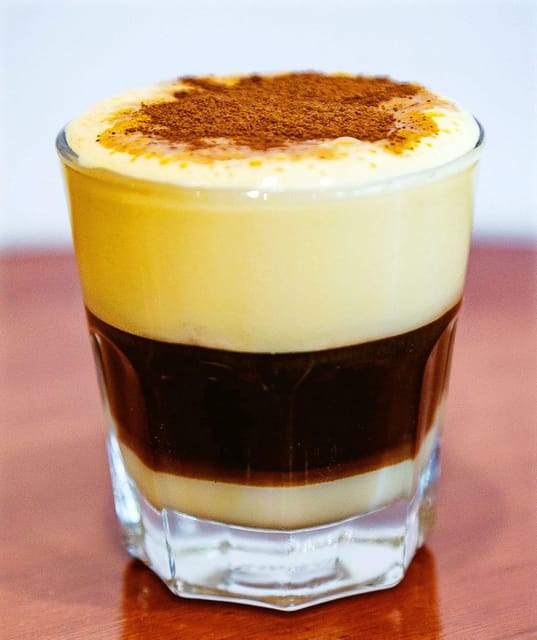
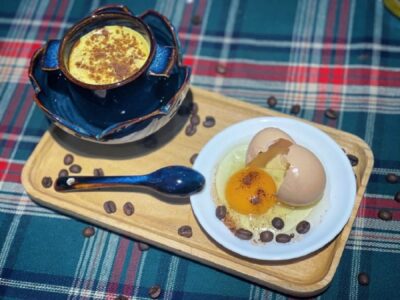
- Egg Coffee (the creamy, dessert-like favorite)
- Coconut Coffee (aromatic and smooth)
- Salt Coffee (a specialty associated with Central Vietnam)
Here’s a smart structure built into the experience: you make two cups yourself. From the four signature drinks, you choose two. That means you can compare styles instead of only sampling one direction.
If you’re a first-timer, I’d treat this like a mini tasting flight with hands-on work. Pair a traditional base like Phin Filter with a signature like Egg Coffee or Coconut Coffee. If you’re already a Vietnamese coffee fan, you can pick two styles to compare texture and sweetness: creamy vs. lighter, aromatic vs. bold.
Also note: vegan and non-dairy options are available for selected coffee types. The workshop is set up to accommodate these choices, which is helpful if you eat or drink with restrictions.
A few more Hoi An trips worth weighing before you book:




Brewing your own cup: how the workshop keeps it hands-on
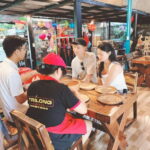
This is where the experience earns its value. You’re not just watching. You’re brewing with guidance. You’ll work through the steps to prepare your chosen Vietnamese coffee style using the provided tools and ingredients, with fresh-roasted beans from the roastery.
What I like about this format is that the steps create a clear relationship between effort and result. You’ll pay attention to:
- how the coffee is prepared in the Vietnamese style you picked
- how brewing choices affect how it tastes and feels
- what makes the drink come out the way it’s supposed to
You also get to ask questions while you’re working. That matters because coffee instruction is one of those things where small changes make big differences. If you like to understand what you’re doing, this is the moment.
The workshop takes place indoors, which helps on rainy or hot days. You’re also in a controlled environment, so you can focus on the brewing rather than weather. Just remember the roasting area can be warm, so do not dress like you’re heading to a museum.
Finally, there’s a tasting moment right after brewing. You sit with your handmade coffee in a cozy setting with local music and the easy charm of being in Hoi An. It’s the right pacing: work, taste, then browse.
The two-cup rule: how to make the most of 1 hour
At $16 per person and 1 hour total, the workshop has a simple mission: get you learning and drinking without turning your day into a full project. The two-cups-yourself format is the key to making that time feel worth it.
Instead of a single drink tasting, you get:
- one cup that represents a style you likely already know or want to benchmark
- a second cup that shows you another side of Vietnamese coffee culture
If you’re the type who likes to take photos, do it quickly. Your time is better spent smelling and tasting in order. Coffee changes as it cools and as aromas settle, and the guide’s pacing encourages you to pay attention while the cup is at its best.
Also, the included setup matters. You’re getting all ingredients and equipment plus guided instruction, and you are making two drinks. That shifts the value away from a generic tasting and toward an actual skill-building activity.
What to pay attention to when you taste Egg, Coconut, Salt, and Phin Filter
Even without fancy tasting notes, you can learn a lot by comparing the cups you made. Use your senses in a simple order: smell first, then taste, then texture.
Here’s how I’d frame the differences so you can make sense of what you’re drinking:
- Phin Filter coffee gives you the baseline. It’s a classic Vietnamese way to brew, so taste it like your reference point.
- Egg Coffee tends to feel creamy and dessert-like. When you sip it, focus on how the mouthfeel lands. You’re tasting chemistry plus technique, not just sweetness.
- Coconut Coffee brings aroma into the foreground. Pay attention to how it smells as much as how it tastes, because coconut flavor often shows up strongly in the nose.
- Salt Coffee is the one that surprises many people. Salt can make flavors pop, and that’s the point. It’s tied to Central Vietnam, and you’ll likely recognize why once you taste it.
The roasting demo sets you up for this moment. If you paid attention to roast levels earlier, you’ll catch how acidity and sweetness behave in the final drinks. It’s not just a cool story. It’s a practical tasting lens you can reuse later.
Souvenir shopping at the roastery: what you’re likely to want later
When the class ends, you can browse a souvenir area right at the roastery. This part is useful because it helps you keep the experience going after the last sip.
You may see items like:
- premium roasted beans and ground coffee
- cocoa and handmade filter tools
- local ceramics and Hoi An-inspired gifts
If you want to recreate what you learned, the coffee and filter gear are the obvious buys. Even if you only take one bag home, you’re keeping the connection between roaster techniques and your kitchen routine.
Just keep your expectations realistic. You’re not buying a museum piece. You’re buying practical coffee tools and roasted beans, and that’s the point.
Price and value: is $16 per person actually fair?
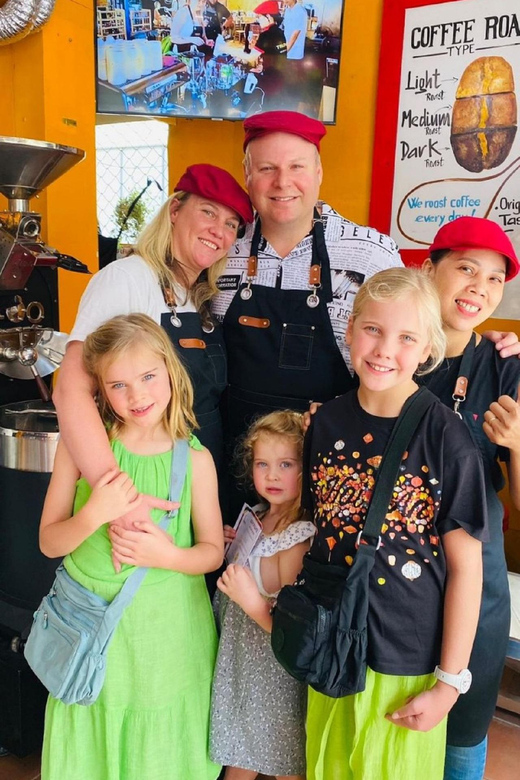
At $16 per person for a 1-hour workshop, the value is mostly in what’s included. You get:
- a guided tour of a local roastery
- a live roasting demonstration
- hands-on brewing instruction
- equipment, ingredients, and making two cups you choose
Many coffee tastings charge for a drink count only. This one charges for instruction plus process plus two handmade results. That’s why it can feel fair even if you’re not a hardcore coffee person. You’re paying to understand how Vietnamese coffee becomes Vietnamese coffee, then tasting the payoff.
Where it can feel less ideal is if you want a quiet, slow, sit-down experience. If you’re there for calm sipping, the loudness in the cafe might be a dealbreaker. But if you’re there to learn, ask questions, and brew, the pace and structure fit the price.
Who should book this workshop, and who might want to skip
This is a great choice for:
- coffee lovers who want more than tasting notes
- curious travelers who like food process as much as the final flavor
- anyone planning a morning or afternoon in Hoi An old town who wants a hands-on activity
It may not be ideal if:
- you strongly prefer quiet environments
- you want a long, relaxed sit-and-chat experience (this runs about an hour)
- you’re only looking to try one drink and move on (this works best when you use the two-cup option)
A small practical tip: if sound bothers you, consider quick earplugs. The workshop environment can be noisy, and that’s not a reflection on the instruction quality. It’s just how small roastery classrooms can run.
Should you book Hoi An’s coffee roastery workshop?
If you want an activity that’s short, practical, and rooted in real coffee making, this is a smart booking. I’d tell you to book it if you like learning by doing and want a clear understanding of why Vietnamese coffee flavors taste the way they do. The two cups you brew yourself plus the roasting demo are the main reasons it feels worth your time.
If you’re craving peace and quiet, go in with a plan. Bring earplugs and focus on tasting and instruction rather than conversation volume. Either way, you’ll leave with a new way to think about Phin Filter, and a better handle on why Egg Coffee and Salt Coffee taste the way they do in Vietnam.
FAQ
How long is the Hoi An Coffee Roastery Experience?
The workshop lasts about 1 hour.
Where is the meeting point?
Meet at Trí Long Coffee, 88 Phan Châu Trinh Street, Hội An. Your guide stands outside wearing a red hat so you can find them easily.
What can I choose to brew during the workshop?
You can choose from Phin Filter coffee, Egg Coffee, Coconut Coffee, or Salt Coffee. You will make two cups (choose 2 of the 4 signature drinks).
Do I need any prior coffee-making experience?
No. The workshop is suitable for all ages and you do not need prior coffee-making experience.
Are vegan or non-dairy options available?
Yes. Vegan and non-dairy options are available for selected coffee types.
Is the workshop refundable, and can I book without paying upfront?
There is free cancellation up to 24 hours in advance for a full refund, and you can reserve now and pay later.
Is the workshop indoors and wheelchair accessible?
Yes. The workshop takes place indoors and the experience is wheelchair accessible.
More Coffee Experiences in Hoi An
- Hoi An: Vietnamese Coffee Culture and Coffee Making Class
★ 4.9 · 4,006 reviews - Early Morning My Son Sanctuary Trip w. Champa Food & Coffee
★ 5.0 · 629 reviews - Vietnamese Culture and Coffee Making Class
★ 5.0 · 497 reviews - Hoi An: My Son Early Morning with Banh My and Coffee 6 am
★ 4.7 · 205 reviews - Hoi An: Vietnamese Coffee Making Workshop at Local Roastery
★ 4.8 · 174 reviews - Hoi An: Lantern and Coffee Making Class
★ 5.0 · 154 reviews
More Tour Reviews in Hoi An
- Hoi An: Basket Boat Ride in the Coconut Forest
★ 4.9 · 4,956 reviews - Hoi An: Vietnamese Coffee Culture and Coffee Making Class
★ 4.9 · 4,006 reviews - Hoi An: Vietnamese Foldable Lantern Making Class
★ 4.9 · 3,742 reviews - Cooking Class Hoi An:Local Market, Basket Boat, Fishing & Cooking
★ 5.0 · 3,660 reviews - Hoi An Cooking Class(Market,BasketBoat Crabfishing&Cooking Class)
★ 5.0 · 3,386 reviews - Hoi An: My Son Sanctuary Early Morning w. Champa Food Brunch
★ 4.9 · 2,750 reviews
Hoi An by the Cup
- Hoi An: Vietnamese Coffee Culture and Coffee Making Class
★ 4.9 · 4,006 reviews - Early Morning My Son Sanctuary Trip w. Champa Food & Coffee
★ 5.0 · 629 reviews - Vietnamese Culture and Coffee Making Class
★ 5.0 · 497 reviews - Hoi An: My Son Early Morning with Banh My and Coffee 6 am
★ 4.7 · 205 reviews - Hoi An: Vietnamese Coffee Making Workshop at Local Roastery
★ 4.8 · 174 reviews - Hoi An: Lantern and Coffee Making Class
★ 5.0 · 154 reviews
Just Reviewed: Fresh Hoi An Trips



Vietnamese Coffee Experiences, compared.
 ★ 4.9Vietnamese Coffee Culture and Coffee Making ClassFrom $144,006 reviews
 ★ 5.0Early Morning My Son Sanctuary Trip w. Champa Food & CoffeeFrom $21629 reviews
 ★ 5.0Vietnamese Culture and Coffee Making ClassFrom $15497 reviews
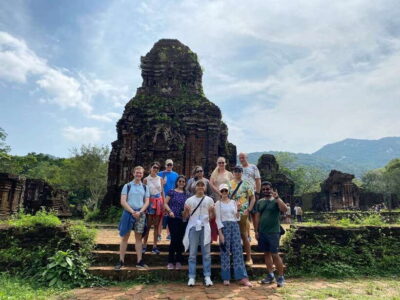 ★ 4.7My Son Early Morning with Banh My and Coffee 6 amFrom $18205 reviews
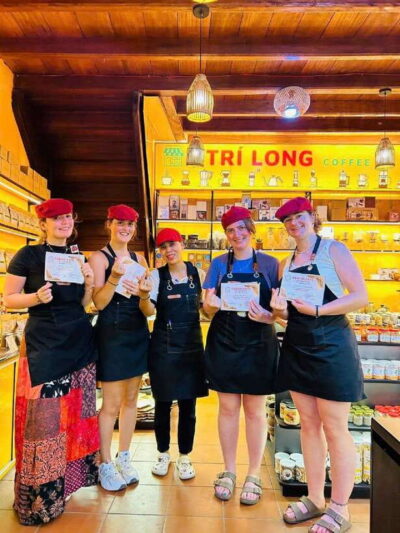 ★ 4.8Vietnamese Coffee Making Workshop at Local RoasteryFrom $16174 reviews
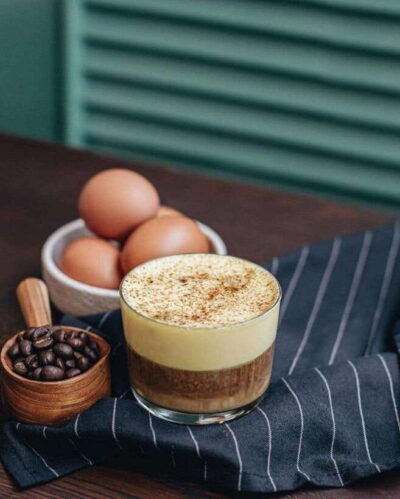 ★ 5.0Lantern and Coffee Making ClassFrom $24154 reviews
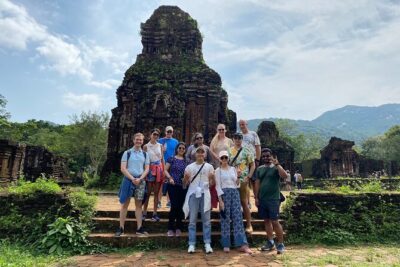 ★ 5.0My Son Sanctuary Early Morning Tour 6 am w Banh my and CoffeeFrom $21142 reviews
 ★ 4.8Hands-on Vietnamese Coffee Making Class with LongFrom $1566 reviews
Browse the lists this tour appears in