
Reviewed · HOI AN FOOD TOURS
Hoi An: City and Food Tour
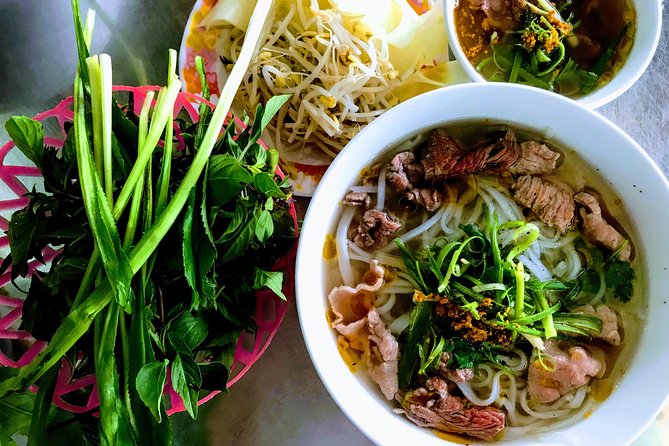
Hoi An can feel like a food maze at first. This city and food tour turns that chaos into a clear route through Old Town, with Chinese, Japanese, and Vietnamese sights plus local breakfast street favorites. I like that the tour is built for your first days in town, so you don’t waste time figuring out where to start.
I especially like two things: you get landmark context as you walk, and you keep tasting along the way instead of just sightseeing. When I spoke with my guide, Thuy’s approach was practical and upbeat, and the food stops made the whole experience feel like a real local morning. One possible drawback: while the tour is English-speaking, one review noted the guide can be more casual and tighter to the script, so if you want lots of free-form conversation, you may want to ask questions early.
In This Review
- Key points before you go
- First Bite Philosophy: Why This Tour Works in Hoi An
- Small Group, 4 Hours, and the Pace That Keeps You Moving
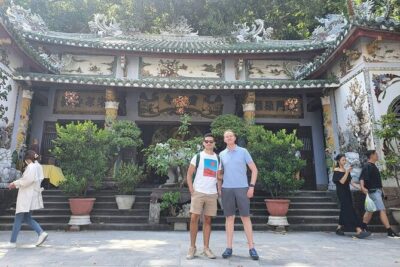
- Old Town Landmarks on Foot: Covered Bridge and Chinese Assembly Halls
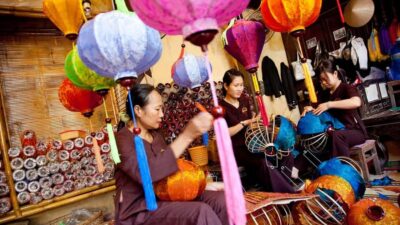
- Handicrafts and Market Time: Seeing How the City Produces
- Vietnamese Cuisine History, Explained While You Eat
- The 15-Minute Foot Massage: A Thoughtful End to the Tour
- Price and Value: What $32 Covers (and What Costs Extra)
- When the Guide Matters: English Level, Style, and Asking Questions
- Who Should Book This Hoi An Food and City Tour?
- Should You Book This Tour?
- FAQ
- How long is the Hoi An City and Food Tour?
- What is included in the price?
- Are entrance tickets included?
- Is there pickup or drop-off service?
- Does the tour run in bad weather?
- Can the tour accommodate vegetarians or food allergies?
- How big is the group?
- Is a private tour available?
- FAQ
- What language is the tour guide?
- Is the tour wheelchair accessible?
- Can I cancel and get a refund?
- Does it offer reserve now, pay later?
Key points before you go
- Small group (max 12): easier pacing for a food-focused walk.
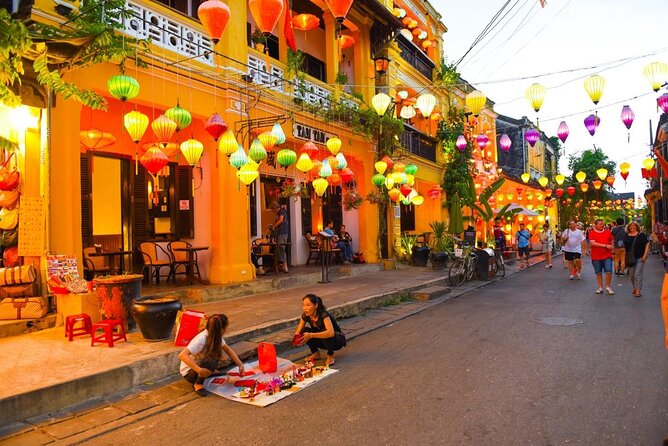
- Old Town on foot: you hit famous sights like the Japanese Covered Bridge and key Chinese Assembly Halls without rushing.
- Breakfast street food focus: you learn Vietnamese cuisine culture by eating, not just listening.
- Hoi An Center market + handicraft making: you see how locals shop and create, not only what they eat.
- 15-minute foot massage included: a simple reset at the end when your feet need it most.
First Bite Philosophy: Why This Tour Works in Hoi An
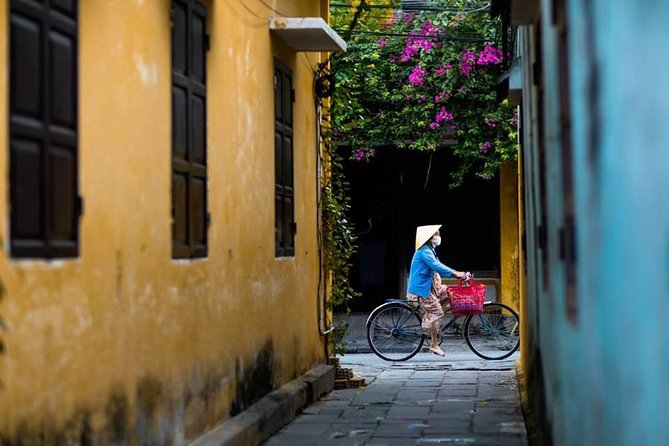
Hoi An is one of those places where food is part of the city’s identity, not an afterthought. What I like about this tour is that it treats breakfast street food as the map. You’ll move through neighborhoods in a way that makes sense, because every stop connects back to how the city eats and what its cuisine reflects.
You also get an immediate cultural filter. Instead of ordering first and asking later, the guide shares the history and culture behind Vietnamese cuisine while you’re actually holding the food. That makes your tastings feel less random and more intentional.
This is also a good fit if you’re the type who wants a plan without losing the freedom to wander later. Once you finish, you’ll have names, landmarks, and patterns to look for on your own. You’ll stop thinking in terms of single attractions and start seeing Hoi An as a connected grid of streets, markets, temples, and snack culture.
Still peckish? More cao lau and market bites
- Evening Walking Food Tour, folk game and lantern boat★ 5.0 · 665 reviews
- Hoi An at Sunset: Authentic Local Street Food Tour★ 4.5 · 329 reviews
- Hoi An Street Food Walking Tour with Tastings★ 5.0 · 317 reviews
- Hoi An street food tour with Billy★ 5.0 · 273 reviews
Small Group, 4 Hours, and the Pace That Keeps You Moving
The tour lasts about 4 hours, and it’s designed to be steady rather than frantic. With a maximum of 12 guests, you won’t feel like you’re one more face in a crowd. That matters when you’re eating along the way, because your guide needs to keep everyone together without turning each stop into a rushed sprint.
You’ll also have a built-in structure. The route includes a leisurely stroll through Hoi An Old Town, then shifts into food-focused moments, then ends with a foot massage. This rhythm helps you pace yourself. In places where every stop is optional, it’s easy to eat too much too fast. Here, the sequence is doing the work for you.
One practical note: there’s no pickup or drop-off service. That’s not a dealbreaker, but you should plan to meet the group on your own. If you’re staying somewhere central, you’ll likely find it easy to get to the meeting point. If you’re a bit out, leave extra time so you don’t start the tour already stressed.
And yes—tours run every day, rain or shine. The good news is you’re walking with a guide anyway, so weather changes the comfort level more than the itinerary itself. Bring the right layer so you can keep enjoying the food stops instead of thinking about your jacket.
Old Town Landmarks on Foot: Covered Bridge and Chinese Assembly Halls
This is the part that gives you the city’s “why.” As you stroll through Hoi An Old Town, you’ll pass major landmarks and learn how the place became what it is today. The standout concept is the architecture mix: Chinese, Japanese, and Vietnamese styles all show up across the town.
You’ll see the Japanese Covered Bridge—a famous silhouette you’ll recognize immediately once you’re near it. On this kind of walking tour, the value isn’t that you merely see a photo spot. It’s that you understand why it’s there and how it fits into the broader story of Hoi An as a trading port and cultural meeting point.
You’ll also visit Chinese Assembly Halls. These buildings aren’t just pretty backdrops; they’re tied to community life. When the guide explains their role, you start to notice details you’d usually overlook while walking by—patterns in the architecture, the sense of gathered identity, and how these structures reinforce the city’s blend of cultures.
If you care about getting your bearings fast, this part of the tour is doing heavy lifting. Even if you later skip a few “big ticket” attractions on your own, you’ll still walk away understanding what type of place Hoi An is. And that makes your free time more rewarding.
Handicrafts and Market Time: Seeing How the City Produces
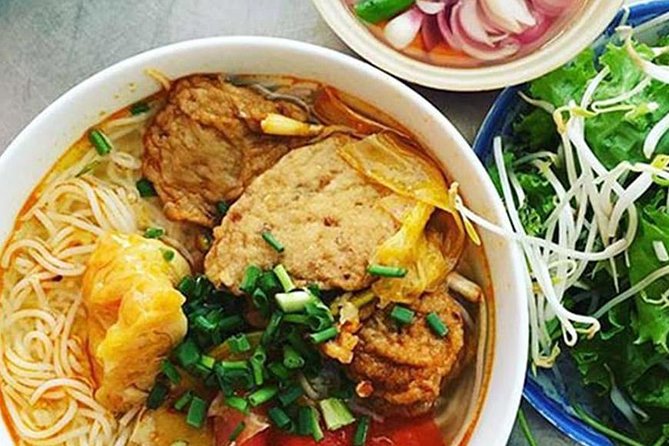
After landmark walking, the tour shifts to the practical side of life in Hoi An. You’ll include handicraft making, plus a journey to the Hoi An Center market. This is where the city stops being just scenery and turns into everyday work.
Handicraft making is valuable because you get a closer look at skills that are still part of local culture. Even if you don’t leave with a souvenir, you’ll see how materials and technique shape the final product. That perspective helps when you later shop on your own—you’ll pay more attention to quality and less attention to hype.
Then comes the market. The Hoi An Center market visit gives you a sense of how locals shop and how food culture lives in the same physical spaces as daily life. It also supports the tour’s food theme. Markets aren’t just for browsing; they’re where ingredients and routine connect.
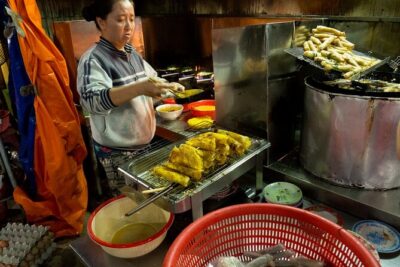
You’ll also be taken to smaller food stops favored by locals. The point isn’t to label them as secret, but to show you where regular people go when they’re hungry. That’s how you get more authentic meals than you’d likely pick just from guesswork.
Other plates and glasses worth the walk


Vietnamese Cuisine History, Explained While You Eat
This tour is explicitly focused on the history and culture behind Vietnamese cuisine, and it does that through the route. You’ll learn as you go—so the explanations are tied to what’s in front of you, not floating in the air.
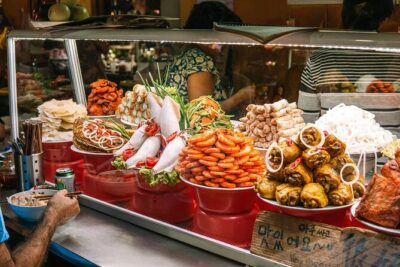
I like that the food focus centers on Hoi An’s breakfast street food. Breakfast is where local routines show up fast. It’s also a smart timing choice because many cities change their personality later in the day. In the morning, street scenes tend to be more connected to food preparation and neighborhood rhythm.
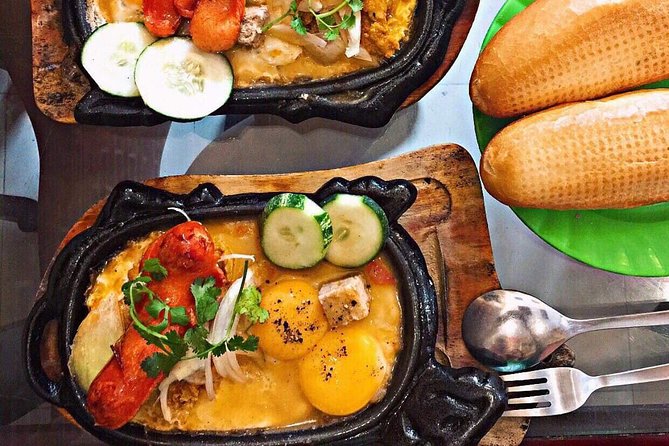
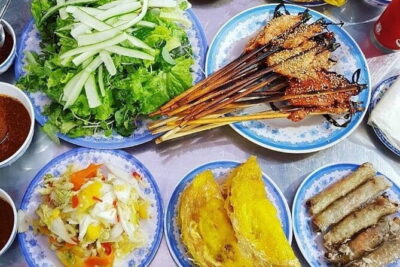
You’ll try a variety of food and drink items included in the tour. The guide also helps you understand what you’re eating—ingredients, how dishes fit Vietnamese cuisine culture, and why certain flavors and methods show up again and again. That turns eating into learning, without making it feel like a classroom.
If you have dietary needs, you’re not locked out. The tour notes that vegetarians can be catered to, and you should inform your guide about any allergies. That’s important. Street food can be flexible, but only if the guide knows your needs up front. If allergies are part of your planning, send them early so the guide can steer you safely at each stop.
The 15-Minute Foot Massage: A Thoughtful End to the Tour
By the end of the walk, your feet will tell you the truth. That’s why the included 15-minute foot massage is such a good finish. It’s not a vague add-on; it’s timed for the moment when you’ve done enough walking to appreciate actual recovery.
This is also a low-effort way to add local wellness culture without needing any extra planning. You don’t have to chase a separate appointment. You simply finish the last food moments, then settle in for a short reset.
If you’re planning more walking later in your trip, this helps you keep momentum instead of paying the penalty with sore legs. Even if you don’t think you need a massage, it’s a nice way to end a food tour on a calmer note.
Price and Value: What $32 Covers (and What Costs Extra)
At $32 per person, the value is mostly in what’s included. You get an English-speaking tour guide, plus all food and drink items as per the itinerary, and one bottle of water. You also get the 15-minute foot massage.
That means the biggest variable cost is usually not the food. It’s the optional add-on style costs like attraction tickets. In this case, entrance tickets aren’t included and are listed as $6 USD per person. So your realistic budget is about $38 total for most people, assuming you’ll want the sights that require tickets.
You also aren’t paying for private transport or pick-up service here. That can be a positive if you’re staying close by. If you need door-to-door help, you might prefer a plan with pickup, or you could consider a private tour (available for an extra 30%) if your schedule is tight.
Where this price feels fair is that the tour bundles the guide, the tastings, and the walking route you’d probably assemble yourself anyway. If you’re in Hoi An for a short time, that saved planning time is part of the value.
When the Guide Matters: English Level, Style, and Asking Questions
The guide experience seems to be the make-or-break factor. One positive highlight specifically mentioned guide Thuy, with the tour described as great and the food as delicious. That’s the kind of combination you want: clear route knowledge plus food confidence.
At the same time, there’s a note that a guide may be a bit casual with limited English outside the tour script. That doesn’t mean the tour won’t work. It just means you should treat this as a structured walking and tasting experience first, and a deep discussion second.
If you care about details, do this: ask a question early during the walk, then follow up once you’re at a stop. Food and landmarks create natural prompts, so your questions are less likely to feel random. If English conversation is important to you, you can also decide to focus on the included explanations at each tasting rather than expecting long off-script dialogue.
Small group size helps here too. With fewer people, it’s easier for the guide to check in, answer what they can, and keep the route smooth.
Who Should Book This Hoi An Food and City Tour?
This tour fits best if:
- you’re in Hoi An for the first time and want structure without stiffness
- you’re food-forward and like breakfast street food
- you want to understand the city’s look (Chinese, Japanese, Vietnamese architecture) while walking
- you appreciate a mix of landmarks, market life, and a short guided craft moment
It’s also a practical choice if you don’t want to bounce between separate tickets and separate food searches. One ticket, one walking route, and included tastings can save energy on travel days.
It might be less ideal if:
- you need lots of freedom to customize every stop
- you expect highly conversational English beyond the tour flow
- you’re only interested in ticketed attractions and don’t care about street food culture
If you’re traveling with kids, there’s a children’s rate for ages 5–10 years old. That can be a good way to keep the experience varied—walking, sights, food, and the massage. But as always, the best fit depends on your child’s tolerance for eating on the go and sitting through a steady 4-hour walk.
Should You Book This Tour?
If you want a fast, flavorful introduction to Hoi An, I think this is a strong choice. You’re paying for a guided walk that connects Old Town landmarks with street-food tastings, plus a useful reset at the end with the foot massage. For many people, that’s exactly what makes a first day in Hoi An feel manageable.
Book it if your goal is to eat well, learn while you eat, and come away with a map you can use for the rest of your trip. Consider it carefully if you’re very ticket-focused or you expect long, off-script English conversation. For most travelers—especially food-minded ones—this kind of guided structure is a smart way to get your bearings and taste the city at the same time.
FAQ
How long is the Hoi An City and Food Tour?
The tour lasts 4 hours.
What is included in the price?
The price includes an English-speaking tour guide, all food and drink items as per the itinerary, one bottle of water, and a 15-minute foot massage.
Are entrance tickets included?
No. Entrance tickets are not included and are listed as $6 USD per person.
Is there pickup or drop-off service?
No pickup and drop-off service is included.
Does the tour run in bad weather?
Yes. Tours run every day, rain or shine.
Can the tour accommodate vegetarians or food allergies?
Vegetarians can be catered to. You should inform your local guide about any food allergies.
How big is the group?
The tour is a small group with a maximum of 12 guests.
Is a private tour available?
Yes. Private tours are available for an extra 30%.
FAQ
What language is the tour guide?
The tour is guided in English.
Is the tour wheelchair accessible?
Yes, the tour is wheelchair accessible.
Can I cancel and get a refund?
Yes. You can cancel up to 24 hours in advance for a full refund.
Does it offer reserve now, pay later?
Yes. The tour offers reserve now & pay later, meaning you can book your spot and pay nothing today.
More Tours in Hoi An
- From Hoi An: Market Tour, Basket Boat Ride and Cooking Class
★ 4.8 · 2,208 reviews - Hoi An: Basket Boat with Lantern-Making & Cooking Class Tour
★ 4.9 · 1,444 reviews - Coconut Jungle Eco & Hoi An City Tour With Boat Ride
★ 5.0 · 800 reviews - Hoi An: Ancient Town Guided Walking Tour
★ 4.9 · 766 reviews - Hai Van Pass Motorbike Private Tour with Mister T Easy Rider
★ 5.0 · 742 reviews - Hoi An Countryside: Guided Morning or Afternoon Bicycle Tour
★ 4.9 · 686 reviews
More Tour Reviews in Hoi An
- Hoi An: Basket Boat Ride in the Coconut Forest
★ 4.9 · 4,956 reviews - Hoi An: Vietnamese Coffee Culture and Coffee Making Class
★ 4.9 · 4,006 reviews - Hoi An: Vietnamese Foldable Lantern Making Class
★ 4.9 · 3,742 reviews - Cooking Class Hoi An:Local Market, Basket Boat, Fishing & Cooking
★ 5.0 · 3,660 reviews - Hoi An Cooking Class(Market,BasketBoat Crabfishing&Cooking Class)
★ 5.0 · 3,386 reviews - Hoi An: My Son Sanctuary Early Morning w. Champa Food Brunch
★ 4.9 · 2,750 reviews
Eat Hoi An: More Food Walks
- Evening Walking Food Tour, folk game and lantern boat
★ 5.0 · 665 reviews - Hoi An food tour
★ 4.9 · 412 reviews - Hoi An at Sunset: Authentic Local Street Food Tour
★ 4.5 · 329 reviews - Hoi An Street Food Walking Tour with Tastings
★ 5.0 · 317 reviews - Hoi An street food tour with Billy
★ 5.0 · 273 reviews - Hoi An: Evening Food Tour with 7 Tastings and Boat Trip
★ 4.9 · 266 reviews
Just Reviewed: Fresh Hoi An Trips



Hoi An Food Tours, compared.
 ★ 5.0Evening Walking Food Tour, folk game and lantern boatFrom $39665 reviews
 ★ 4.9Hoi An food tourFrom $26412 reviews
 ★ 4.5Authentic Local Street Food TourFrom $39329 reviews
 ★ 5.0Hoi An Street Food Walking Tour with TastingsFrom $35317 reviews
 ★ 5.0Hoi An street food tour with BillyFrom $35273 reviews
 ★ 4.9Evening Food Tour with 7 Tastings and Boat TripFrom $39266 reviews
 ★ 5.0Hoi An Night Market – Ancient Town street food tours by NightFrom $45165 reviews
 ★ 4.5Hoi An Ancient Town – Night Market Street Food Tours By NightFrom $55161 reviews
Browse the lists this tour appears in