
Reviewed · HOI AN COOKING CLASSES
From Hoi An: Authentic Vietnamese Cooking Tour
Four dishes, a river ride, and real village life. This half-day Hoi An cooking tour strings together Cam Thanh village life, Thu Bon River boat time, and then a hands-on class that actually teaches you how the food comes together. You’re not just watching dinner happen.
I especially liked two parts: first, the chance to shop at the local market with an English-speaking guide, so you understand what ingredients matter and why. Second, I liked that you cook four Vietnamese dishes with chef guidance, not a rushed demo where you do two steps and call it a day.
One heads-up: the pace is outdoors, and the sun can be intense during the boat and village segments. It’s also not suitable for wheelchair users or pregnant women, so bring comfortable shoes and plan for a bit of physical activity.
In This Review
- Key moments that make this Hoi An cooking tour worth your time
- Cam Thanh feels like the real Hoi An side
- Pickup timing and how the half-day schedule actually works
- Market shopping: how you learn ingredients by touching them
- Thu Bon River time: cruise, bamboo basket boats, and a dose of sun
- Massage break: foot, head, and shoulders before you cook
- The four-dish cooking class: what you’ll actually make
- Food included: welcome drink, cold water, dessert, and what costs extra
- Who should book this Hoi An cooking tour (and who should skip it)
- Value check: why $40 feels fair here
- Should you book Sabirama Cooking Tour in Hoi An?
- FAQ
- How long is the cooking tour in Hoi An?
- Where do they pick me up from?
- Do I get hotel drop-off after the cooking class?
- What dishes will I cook?
- Is the boat ride included?
- Is the massage included?
- What should I bring, and what should I avoid?
Key moments that make this Hoi An cooking tour worth your time
- Hotel pickup and drop-off so you can start and end stress-free
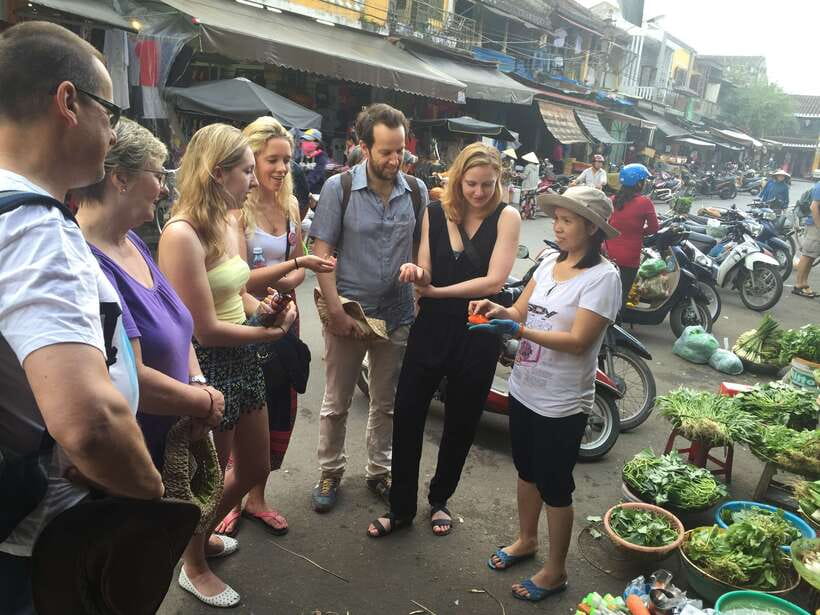
- Market shopping where you choose vegetables, fruits, and spices with an English guide
- Cruise plus bamboo basket boat time on the Thu Bon River area
- Foot, head, and shoulder massage that helps you reset before you cook
- A four-dish cooking class built around classic flavors like lemongrass and chili
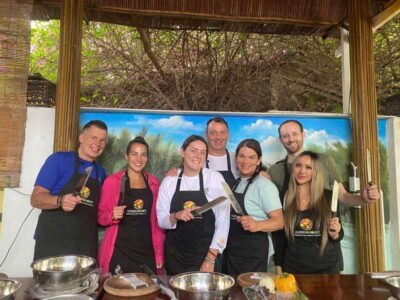
- Small-group energy that keeps the experience interactive and easy to follow
Cam Thanh feels like the real Hoi An side
Most Hoi An food tours focus on cooking only. What I like about this one is the setup: you start in the Cam Thanh countryside area, where local life feels close, not staged. You walk through a market that smells like fresh herbs and spices, then you spend time on the water before you ever step into the kitchen.
That river-to-rice-cooking flow matters. It turns the day into a simple story you can remember: ingredients first, then movement and scenery, then technique. Even if you’re not a “serious foodie,” you’ll get why Vietnamese cooking is so tied to herbs, aromatics, and balance.
And the tour doesn’t hide behind complicated explanations. The format is straightforward: pick ingredients, ride boats, get a massage, then cook four dishes you can talk about and later try to repeat at home. I also appreciate the overall friendliness from the team—many departures are led by English-speaking guides/chefs who are quick with explanations and happy to help you get it right.
Aprons on for another Hoi An kitchen
- Cooking Class Hoi An:Local Market, Basket Boat, Fishing & Cooking★ 5.0 · 3,660 reviews
- Hoi An Cooking Class(Market,BasketBoat Crabfishing&Cooking Class)★ 5.0 · 3,386 reviews
- From Hoi An: Market Tour, Basket Boat Ride and Cooking Class★ 4.8 · 2,208 reviews
- Hoi An: Basket Boat with Lantern-Making & Cooking Class Tour★ 4.9 · 1,444 reviews
Pickup timing and how the half-day schedule actually works
This tour runs in two options, both timed to fit a half day and still let you enjoy Hoi An afterward.
- Morning tour: pickup around 7:45 am in Hoi An (earlier for Da Nang hotels), start from your hotel, return before 1:00 pm
- Afternoon tour: pickup around 12:30 pm in Hoi An (earlier for Da Nang hotels), return before 6:00 pm
Da Nang hotel pickups are earlier: 7:15 am (morning) and 12:00 pm (afternoon). If you’re coming from Da Nang, plan on the ride being part of the experience, not a chore.
The tour also drops you back in a logical place. If you’re picked up in Da Nang, the drop-off is at Hoi An ancient town after the cooking class. If you’re picked up in Hoi An, you return to your original pick-up location.
Practical tip: wear shoes that can handle uneven ground. You’ll be walking some, and you’ll also want footwear that feels secure if you’re stepping on and off boats.
Market shopping: how you learn ingredients by touching them
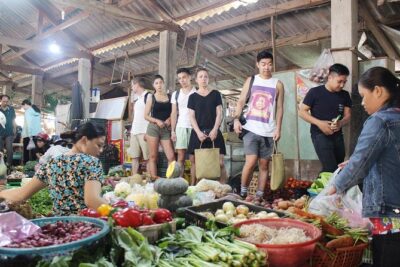
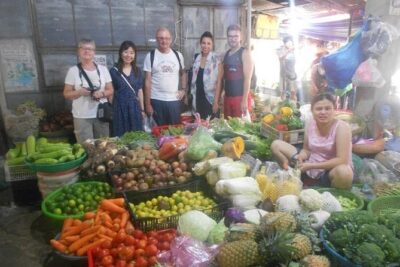
The market tour is where the tour earns its value. You’re not just browsing. You’re selecting fresh items—vegetables, fruits, and aromatic spices—based on what your chef wants you to use later.
This is the kind of learning that sticks. When you pick the ingredient yourself, you remember it when you see it again at home. You also start noticing patterns common to Vietnamese cooking: herbs and aromatics aren’t an optional garnish—they’re part of the flavor engine.
You’ll also get a real sense of how Vietnamese cooks build meals. For example, one of the mango-style dishes uses seafood plus pork, and another course leans into chicken with lemongrass and chili. Those flavors don’t come from magic. They come from buying the right components and treating them with care—especially fresh herbs and the spice balance.
If you’re traveling with kids, this market segment tends to work well because there’s plenty to point at and discuss. It’s colorful, active, and easy to engage with, while still grounded in real cooking inputs.
Thu Bon River time: cruise, bamboo basket boats, and a dose of sun
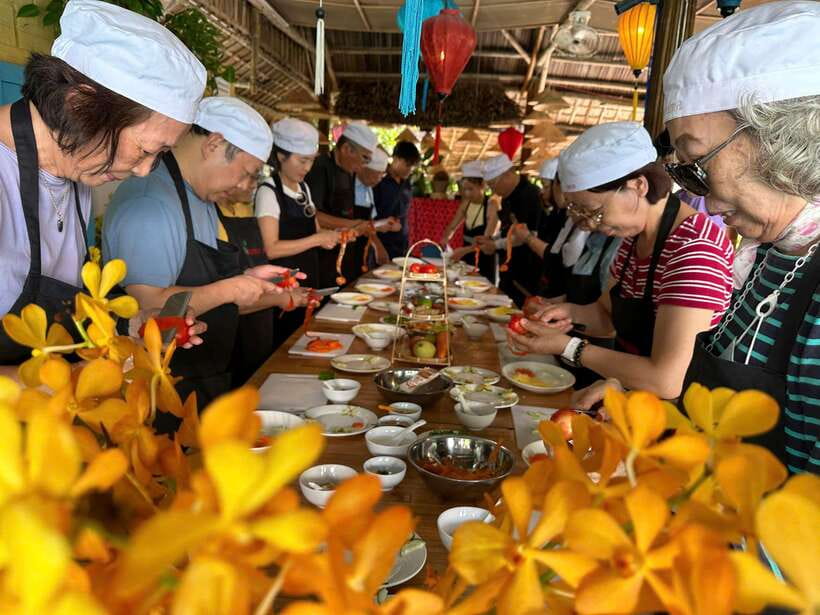
After the market, you move toward the cooking school area by water. The day includes a river cruise and then a bamboo basket boat ride. The Thu Bon River scenery is part of why this tour feels different from a standard class.
The bamboo boat portion can be especially fun because it’s not just sitting back. You’ll be in the boat, moving with the river rhythm. Depending on the day and route, you may also switch to a short cart ride on the way to the cooking school, including carts pulled by an ox or similar local transport described on some departures.
What to know before you go: the sun and heat can hit hard. Bring your sun hat and wear sunglasses. Also, consider bringing a small towel or wiping cloth if you run warm easily. You’ll be happier for the cooking part if you don’t feel sweaty and drained before you start.
The good news: boat time also breaks the day up. You’re not trapped in a classroom until the end. You get scenery, movement, and that countryside feeling before you get your hands dirty.
More hours at the Hoi An stove


Massage break: foot, head, and shoulders before you cook
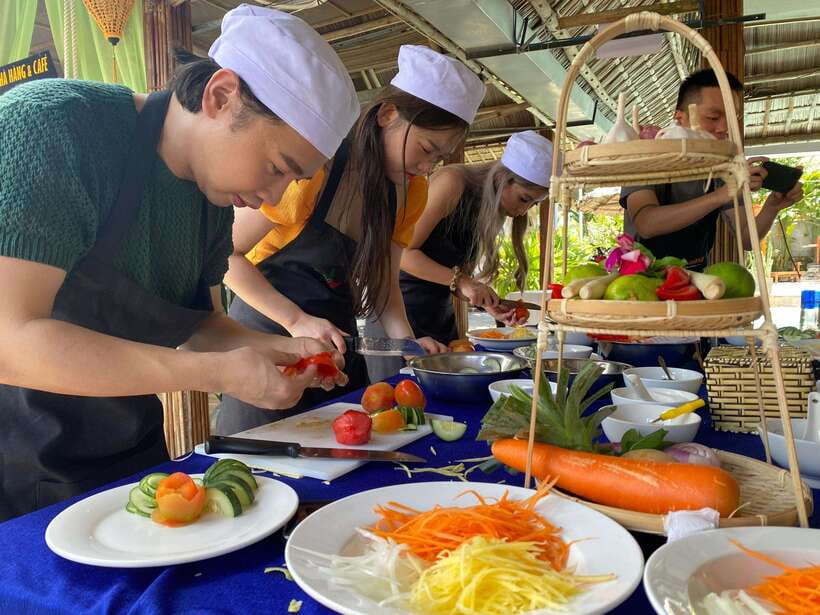
One of the easiest-to-like moments is the foot, head, and shoulder massage. It shows up right after the boat segments, and it helps you reset before cooking.
This matters more than it sounds. Cooking classes involve standing, chopping, tasting, and repeating motions. If your legs feel tired after walking around a market and getting in and out of boats, a massage is a smart buffer. It turns the day from sightseeing into something more like a full experience.
You’ll also have a welcome drink during this transition, which helps you cool down. Many people rate this moment highly because it’s relaxing and practical, not just a quick add-on.
If you tend to get stiff while traveling, this is the kind of included break that makes the entire afternoon (or morning) feel smoother.
The four-dish cooking class: what you’ll actually make
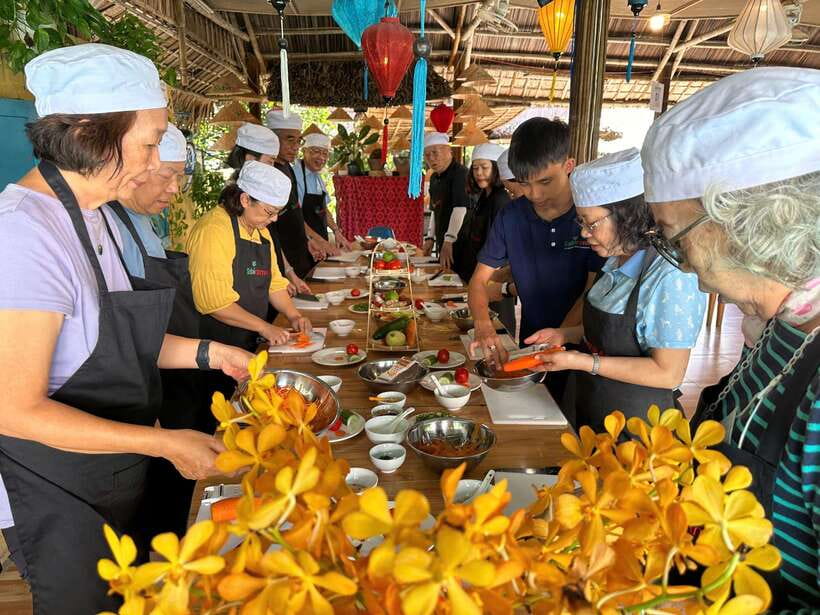
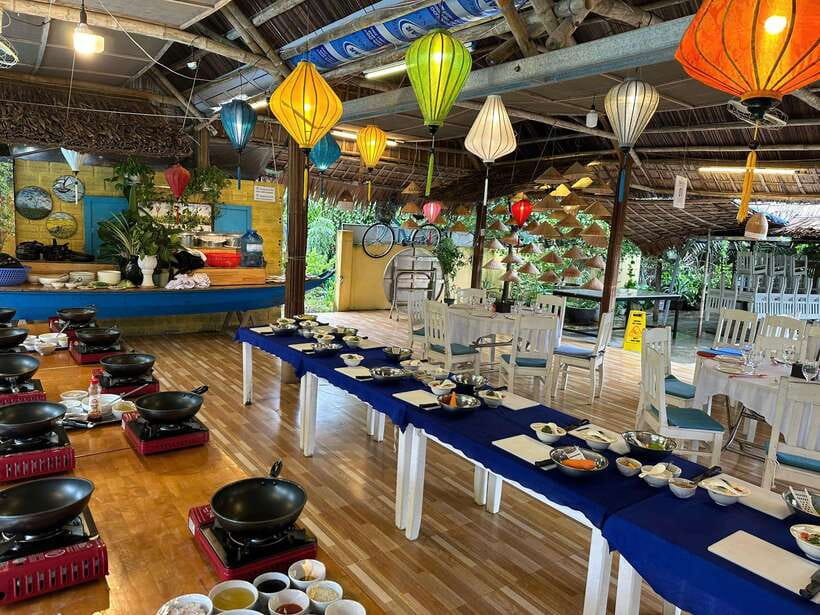
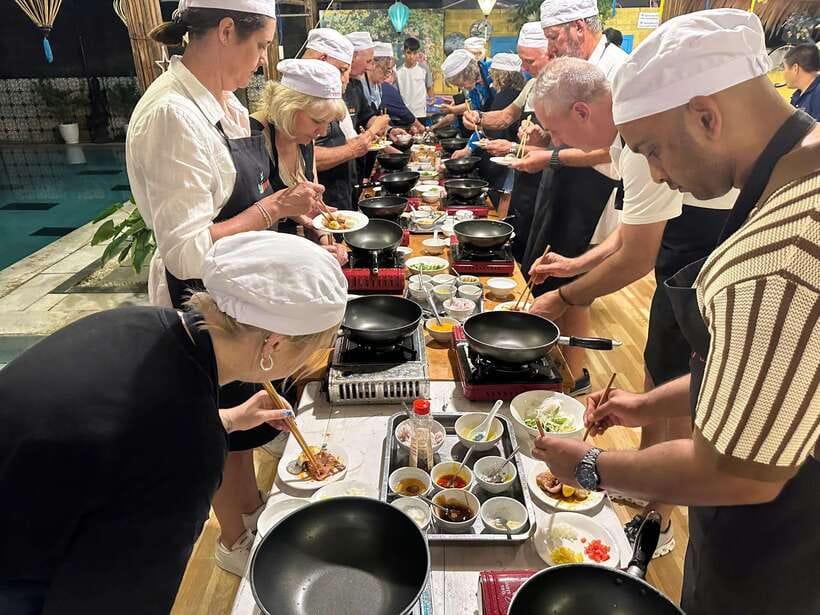
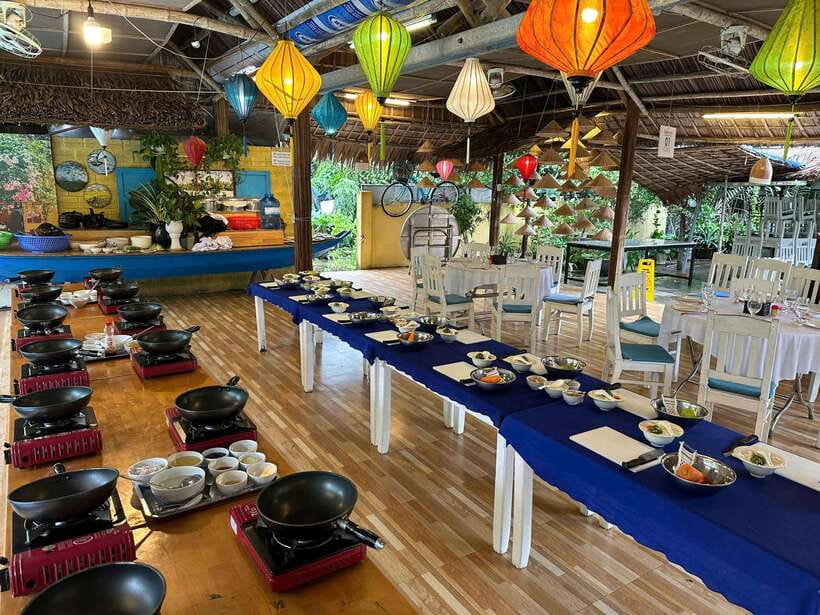
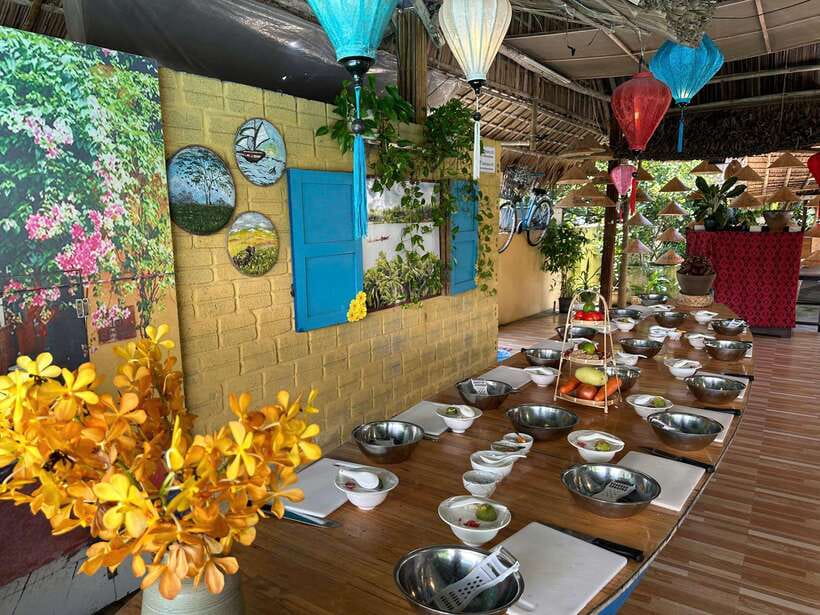
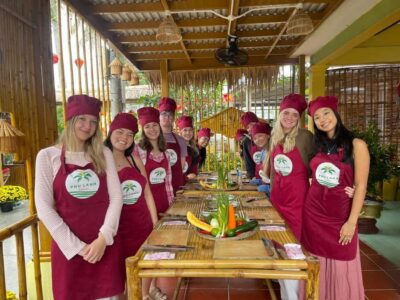
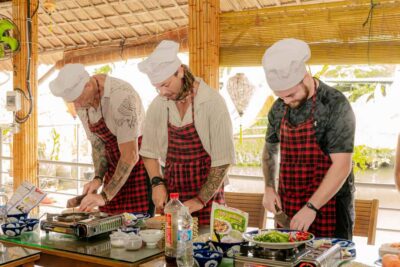
The cooking class is the core of the Sabirama experience. You’ll prepare four Vietnamese dishes, guided by an English-speaking chef/instructor. Based on what the tour commonly teaches, you can expect a mix of savory, fresh, and fried/stitched-together elements.
Here are examples of dishes referenced as part of the teaching menu:
- Mango salad with shrimp and pork (or mango salad with seafood)
- Chicken with lemongrass and chili
- Vietnamese pancake
- Fresh rolls
Some departures also mention dishes like chicken curry, with cooking techniques that teach you how to build flavor using aromatics and seasoning rather than relying on complicated shortcuts. Another described course combination includes items like papaya salad and beef pho, which suggests the menu may vary slightly by day or group.
What I like about the way this class is structured is that you’re not just learning recipes—you’re learning decisions. For instance:
- How to prep ingredients so flavors distribute evenly
- How to balance fresh elements (like mango and herbs) with savory components
- How to use spice and chili without turning everything one-note
You also likely get hands-on instruction for things like ingredient cutting and assembly. In one described experience, guests learned vegetable carving skills, which is a fun bonus if you enjoy small technique challenges.
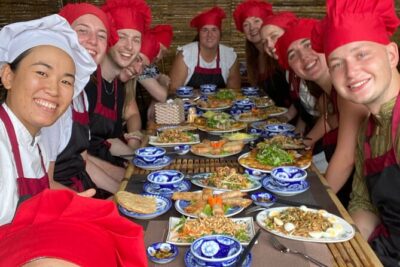
And yes, you’ll leave with the satisfaction of having made several dishes instead of one plate. You’ll also be eating what you cook—plus dessert—so the day feels like you truly got your money’s worth.
Food included: welcome drink, cold water, dessert, and what costs extra
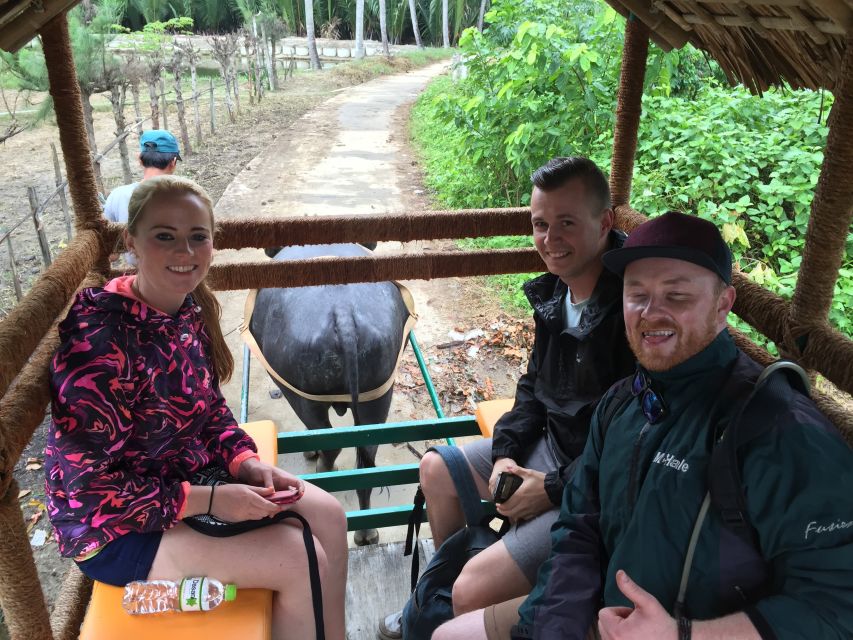
The tour includes a welcome drink and one free cold water. You’ll also get dessert after cooking. Soft drinks and alcohol are not included, so if you want soda or beer, plan on paying on site.
You’ll eat four dishes plus dessert, so you should plan your schedule around that. I’d avoid a heavy breakfast right before a morning tour or a big late lunch right before an afternoon tour. Instead, treat it like your main meal moment.
What’s also included: the ingredients for the dishes and the class itself, plus some cooking setup items like food decorations. The point is that the experience is built to be complete, with you cooking and eating as part of a single flow rather than paying for “a lesson” and eating separately.
If you’re vegetarian, there’s a strong sign the team can adapt. One departure specifically describes perfect vegetarian catering for a vegetarian traveler, but the safest move is still simple: tell the operator in advance so they can plan your menu.
Who should book this Hoi An cooking tour (and who should skip it)
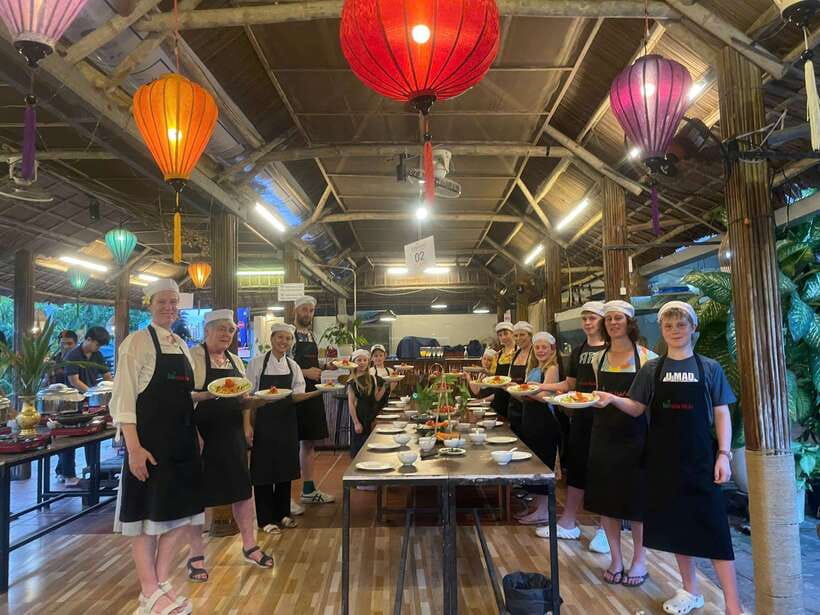
This tour fits best if you want more than a cooking class. It’s ideal for people who like a structured day with variety: market + boats + massage + cooking.
You’ll probably love it if:
- you’re traveling with family and want something kids can enjoy without sitting still too long
- you like learning by doing and want recipes you can try later
- you’re visiting Hoi An for a short stay and want a strong “one afternoon” experience
- you want a countryside feel beyond the ancient town streets
You may want to skip or choose another option if:
- you need wheelchair access (it’s not suitable for wheelchair users)
- you’re pregnant (not suitable for pregnant women)
- you hate heat and outdoor walking (the boat/village segments are sun-exposed)
As for group size and energy, some departures are run as smaller groups, which tends to make it feel more personal and less chaotic. That’s a real plus for learning cooking basics without feeling lost.
Value check: why $40 feels fair here
At around $40 per person, this tour is good value because you’re not paying for only cooking.
You get:
- hotel pickup and drop-off
- market tour with an English-speaking guide
- river cruise and bamboo basket boat time
- massage
- a guided cooking class for four dishes
- dessert and drinks like cold water (plus a welcome drink)
So even if you only cared about the food, four dishes with instruction is already solid. But the bigger value is the “stacked experience.” You buy one ticket and get multiple senses of Hoi An—market culture, countryside scenery, and cooking skills—without needing to coordinate transport yourself.
In practice, the day also feels efficient. You’re busy the whole time, but not stuck doing one repetitive activity. The schedule is built to keep you engaged from arrival to return.
Should you book Sabirama Cooking Tour in Hoi An?
If you want a half-day plan that feels authentic and practical, I’d book it. The best parts are the combination: ingredient shopping where you choose produce and spices, Thu Bon River boat time that adds real atmosphere, and then a hands-on class that teaches you how to cook dishes you’ll actually recognize.
Book it if:
- you like guided activities that still feel local
- you want to eat what you cook
- you’d enjoy a market-to-kitchen story more than a single indoor lesson
Consider a different option if:
- you’re very sensitive to heat and outdoor movement
- you need accessibility accommodations
- you only want cooking and nothing else
FAQ
How long is the cooking tour in Hoi An?
The tour runs about 4 to 4.5 hours, and it’s listed as a 5-hour experience. Morning tours return before 1:00 pm, and afternoon tours return before 6:00 pm.
Where do they pick me up from?
Pick-up is from your hotel or preferred location in Hoi An, and from your hotel in Da Nang. Da Nang pickups are earlier (7:15 am morning, 12:00 pm afternoon), while Hoi An pickups are 7:45 am and 12:30 pm.
Do I get hotel drop-off after the cooking class?
Yes. If you were picked up in Da Nang, the drop-off is in Hoi An ancient town. If you were picked up in Hoi An, you return to your original pick-up location.
What dishes will I cook?
You’ll cook four Vietnamese dishes. Examples mentioned include mango salad with shrimp and pork, stir-fried chicken with lemongrass and chili, Vietnamese pancake, and fresh rolls.
Is the boat ride included?
Yes. The experience includes a cruise on the river and a bamboo basket boat ride on the way to the cooking school area.
Is the massage included?
Yes. It includes a foot, head, and shoulder massage, along with a refreshing drink.
What should I bring, and what should I avoid?
Bring a passport or ID card, comfortable shoes, sunglasses, and a sun hat. Pets are not allowed, and luggage or large bags are not allowed.
More Tours in Hoi An
- From Hoi An: Market Tour, Basket Boat Ride and Cooking Class
★ 4.8 · 2,208 reviews - Hoi An: Basket Boat with Lantern-Making & Cooking Class Tour
★ 4.9 · 1,444 reviews - Coconut Jungle Eco & Hoi An City Tour With Boat Ride
★ 5.0 · 800 reviews - Hoi An: Ancient Town Guided Walking Tour
★ 4.9 · 766 reviews - Hai Van Pass Motorbike Private Tour with Mister T Easy Rider
★ 5.0 · 742 reviews - Hoi An Countryside: Guided Morning or Afternoon Bicycle Tour
★ 4.9 · 686 reviews
More Tour Reviews in Hoi An
- Hoi An: Basket Boat Ride in the Coconut Forest
★ 4.9 · 4,956 reviews - Hoi An: Vietnamese Coffee Culture and Coffee Making Class
★ 4.9 · 4,006 reviews - Hoi An: Vietnamese Foldable Lantern Making Class
★ 4.9 · 3,742 reviews - Cooking Class Hoi An:Local Market, Basket Boat, Fishing & Cooking
★ 5.0 · 3,660 reviews - Hoi An Cooking Class(Market,BasketBoat Crabfishing&Cooking Class)
★ 5.0 · 3,386 reviews - Hoi An: My Son Sanctuary Early Morning w. Champa Food Brunch
★ 4.9 · 2,750 reviews
Cook It Yourself: More Hoi An Kitchens
- Cooking Class Hoi An:Local Market, Basket Boat, Fishing & Cooking
★ 5.0 · 3,660 reviews - Hoi An Cooking Class(Market,BasketBoat Crabfishing&Cooking Class)
★ 5.0 · 3,386 reviews - From Hoi An: Market Tour, Basket Boat Ride and Cooking Class
★ 4.8 · 2,208 reviews - Hoi An: Basket Boat with Lantern-Making & Cooking Class Tour
★ 4.9 · 1,444 reviews - Hoi An Cooking Class(Local market,Basket Boat,Fishing & Cooking)
★ 5.0 · 1,323 reviews - Hoi An: Market Experience with Optional Fishing and Cooking
★ 4.7 · 928 reviews
Just Reviewed: Fresh Hoi An Trips



Hoi An Cooking Classes, compared.
 ★ 5.0Cooking Class Hoi An:Local Market, Basket Boat, Fishing & CookingFrom $283,660 reviews
 ★ 5.0Hoi An Cooking Class(Market,BasketBoat Crabfishing&Cooking Class)From $283,386 reviews
 ★ 4.8Market Tour, Basket Boat Ride and Cooking ClassFrom $172,208 reviews
 ★ 4.9Basket Boat with Lantern-Making & Cooking Class TourFrom $301,444 reviews
 ★ 5.0Hoi An Cooking Class(Local market,Basket Boat,Fishing & Cooking)From $281,323 reviews
 ★ 4.7Market Experience with Optional Fishing and CookingFrom $4928 reviews
 ★ 4.9Basket Boat Ride, Cooking Class by HangcoconutFrom $19802 reviews
 ★ 5.0Hoi An Eco Tour Cooking Class & Fishing (Local market,basket boat,learn cooking)From $29567 reviews
Browse the lists this tour appears in