
Reviewed · TRADITIONAL CRAFT VILLAGES
Experience Making Pottery with Craftsmen in Thanh Ha
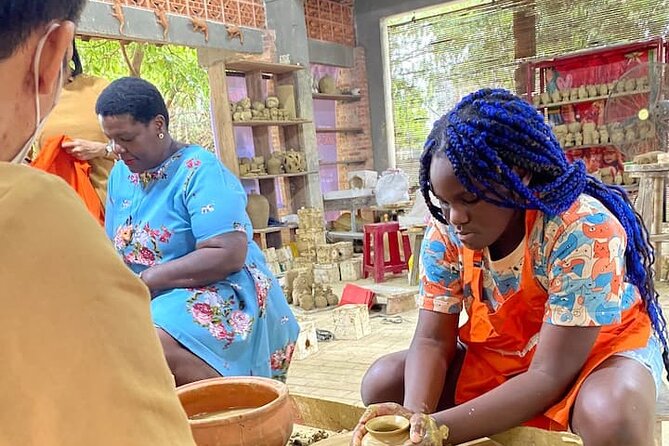
Make something with your hands in Hoi An. This short, calm pottery session in Thanh Hà Pottery Village is built around real workshop life, where you get to learn the basics and then look around the craft area at your own pace.
I especially like the hands-on instruction from the local ceramic master and the clear sequence they follow: choosing clay, shaping, drying, trimming, then painting and decorating. I also like the human touch—people here tend to be kind and patient, and you might even be offered small comforts like tea and fruit while you work.
One consideration: the class is only about 30 minutes, so you’ll leave with a taste of the craft rather than a full, finished, studio-style ceramic pipeline. Also, the entrance fee isn’t included, so plan for that if it applies to the places you visit.
In This Review
- Key highlights in Thanh Hà pottery
- Entering Thanh Hà: a pottery village with quiet momentum
- The 30-minute class: what you’ll learn step by step
- Meeting the craftsmen: friendly instruction, simple communication
- Choosing your piece: technique, shaping, then decoration
- The pottery you’ll get: class output plus a gift
- Exploring the village stops: Xuan Mỹ Communal House and Nam Điêu Temple
- Price and value: is $8 a fair deal?
- Best time to go and how long it takes
- Who should book this pottery class—and who might not
- Should you book Nguyen Sáu Pottery Village in Thanh Hà?
- FAQ
- How much does the pottery experience cost?
- How long does the pottery-making take?
- What’s included in the price?
- Are entrance fees included for the sites you visit?
- Where is the meeting point?
- What is the group size limit?
- Is free cancellation available?
Key highlights in Thanh Hà pottery
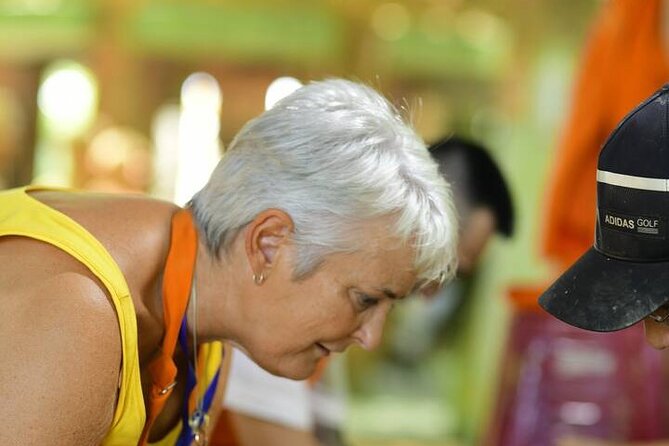
- A home-style workshop setting in Nguyễn Sáu Pottery Village, not a big factory showroom
- A tight 30-minute pottery class covering clay, shaping, trimming, painting, and decorating
- English Guide included, even if the craftsmen speak only limited English
- You’ll see local ceramics first, then make your own piece with instruction
- A small pottery gift is included, so you’re not just leaving with photos
- Time to wander on your own at Xuan Mỹ Communal House and Nam Điêu Temple
Entering Thanh Hà: a pottery village with quiet momentum
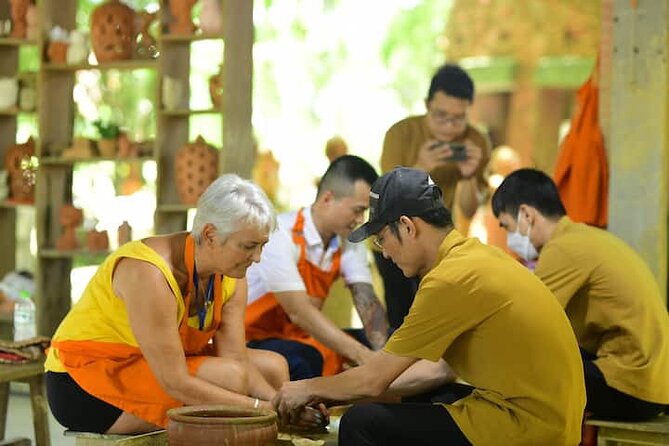
Thanh Hà is the kind of place where crafts come with daily rhythm. You’ll be welcomed into the home/workshop area of local potters, so the experience feels personal from the first moment, not staged. And because it’s in Hoi An’s broader craft world, you’re surrounded by ceramics rather than being dropped into a classroom with no context.
I like that this activity is practical. You don’t just watch someone else work. You get brought to a ceramics-focused corner of town, given time to look at local products, and then you roll up your sleeves for the working part.
This is also a good fit if you want something relaxing. The whole session is short enough to not wreck your day, but it’s long enough for you to leave with a real sense of how pottery actually gets made.
Potters and carvers in the riverside villages
- Hoi An Countryside Biking Tour(Vegetable village -basket boat – fishing village)★ 5.0 · 216 reviews
- Hoi An: Tra Que Herb Village Cooking Class★ 4.5 · 102 reviews
- Hoi An Local Market and Vegetable Village Cooking Class★ 5.0 · 93 reviews
- Hoi An: Thanh Ha Village Tour with Pottery Making and Gift★ 4.8 · 78 reviews
The 30-minute class: what you’ll learn step by step
The pottery-making part is structured like a mini workshop lesson. You’ll start with the fundamentals—how to choose clay and how to pick a shaping approach—then move through the core stages quickly so you can actually make something.
In the session, you’ll typically cover:
- making the pottery (shaping the form)
- drying (at least in the basic, workable sense)
- trimming (cleaning up edges and shape)
- painting and decorating
Even though it’s fast, the order matters. When you understand clay selection and how shaping connects to trimming, the painting makes more sense too. You’re not just applying color—you’re decorating a form you helped create.
The pace is brisk by design, so don’t expect deep skill mastery in one visit. But you will get a useful starting point: you’ll see how a workshop thinks in stages, not in random steps.
Meeting the craftsmen: friendly instruction, simple communication
You’ll be welcomed into the space of local craftsmen, and that matters. In a workshop like this, the best teaching often comes from watching hands, not from long lectures. The instructor (or a family member) explains the process, and you’ll work with their guidance as you go.
An English Guide is included, which helps you get your questions answered quickly. Still, one thing to keep in mind: in small family workshops, the craftsmen might not speak fluent English. That’s okay. The teaching is built around demonstration and enough shared meaning to get you moving.
If you want this experience to feel smooth, keep your expectations simple. Point to what you want to make, watch the steps, and follow along. You’ll get much more out of it that way than trying to memorize technical jargon.
Choosing your piece: technique, shaping, then decoration
The workshop focuses on the core craft skills you can practice in a short time: shaping, cleanup, and surface finish. You’ll be taught how to select a technique and how to bring the clay into a workable form before it goes through the next stage.
From there, painting and decorating is where you can leave your mark. This is also where people tend to enjoy themselves most, because you get to make choices about look and style. The class format is designed so you can participate fully rather than only assisting in the background.
One practical benefit: you don’t have to be artistic to do well here. The process is guided, and the work you’re doing is scaled to fit the time. You’re not expected to produce a museum-quality masterpiece in 30 minutes.





The pottery you’ll get: class output plus a gift
This experience is built around leaving with something more than a story. You’ll make pottery during the session, and you’ll also receive a small ceramics gift as part of the experience.
That gift piece is a nice extra because it lowers the pressure on your own work. Even if your first attempt isn’t perfect, you still have a take-home reminder of what you learned and where you did it.
A key value point here: for $8, you’re not just paying for access to a craft studio. You’re paying for instruction, your hands-on time, and a physical souvenir included in the package.
Exploring the village stops: Xuan Mỹ Communal House and Nam Điêu Temple

After (or alongside) the pottery-making part, you’ll have time to visit Xuan Mỹ Communal House and Nam Điêu Temple on your own. This is a helpful contrast to the workshop time: it turns your craft lesson into a cultural walk.
Why this works well: pottery isn’t just an art project. It’s tied to community spaces and local heritage. A communal house reflects village life and shared traditions, and a temple connected to pottery founders gives you a sense of why the craft matters beyond sale tables.
The main drawback is simple: you’re on your own during this part. The information you get might depend on what you notice and what you ask. If you want more meaning from these stops, go with curiosity and be ready to ask the guide basic questions before you break away.
Also, since entrance fees aren’t included, check whether these sites require payment so you’re not surprised.
Price and value: is $8 a fair deal?
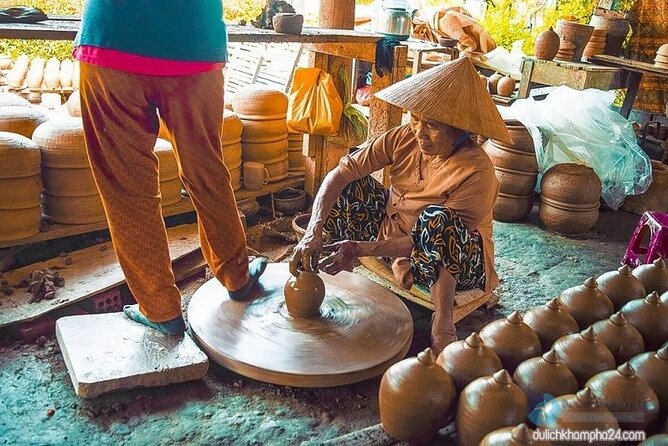
At $8 per person, this is priced for people who want a real activity without spending a long chunk of the day or a big chunk of money. You’re paying for a guided, step-by-step workshop moment, plus instruction in multiple stages of pottery. That makes the cost feel reasonable for what you actually do.
Here’s how I’d think about value:
- If you want a short, hands-on craft experience, this is strong value.
- If you’re looking for a half-day studio residency with firing, glazing, and a highly polished final output, this may feel too brief.
- If entrance fees apply to your additional stops, that’s the one variable that can raise your total slightly.
You also get a maximum group size of 10, which usually means less waiting and more attention to your questions. In a short class, that matters.
Best time to go and how long it takes
This activity can be booked across a broad window—from 8am to 7pm—with the note that you should inform the provider before 1 hour. Practically, that means you can fit it around other Hoi An plans, whether you’re doing mornings, late afternoons, or a lighter evening.
The pottery-making class itself is approximately 30 minutes, so you’re looking at a quick “do this now” style experience. Plan your schedule with breathing room before or after so you can enjoy the village walk without rushing.
If you’re the kind of person who gets grumpy when an activity eats your whole day, this time structure is a win. If you prefer slow travel where every detail is deep, consider pairing it with longer sightseeing so you don’t feel shortchanged by the short workshop.
Who should book this pottery class—and who might not
You’ll probably love this if:
- you want a friendly, workshop-style activity in Hoi An
- you enjoy making things with your hands more than just watching
- you like the idea of learning clay basics, then painting something personal
- you want a small group setting (up to 10)
You might skip it (or rethink expectations) if:
- you need a full ceramic production process with long drying and firing timelines
- you want extensive guided explanations during the cultural site visits, since some time is on your own
- you’re expecting a big English-only, museum-grade program throughout every stop
If your goal is a quick craft day that feels human and local, this fits well.
Should you book Nguyen Sáu Pottery Village in Thanh Hà?
I think this is a smart booking for many Hoi An visitors because it balances instruction, friendliness, and hands-on participation in a short format. The biggest reason to say yes is the combination of real workshop teaching and a take-home element—your class output plus the included pottery gift.
Book it when you want something practical and calm, and when you’re okay with the fact that 30 minutes is a starter experience, not a full ceramic master course. If you plan around entrance fees and keep your expectations aligned with a short, guided try, you’re very likely to leave smiling.
FAQ
How much does the pottery experience cost?
It costs $8.00 per person.
How long does the pottery-making take?
The pottery making class is around 30 minutes.
What’s included in the price?
The experience includes an English Guide, make pottery, and a gift pottery.
Are entrance fees included for the sites you visit?
No. Entrance fee is not included.
Where is the meeting point?
Start at Cơ sở trải nghiệm gốm Nguyễn Sáu (Nguyen Sau pottery village), Phạm Phán, Thanh Hà, Tp. Hội An, Quảng Nam, Vietnam. The activity ends back at the meeting point.
What is the group size limit?
This activity has a maximum of 10 travelers.
Is free cancellation available?
Yes. You can cancel for a full refund up to 24 hours in advance. If you cancel less than 24 hours before the start time, the amount paid is not refunded.
More Tour Reviews in Hoi An
- Hoi An: Basket Boat Ride in the Coconut Forest
★ 4.9 · 4,956 reviews - Hoi An: Vietnamese Coffee Culture and Coffee Making Class
★ 4.9 · 4,006 reviews - Hoi An: Vietnamese Foldable Lantern Making Class
★ 4.9 · 3,742 reviews - Cooking Class Hoi An:Local Market, Basket Boat, Fishing & Cooking
★ 5.0 · 3,660 reviews - Hoi An Cooking Class(Market,BasketBoat Crabfishing&Cooking Class)
★ 5.0 · 3,386 reviews - Hoi An: My Son Sanctuary Early Morning w. Champa Food Brunch
★ 4.9 · 2,750 reviews
Potters, Carvers and Silk Villages
- Hoi An Countryside Biking Tour(Vegetable village -basket boat – fishing village)
★ 5.0 · 216 reviews - Hoi An: Tra Que Herb Village Cooking Class
★ 4.5 · 102 reviews - Hoi An: Wood Carving Class with Village Master Artisan
★ 4.9 · 93 reviews - Hoi An Local Market and Vegetable Village Cooking Class
★ 5.0 · 93 reviews - Hoi An: Thanh Ha Village Tour with Pottery Making and Gift
★ 4.8 · 78 reviews - Discover Traditional Silk Process in Hoi An Silk Village
★ 4.4 · 60 reviews
Just Reviewed: Fresh Hoi An Trips






Traditional Craft Villages, compared.
 ★ 5.0basket boat – fishing village)From $45216 reviews
 ★ 4.5Tra Que Herb Village Cooking ClassFrom $28102 reviews
 ★ 4.9Wood Carving Class with Village Master ArtisanFrom $3193 reviews
 ★ 5.0Hoi An Local Market and Vegetable Village Cooking ClassFrom $2993 reviews
 ★ 4.8Thanh Ha Village Tour with Pottery Making and GiftFrom $2378 reviews
 ★ 4.4Discover Traditional Silk Process in Hoi An Silk VillageFrom $1160 reviews
 ★ 5.0Hoi An countryside biking – Basket Boat – Vegetable village – Local home CookingFrom $5837 reviews
 ★ 5.0Cocopalm Forest To A Craft VillageFrom $3231 reviews
Browse the lists this tour appears in