
Reviewed · COUNTRYSIDE CYCLING & FARM LIFE
Countryside and Villages Tour By Motorbike
Rice fields and workshops, minus the crowds. A motorbike ride outside Hoi An turns farming and craft into something you can actually see up close, and you get the choice to drive yourself or sit pillion with the guide. The small-group feel keeps it chatty and personal even while you’re on the move.
I especially like the village stops that feel like real workplaces, not souvenir stalls—Thanh Ha pottery kilns in backyard ovens and Kim Bong’s carpentry traditions. Pair that with lunch and coffee included, and you’re not budgeting meals once you’re out in the countryside.
One consideration: you’ll be riding on local roads for stretches, under sun and the usual mosquito risk, so plan for that. Sunscreen and mosquito spray aren’t optional extras—they’ll make the day much more pleasant.
In This Review
- Quick hits: what makes this tour work so well
- The 4-hour scooter loop: how you’ll spend your time
- Pickup at the Japanese Covered Bridge area: easy start, clear finish
- Riding pillion vs driving yourself: pick the day you want
- Stop 1: Hoi An Adventure ride-time—getting bearings fast
- Stop 2: Thanh Ha Pottery Village—kilns built into home yards
- Stop 3: Kim Bong Carpentry Village—craft at village scale
- Stop 4: Tra Que Vegetable Village—herbs, greens, and farm routines
- Stop 5: Cua Dai Bridge photo time—big views, quick hit
- Lunch, coffee, and value: what you actually get for $51
- Guides make or break it: Truong, Thomas, Thai, and Lien
- Safety and comfort: plan for sun, bugs, and road conditions
- Who this scooter countryside tour is perfect for
- Should you book the Countryside and Villages Tour by Motorbike?
- FAQ
- How long is the countryside and villages motorbike tour?
- What does the price include?
- Can I ride the scooter myself instead of sitting pillion?
- Where does the tour start and end?
- Is pickup available?
- Is this a small group or a private tour?
- What should I bring for the tour?
Quick hits: what makes this tour work so well

- You can choose your comfort level: ride pillion with the guide or drive the scooter yourself for the same price.
- Craft villages, not just photo stops: Thanh Ha pottery and Kim Bong carpentry connect you to hands-on traditions.
- A farm-to-plate stop: Tra Que vegetable village puts herbs and greens in the spotlight.
- Real Hoi An angles: Cua Dai Bridge gives you dramatic river-and-coast views for photos.
- Small group size: around 5 participants means you get more attention than you’d get on a big bus.
- Good value basics included: English guide, coffee/tea, light lunch plus lunch, bottled water, and the motorbike setup.
The 4-hour scooter loop: how you’ll spend your time
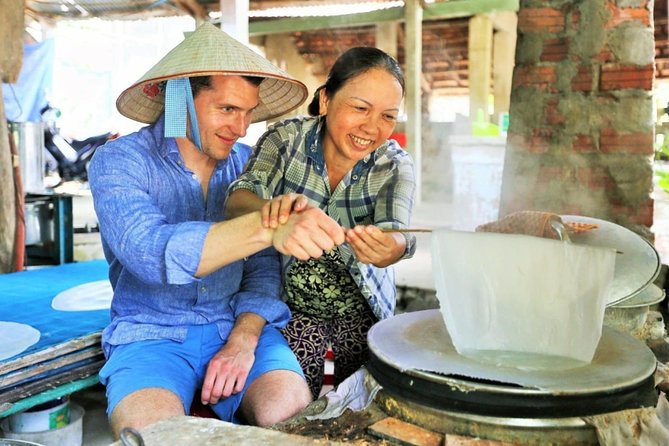
This is a tight, four-hour countryside and village circuit that runs on scooter time—meaning you’ll cover ground quickly, but you won’t feel rushed at each stop. You’ll start at the Japanese Covered-Bridge area (Nguyễn Thị Minh Khai, Minh An) and return there at the end.
The tour is built around short stays in places where you can actually see how daily work happens: making things, growing food, and living with the landscape nearby. It’s a smart way to get oriented if you’re a first-timer in Hoi An and want more than the ancient-town highlights.
You’ll also have options that affect the feel of the day. If you ride pillion, you’ll mostly focus on the scenery and conversation. If you drive yourself, you’ll get that hands-on “I’m really out here” sense—but you’ll want to be comfortable in traffic and keeping your balance.
Off the tourist track by bike, more rides
- Hoi An Countryside: Guided Morning or Afternoon Bicycle Tour★ 4.9 · 686 reviews
- HOI AN Hidden Gems in Rural Villages & River Islands PRIVATE TOUR★ 5.0 · 494 reviews
- Hoi An Countryside Jeep Tour: Food, Culture & Daily Life★ 5.0 · 414 reviews
- Hoi An Countryside Vespa Tour: Food, Culture & Daily Life★ 5.0 · 406 reviews
Pickup at the Japanese Covered Bridge area: easy start, clear finish
The meeting point is the Japanese Covered-Bridge area, which is central and easy to find. If you’re staying nearby, this is a big plus because you don’t have to coordinate a complicated transfer.
The tour also includes pickup offered, and the ending location is the same as the meeting point. That matters more than it sounds: after a scooter ride, the last thing you want is to figure out transport while you’re warm, tired, and carrying souvenirs.
They use a mobile ticket, so you can keep things simple on your phone. In practice, that means fewer paper hassles and less waiting around once you arrive.
Riding pillion vs driving yourself: pick the day you want
This tour is unusual in a good way because you can choose how you ride. You can sit pillion on the motorbike with a driver, or you can ride yourself with the same price by scooter.
If you’re not confident with scooters yet, pillion is the calmer choice. You still get the speed and countryside views, but you don’t have to concentrate on navigation and road conditions. It’s also the best pick if you want to chat more, ask questions, and take photos without worrying about throttle control.
If you do drive, you’ll feel more in sync with the surroundings—passing rice fields, village lanes, and workshop areas with your own rhythm. The tradeoff is focus. Keep your expectations realistic: this is active travel, not a seated sightseeing cruise.
Either way, the day works because it’s guided by an English-speaking tour guide who can connect what you’re seeing to how people live and work. In one review, the guide Truong stood out for being extremely patient, knowledgeable, and willing to go above and beyond—another reminder that you’re not just along for the ride.
Stop 1: Hoi An Adventure ride-time—getting bearings fast
Your first stop is the start point labeled Hoi An Adventure, and the timing is the longest block of the route at about an hour. This is where the guide sets the pace and orientation: you get out of the city zone and into the surrounding village atmosphere.
I like this structure because it helps you calibrate quickly. After a short while on the scooter, you start noticing the patterns—how fields connect to roads, how homes sit near workshops, and how the countryside feels close to town without feeling like a theme park.
Also, this opening hour helps if you’re traveling with others. A family of four, for example, described the whole day as a highlight, and part of why it worked was likely this early momentum—everyone gets settled before the village visits.
Two wheels or open jeep, more back roads





Stop 2: Thanh Ha Pottery Village—kilns built into home yards

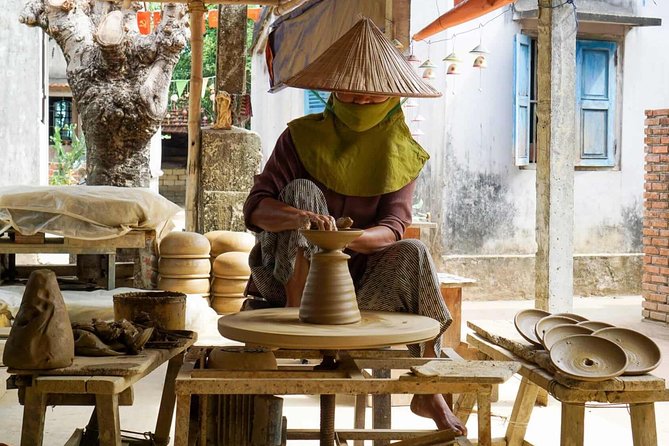
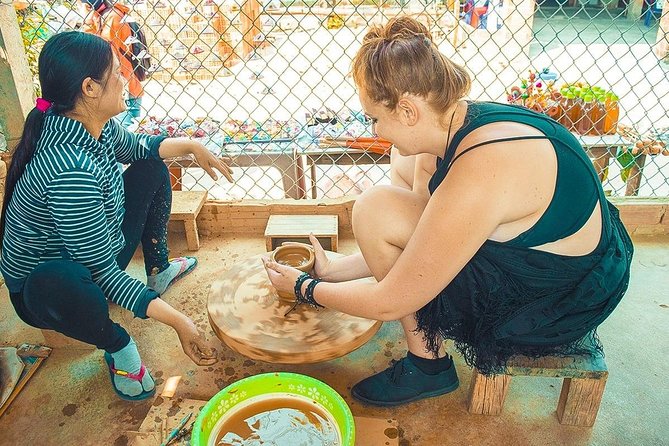
Thanh Ha Pottery Village is one of those places that feels like a living workshop. Pottery here goes back over 400 years, and many villagers still use a two-man pottery wheel. That detail matters because it’s not a “factory set” version of tradition—the craft is still tied to everyday local life.
Look closely at the kilns. They’re described as red brick ovens built in backyard settings, which means the craft is literally part of the homes around it. You’ll get a sense for how something as physical as firing clay becomes a routine chore, not a special event.
The big drawback is also predictable: you may see sales and demonstrations mixed in with daily work. If you keep your expectations grounded—this isn’t a museum—you’ll enjoy the way the artisans’ real rhythms shape what you experience.
Stop 3: Kim Bong Carpentry Village—craft at village scale

Kim Bong Carpentry Village is tied to Cam Kim lands and is noted as being built at the end of the 15th century. The route includes a short ferry ride—about 10 minutes from Hoi An ancient town area—so you get a quick waterway perspective on the way to craft work on the island commune.
Carpentry villages can sometimes turn into fast souvenir browsing. Here, the advantage is that carpentry is framed as a long-standing tradition. The goal isn’t just to look; it’s to witness how skilled building and woodwork fit into community life.
From a comfort standpoint, this part of the route is a nice change-up. After more open riding time, the ferry and village setting slow the day just enough for you to reset your senses and take photos without everything feeling like a moving blur.
Stop 4: Tra Que Vegetable Village—herbs, greens, and farm routines
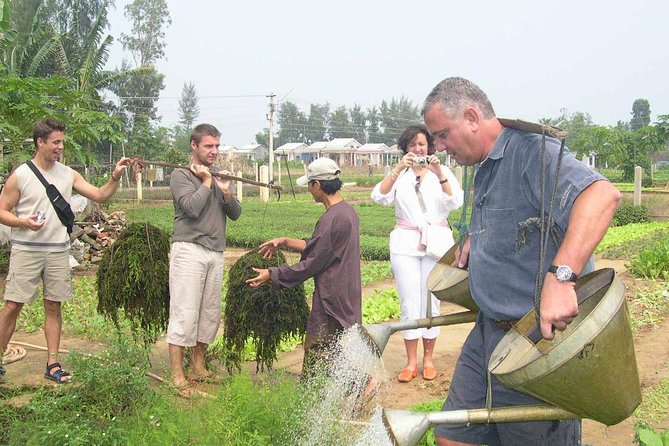
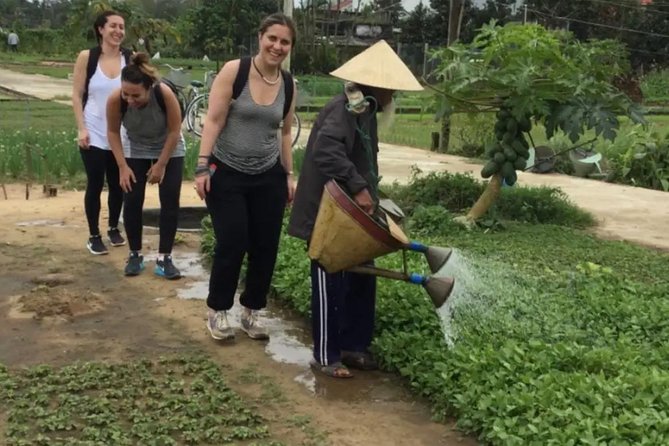
Tra Que Vegetable Village is where the tour switches from making things to growing food. Villagers specialize in vegetables like lettuce, water spinach, cabbage, and also herbs such as basil, coriander, and fish lettuce.
What I find useful here is the “food literacy” angle. Even if you don’t buy anything, seeing the herbs and how they’re cultivated helps you connect Hoi An cuisine to the land. It turns the next bowl of noodles or plate of greens into something with context.
The time at this stop is short—around 20 minutes—so come with a simple plan. Focus on learning what’s grown and why, and don’t worry about trying to do deep comparisons between farms in such a quick window. You’ll get the right feel: this is active agriculture, not a staged show.
If you have dietary preferences, you might want to note what herbs you like during the visit. Then when lunch arrives later, you’ll be better at spotting flavors instead of guessing.
Stop 5: Cua Dai Bridge photo time—big views, quick hit
Cua Dai Bridge is the scenic punctuation mark on the tour. The time is brief (about 15 minutes), but it’s designed for a higher perspective of the water and for dramatic photos: river views, mountains, and the coastline all in one sweep.
This stop is worth it because it contrasts with the workshop-and-farm focus earlier. After seeing close-up work, you get a wider sense of how Hoi An sits against water and terrain—how the region’s geography shapes life.
If you’re serious about photos, give yourself a moment to adjust your phone camera settings before you arrive. You’ll be switching between light and shadow, and the river reflections can be tricky.
Lunch, coffee, and value: what you actually get for $51
At $51 for about four hours, this tour is strong on value because the essentials are included. You get coffee and/or tea, bottled water, plus a light lunch and a full lunch. You also get an English-speaking guide and the motorbike with driver setup.
For many tours in Vietnam, you pay the upfront cost and then get hit again for meals. Here, you can plan your day without counting every cup of coffee. And because you’re eating out of the city, the included meal helps you keep the countryside schedule instead of turning back early.
In reviews, people mention wonderful food and the overall day feeling worth it. One review credited the guides Thomas and Thai for a competent, safe ride and a morning that showed a part of Hoi An you’d never see on your own. That “you get more than you can self-navigate” feeling is exactly what the bundled lunch helps reinforce—you’re in the right places long enough to make the day feel complete.
One small note: alcoholic drinks aren’t included, though you can purchase them. If you don’t drink alcohol, you won’t miss anything here.
Guides make or break it: Truong, Thomas, Thai, and Lien
This tour earns its high rating because of the human factor. Names show up for a reason.
Truong is mentioned as being amazing—extremely knowledgeable, patient, and willing to go above and beyond. One highlight from the feedback is that Truong helped negotiate local item prices, which is a practical skill. If you’re worried about getting overcharged in a village setting, having a guide who can step in helps you stay relaxed.
Thomas and Thai also come up as competent and safety-focused. The way they were described suggests you can take pictures and enjoy yourself without constantly worrying about what happens next at intersections.
Lien is referenced as leading the team, and the family experience described her group as both enjoyable and highly informed. That matters because the difference between a good photo trip and a meaningful village visit is context—why something is made this way, who uses it, and how the craft supports village life.
Safety and comfort: plan for sun, bugs, and road conditions
This is active travel. Even if you ride pillion, you’ll be exposed to the elements for portions of the ride. Bring sunscreen and mosquito spray. Sunglasses also help; the day’s lighting changes fast when you’re moving between shaded lanes and open areas.
Road conditions vary because you’re riding through real village areas. The good news is that the tour includes driver support and uses experienced local guidance. Reviews specifically called out safe driving, and that tracks with how these routes are run.
If you’re prone to motion sickness, consider sitting pillion rather than driving. Not because driving is bad, but because you can often relax your head position and look where the guide is going. If you don’t know how you react, bring ginger candies or whatever works for you at home.
Who this scooter countryside tour is perfect for
This is a great fit if you want:
- A fast, low-effort way to see village work around Hoi An without planning your own route.
- Hands-on cultural stops related to pottery, carpentry, and farming.
- A small-group feel where you can actually ask questions.
It’s especially helpful for first-time visitors who want an alternative perspective on Hoi An beyond the old town. It’s also ideal for travelers who like variety: ride time, workshop time, farm time, then a scenic view.
If you hate scooters or you strongly prefer to stick to walking only, this might not feel right. You’re trading a quiet stroll for an active ride. Also, if you’re sensitive to sun and heat, go prepared—shade breaks aren’t guaranteed.
Should you book the Countryside and Villages Tour by Motorbike?
Book it if you want a high-value half-day that connects Hoi An to the working villages around it. The included lunch and coffee make the day feel complete, and the route is structured so you see craft, farm life, and big river views in one sweep.
Skip it if you need fully calm, seated sightseeing, or if scooters just aren’t your thing. You’re choosing motion, sun, and active road time.
If you do book, I’d choose pillion if you want maximum sightseeing ease and conversation. I’d choose driving yourself if you’re already comfortable on a scooter and want more control over your stops and photo angles. Either way, this is the kind of day where a good guide—like Truong, Thomas, Thai, and Lien’s team—turns a ride into something you’ll remember.
FAQ
How long is the countryside and villages motorbike tour?
It runs for about 4 hours.
What does the price include?
The tour includes an English-speaking tour guide, coffee and/or tea, light lunch plus lunch, bottled water, and the motorbike with driver setup.
Can I ride the scooter myself instead of sitting pillion?
Yes. You can ride yourself with the same price by scooter, or ride as a passenger.
Where does the tour start and end?
It starts at the Japanese Covered-Bridge area (Nguyễn Thị Minh Khai, Phường Minh An, Hội An) and ends back at the same meeting point.
Is pickup available?
Yes, pickup is offered.
Is this a small group or a private tour?
It’s a private tour/activity (only your group participates) with a small group size of about 5 participants.
What should I bring for the tour?
Bring sunscreen, mosquito spray, and sunglasses.
More Tour Reviews in Hoi An
- Hoi An: Basket Boat Ride in the Coconut Forest
★ 4.9 · 4,956 reviews - Hoi An: Vietnamese Coffee Culture and Coffee Making Class
★ 4.9 · 4,006 reviews - Hoi An: Vietnamese Foldable Lantern Making Class
★ 4.9 · 3,742 reviews - Cooking Class Hoi An:Local Market, Basket Boat, Fishing & Cooking
★ 5.0 · 3,660 reviews - Hoi An Cooking Class(Market,BasketBoat Crabfishing&Cooking Class)
★ 5.0 · 3,386 reviews - Hoi An: My Son Sanctuary Early Morning w. Champa Food Brunch
★ 4.9 · 2,750 reviews
Back Roads by Bike and Jeep
- Hai Van Pass Motorbike Private Tour with Mister T Easy Rider
★ 5.0 · 742 reviews - Hoi An Countryside Jeep Tour: Food, Culture & Daily Life
★ 5.0 · 414 reviews - Hoi An Countryside Vespa Tour: Food, Culture & Daily Life
★ 5.0 · 406 reviews - Hoi An Vespa Tours: Hoi An Highlights and Hidden Gems
★ 5.0 · 382 reviews - Hoi An to Hai Van Pass and back to Hoi An with Mr.T Easy Rider (One Day)
★ 5.0 · 363 reviews - 3 Hours Hoi An Countryside Motorbike Tour
★ 5.0 · 152 reviews
Into the Paddies on Two Wheels
- Hoi An Countryside: Guided Morning or Afternoon Bicycle Tour
★ 4.9 · 686 reviews - HOI AN Hidden Gems in Rural Villages & River Islands PRIVATE TOUR
★ 5.0 · 494 reviews - Hoi An Countryside Jeep Tour: Food, Culture & Daily Life
★ 5.0 · 414 reviews - Hoi An Countryside Vespa Tour: Food, Culture & Daily Life
★ 5.0 · 406 reviews - Hoi An Countryside Bike Cycling Tour with Basket Boat and lunch
★ 5.0 · 325 reviews - Hoi An: Morning Countryside Tour by Bike
★ 4.8 · 303 reviews
Just Reviewed: Fresh Hoi An Trips



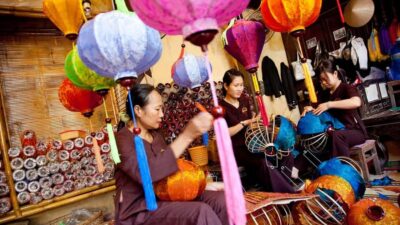


Countryside Cycling & Farm Life, compared.
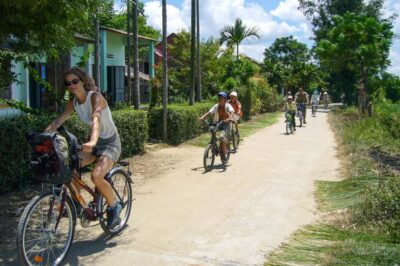 ★ 4.9Guided Morning or Afternoon Bicycle TourFrom $28686 reviews
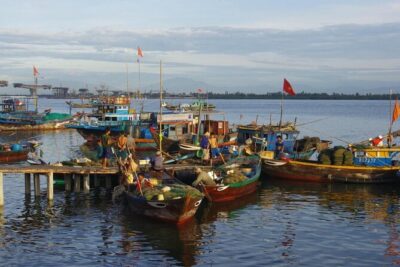 ★ 5.0HOI AN Hidden Gems in Rural Villages & River Islands PRIVATE TOURFrom $65494 reviews
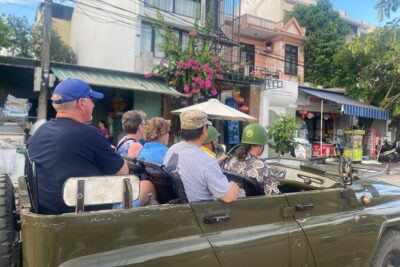 ★ 5.0Food, Culture & Daily LifeFrom $79414 reviews
 ★ 5.0Food, Culture & Daily LifeFrom $93406 reviews
 ★ 5.0Hoi An Countryside Bike Cycling Tour with Basket Boat and lunchFrom $41325 reviews
 ★ 4.8Morning Countryside Tour by BikeFrom $29303 reviews
★ 5.0Hoi An Morning Countryside Tour by BikeFrom $29282 reviews
★ 4.8Morning Countryside Tour by BikeFrom $29303 reviews
★ 5.0Hoi An Morning Countryside Tour by BikeFrom $29282 reviews
 ★ 5.0Hoi An countryside cycling tourFrom $41227 reviews
Browse the lists this tour appears in