
Reviewed · HOI AN COOKING CLASSES
Cooking Class in Tra Que Organic Vegetable Village
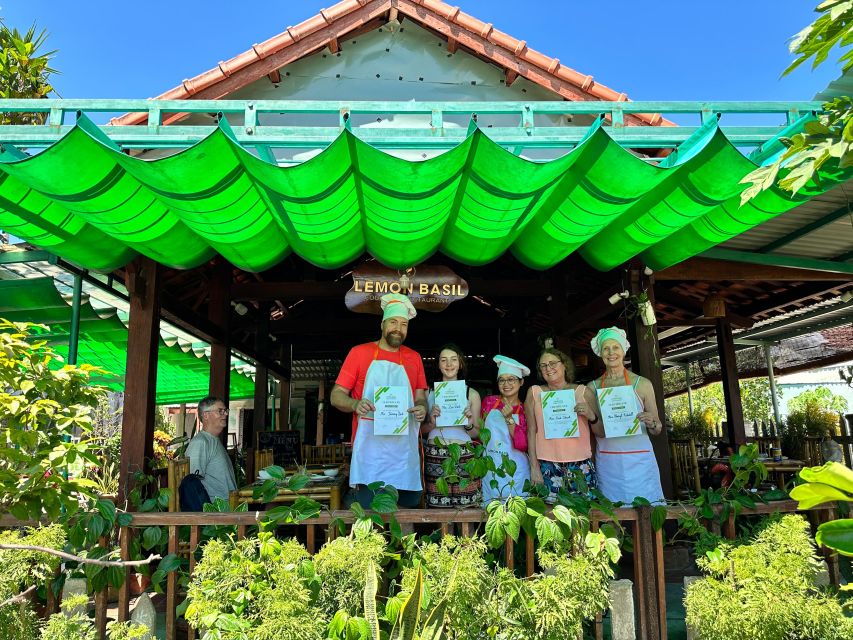
If you want a Vietnam day that feels hands-on, this one works. You’ll start in Hoi An’s local market, then head to Tra Que Organic Vegetable Village for real farming tasks and a cooking class that ends with the meal you make yourself. It’s a full loop from ingredients to dinner, in about 5 hours.
Two things I really like: first, the chance to learn how vegetables are grown using organic fertilizers like seaweed and manures, not just watch cooking. Second, the food rhythm is calm and practical—you farm, you rest with a traditional foot massage, and then you cook step by step with an English-speaking chef. One possible drawback: it’s active. Expect soil work, walking, and time in the sun, so it may not feel like a relaxed afternoon.
You’ll also get a small culture bonus—shopping with tips for bargain-style buying—so you leave with more than recipes.
In This Review
- Key things to know before you go
- Market First: Getting Ingredients in Hoi An the Local Way
- The Ride to Tra Que and Why the Setting Matters
- Farming at Tra Que: Soil Work, Seaweed, Transplanting, Watering
- The Break You’ll Appreciate: Traditional Foot Massage with Herbs
- Cooking Class: Making Classic Dishes Step by Step
- Eating What You Cook: Dinner That Actually Tastes Like the Day
- Price and Value: Is $38 Worth It?
- Who This Is Best For (and Who Might Skip It)
- A Few Practical Tips to Make Your Day Smoother
- Should You Book This Tra Que Cooking Class?
- FAQ
- How long is the Cooking Class in Tra Que Organic Vegetable Village?
- What is the price per person?
- Where do they pick you up, and do they return you to your hotel?
- What do you do in the Hoi An market?
- What farming activities are included at Tra Que?
- Is the foot massage included?
- What dishes will you cook and eat?
- Can the food be adapted for dietary needs?
- What is included in the tour besides the cooking?
- Are pets allowed?
Key things to know before you go
- Hoi An market shopping for ingredients, with guidance on how to bargain like a local
- Tra Que farming tasks such as hoeing soil, collecting seaweed, transplanting, and watering
- Traditional foot massage with medicinal herbs included in the flow
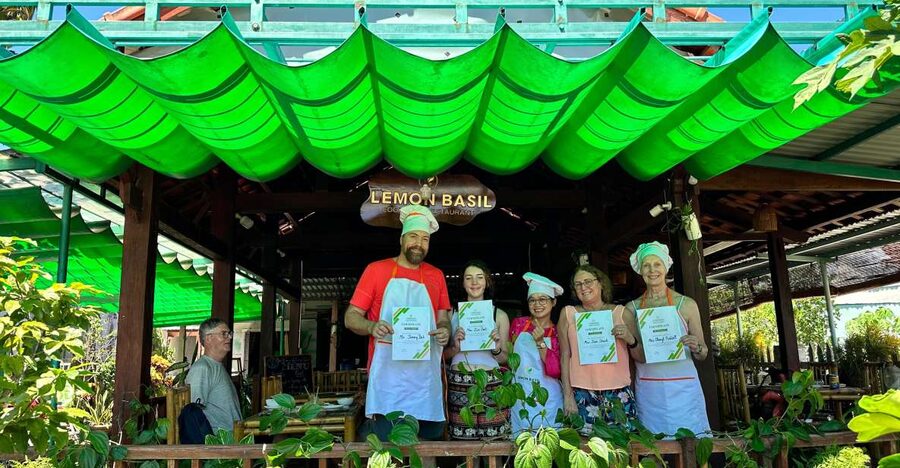
- Hands-on cooking of dishes like spring rolls, banh xeo, banana flower salad, and fish in clay pot
- Meal included, so you’re eating what you cooked, not just watching
Market First: Getting Ingredients in Hoi An the Local Way
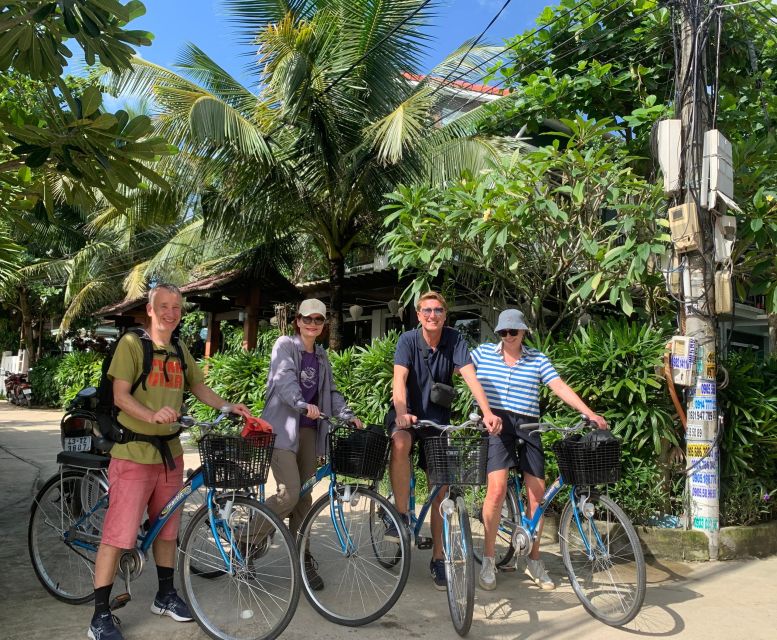
The day kicks off with pickup from your hotel lobby in the Hoi An area. In this zone, the guide takes care of getting you to where you need to be, and you may travel by bicycle with helmets to reach the market area. Either way, the key goal is the same: you’re not just arriving at cooking class—you’re gathering ingredients.
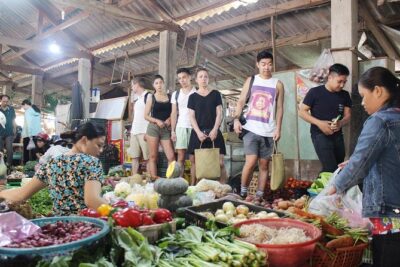
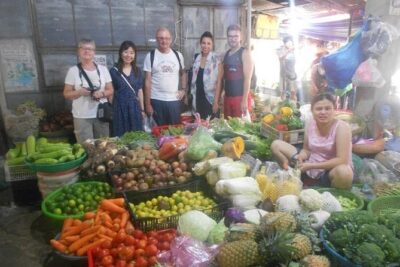
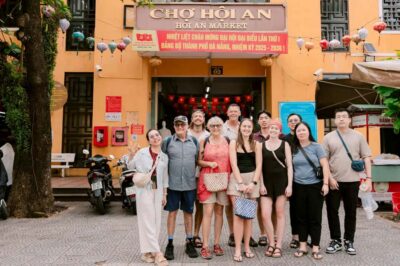
Then comes the Hoi An local market experience. It’s busy, sensory, and very practical. You’ll have direct contact with sellers while you select ingredients for the cooking class menu. This is where the experience feels most “real,” because market shopping is part of Vietnamese cooking culture: you choose what looks best, what’s in season, and what fits the dish.
One small but useful skill the guide shares is how to bargain. You’re not trying to turn it into a negotiation contest. Think of it as learning the normal back-and-forth so the price you pay feels more like what locals do day to day.
What to watch for: markets can be hot, and you’ll be walking while you shop. Wear comfortable shoes and keep some cash handy, just in case.
Aprons on for another Hoi An kitchen
- Cooking Class Hoi An:Local Market, Basket Boat, Fishing & Cooking★ 5.0 · 3,660 reviews
- Hoi An Cooking Class(Market,BasketBoat Crabfishing&Cooking Class)★ 5.0 · 3,386 reviews
- From Hoi An: Market Tour, Basket Boat Ride and Cooking Class★ 4.8 · 2,208 reviews
- Hoi An: Basket Boat with Lantern-Making & Cooking Class Tour★ 4.9 · 1,444 reviews
The Ride to Tra Que and Why the Setting Matters
After the market, you head out to the Tra Que Organic Vegetable Village area. This change in scenery is more than scenery. It shifts you from “buying food” to “understanding food.”
Tra Que is known for growing vegetables with organic fertilizers, including seaweed and manures. That matters because it connects the cooking class to the actual farm process. When you later cook dishes like spring rolls or banh xeo, you’re not just following steps—you’re cooking ingredients with a clear origin story.
This is also where the day’s pacing starts to make sense. You don’t rush from arrival straight into the kitchen. You go first to the fields, then to the food.
Farming at Tra Que: Soil Work, Seaweed, Transplanting, Watering
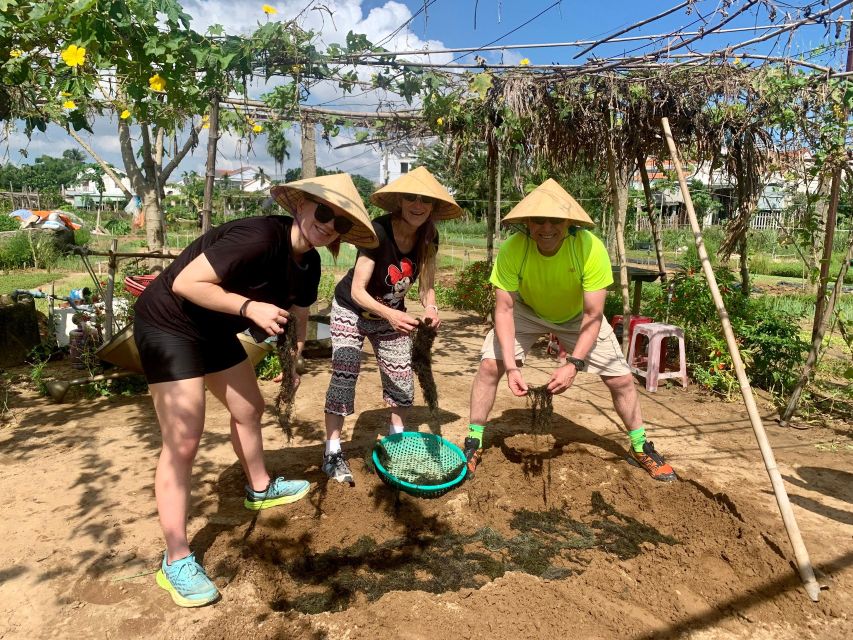
The farm portion is the heart of the experience for most people. You’ll join local farmers and do simple tasks that help explain how the vegetables get from soil to plate.
Based on what’s included, you can expect activities such as:
- hoeing soil
- collecting seaweed
- transplanting
- watering
You’ll also learn what’s behind the system—how farmers use organic fertilizers and what that looks like in practice. It’s not theory. It’s “hands on, see how it works,” with guidance from farmers who actually do this every day.
What I like about this part is that it helps you understand cooking in a more grounded way. Vietnamese dishes often depend on fresh herbs and specific vegetable textures. When you’ve touched the process of growing those ingredients, you’ll taste more attention in what you eat afterward.
A consideration: if you’re not used to outdoor farm work, start slow. The tasks are meant for visitors, but they still involve physical effort and damp soil. Long sleeves and light layers can help if you burn easily.
The Break You’ll Appreciate: Traditional Foot Massage with Herbs
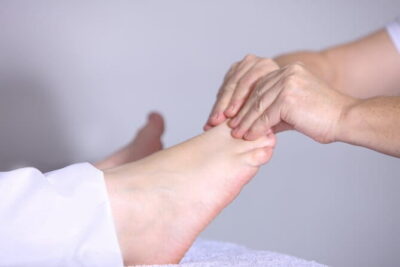
After farming, you get a break. Then you’ll enjoy a traditional foot massage using medicinal herbs. This is a smart design choice for a food-and-farm day. Your feet have done the work—now they get cared for, before you move into cooking.
Even if you’ve had massages before, this slot often feels extra satisfying here because it comes right after active work in the fields. It helps reset you, and it keeps the rest of the class from feeling exhausting.
What to expect: it’s included, and you’ll have a moment to relax before cooking starts. If you’re planning to take photos, this is also a good time to slow down and let the day catch up with you.
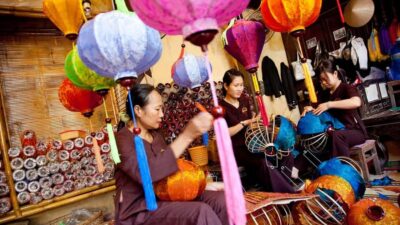
Potters and carvers in the riverside villages

Cooking Class: Making Classic Dishes Step by Step
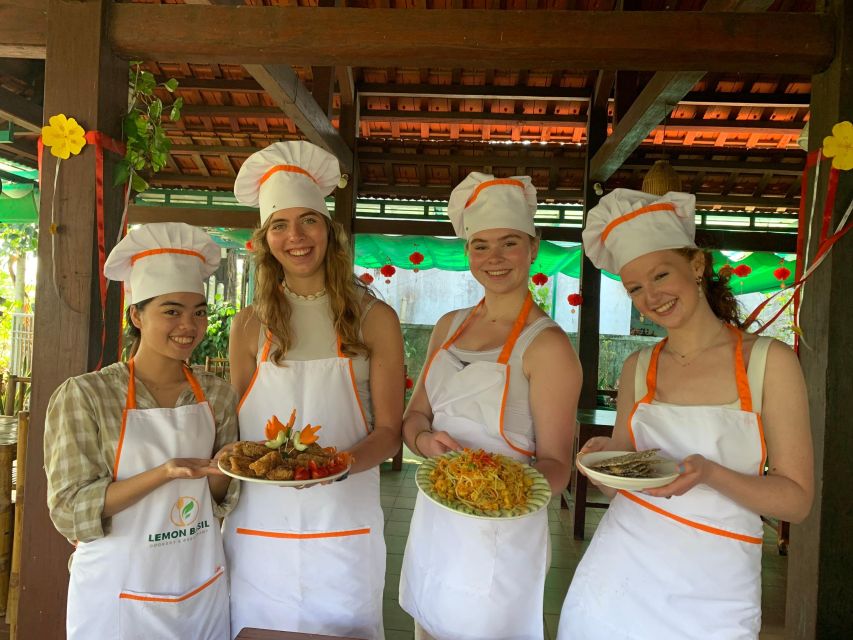
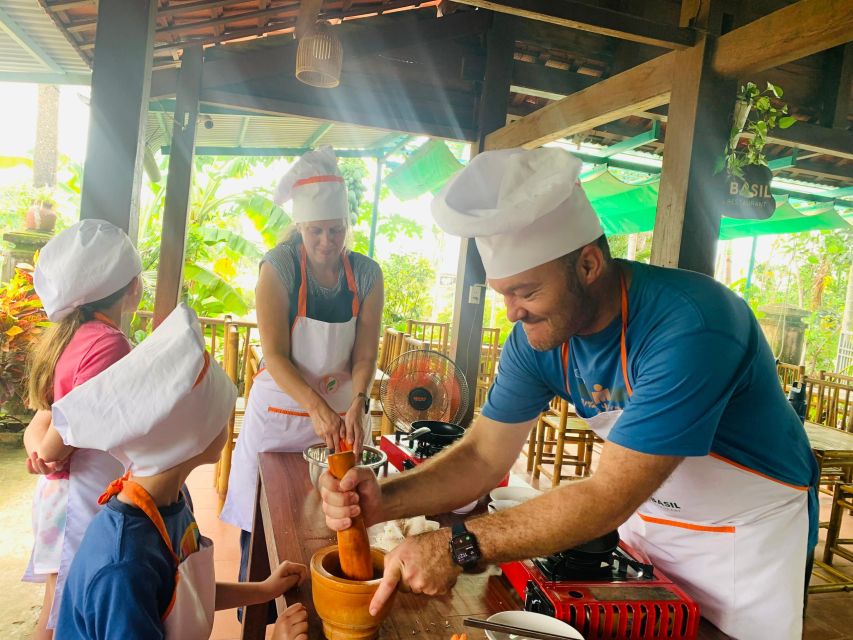
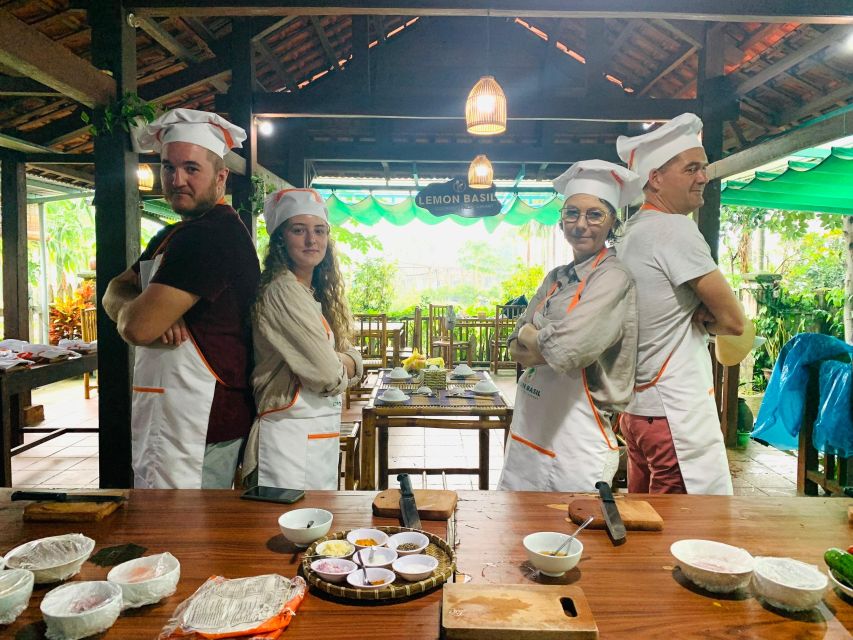
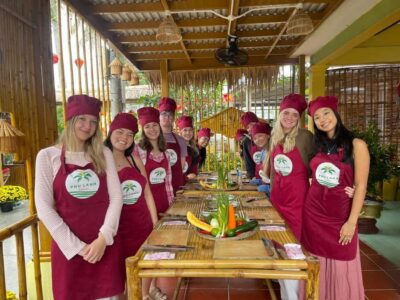
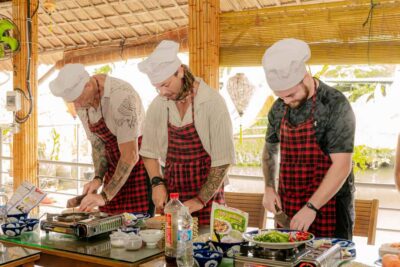
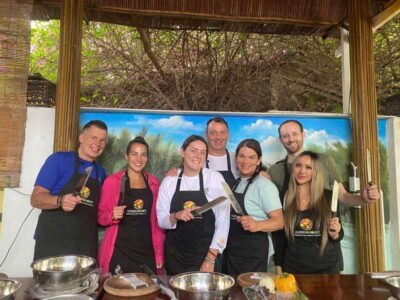
Now you’re in the kitchen at the local restaurant in Tra Que. The chef—English speaking—demonstrates the dishes and then you participate in preparing and cooking them yourself. This is where the day becomes food-centered in the best way: you get to be involved, but you’re also guided so you don’t feel lost.
The menu is generally offered as:
- Fresh spring rolls
- Banh xeo (rice pancake)
- Banana flowers salad
- Fish in clay pot
Here’s why that lineup is a solid choice. It covers different cooking styles:
- fresh and light (spring rolls)
- savory and crispy (banh xeo)
- crunchy, tangy, herb-forward flavors (banana flower salad)
- slow-cooked depth (fish in clay pot)
That variety means you’re not just learning one technique. You’re getting a feel for how Vietnamese meals balance textures—soft with crisp, fresh with cooked, and spicy-acidic with savory.
Also, pay attention to the pace. In a good class, nothing feels like a rushed assembly line. You’re shown what to do, then you do it. When that rhythm works, the final meal feels earned rather than simply served.
Diet note: ingredients can be adapted if you’re vegan, vegetarian, prefer gluten-free, or have allergies. If you have dietary needs, contact the provider so they can adjust what you cook.
Eating What You Cook: Dinner That Actually Tastes Like the Day
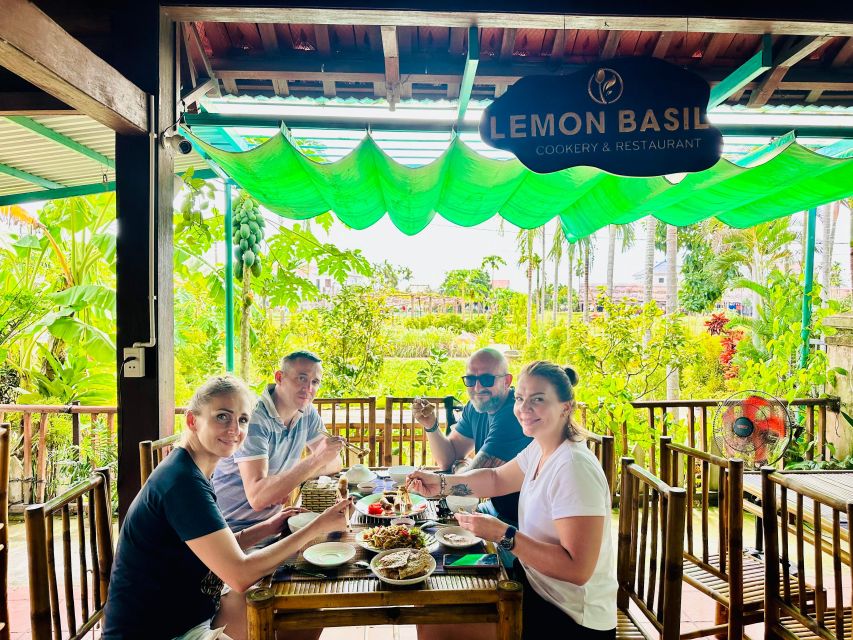
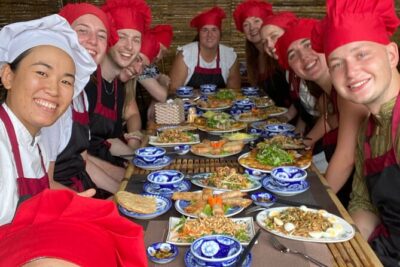
After cooking, you eat your meal. The experience is built around that moment: you farmed, you shopped, you cooked—then you sit down and enjoy the dishes you made.
This is one of those travel moments that’s hard to fake. When your lunch or dinner is the exact food from your own hands, it tends to taste better. You’ll likely notice the freshness more, especially in herbs and vegetables.
You’ll also get a rest after the meal before heading back to your hotel.
Price and Value: Is $38 Worth It?
At $38 per person for about 5 hours, you’re paying for a structured day that would be hard to stitch together on your own.
Here’s what’s included:
- hotel pickup and return in the Hoi An area
- English-speaking guide and local chef
- farming with local farmers
- traditional foot massage
- bottled mineral water
- lunch or dinner
That combination is the value. In many food experiences you either shop or farm or cook. Here you get the full cycle: market ingredients, farm context, hands-on cooking, plus a relaxation reset with the massage.
The one extra cost to plan for is drinks. Extra drinks aren’t included, so decide in advance if you want something beyond water.
If you like Vietnam through food culture—rather than food culture through a quick stop—this is the kind of class that feels worth the time and price.
Who This Is Best For (and Who Might Skip It)
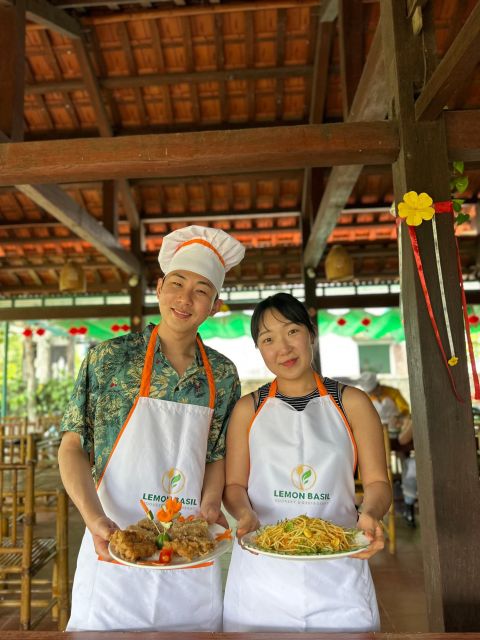
This experience is best for you if:
- you want hands-on travel, not just sitting and watching
- you enjoy Vietnamese cooking and want the fresh-ingredient context
- you like learning practical skills, like bargaining-style market shopping tips
- you’re okay with some physical farm tasks and walking
It may be less ideal if:
- you’re looking for a slow, low-movement afternoon
- you prefer to avoid active outdoor work
- you have very limited mobility (the day includes farm activities and walking)
Also note: pets aren’t allowed.
A Few Practical Tips to Make Your Day Smoother
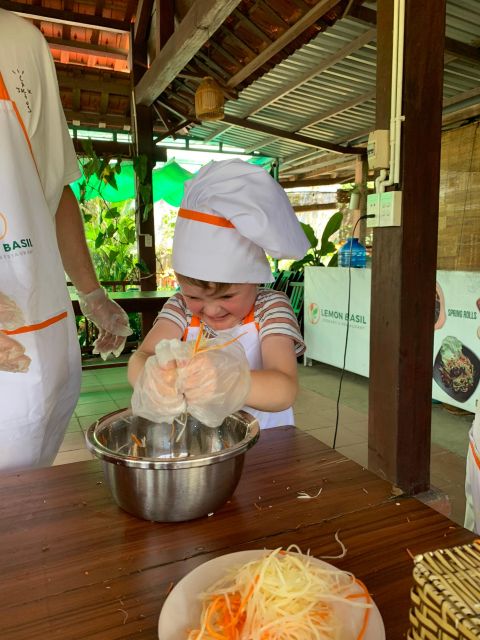
You’ll get the most out of the class if you go prepared:
- wear comfortable shoes for market walking and farm ground
- bring a light layer for sun and dust (the day is outdoors first)
- mention allergies or dietary needs ahead of time so substitutions can be planned
- keep an open mind about bargaining: it’s part of the local shopping culture here
And if you get the guide Jessica, that’s a bonus—one review highlighted how well the group was cared for and how smoothly the day ran without feeling rushed.
Should You Book This Tra Que Cooking Class?
Yes—if you want a Vietnam food day with real farm context, this is a strong choice. The value comes from the full sequence: market shopping, organic farming tasks, a traditional foot massage reset, and hands-on cooking that ends with the meal you made. For about $38 and around 5 hours, it’s the kind of experience that turns recipes into understanding.
If you’re expecting a totally relaxed activity, consider the physical farm component first. But if you’re willing to get a little muddy and learn how ingredients move from soil to kitchen, you’ll likely feel like you had a complete, memorable day.
FAQ
How long is the Cooking Class in Tra Que Organic Vegetable Village?
It runs for about 5 hours. Specific starting times depend on availability.
What is the price per person?
The price is $38 per person.
Where do they pick you up, and do they return you to your hotel?
Pickup and return are included for hotels in the Hoi An area (round Hoi An) by car. You’ll meet the guide about 10 minutes before pickup.
What do you do in the Hoi An market?
You visit a local market to pick up ingredients needed for the cooking class. You can interact directly with sellers, and you may learn tips for bargaining.
What farming activities are included at Tra Que?
You’ll participate in farming activities with local farmers, such as hoeing soil, collecting seaweed, transplanting, and watering.
Is the foot massage included?
Yes. A traditional foot massage using medicinal herbs is included after the farming activities.
What dishes will you cook and eat?
The menu is generally fresh spring rolls, banh xeo, banana flowers salad, and fish in clay pot. You then enjoy the meal you prepare.
Can the food be adapted for dietary needs?
Yes. Ingredients can be adapted for vegan, vegetarian, gluten-free preferences, or allergies. Contact the provider to inform them of your allergies or needs.
What is included in the tour besides the cooking?
Included items are an English-speaking guide and local chef, farming with farmers, traditional foot massage, bottled mineral water, and lunch or dinner.
Are pets allowed?
No, pets are not allowed.
More Tour Reviews in Hoi An
- Hoi An: Basket Boat Ride in the Coconut Forest
★ 4.9 · 4,956 reviews - Hoi An: Vietnamese Coffee Culture and Coffee Making Class
★ 4.9 · 4,006 reviews - Hoi An: Vietnamese Foldable Lantern Making Class
★ 4.9 · 3,742 reviews - Cooking Class Hoi An:Local Market, Basket Boat, Fishing & Cooking
★ 5.0 · 3,660 reviews - Hoi An Cooking Class(Market,BasketBoat Crabfishing&Cooking Class)
★ 5.0 · 3,386 reviews - Hoi An: My Son Sanctuary Early Morning w. Champa Food Brunch
★ 4.9 · 2,750 reviews
Potters, Carvers and Silk Villages
- Hoi An Countryside Biking Tour(Vegetable village -basket boat – fishing village)
★ 5.0 · 216 reviews - Hoi An: Tra Que Herb Village Cooking Class
★ 4.5 · 102 reviews - Hoi An Local Market and Vegetable Village Cooking Class
★ 5.0 · 93 reviews - Hoi An: Wood Carving Class with Village Master Artisan
★ 4.9 · 93 reviews - Hoi An: Thanh Ha Village Tour with Pottery Making and Gift
★ 4.8 · 78 reviews - Discover Traditional Silk Process in Hoi An Silk Village
★ 4.4 · 60 reviews
Cook It Yourself: More Hoi An Kitchens
- Cooking Class Hoi An:Local Market, Basket Boat, Fishing & Cooking
★ 5.0 · 3,660 reviews - Hoi An Cooking Class(Market,BasketBoat Crabfishing&Cooking Class)
★ 5.0 · 3,386 reviews - From Hoi An: Market Tour, Basket Boat Ride and Cooking Class
★ 4.8 · 2,208 reviews - Hoi An: Basket Boat with Lantern-Making & Cooking Class Tour
★ 4.9 · 1,444 reviews - Hoi An Cooking Class(Local market,Basket Boat,Fishing & Cooking)
★ 5.0 · 1,323 reviews - Hoi An: Market Experience with Optional Fishing and Cooking
★ 4.7 · 928 reviews
Just Reviewed: Fresh Hoi An Trips


Hoi An Cooking Classes, compared.
 ★ 5.0Cooking Class Hoi An:Local Market, Basket Boat, Fishing & CookingFrom $283,660 reviews
 ★ 5.0Hoi An Cooking Class(Market,BasketBoat Crabfishing&Cooking Class)From $283,386 reviews
 ★ 4.8Market Tour, Basket Boat Ride and Cooking ClassFrom $172,208 reviews
 ★ 4.9Basket Boat with Lantern-Making & Cooking Class TourFrom $301,444 reviews
 ★ 5.0Hoi An Cooking Class(Local market,Basket Boat,Fishing & Cooking)From $281,323 reviews
 ★ 4.7Market Experience with Optional Fishing and CookingFrom $4928 reviews
 ★ 4.9Basket Boat Ride, Cooking Class by HangcoconutFrom $19802 reviews
 ★ 5.0Hoi An Eco Tour Cooking Class & Fishing (Local market,basket boat,learn cooking)From $29567 reviews
Browse the lists this tour appears in