Reviewed · HOI AN
Hoi An Ghosts, Death, Mystery Unveiled
Ghosts are part of the story here. This 2-hour, small-group style night walk in Hoi An uses alleyways, graveyard corners, and old-house legends to explain how local people think about death, spirits, and the rules you do not break.
What I like most is that it is not just jump-scare spooky. You get practical cultural context as you pass key old town spots, including a medieval graveyard and other sites tied to death rituals.
One thing to consider: this runs in the evening and includes darker lanes and walking. If weather is poor, it can be rescheduled or refunded, so keep an eye on conditions before you head out.
In This Review
- Key points to know before you go
- A 6:00 pm ghost walk that makes Hoi An feel like a living place
- Breaking the taboo of death in Vietnamese belief
- The medieval graveyard stop: where the rituals actually make sense
- Ghost alleyways and an old 200-year grave
- The haunted-house feeling of the old town
- Lantern mysteries, taboos, and what you do not do in full moon time
- The story of 108 traders and a king’s apology
- War-era abandonment and the oldest house in old town
- How locals protect homes from dark spirits
- “Monster” rumors and the lighter side of folklore
- Price and value: is $19.58 worth it?
- Who this tour is best for
- Practical comfort tips for your ghost walk
- Should you book Hoi An Ghosts, Death, Mystery Unveiled?
- FAQ
- What time does the tour start?
- How long is the experience?
- How far will we walk?
- Where does the tour start and end?
- Is this tour private?
- Do I need a mobile ticket?
- Is the tour affected by weather?
- Is there a separate admission ticket cost?
Key points to know before you go
- A 6:00 pm start that turns the old town into a nighttime storybook
- About 1.5 km of walking over roughly 2 hours, paced so you do not count steps
- Death rituals and taboos framed in a respectful, explain-why way
- Local folklore stops, including legends tied to 108 traders and a king’s apology
- House-protection beliefs that show how families manage fear and the unseen
- Guide energy matters, and one praised guide is Sanh for keeping it fun and focused
A 6:00 pm ghost walk that makes Hoi An feel like a living place
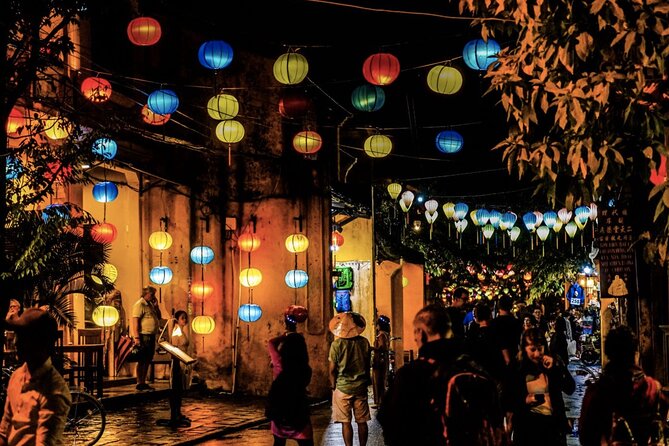
Starting at 6:00 pm is smart. Daytime Hoi An shows you buildings. Nighttime Hoi An shows you how people feel inside those buildings, even when the topic is uncomfortable.
The tour follows a walking route of about 1.5 km. It is not a long hike. It is more like a carefully timed stroll where the guide points out details you might miss while sipping a drink and taking photos.
You’ll end near the Japanese Covered-Bridge, which is a nice finish point for getting your bearings fast. It also means you can keep the evening going afterward without needing to change locations.
If you want something more engaging than wandering on your own, this delivers. You are not just moving through old town; you’re being led through the meaning behind it.
Still deciding? Line this one up against a few Hoi An favourites.
- Hoi An: Basket Boat Ride in the Coconut Forest★ 4.9 · 4,956 reviews
- Hoi An: Vietnamese Coffee Culture and Coffee Making Class★ 4.9 · 4,006 reviews
- Hoi An: Vietnamese Foldable Lantern Making Class★ 4.9 · 3,742 reviews
- Cooking Class Hoi An:Local Market, Basket Boat, Fishing & Cooking★ 5.0 · 3,660 reviews
Breaking the taboo of death in Vietnamese belief
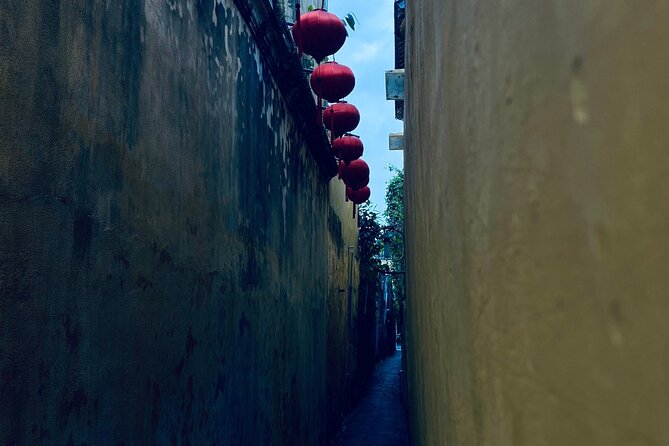
A big part of what makes this experience work is the theme. Instead of treating death as a taboo you avoid, the tour frames it as something people manage through rituals, respect, and rules.
You’ll hear how Vietnamese beliefs handle the boundary between living people and the unseen. Expect the guide to connect death practices to everyday behavior, not just spooky legends. That matters because it turns ghost stories into cultural literacy.
And the tone stays lighter than you might fear. There is mystery, sure. But the tour aims to be enjoyable while explaining why certain actions are considered wrong, especially around special times.
If you’re the kind of traveler who loves history but gets bored by straight dates on a plaque, this format is easier. You’re learning through stories tied to real locations.
The medieval graveyard stop: where the rituals actually make sense
One of the standouts is the visit to a medieval graveyard. This is where the tour shifts from legend into ritual—how the living connect with death.
You’ll be shown the kind of places where beliefs become visible. That can include how people approach burial sites, and how they interpret what happens after death. Even if you do not share the beliefs, you’ll come away understanding that the rituals are about respect and continuity.
This stop is also a reality check. In many tourist cities, cemeteries feel like background scenery. Here, the guide explains that the living treat these spaces with care, and that care has meaning.
Practical note: this section can feel emotionally heavier than the alleyway stories. Go in with the mindset that you’re learning, not trying to scare yourself.
Ghost alleyways and an old 200-year grave
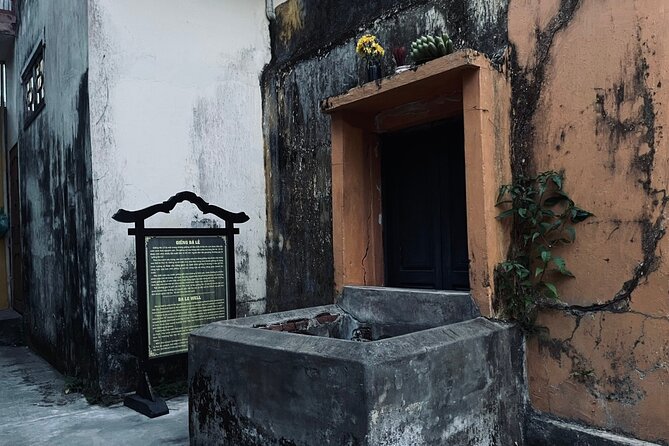
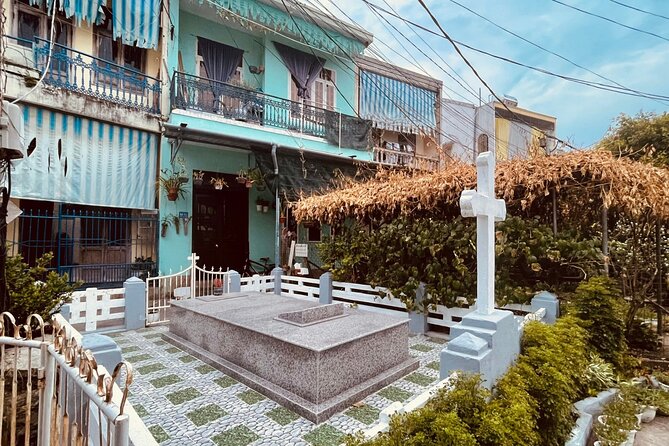
The tour heads into darker, hidden lanes—exactly the kind of places you might walk past without noticing. You’ll pass a 200-year-old grave, plus a ghost alley atmosphere that makes the old town feel more human and less polished.
What I like about this approach is that it uses location-based storytelling. Instead of saying a legend happened somewhere, you stand where it’s remembered. You’re given landmarks you can later look up again.
These stops are short but vivid. Expect the guide to point out the details that make locals connect a place to spirits, death, and warning stories.
If you’re worried about safety or feeling lost, don’t be. The experience is a guided route with a clear start and end, so you’re not navigating alone through the maze.





The haunted-house feeling of the old town
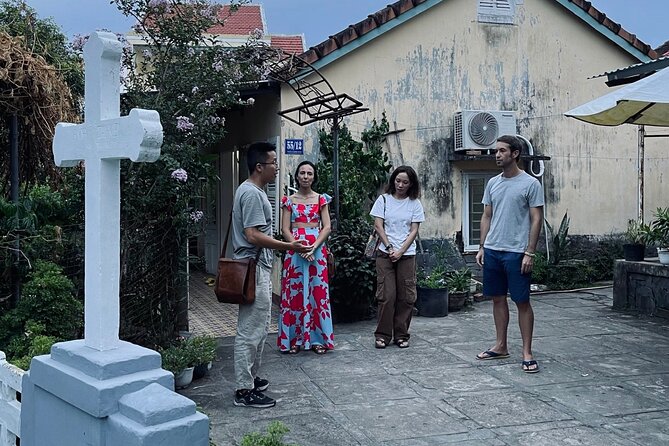
Another highlight is the stop at an ancient haunted house. This is where the tour connects ghosts to architecture and family memory—how a home can carry fear, tradition, and rules across generations.
You’ll also get a sense of how Hoi An’s old streets became layered. Some stories reflect local life. Others are tied to broader events that left scars in the built environment.
A good haunted house tale isn’t just about what goes bump. It explains why people believe. Here, the guide’s job is to make the beliefs legible, not just loud.
If you’re traveling with friends who think they hate ghost stuff, this section is a good compromise. It’s still entertaining, but it teaches.
Lantern mysteries, taboos, and what you do not do in full moon time
Hoi An is famous for lanterns, and this tour uses them more thoughtfully than the usual photo-stop version. You’ll hear a lantern mystery thread that ties visual culture to belief and behavior.
Then comes the taboo side. The tour explains taboos—including things you are not allowed to do during Full Moon time. This matters because it shows how fear and respect become instructions for daily life.
You might not remember every rule afterward, but you’ll remember the pattern: beliefs create boundaries, and boundaries shape how people act in public spaces.
For practical comfort, wear shoes you can walk in for a couple hours on uneven old town ground. You’ll be outside and moving, and you don’t want to deal with blisters while trying to listen.
The story of 108 traders and a king’s apology
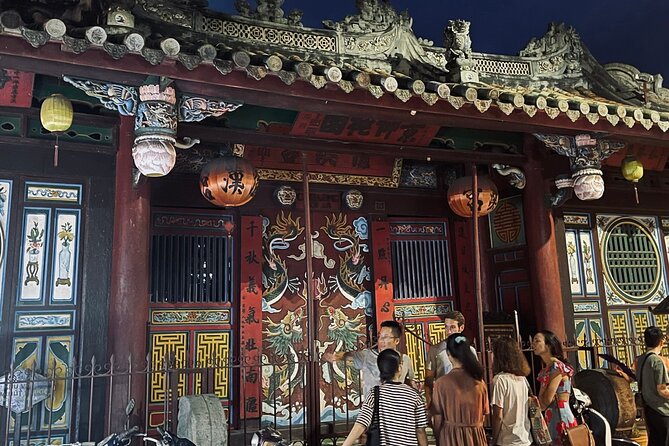
One of the mystery stops centers on the murder of 108 traders and an apology of the king. This is the part where the tour blends legend with an emotionally charged past.
Even if you view parts of the story as folklore, the human takeaway still lands. Events like this become moral lessons. They get retold to warn, explain, or restore balance.
The guide’s job here is to connect the story to the city’s memory—how Hoi An carries reminders of conflict and consequence through what people say and where they point.
This segment is also a good reminder that ghost stories are often history in disguise. They don’t always sit neatly in modern textbooks, but they reflect something real: people experienced loss and needed a way to talk about it.
War-era abandonment and the oldest house in old town
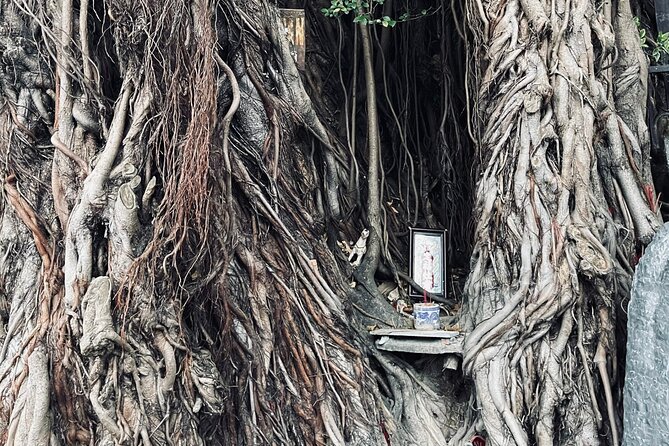
The tour also brings in a war-related thread. You’ll learn about the war that made immigrants abandon their houses, tied to an area near the oldest house in old town.
This stop is valuable because it adds a second layer to the ghost theme. The spirits aren’t only supernatural. Some of them are stories of displacement—fear that follows people into new places and stays attached to buildings.
When you hear how abandonment left marks, you understand why certain parts of the old town feel emotionally haunted, even without any monster legend.
The guide also helps you see old houses as records. They are not just pretty facades. They’re containers for family decisions and city survival.
How locals protect homes from dark spirits
Another practical, eye-opening theme is how locals protect homes from dark spirits. Instead of focusing only on scary tales, the tour talks about prevention—how families manage risk according to belief.
You’ll learn about what people do to guard a house, including ways that taboos and actions are tied to spirit protection. This is the “why” behind the rules you might hear mentioned in Vietnam.
What I love here is that it feels grounded in behavior. You’re not just watching stories unfold. You’re seeing how beliefs turn into everyday habits and choices.
This is also where the experience becomes useful for future travel. Once you understand the idea that people manage the unseen, you’ll notice how culture shapes behavior in other places too.
“Monster” rumors and the lighter side of folklore
Yes, there’s a mystery monster living in Hoi An, and you’ll hear the folklore thread around it. This section keeps the tone fun and curious, like a campfire story—except the campfire is an old street corner.
This is where you’ll probably laugh a bit, especially when the guide ties the monster rumor to taboos and strange local habits. The point is not to convince you of literal monsters. The point is to show how folklore teaches people how to behave.
If you like your ghost stories with explanations, this tour fits. If you want only fear, you may find it more thoughtful than theatrical.
Still, the tour has enough mystery and momentum that it never feels like a lecture. The walk keeps you moving, and the stories keep you listening.
Price and value: is $19.58 worth it?
At $19.58 per person, this is priced like a solid evening activity, especially since it’s private for your group. You’re also getting a themed route across multiple old town sites, which is harder to recreate alone without knowing what to look for.
The big value isn’t only the low cost. It’s the structure. A self-guided night walk might give you photos. This gives you meaning—death rituals, taboos, house protection beliefs, and story connections to places.
You also get a guide who can make the topic understandable. One commonly praised guide in this style is Sanh, described as enthusiastic and energized about spooky tidbits and history.
A small caution on value: it’s weather-dependent. If it’s canceled due to poor weather, you’ll need to be flexible with dates. Plan for that, and you’ll feel good about the price.
Who this tour is best for
This tour is perfect if you:
- Enjoy folklore that has cultural context, not just jump scares
- Want a fun way to see Hoi An old town at night
- Like history told through people’s beliefs and daily rules
- Prefer guided storytelling over random wandering
It may be less ideal if:
- You hate walking in the dark or around uneven old streets
- You want a purely entertainment-focused scare show
- You prefer museums and indoor pacing only
If you’re traveling with mixed interests, this can work because it balances mystery with explanation.
Practical comfort tips for your ghost walk
Keep it simple and comfortable. Bring water if you tend to get thirsty while walking. Wear closed-toe shoes with grip, since old town streets can be slick or uneven.
Dress for the evening temperature and any humidity. You’ll be outside and moving for about 2 hours.
And since the route covers “darkening alleys,” mentally prepare for less light and more contrast. That’s part of the atmosphere. It’s also why good shoes and steady footing matter.
Should you book Hoi An Ghosts, Death, Mystery Unveiled?
I’d book it if you want something different from the usual Hoi An night stroll. The best part is how the tour ties ghost stories to real cultural ideas—death rituals, taboos, and how people protect homes from what they fear.
The price is reasonable, and the private format makes it feel easier to ask questions and stay engaged with the route. If you’re curious about how locals think about death and spirits, this gives you a guided way in.
If you’re sensitive to topics involving death, take your time and go in expecting respectful learning more than shock value. For the right mindset, this is a memorable way to experience old town through the lens of belief.
FAQ
What time does the tour start?
It starts at 6:00 pm.
How long is the experience?
The duration is about 2 hours.
How far will we walk?
You’ll cover about 1.5 km on foot.
Where does the tour start and end?
It starts at 40 Trần Hưng Đạo, Phường Minh An, Hội An, Quảng Nam 51000, Vietnam, and ends at the Japanese Covered-Bridge on Nguyễn Thị Minh Khai, Phường Minh An, Hội An, Quảng Nam.
Is this tour private?
Yes. It’s private, and only your group participates.
Do I need a mobile ticket?
Yes, the experience uses a mobile ticket.
Is the tour affected by weather?
Yes. The experience requires good weather. If it’s canceled due to poor weather, you’ll be offered a different date or a full refund.
Is there a separate admission ticket cost?
Admission is marked as free.
More Tour Reviews in Hoi An
- Hoi An: Basket Boat Ride in the Coconut Forest
★ 4.9 · 4,956 reviews - Hoi An: Vietnamese Coffee Culture and Coffee Making Class
★ 4.9 · 4,006 reviews - Hoi An: Vietnamese Foldable Lantern Making Class
★ 4.9 · 3,742 reviews - Cooking Class Hoi An:Local Market, Basket Boat, Fishing & Cooking
★ 5.0 · 3,660 reviews - Hoi An Cooking Class(Market,BasketBoat Crabfishing&Cooking Class)
★ 5.0 · 3,386 reviews - Hoi An: My Son Sanctuary Early Morning w. Champa Food Brunch
★ 4.9 · 2,750 reviews