
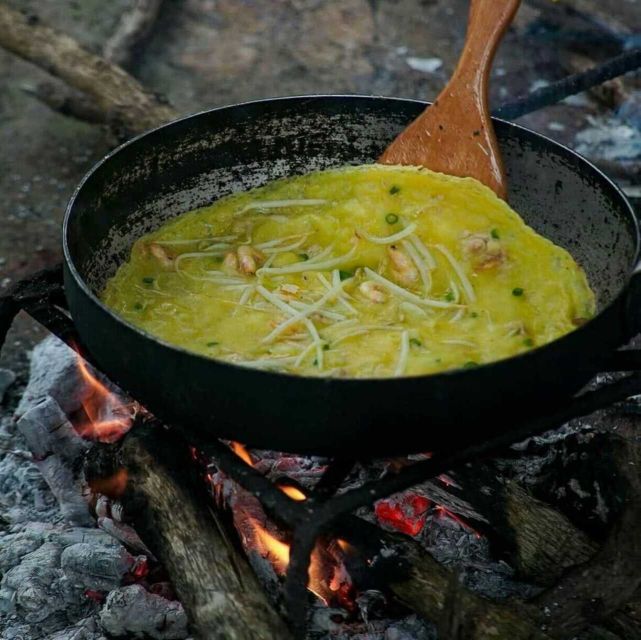
Reviewed · HOI AN COOKING CLASSES
Hoi An: Evening Cooking Class with Locals in Herbs Village
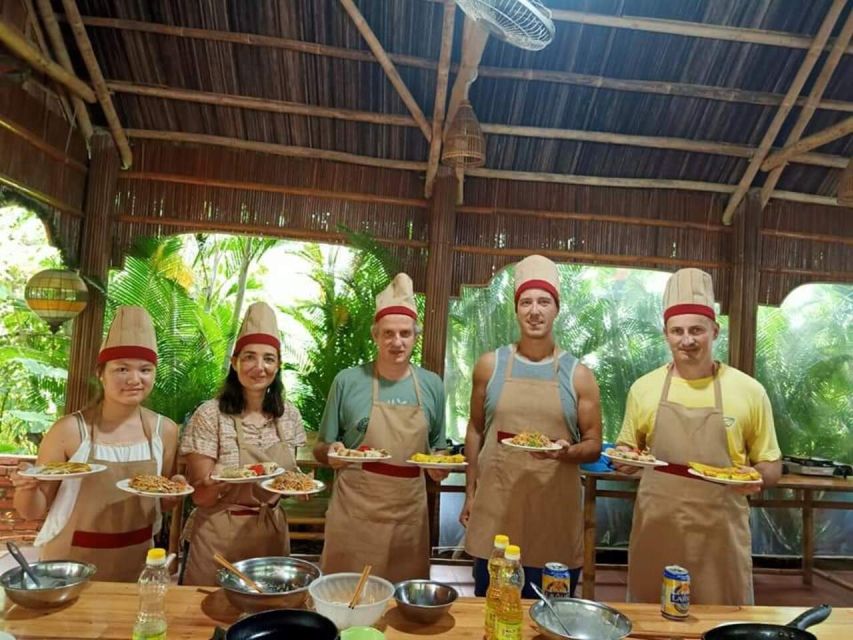
In Tra Que Herb Village, cooking feels less like a demo and more like a real afternoon with locals. You’ll work at your station, follow a simple recipe flow, and cook four classic Hoi An dishes before sitting down to eat what you made.
I love the small group size (limited to 10), because you get enough attention without the chaos. I also like that the class is designed to be easy to follow, with ingredients often pre-portioned by friendly assistants so you can assemble faster and worry less.
One thing to plan for: the meeting point inside Tra Que Herb Village can be a little tricky to locate on your own, so I’d give yourself a buffer before the start time.
In This Review
- Key Things That Make This Class Worth It
- Arriving at Tra Que: Where the Cooking Starts
- How the 3-Hour Cooking Flow Really Works
- The Dishes You’ll Cook in This Class
- Step One: Welcome Drink and a Quick Reset
- Step Two: Learning Traditional Methods Without Getting Overwhelmed
- Step Three: Cooking at Your Station (and Actually Getting Through)
- Step Four: Enjoying What You Cook (This Is the Point)
- Price and Value: What $27 Buys You Here
- Scheduling: Choose the Right Start Time for Your Day
- Vegetarian and Vegan-Friendly? Yes, But Tell Them Early
- Logistics That Matter: Small Group, English, and What’s Not Allowed
- Helpful Tips So You Don’t Lose Time
- Who Should Book This Class (and Who Might Skip)
- Should You Book It? My Straight Answer
- FAQ
- What dishes will I cook during the class?
- How long is the cooking class?
- Are vegetarian or vegan menus available?
- What time does the class run?
- What’s included in the price?
- Where is the meeting point?
Key Things That Make This Class Worth It
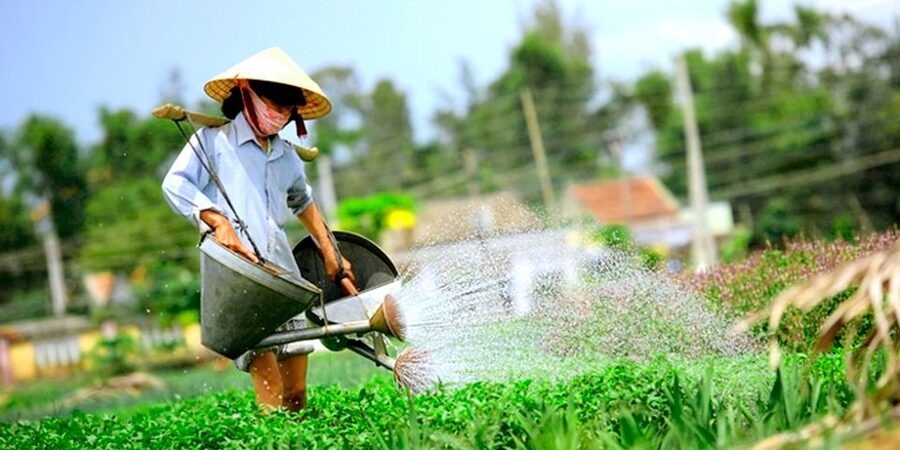
- Tra Que Herb Village setting: you’re cooking in a real herb-growing area, not a studio kitchen
- Four dishes to cook: you’ll make a full plate, not just one snack
- Pre-portioned ingredients: assistants help with the prep so the class stays smooth
- Multiple start times: you can choose 10:00, 15:00, or 18:00 for your schedule
- Vegetarian/vegan options: tell them when booking for a properly prepared menu
- English live guide and small group: English support and lots of elbow room (max 10 people)
Arriving at Tra Que: Where the Cooking Starts
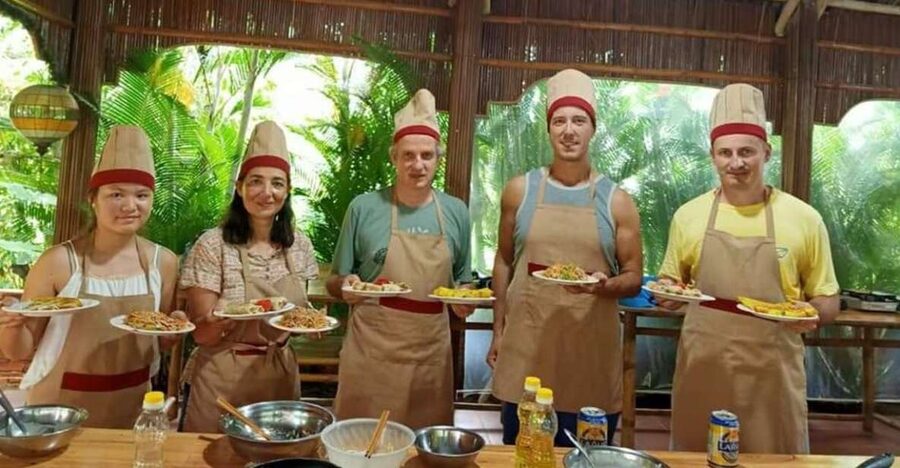
Hoi An has a way of making food feel personal. This class leans into that, because you start in Tra Que Herb Village—a place known for growing herbs that show up in Vietnamese cooking. Even before the first pan heats up, you’re surrounded by the vibe of a working landscape, not a tourist set.
You’ll meet at Tra Que Rural Charm Cooking class, inside Tra Que Herbs Village. From there, expect a welcome drink and a chance to rest briefly before you cook. The pace matters here. With a 3-hour total time, the goal is to keep you moving—without sprinting. That’s a big part of why this kind of class works well for most people, even if your cooking skills are more “microwave survivor” than “noodle wizard.”
Also, this is an evening class—specifically offered as an 18:00 option (with 10:00 and 15:00 classes too). If you’re doing Hoi An sightseeing during the day, the timing is convenient. You can use the class as your main food activity rather than adding another dinner plan later.
Aprons on for another Hoi An kitchen
- Cooking Class Hoi An:Local Market, Basket Boat, Fishing & Cooking★ 5.0 · 3,660 reviews
- Hoi An Cooking Class(Market,BasketBoat Crabfishing&Cooking Class)★ 5.0 · 3,386 reviews
- From Hoi An: Market Tour, Basket Boat Ride and Cooking Class★ 4.8 · 2,208 reviews
- Hoi An: Basket Boat with Lantern-Making & Cooking Class Tour★ 4.9 · 1,444 reviews
How the 3-Hour Cooking Flow Really Works
The class is built around one simple idea: you cook the meal. Not just watch it. You’ll have a live English guide/host and a chef who teaches traditional methods for several dishes.
What you do:
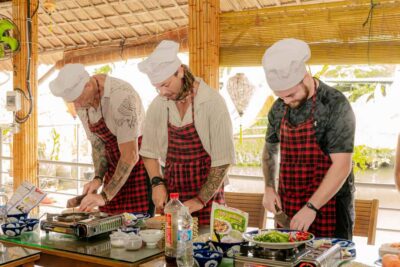
- You’ll be assigned a cooking station.
- You’ll work through a recipe flow to prepare four local dishes.
- Helpers assist along the way, including pre-portioning ingredients for easier assembly.
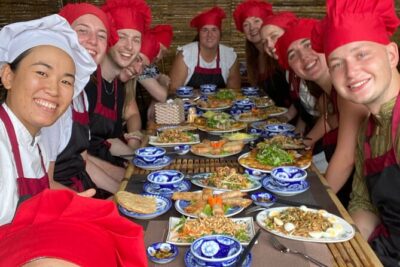
- After cooking, you eat what you prepared along with side dishes.
Why this matters: a lot of cooking classes fail in one of two ways. Either they feel too loose (so you spend time waiting), or they feel too technical (so you feel lost). This one is described as easy to follow, and the pre-portioned ingredients are there for a reason. Less scrambling, more actual cooking.
It also helps that the menu can change based on what’s available. That means the class can be a little different day to day, which keeps it from feeling like a copy-paste performance.
The Dishes You’ll Cook in This Class
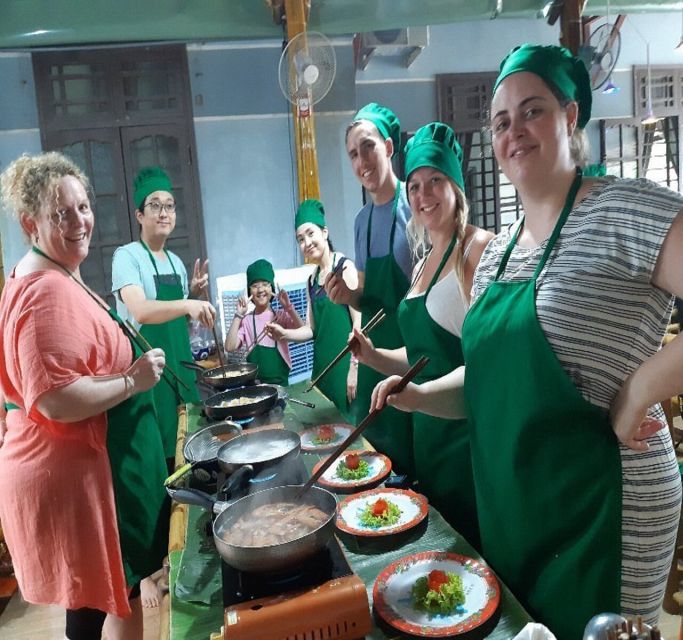
The menu is based on what’s available, but the listed dishes give you a clear sense of what you’ll be making. In this class, the core set includes:
- Special Tra Quế vegetable village
- Hoi An spring rolls
- Hoi An pancake
- Morning glory stir-fried with Garlic
Even if you’ve had these foods before, cooking them is a different experience. It teaches you how home cooking is built—small steps, quick assembly, and timing. And because you’re cooking with guidance, you’re less likely to end up with something under-seasoned or overcooked.
Here’s the practical advantage: you’re not just learning recipes. You’re learning the rhythm—how a Vietnamese meal is composed and how different components share the table.
If you have dietary needs, you’ll want to pay attention to the menu promise. There’s a note that vegetarian/vegan menus are available if you let them know when booking. That’s a big deal in Vietnam, where hidden ingredients can creep into sauces and garnishes.
Step One: Welcome Drink and a Quick Reset
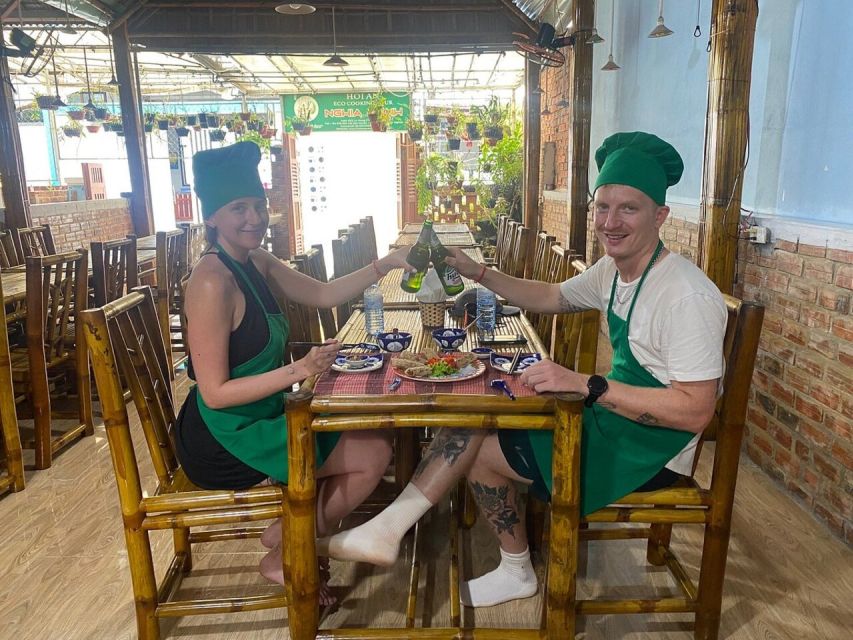
Before you start cooking, you’ll get a welcome drink and some time to settle in. That doesn’t sound exciting on paper, but it’s one of those small touches that makes a group class easier.
A cooking class has two clocks:
1) The real timetable
2) Your brain trying to catch up after travel
This kind of intro helps you start at the right pace, especially if you chose the 18:00 slot after a full day out.
More hours at the Hoi An stove


Step Two: Learning Traditional Methods Without Getting Overwhelmed
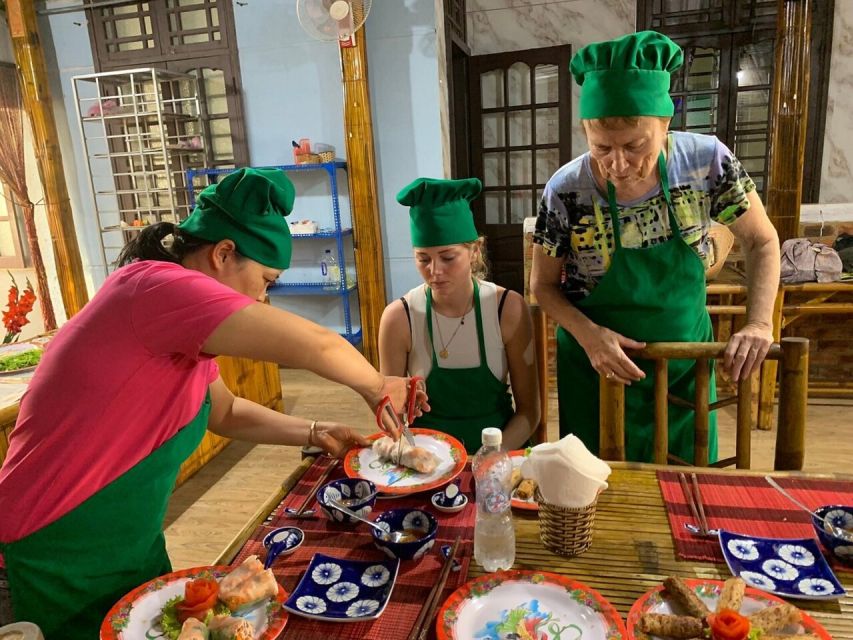
Your chef teaches you traditional methods for some Vietnamese dishes. The focus is on doing, not just explaining. The class is described as not difficult to follow, and assistants pre-portion certain ingredients to make the steps simpler.
What that looks like in practice:
- You’ll work with a recipe menu while cooking.
- If something is complex, someone helps you along rather than leaving you to guess.
- You’ll build dishes at your station so you’re actively engaged.
The class is also presented as small group with English support. That combination matters. Food instruction gets easier when you can actually hear the steps clearly, and it gets calmer when the group isn’t too large.
One more practical detail: the cooking class menu can change based on availability of ingredients. That’s normal with market-based cooking. The benefit is that you’re more likely to get fresher ingredients, and you’re participating in a menu that reflects what the village can source.
Step Three: Cooking at Your Station (and Actually Getting Through)
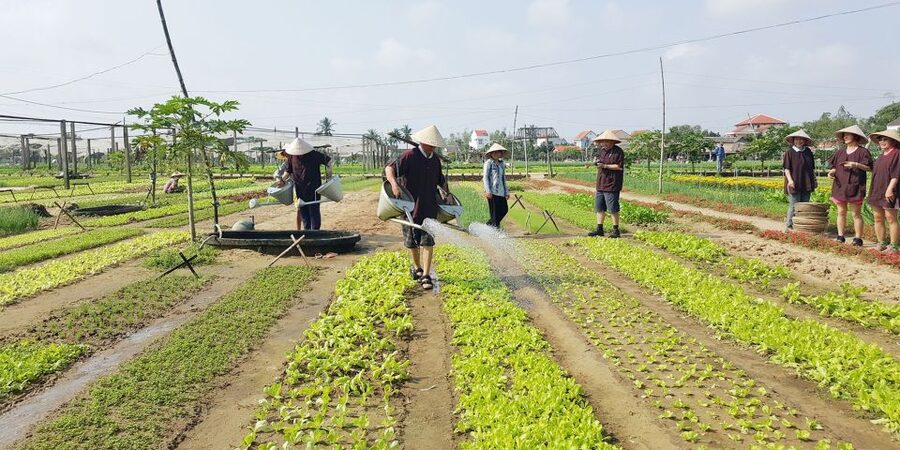
The most satisfying part of a cooking class is when you finish your dish and it’s yours. Here, you cook four local dishes with help from recipes. The class uses an assembly-friendly approach with pre-portioned ingredients, so you’re not spending half the time measuring.
You should also plan for a friendly “team vibe” around your station. With a max of 10 participants, you’re not swallowed by the group. You can ask questions, and the assistant flow is more manageable.
If you’ve done cooking classes before and they felt rushed, this one’s timing is a relief: three hours total means they’ve designed the steps so you can finish, eat, and leave without feeling like you’ve lost your evening.
Step Four: Enjoying What You Cook (This Is the Point)
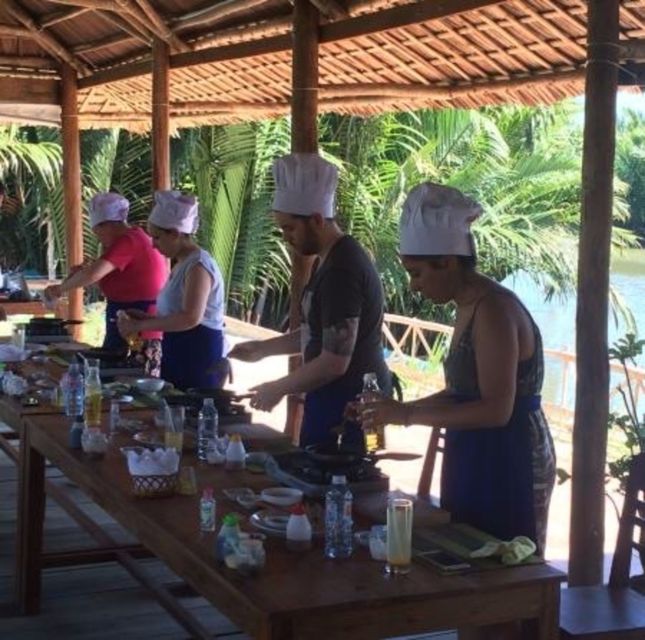
After the lesson, you get to enjoy what you prepared, plus side dishes. This is where the class earns its value.
A lot of cooking classes quietly turn into “thanks for helping; now watch us serve.” This format is clearly designed so you eat your own work. That means you’ll taste the result while it’s still fresh and still warm enough to feel like a real meal.
And since it’s in an herb village setting, the flavors make more sense. Tra Que herbs aren’t just a background story. They connect to what you’re cooking and what you’re eating.
Price and Value: What $27 Buys You Here
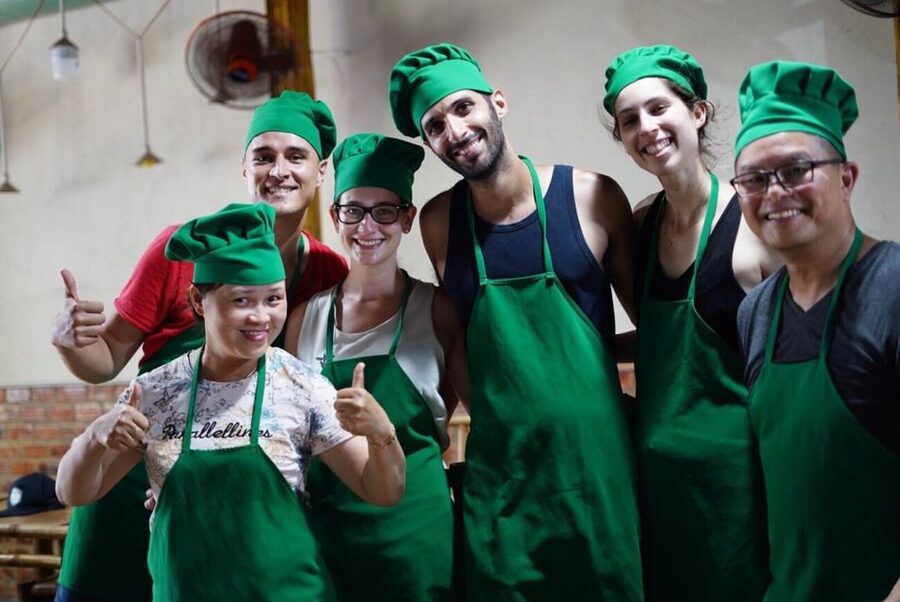
The price is listed as $27 per person for a 3-hour class. That sounds straightforward, but the value comes from what’s included.
Included:
- Cooking ingredients
- Welcome drink
- Recipe menu
Not included:
- Hotel pickup and drop-off
- Drinks
- Other expenses not mentioned
What I like about the value here is that you’re paying for the whole cooking experience: the ingredients and the instruction, not just a ticket to watch. In a place like Hoi An, where many meals can be a big daily cost, this class can act like both a hands-on activity and part of your dinner plan.
Two small cost considerations:
- If you’re on a public holiday, there’s a 100,000 VND per person cash surcharge.
- You’ll likely want to budget for drinks since they’re not listed as included.
Also, hotel pickup isn’t included. That’s common, but it changes planning. You’ll want to get yourself to the meeting point in Tra Que Herb Village on time.
Scheduling: Choose the Right Start Time for Your Day
You have three daily options: 10:00, 15:00, and 18:00. The class duration is 3 hours, so pick the slot that fits your energy level.
If you’re touring Hoi An heavily in the daytime:
- The 18:00 start is a good “food anchor.” You can treat the rest of the evening as flexible once cooking ends.
If you want to avoid late-night plans:
- 15:00 can work like a late afternoon dinner substitute.
If you prefer a morning activity:
- 10:00 is great if you like to get your hands busy early.
All start times require you to find the meeting point inside Tra Que Herbs Village, so give yourself a few minutes of buffer even if you’re confident.
Vegetarian and Vegan-Friendly? Yes, But Tell Them Early
There is a clear note that vegetarian and vegan menus are available. The key detail is that you need to let them know upon booking so they can prepare the menu properly.
That’s the difference between “vegetarian options” and “vegetarian experience.” If you’re avoiding animal products or specific ingredients, don’t wait until the day of. Send your request when you book.
Logistics That Matter: Small Group, English, and What’s Not Allowed
This class is set up for a calm learning environment:
- Small group limited to 10 participants
- Live tour guide in English
Two practical restrictions are listed:
- Wheelchair users: not suitable
- Pets: not allowed
If you’re traveling with mobility constraints or service needs, it’s smart to think ahead about the physical layout of the herb village and cooking stations. This kind of setting usually isn’t built like a flat, standardized indoor venue.
Helpful Tips So You Don’t Lose Time
These are the little things that make your cooking class day smoother:
- Arrive early enough to find the meeting point inside Tra Que Herbs Village. One review notes it can be a bit tricky to locate, even for people who travel a lot.
- If you have food needs, tell them in advance. The class description says they can accommodate vegetarian/vegan menus, and the guide can be flexible when you share needs ahead of time.
- Bring a normal cooking-class mindset: you’re learning with your hands, not judging your results like a TV judge.
- Expect ingredients to be pre-portioned for easier assembly, so don’t overthink measurements.
Who Should Book This Class (and Who Might Skip)
I think this class is ideal if you want:
- A hands-on food experience rather than another walking tour
- A small group setting with English support
- A meal you can feel proud of, because you made it
It may be less ideal if you:
- Want hotel pickup (not included)
- Need wheelchair accessibility (not suitable)
- Only want a short snack activity (this one is a full 3-hour cooking session)
Should You Book It? My Straight Answer
If you like eating well and learning how food comes together, I’d book this cooking class. The combination of four dishes, traditional methods, and a small group makes it good value for time and money. You’re also getting the Tra Que Herb Village atmosphere, which adds meaning to what you cook and eat.
The biggest reason to hesitate is simple: location. If you dislike hunting for meeting points, plan for extra arrival time. If you’re okay with that, you’ll likely leave with more than a full stomach—you’ll leave with recipes you can repeat at home thanks to the recipe menu.
FAQ
What dishes will I cook during the class?
The menu includes four dishes: Special Tra Quế vegetable village, Hoi An spring rolls, Hoi An pancake, and Morning glory stir-fried with Garlic. The menu can change based on ingredient availability.
How long is the cooking class?
The cooking class lasts 3 hours.
Are vegetarian or vegan menus available?
Yes. Vegetarian/vegan menus are available if you tell them about your needs upon booking so the food can be prepared properly.
What time does the class run?
There are three start times available each day: 10:00, 15:00, and 18:00.
What’s included in the price?
The price includes cooking ingredients, a welcome drink, and a recipe menu.
Where is the meeting point?
The meeting point is Tra Que Rural Charm Cooking class inside Tra Que Herbs Village. Hotel pickup and drop-off are not included.
Learn Another Vietnamese Dish
- Cooking Class Hoi An:Local Market, Basket Boat, Fishing & Cooking
★ 5.0 · 3,660 reviews - Hoi An Cooking Class(Market,BasketBoat Crabfishing&Cooking Class)
★ 5.0 · 3,386 reviews - From Hoi An: Market Tour, Basket Boat Ride and Cooking Class
★ 4.8 · 2,208 reviews - Hoi An: Basket Boat with Lantern-Making & Cooking Class Tour
★ 4.9 · 1,444 reviews - Hoi An Cooking Class(Local market,Basket Boat,Fishing & Cooking)
★ 5.0 · 1,323 reviews - Hoi An: Market Experience with Optional Fishing and Cooking
★ 4.7 · 928 reviews
More Tour Reviews in Hoi An
- Hoi An: Basket Boat Ride in the Coconut Forest
★ 4.9 · 4,956 reviews - Hoi An: Vietnamese Coffee Culture and Coffee Making Class
★ 4.9 · 4,006 reviews - Hoi An: Vietnamese Foldable Lantern Making Class
★ 4.9 · 3,742 reviews - Cooking Class Hoi An:Local Market, Basket Boat, Fishing & Cooking
★ 5.0 · 3,660 reviews - Hoi An Cooking Class(Market,BasketBoat Crabfishing&Cooking Class)
★ 5.0 · 3,386 reviews - Hoi An: My Son Sanctuary Early Morning w. Champa Food Brunch
★ 4.9 · 2,750 reviews
Cook It Yourself: More Hoi An Kitchens
- Cooking Class Hoi An:Local Market, Basket Boat, Fishing & Cooking
★ 5.0 · 3,660 reviews - Hoi An Cooking Class(Market,BasketBoat Crabfishing&Cooking Class)
★ 5.0 · 3,386 reviews - From Hoi An: Market Tour, Basket Boat Ride and Cooking Class
★ 4.8 · 2,208 reviews - Hoi An: Basket Boat with Lantern-Making & Cooking Class Tour
★ 4.9 · 1,444 reviews - Hoi An Cooking Class(Local market,Basket Boat,Fishing & Cooking)
★ 5.0 · 1,323 reviews - Hoi An: Market Experience with Optional Fishing and Cooking
★ 4.7 · 928 reviews
Just Reviewed: Fresh Hoi An Trips



Hoi An Cooking Classes, compared.
 ★ 5.0Cooking Class Hoi An:Local Market, Basket Boat, Fishing & CookingFrom $283,660 reviews
 ★ 5.0Hoi An Cooking Class(Market,BasketBoat Crabfishing&Cooking Class)From $283,386 reviews
 ★ 4.8Market Tour, Basket Boat Ride and Cooking ClassFrom $172,208 reviews
 ★ 4.9Basket Boat with Lantern-Making & Cooking Class TourFrom $301,444 reviews
 ★ 5.0Hoi An Cooking Class(Local market,Basket Boat,Fishing & Cooking)From $281,323 reviews
 ★ 4.7Market Experience with Optional Fishing and CookingFrom $4928 reviews
 ★ 4.9Basket Boat Ride, Cooking Class by HangcoconutFrom $19802 reviews
 ★ 5.0Hoi An Eco Tour Cooking Class & Fishing (Local market,basket boat,learn cooking)From $29567 reviews
Browse the lists this tour appears in