Reviewed · HOI AN
Hidden Gems of Old Hoi An
Forget the main streets for a few hours. This small-group walking tour takes you through Old Hoi An’s back alleys and family production spots, then rewards you with 5–7 tastings tied to what you just saw. You’ll learn how daily life, markets, temples, and local architecture connect to dishes like Cao Lau noodles and bean sprouts.
What I like most is the cause-and-effect feel: you don’t just eat. You watch items get made, then you taste them in context. The second big win is the pacing and scale—max 10 people—so guides can slow down for questions, like the stories shared by guides such as Kiwi, Quyen (Quinni), and Kim.
One drawback to consider: it’s a walking tour with a moderate fitness level, and you’ll be on your feet through narrow lanes and market areas. If you hate early starts or don’t do well with street crossings, the afternoon option will likely feel easier.
In This Review
- Key points worth knowing before you go
- Why this Old Hoi An food walk feels more real
- Entering the Ancient Town: bean sprouts and Cao Lau at the source
- Walking back alleys with guides like Kiwi, Quyen, and Kim
- The tastings: what you’ll likely eat and how to pace it
- Culture stops that aren’t just photo stops
- Price and logistics: why $41 can make sense here
- Who should book—and who should skip this one
- Should you book this Old Hoi An backstreet food tour?
Key points worth knowing before you go
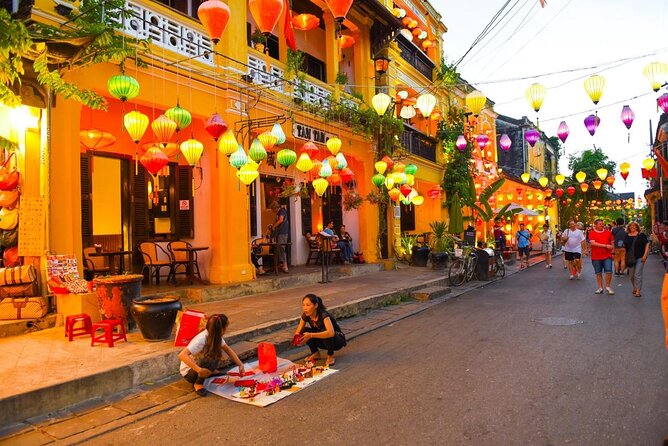
- Morning or afternoon choices let you match your energy level and heat tolerance.
- Small group (up to 10) means the walk doesn’t feel crowded or rushed.
- Select hotel pickup is complimentary, which saves time in the center of Hoi An.
- 5–7 tastings plus bottled water and coffee or tea make the price feel practical, not “pay for a walk.”
- Family producers and a working food “factory” visit connect your meals to real local work.
- Old Town walking route ends near Bill Coffee & Tea, so plan for a different end point than where you start.
Why this Old Hoi An food walk feels more real
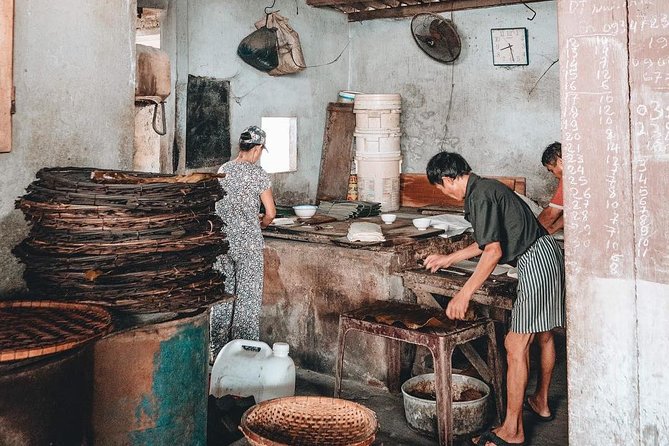
Hoi An is famous for its Old Town, but the usual routes can feel like a highlight reel. This experience flips that. You spend time on the side streets and trails of local flow, where you see the rhythms of working families and the places that feed the town long after the lantern lights.
I also like that the tour is structured like a full mini-course: production → explanation → eating. That’s why it’s so satisfying, especially if you’ve already been wandering the Ancient Town on your own. It gives you names for things you’d otherwise only notice with your eyes.
Another smart touch: the tour is built around culture through food. You’ll hear how Japanese, Chinese, and Western influences shaped life in Hoi An and how that shows up in cuisine. It turns meals into a story you can actually remember when you’re back home.
Still deciding? Line this one up against a few Hoi An favourites.
- Hoi An: Basket Boat Ride in the Coconut Forest★ 4.9 · 4,956 reviews
- Hoi An: Vietnamese Coffee Culture and Coffee Making Class★ 4.9 · 4,006 reviews
- Hoi An: Vietnamese Foldable Lantern Making Class★ 4.9 · 3,742 reviews
- Cooking Class Hoi An:Local Market, Basket Boat, Fishing & Cooking★ 5.0 · 3,660 reviews
Entering the Ancient Town: bean sprouts and Cao Lau at the source
The walk begins in the Ancient Town area and quickly shifts away from the busiest lanes. The first stop sets the theme: you’ll visit local family businesses and see how key ingredients get produced—especially bean sprouts and Cao Lau noodles.
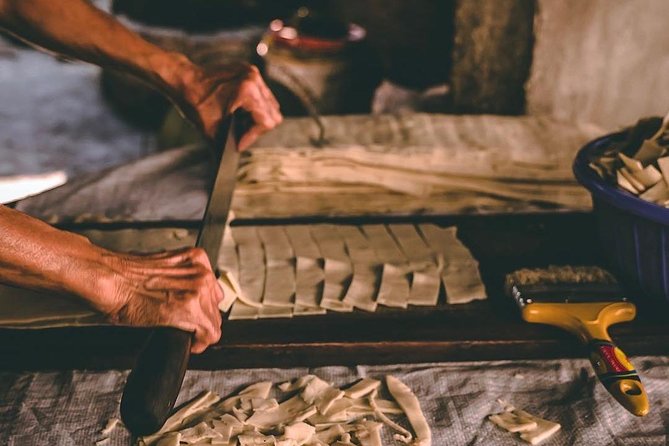
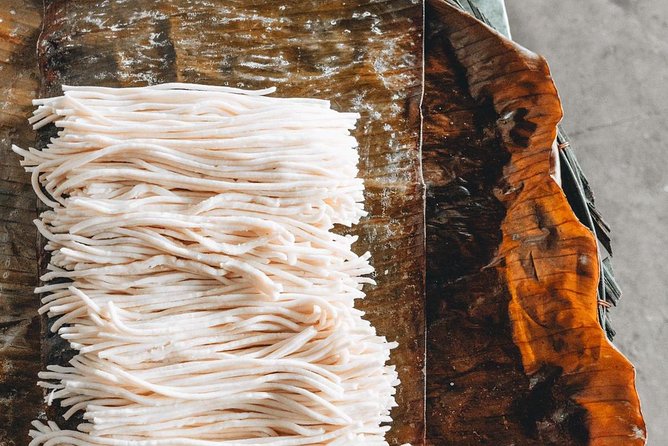
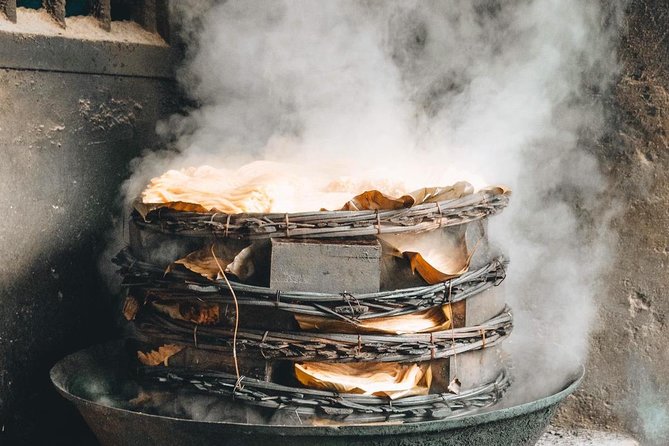
Cao Lau is one of those dishes that sounds simple until you learn the process behind it. On this tour, you go to what’s described as the oldest factory for Cao Lau noodles, and you’ll taste the final result like a local would. Even if you’re a “show me, then I’ll eat” kind of person, this part hits the right note. You’re not stuck with a lecture. You’re watching the work, then getting fed.
You’ll also learn about organic bean sprout production. That matters in Hoi An because bean sprouts are a backbone ingredient in many local meals, and seeing them handled in a working setting makes the taste feel less random. It’s one thing to eat sprouts. It’s another to understand where they come from and why they’re dependable in local kitchens.
Practical note: the tour includes walking, and stop 1 lists an admission ticket not included. If you pass any paid locations along the route, plan for that possibility.
Walking back alleys with guides like Kiwi, Quyen, and Kim
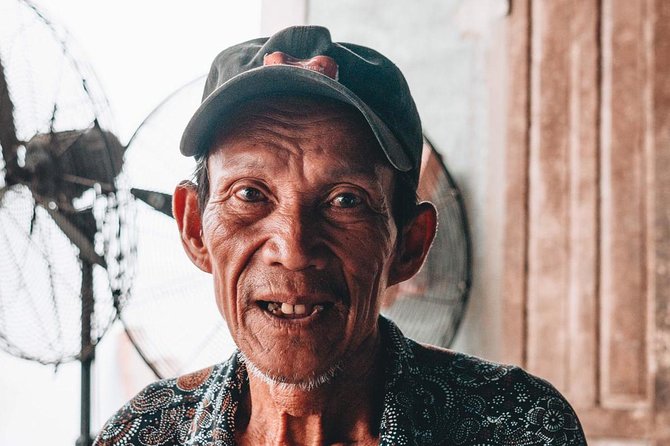
This is where the experience earns its strong rating. You’re in a maximum 10-person group, so you don’t get that “tour conveyor belt” feeling. The guides named in past groups—Kiwi, Quyen (Quinni), Kim, and others—show the same pattern: they connect the places to people, and they’re comfortable guiding you through side streets without treating the city like a museum.
You’ll also get small-group help that’s more useful than you’d expect. One review notes guides being helpful when crossing busy streets, which matters in Hoi An where cars and motorbikes can pop up fast. If you’re traveling with kids or anyone who’s steady-but-not-fast, this kind of group support makes a difference.
And because the route is built around backstreets, the guides can point out details you’d miss on your own—like how family temples sit within everyday neighborhoods, or how market areas reflect daily needs rather than just visitor shopping.
The tastings: what you’ll likely eat and how to pace it
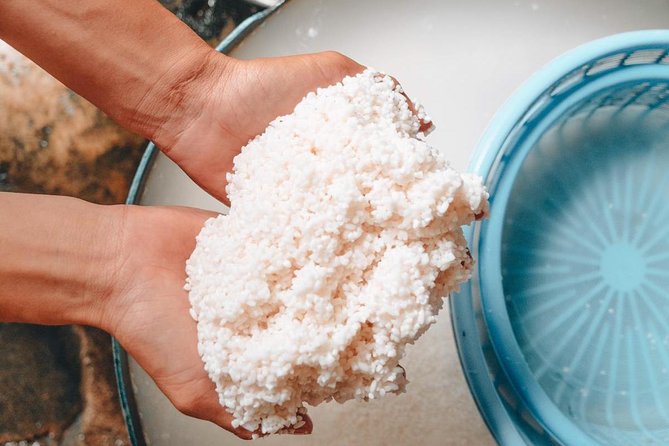
The tour’s promise is clear: you’ll have five to seven tastings, plus bottled water and coffee or tea. That’s a lot of samples for a 3–4 hour walk, so I’d treat the day like a meal prep session rather than “just a snack outing.”
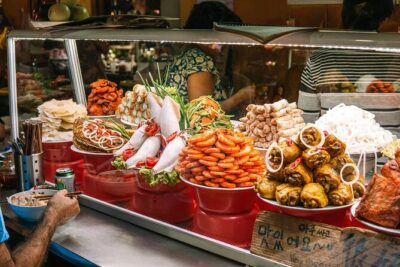
What kinds of tastings? The tour ties them to the items you saw made earlier. So if you visited the noodle and sprout producers, expect dishes that use those ingredients in a local way—not a generic “Vietnam buffet bite.”
From the tour description and the examples shared by past participants, you can also expect tastings linked to local markets and street food culture. One example is street-food stops around Tiger Market, which is exactly the kind of place you might walk past without realizing it’s worth slowing down for.
How to pace yourself:
- Keep water handy. The tour includes bottled water, but you’ll still want sips during the walk.
- Start with the lighter bites and save your favorite ingredient-based dishes for the middle-to-late portion of the tour.
- If you’re heat-sensitive, pick the morning option so you’re eating before the day fully ramps up.



Culture stops that aren’t just photo stops
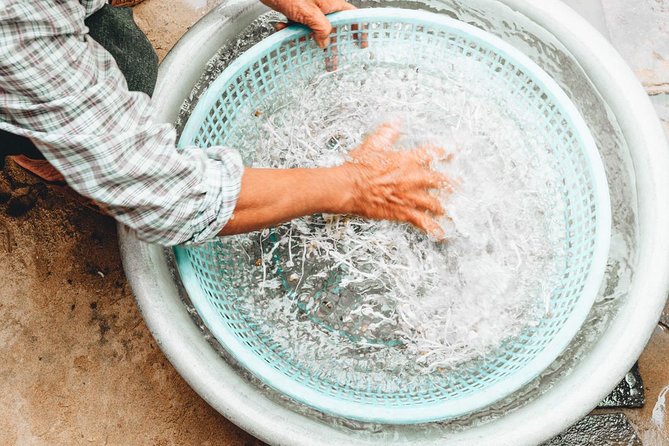
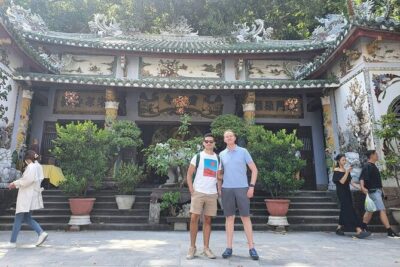
This isn’t only about factories and food samples. You’ll walk through areas that explain how Hoi An works day to day—markets, temples, and architecture—and you’ll hear how different cultures influenced the city and its cuisine.
I like this because it prevents the tour from turning into a “taste-only” experience. When you see a family temple in its real neighborhood setting, the city becomes more than a backdrop. When you learn what roles markets play, the food tastings feel connected to the way people actually shop and eat.
The description also mentions a family temple and market visit along the way, plus time spent learning the layout and lifestyle of the area. That’s the stuff that makes future wandering easier. After the walk, you’ll know what to look for on your own: where food production fits into the town, and how the old trading-port story still shows up at street level.
Price and logistics: why $41 can make sense here
At $41 per person for a 3–4 hour small-group walking tour, this is mostly about value from included food and time. You’re not only paying for a guide with a route. You’re paying for:
- Hotel pickup from select Hoi An hotels (complimentary)
- 5–7 tastings
- Bottled water
- Coffee or tea
- A guided route through back streets with small-group interaction
If you were to buy all those tastings and then pay for multiple separate local experiences, the total usually creeps up. Here, you’re paying for one organized sequence that connects production to eating.
Logistically, the tour uses a mobile ticket and is near public transportation. That’s helpful if you’re staying outside the pickup zone and need a simple way to reach the meeting point.
One small thing to plan around: the start and end points are different. You’ll start at 03 Phan Đình Phùng in Cẩm Sơn area and end near Bill Coffee & Tea on Trần Hưng Đạo. If you’re heading somewhere right after, set it up so you’re not rushing across town.
Who should book—and who should skip this one
This tour is a great match if you:
- Want authentic food production rather than only restaurants
- Like walking tours but still want a reasonable structure
- Prefer a small group where guides can tailor pace and explanations
- Enjoy learning how history shows up through everyday life (temples, markets, architecture)
It may be less ideal if you:
- Don’t handle walking well (the tour lists moderate physical fitness)
- Struggle with street crossings and crowded market edges
- Hate early mornings (choose afternoon if morning starts sound tough)
Also, if you’re the type who already knows exactly what you want to eat, you’ll still enjoy the context. But if you only want a single sit-down meal, this tour is more “samples + stories” than “big restaurant lunch.”
Should you book this Old Hoi An backstreet food tour?
Yes, if your goal is simple: understand Hoi An through food and the real people behind it. The combination of family production visits, a small group, and 5–7 tastings with coffee/tea and water makes this one of the more practical ways to spend half a day in the center.
If you’re sensitive to walking or you dislike early starts, pick the afternoon option and wear comfortable shoes. You’ll get the same structure and the same focus on how noodles and sprouts (and the people who grow and make them) shape local life.
More Tour Reviews in Hoi An
- Hoi An: Basket Boat Ride in the Coconut Forest
★ 4.9 · 4,956 reviews - Hoi An: Vietnamese Coffee Culture and Coffee Making Class
★ 4.9 · 4,006 reviews - Hoi An: Vietnamese Foldable Lantern Making Class
★ 4.9 · 3,742 reviews - Cooking Class Hoi An:Local Market, Basket Boat, Fishing & Cooking
★ 5.0 · 3,660 reviews - Hoi An Cooking Class(Market,BasketBoat Crabfishing&Cooking Class)
★ 5.0 · 3,386 reviews - Hoi An: My Son Sanctuary Early Morning w. Champa Food Brunch
★ 4.9 · 2,750 reviews