
Reviewed · HOI AN COOKING CLASSES
From Hoi An: Cooking Class at Organic Farm
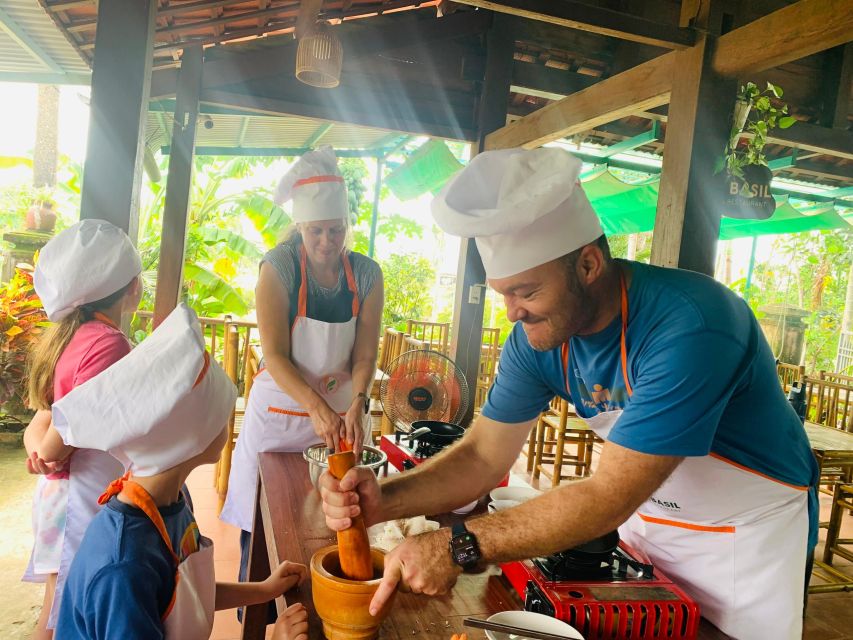
You start with herbs, not menus. This hands-on cooking class at Lemon Basil Cookery & Restaurant takes you through Tra Que vegetable village, then guides you step by step as you cook classic Vietnamese dishes using organic ingredients. I really like how the farm-to-plate setup makes the recipes feel practical, not touristy.
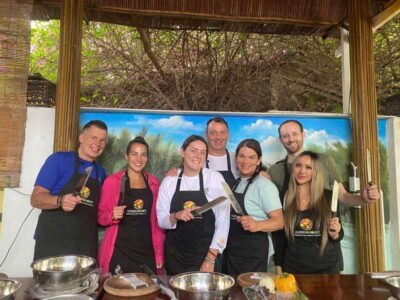
I also like the small-group vibe, limited to 10 participants, so questions don’t get lost in a crowd. The class is taught in English by skilled chefs, and you’ll cook and eat together at the end with a communal meal.
One heads-up: there’s no pickup, so you’ll need to get yourself to the meeting point on time. Also, for allergies and dietary needs, tell the team in advance so they can adapt what you cook.
In This Review
- Key Things I’d Put at the Top of Your List
- Lemon Basil Cooking Class: A Simple Reason It Feels Memorable
- Finding Lemon Basil in Tra Que (And Why No Pickup Matters)
- The Farm Tour: What You Learn Before You Cook
- Hands-On Cooking in the Kitchen: Four Iconic Dishes
- Tra Que Spring Rolls: Freshness You Can Taste
- Green Papaya Salad: Balancing Sweet, Sour, and Heat
- Fish in Clay Pot: Gentle Cooking with Real Flavor
- Bánh Xèo: The Crispy Pancake Skill Test
- How English-Speaking Chefs Make It Work for Beginners
- Flavor Lessons You’ll Actually Use After Hoi An
- Communal Dining: What It’s Like to Eat What You Cook
- Price and Value: Is $27 a Good Deal?
- Who This Cooking Class Fits Best
- Should You Book Lemon Basil in Tra Que?
- FAQ
- How much does the cooking class cost?
- How long is the experience?
- Where do I meet the group?
- Is pickup included from my hotel?
- What dishes will I cook?
- Is the class taught in English, and is it a small group?
- Can you handle allergies and dietary restrictions?
Key Things I’d Put at the Top of Your List
- Tra Que vegetable village setting: Learn in the place where the ingredients are grown.
- Small group size (up to 10): More hands-on time with the chef.
- Organic ingredients for four dishes: You’ll cook Tra Que Spring Rolls, Green Papaya Salad, Fish in Clay Pot, and Bánh Xèo.
- English instruction: Clear guidance even if you’re a beginner cook.
- Communal dining + completion certificate: You leave with food, skills, and something tangible.
Lemon Basil Cooking Class: A Simple Reason It Feels Memorable
Hoi An has plenty of cooking classes. This one works because it starts earlier than you expect: in the fields and gardens of Tra Que. You’re not just handed an apron and a recipe card. You get a look at what’s actually growing and what’s being used, so the flavors make sense before you touch the stove.
The “organic farm” piece matters more than it sounds. When you see the herbs and greens laid out, you cook with more confidence. You’re also less likely to treat the class like a performance and more likely to treat it like a skill workshop.
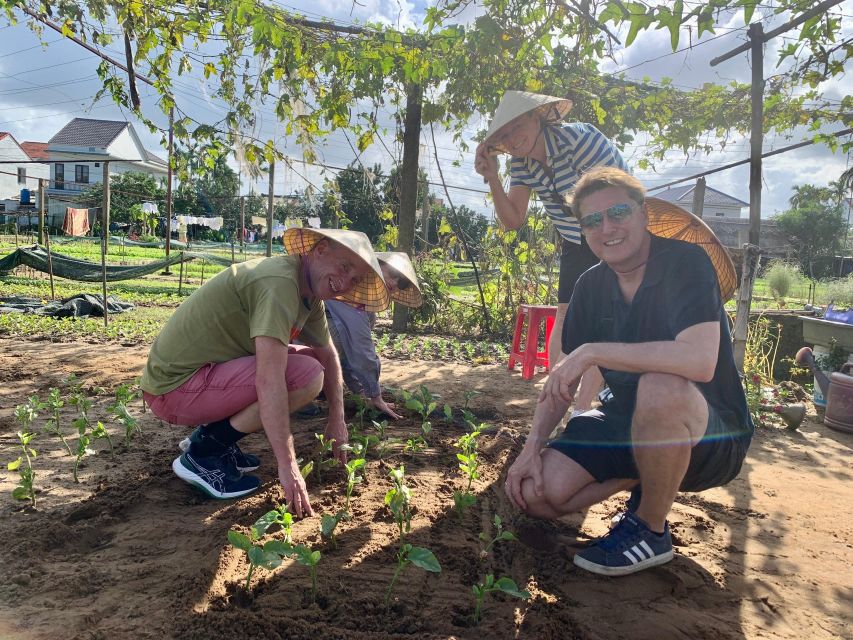
The other big factor is the tone. The class is interactive, and you may get asked to help with light farm activities like planting, watering, or preparing greens. It’s not a hard labor contest. It’s a hands-on way to connect the ingredients to the final dishes.
Aprons on for another Hoi An kitchen
- Cooking Class Hoi An:Local Market, Basket Boat, Fishing & Cooking★ 5.0 · 3,660 reviews
- Hoi An Cooking Class(Market,BasketBoat Crabfishing&Cooking Class)★ 5.0 · 3,386 reviews
- From Hoi An: Market Tour, Basket Boat Ride and Cooking Class★ 4.8 · 2,208 reviews
- Hoi An: Basket Boat with Lantern-Making & Cooking Class Tour★ 4.9 · 1,444 reviews
Finding Lemon Basil in Tra Que (And Why No Pickup Matters)
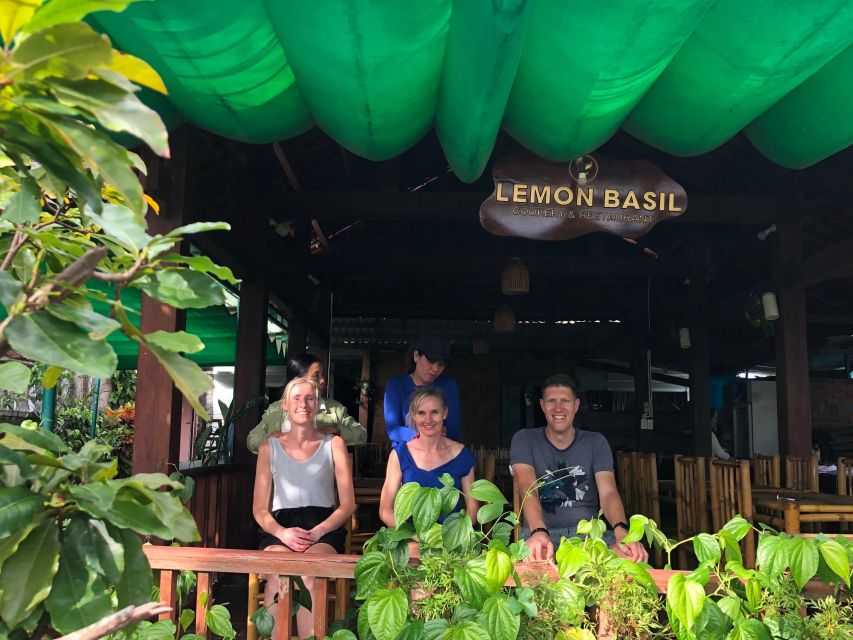
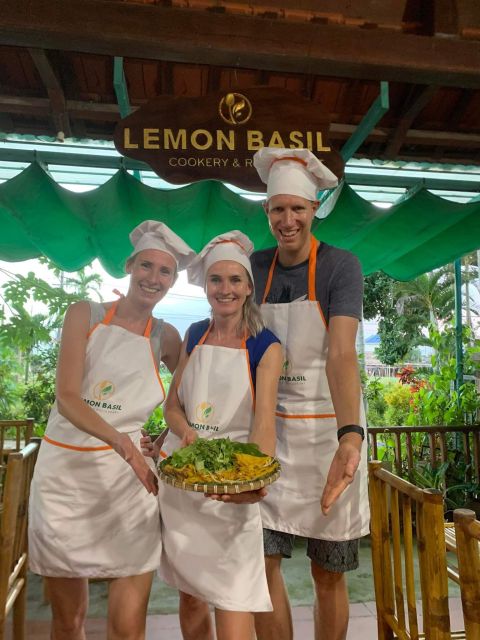
The meeting point is Lemon Basil Cookery & Restaurant in the heart of Tra Que vegetable village. The directions here are straightforward: look for the distinctive signage and the welcoming restaurant area.
Because pickup isn’t included, you’ll want to plan your route ahead of time. Budget extra minutes for getting there and finding the right spot, especially if you’re arriving by motorbike, taxi, or walking from your hotel. This is the one part that can trip people up, not the cooking itself.
Arrive about 5–10 minutes before the scheduled start. The timing is part of the flow: a quick check-in, then ingredients and prep, then cooking. If you roll in late, you’ll start behind the pace.
The Farm Tour: What You Learn Before You Cook
The first phase centers on ingredients and fresh organic produce. You’ll explore the farm area tied to Tra Que Spring Rolls, and you’ll get context for what you’re using and why those ingredients show up in Vietnamese cooking.
Here’s what makes the farm tour useful for your meal later:
- You’ll recognize herbs and greens, so you understand how they change taste and texture.
- You’ll learn what to look for when you buy similar produce in Hoi An markets.
- You’ll pick up basic farming context, like how soil is prepared and what’s being cultivated.
In past sessions, hosts have guided people through herb varieties and helped with simple tasks like watering or planting greens. You don’t need prior experience. The goal is to get you comfortable handling the ingredients and understanding them.
If you like food travel that connects the plate to the place, this farm segment is the anchor. Without it, you’d just be following steps. With it, you start cooking with intention.
Hands-On Cooking in the Kitchen: Four Iconic Dishes
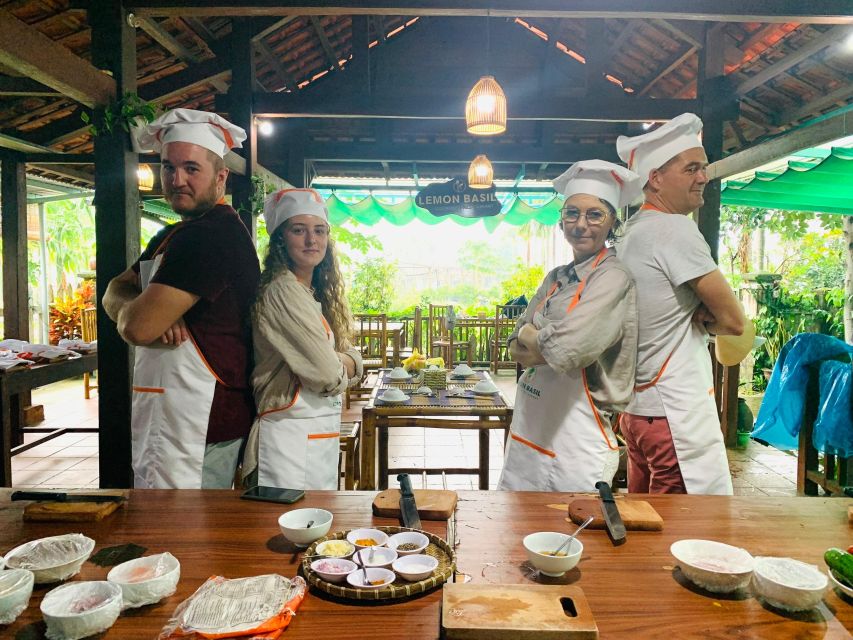
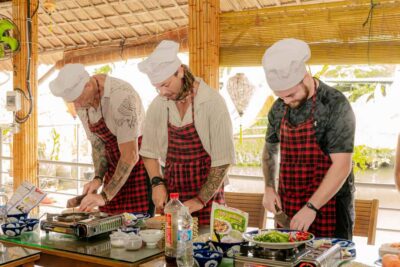
This is a 3-hour experience built around cooking. You’ll work on the four headline dishes, with chefs guiding you through technique and flavor balance as you go. Expect a mix of prep and cooking tasks, depending on the dish.
The four dishes are:
- Tra Que Spring Rolls
- Green Papaya Salad
- Fish in Clay Pot
- Vietnamese Crispy Pancake (Bánh Xèo)
More hours at the Hoi An stove

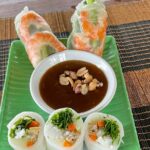
Tra Que Spring Rolls: Freshness You Can Taste
Spring rolls here aren’t treated like a one-size-fits-all snack. You’re learning the setup around the Tra Que version, which makes sense because the farm visit happens first. The focus is on assembling with the right balance of fresh herbs and fillings so the rolls taste light, not heavy.
You’ll spend time preparing and rolling with guidance, and you’ll leave with a clear idea of how the freshness is the point. In other words: the flavor isn’t only in the filling. It’s also in the leaves and herbs wrapping everything up.
Green Papaya Salad: Balancing Sweet, Sour, and Heat
Green papaya salad is where Vietnamese flavor logic becomes obvious. The dish asks you to pay attention to balancing tastes, not just following steps.
You’ll learn how the flavors work together as the salad comes together—sweetness, sourness, and a little kick—so it tastes like something you’d want again. This is a great dish for beginners because it teaches the method: adjust to taste while you’re cooking.
Fish in Clay Pot: Gentle Cooking with Real Flavor
Fish in clay pot is practical and comforting. The clay pot approach keeps the cooking controlled and helps the dish taste deep without needing complicated steps.
You’ll learn how to prepare and cook the fish in a way that feels more guided than intimidating. If you’re the kind of person who likes meals that feel special but not fussy, this is one to prioritize.
Bánh Xèo: The Crispy Pancake Skill Test
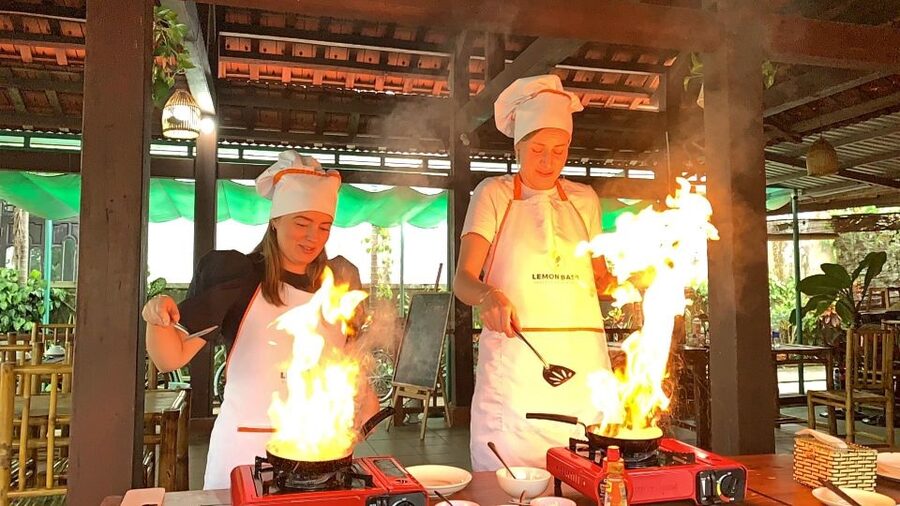
Bánh Xèo can look tricky, especially with the batter and the pan. That’s why it’s one of the best parts of the class. You’re not just watching. You’ll try.
The chef shows you how to approach the crispy pancake so you understand what to watch for while it cooks. If your first attempt isn’t perfect, that’s normal—part of the value here is learning the practical technique so you can improve quickly.
How English-Speaking Chefs Make It Work for Beginners
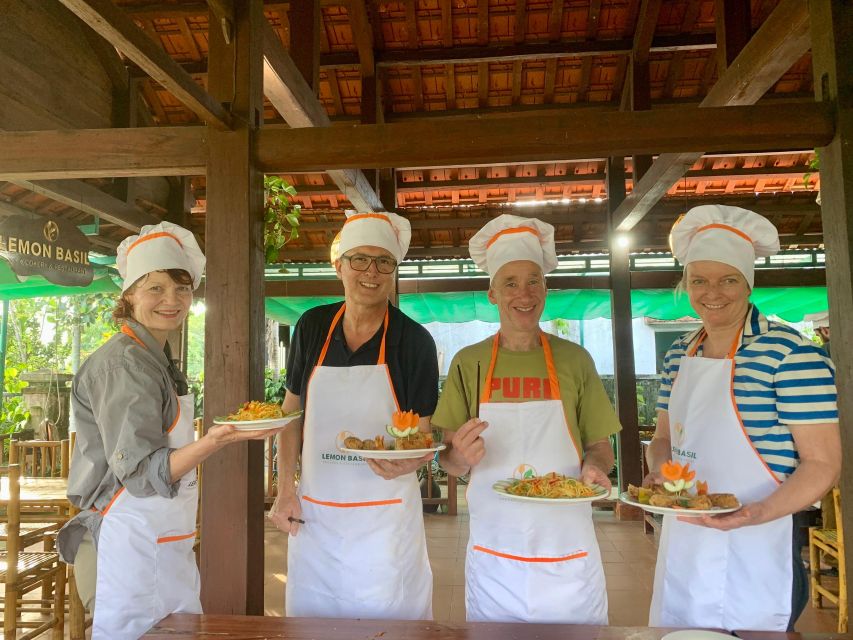
The instruction is in English, and the class is suitable for all skill levels. That matters because cooking classes can fall into a trap: too much jargon, too little explanation.
Here, the teaching style is set up for participation. You’ll get guidance on what you’re doing and why you’re doing it, especially around flavor balance and texture. The tone also tends to be friendly and a bit playful, which takes the pressure off when you’re chopping, stirring, or attempting a pancake.
If you’re traveling solo or coming as a couple, this setup helps you feel included. There’s less standing around and more doing.
Flavor Lessons You’ll Actually Use After Hoi An
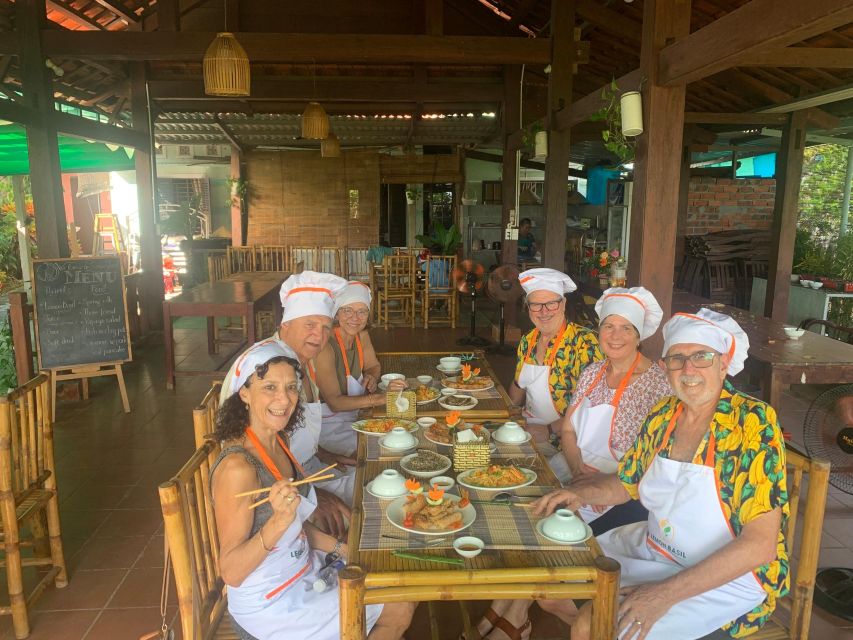
The big value isn’t only the food you eat in class. It’s what you learn about Vietnamese flavor thinking.
You can expect to come away with a better sense of:
- how herbs drive freshness in rolls and salads
- how sour-sweet-heat balance works in papaya salad
- how clay pot cooking can create deep flavor with controlled heat
- what to watch for when making Bánh Xèo so the texture lands right
This is why the farm-to-table approach isn’t just a nice story. It changes your understanding of the recipes. When you recognize ingredients and know the role they play, you can recreate flavors later with more confidence, even at home.
And if you’re the type who usually eats first and asks questions later, this class flips that. You ask questions while you’re cooking. That’s how your brain actually remembers.
Communal Dining: What It’s Like to Eat What You Cook
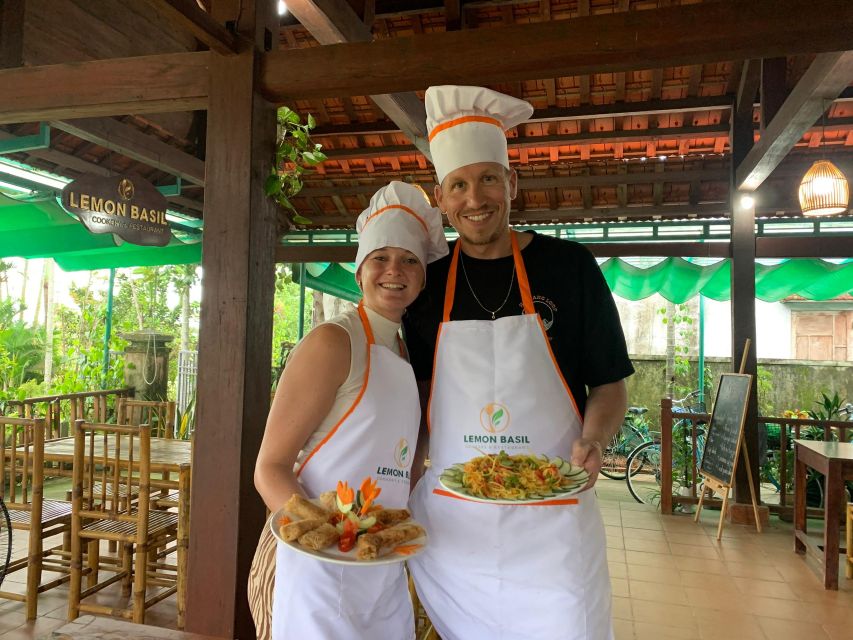
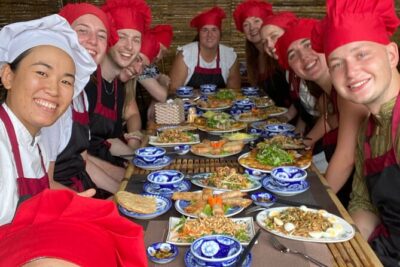
Once the cooking wraps, you share a communal meal. You’ll taste the dishes you made alongside the group. For me, the communal setup is where the experience turns into a memory, not just a meal.
You’ll likely be comparing notes with your cooking group: which dish was easiest, which step took the most practice, and what adjustments you think you’ll make next time. It’s a relaxed way to process what you learned while your stomach is happy.
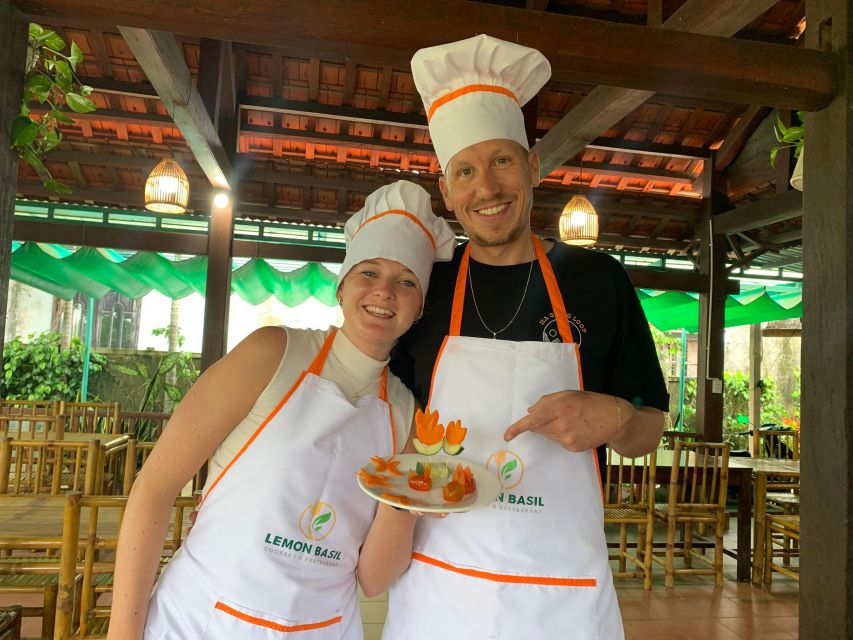
The class also includes a certificate of completion. It’s not going to change your life. But it’s a nice, concrete souvenir from a hands-on day, especially if you’re collecting small experiences instead of bigger tickets.
Price and Value: Is $27 a Good Deal?
At $27 per person, this class can feel like a steal if you care about instruction and ingredients. The value comes from what’s included:
- hands-on cooking with English-speaking chefs
- ingredients for all four dishes
- communal dining
- access to the organic farm tour
- a completion certificate
The trade-off is simple: transportation isn’t included. That means your real cost depends on how you get there, and it depends how far your hotel is from Tra Que.
Still, if you factor in that you’re paying for a guided cooking session plus produce access plus the meal, it’s a solid use of a few hours in Hoi An. This is the kind of price point where you can justify going even if you’re not sure you’ll be a cooking person—because you’ll leave with both food and practical technique.
Who This Cooking Class Fits Best
This class is a strong match if:
- you want a farm-to-table experience without a long day plan
- you like hands-on cooking more than watching
- you want English instruction and clear steps
- you’re traveling with friends or as a couple and want a social meal
- you care about using fresh herbs and produce in Vietnamese recipes
It may be less ideal if:
- you refuse to handle logistics yourself (no pickup)
- you want a class focused only on one dish
- you don’t eat fish, or you have complex dietary needs and haven’t communicated them in advance
Good news: the class asks about allergies and dietary restrictions in advance, and requests are taken into account. In one past session, for example, someone didn’t eat pork and that was handled. Still, the best results come from telling the team exactly what you need.
Should You Book Lemon Basil in Tra Que?
If you want an experience that mixes food, farming, and real cooking practice, I’d book this. The combination is hard to beat for the time: you get a farm tour, four cooked dishes, and a communal meal, all taught in English in a small group.
Book it sooner rather than later if you value the farm context. Tra Que vegetable village is the flavor engine of this class. Without that opening, you’d just have a standard cooking workshop.
One last practical tip: plan your arrival so you’re not rushing. With no pickup, your stress level is mostly in your control. Show up 10 minutes early, bring your curiosity, and treat the first attempt at Bánh Xèo like part of the fun.
FAQ
How much does the cooking class cost?
It costs $27 per person.
How long is the experience?
The class lasts about 3 hours (listed as approximately 3–3.5 hours).
Where do I meet the group?
Meet at Lemon Basil Cookery & Restaurant in the heart of Tra Que vegetable village. Look for their signage.
Is pickup included from my hotel?
No. Pick-up services are not included, so you’ll need to get there independently.
What dishes will I cook?
You’ll cook Tra Que Spring Rolls, Green Papaya Salad, Fish in Clay Pot, and Vietnamese Crispy Pancake (Bánh Xèo).
Is the class taught in English, and is it a small group?
Yes. The chefs/instructor speak English, and the group is limited to 10 participants.
Can you handle allergies and dietary restrictions?
You should inform the team of any dietary restrictions in advance. The class requests and restrictions are taken into account.
Learn Another Vietnamese Dish
- Cooking Class Hoi An:Local Market, Basket Boat, Fishing & Cooking
★ 5.0 · 3,660 reviews - Hoi An Cooking Class(Market,BasketBoat Crabfishing&Cooking Class)
★ 5.0 · 3,386 reviews - From Hoi An: Market Tour, Basket Boat Ride and Cooking Class
★ 4.8 · 2,208 reviews - Hoi An: Basket Boat with Lantern-Making & Cooking Class Tour
★ 4.9 · 1,444 reviews - Hoi An Cooking Class(Local market,Basket Boat,Fishing & Cooking)
★ 5.0 · 1,323 reviews - Hoi An: Market Experience with Optional Fishing and Cooking
★ 4.7 · 928 reviews
More Tour Reviews in Hoi An
- Hoi An: Basket Boat Ride in the Coconut Forest
★ 4.9 · 4,956 reviews - Hoi An: Vietnamese Coffee Culture and Coffee Making Class
★ 4.9 · 4,006 reviews - Hoi An: Vietnamese Foldable Lantern Making Class
★ 4.9 · 3,742 reviews - Cooking Class Hoi An:Local Market, Basket Boat, Fishing & Cooking
★ 5.0 · 3,660 reviews - Hoi An Cooking Class(Market,BasketBoat Crabfishing&Cooking Class)
★ 5.0 · 3,386 reviews - Hoi An: My Son Sanctuary Early Morning w. Champa Food Brunch
★ 4.9 · 2,750 reviews
Cook It Yourself: More Hoi An Kitchens
- Cooking Class Hoi An:Local Market, Basket Boat, Fishing & Cooking
★ 5.0 · 3,660 reviews - Hoi An Cooking Class(Market,BasketBoat Crabfishing&Cooking Class)
★ 5.0 · 3,386 reviews - From Hoi An: Market Tour, Basket Boat Ride and Cooking Class
★ 4.8 · 2,208 reviews - Hoi An: Basket Boat with Lantern-Making & Cooking Class Tour
★ 4.9 · 1,444 reviews - Hoi An Cooking Class(Local market,Basket Boat,Fishing & Cooking)
★ 5.0 · 1,323 reviews - Hoi An: Market Experience with Optional Fishing and Cooking
★ 4.7 · 928 reviews
Just Reviewed: Fresh Hoi An Trips




Hoi An Cooking Classes, compared.
 ★ 5.0Cooking Class Hoi An:Local Market, Basket Boat, Fishing & CookingFrom $283,660 reviews
 ★ 5.0Hoi An Cooking Class(Market,BasketBoat Crabfishing&Cooking Class)From $283,386 reviews
 ★ 4.8Market Tour, Basket Boat Ride and Cooking ClassFrom $172,208 reviews
 ★ 4.9Basket Boat with Lantern-Making & Cooking Class TourFrom $301,444 reviews
 ★ 5.0Hoi An Cooking Class(Local market,Basket Boat,Fishing & Cooking)From $281,323 reviews
 ★ 4.7Market Experience with Optional Fishing and CookingFrom $4928 reviews
 ★ 4.9Basket Boat Ride, Cooking Class by HangcoconutFrom $19802 reviews
 ★ 5.0Hoi An Eco Tour Cooking Class & Fishing (Local market,basket boat,learn cooking)From $29567 reviews
Browse the lists this tour appears in