
Reviewed · MY SON SANCTUARY TOURS
From Da Nang/ Hoi An: Visit My Son Sanctuary In Half Day
My Son is stone that still tells stories. This tour strings together UNESCO-recognized Champa temples, an Aspara Dance performance, and a stop at a local home for traditional rice paper-making. Two things I like a lot: the guided walkthrough of temple meaning (not just sightseeing), and the rice paper experience that actually gets you doing something with locals. One catch to consider: at $43 per person, it can feel pricey if you only care about the temples and don’t want the extra cultural add-ons.
You’ll spend about 6 hours total, with hotel pick-up and drop-off, plus an electric car inside the sanctuary area. Expect a structured rhythm: check in at the gate, ride to the main sightseeing area, tour the temple structures built from the 4th to the 14th century, watch the Champa performance, then head to a local family for rice paper marking and a traditional meal before returning you to your hotel.
In This Review
- Key things I’d plan around on this My Son tour
- My Son Sanctuary and the UNESCO temples you’ll actually remember
- From the gate to the main sights: electric car and smart pacing
- What the guide’s explanations do for you (and what they can’t)
- Aspara Dance: the cultural moment that connects to the stonework
- Rice paper marking at a local home: hands-on, and a little messy
- Central Vietnam food: what you’ll be getting at the included meal
- Price and value: how $43 stacks up for this exact mix
- Where this tour fits best (and who should skip it)
- Should you book the Half Day My Son Sanctuary tour from Da Nang or Hoi An?
- FAQ
- How long is the My Son Sanctuary tour?
- What is included in the price?
- Is entrance into the sanctuary area part of the tour?
- Do I get to watch the Aspara Dance?
- Where does the rice paper experience happen?
- What meal is included, lunch or dinner?
- What languages are available for the guide?
- Is there a private group option?
- What’s the cancellation policy?
Key things I’d plan around on this My Son tour
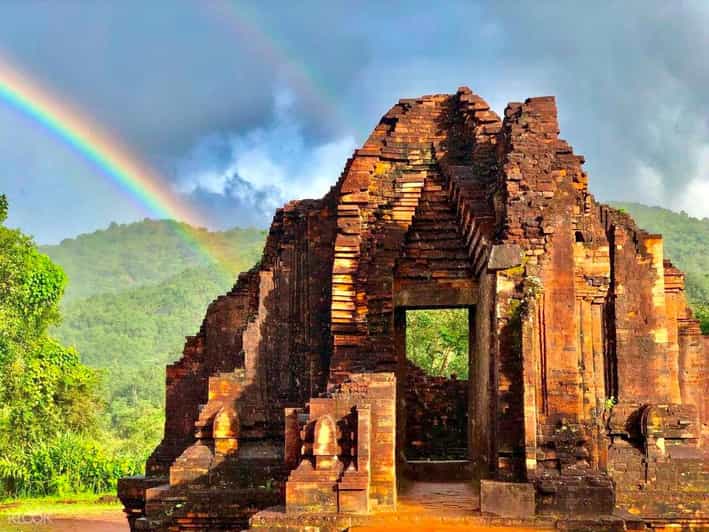
- UNESCO World Heritage setting at My Son, focused on the Champa civilization timeline (4th–14th century structures)
- Electric car transfer inside the site, which saves time once you’re through the gate
- Temple-by-temple explanation of origins and historical significance, with a guide translating the meaning behind the architecture
- Aspara Dance performance, giving context to the culture tied to the temples
- Rice paper marking with locals, plus a chance to interact and try local handicrafts
- Lunch or dinner with central Vietnamese dishes, not just a quick snack stop
My Son Sanctuary and the UNESCO temples you’ll actually remember
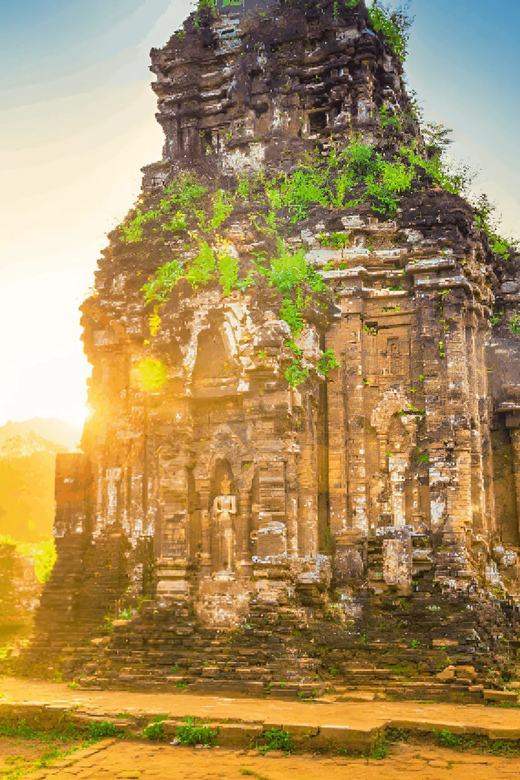
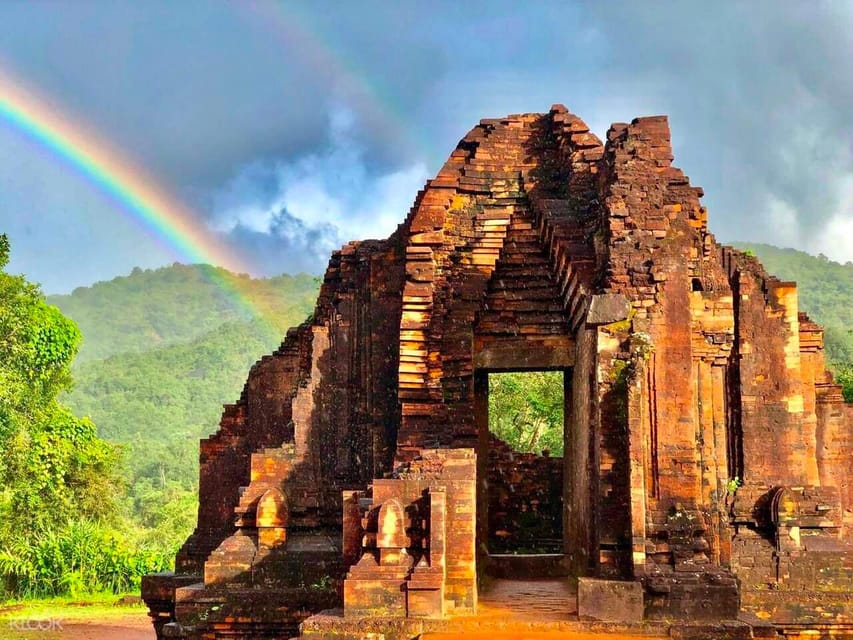
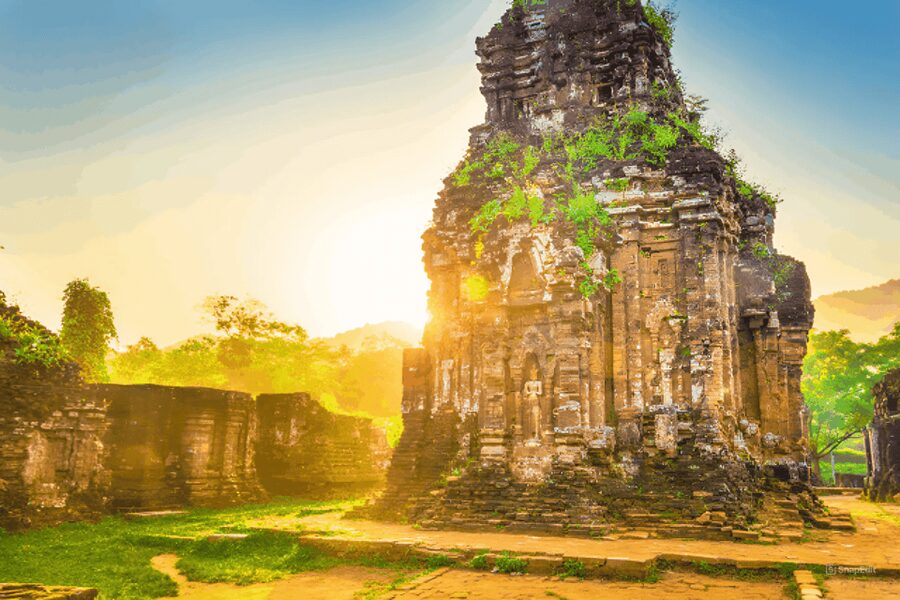
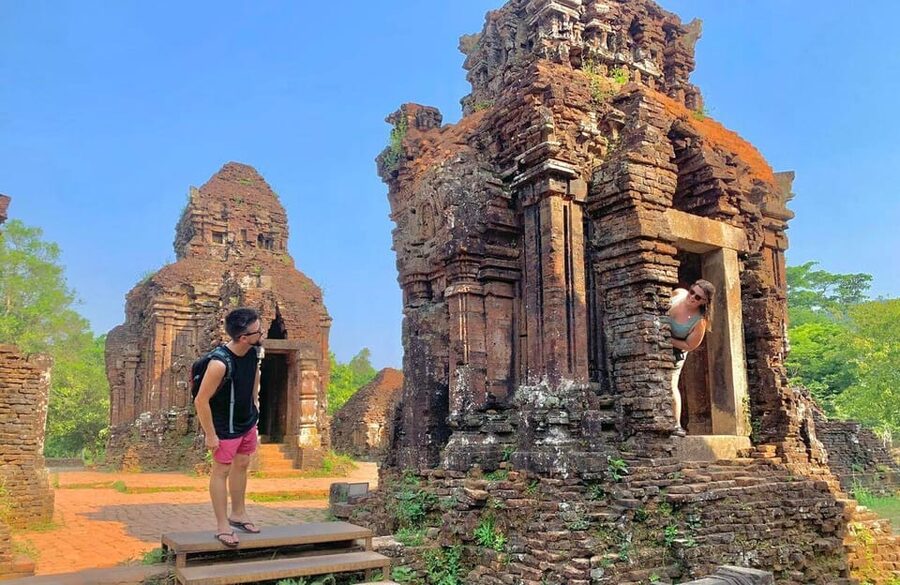
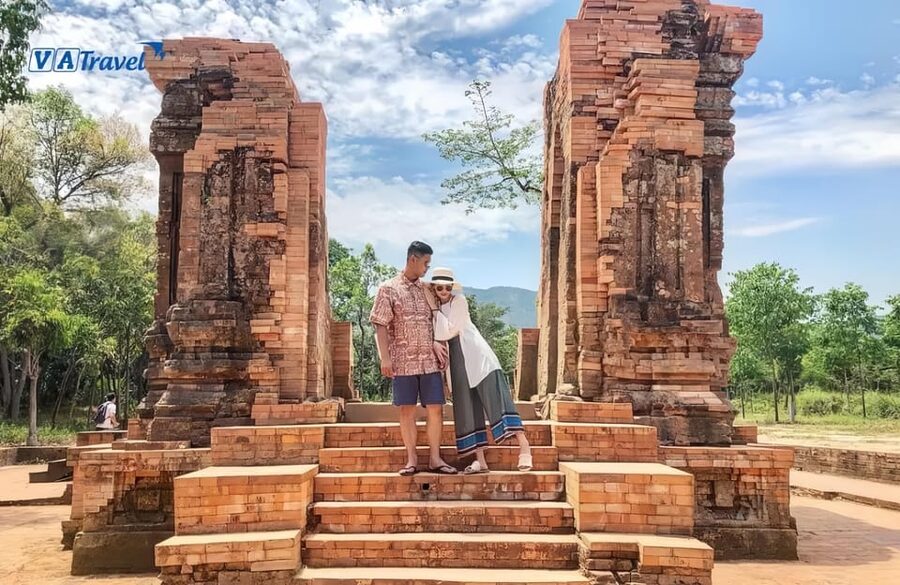
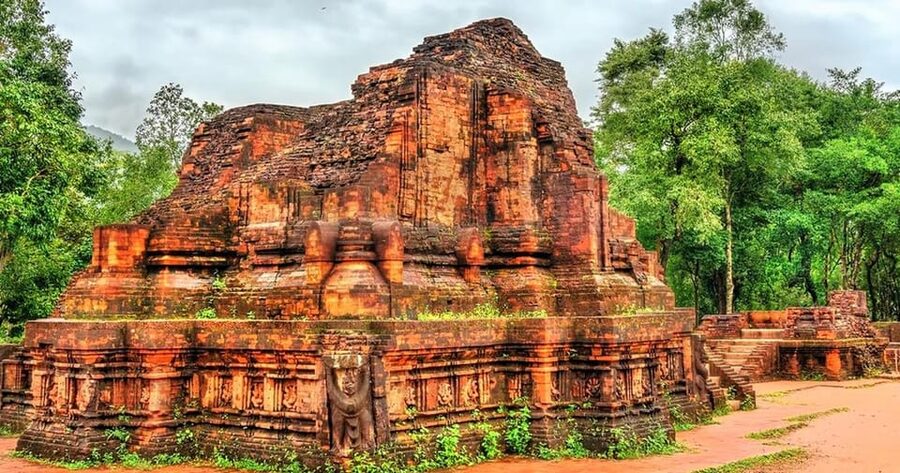
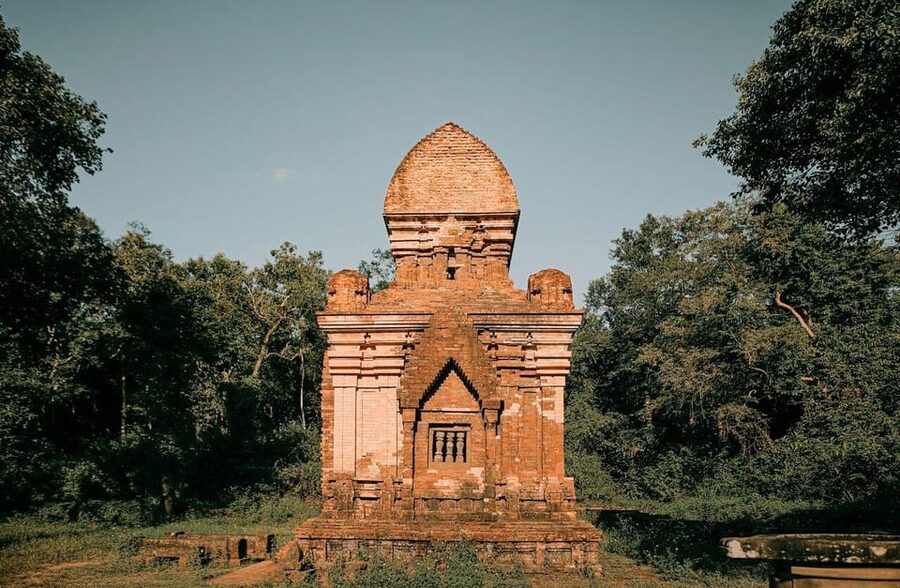
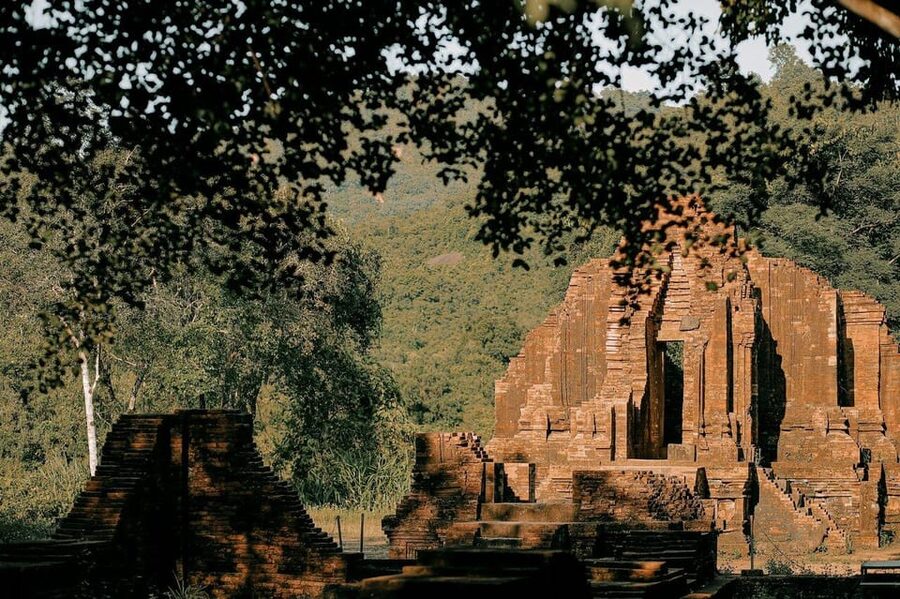
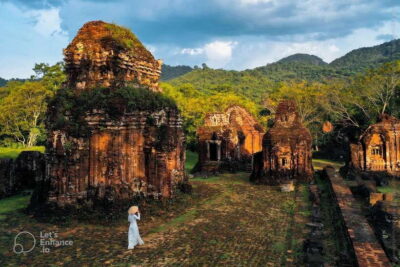
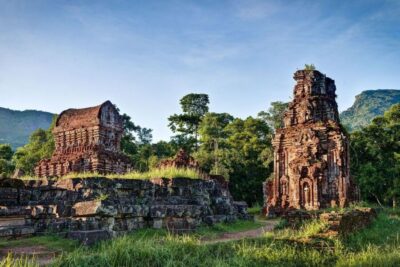
My Son Sanctuary is one of those places where the setting matters. You don’t just look at ruins; you’re seeing the remains of a religious and cultural complex linked to Champa worship practices. On this tour, you’re guided through the surviving structures that still retain ancient architecture, and the guide focuses on what the temples were used for and why each one mattered.
What I like about this approach is that it slows you down. If you show up at My Son and just wander, it’s easy to see stone blocks and carvings without knowing what they represent. Here, the guide helps you connect the layout and the structures to the Champa civilization’s religious life. You’ll be walking (on-site) through a timeline of kinds—structures built across many centuries, from the 4th to the 14th—so the site feels less like a single moment and more like a whole era.
One practical note: this tour is labeled half day, but it still totals about 6 hours. That’s long enough to include meaningful time at the sanctuary and then a workshop and meal afterward. In other words, it’s not a rushed “two quick photos and go” trip.
Back to the red-brick Cham towers of My Son
- Hoi An: My Son Sanctuary, Rice Paper, Boat Trip & Lunch★ 4.8 · 1,154 reviews
- Hoi An/Da Nang: Golden Bridge , My Son Sanctuary & Marble Mt★ 5.0 · 725 reviews
- Hoi An: My Son Sanctuary and Thu Bon River Boat Trip★ 4.6 · 653 reviews
- My Son Sanctuary Morning Tour & Early Morning with Boat Trip★ 5.0 · 645 reviews
From the gate to the main sights: electric car and smart pacing
After you arrive at My Son, you’ll check in at the gate, then the tour uses an electric car to get you to the sightseeing area. That matters. My Son isn’t just about the temples; it’s about getting through the site efficiently so you don’t waste your limited time.
Once you’re at the main area, you’ll follow your English-speaking guide as you see the remaining temple structures. The guide is there to walk you through the origin and historical significance of what’s still standing. That’s the difference between having a checklist of ruins and understanding what you’re looking at.
Also, the itinerary includes a drive through scenery on the way. The tour description mentions enjoying the beauty of the beach with blue waves and long white sand beaches along the route. You might not have time to stop and linger, but it’s a nice break from constant city streets, and it helps you feel like you’re traveling through Central Vietnam, not just commuting to a single dot on the map.
What the guide’s explanations do for you (and what they can’t)
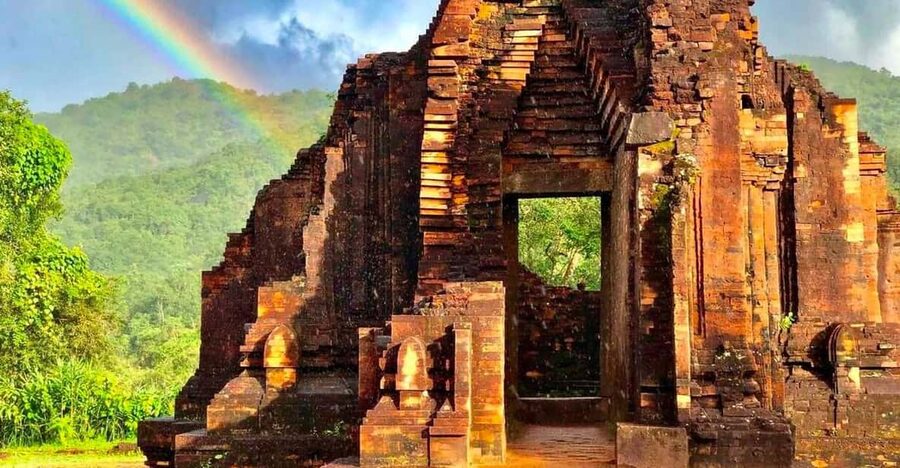
Your guide’s role here is unusually important for a half-day tour. You’re not only shown structures; you’re taught the meaning & history behind the temples and their use in worship. The tour is structured to take you back to the “glorious period” of the Champa civilization by focusing on the architecture that remains.
This is where value can be real or fake, depending on how you learn. If you enjoy historical context, this kind of temple walkthrough turns stonework into an actual story. If you don’t care much about explanations, you may feel like you’re spending time listening rather than just walking and photographing.
Still, the tour description makes it clear that the guide is doing more than narrating background. You’ll learn about the structures that retain ancient architecture and the historical significance of the place. That’s the kind of information that helps you make sense of carvings and layouts—things you’d otherwise miss because you don’t know what to look for.
Aspara Dance: the cultural moment that connects to the stonework
After the main temple visit, you’ll watch the traditional Champa performance, the Aspara Dance. This isn’t included as random entertainment. It’s presented as another way to learn about the people and culture connected to the sanctuary.
I find dance performances work best on cultural tours when they help translate what the temple carvings and religious themes might have meant in daily life. Even without getting too technical, watching Aspara Dance can give your brain a “bridge” between architecture and living tradition. The stone stops feeling like an isolated museum exhibit and starts feeling like part of a broader culture.
It’s also a useful pacing tool. You’ve been walking and looking at structures; the performance gives you a seated break while still keeping the cultural theme going.
If you’re the type who hates sitting through performances, this is the one segment you might be most tempted to treat as optional. But given that it’s listed as a major highlight, you should expect it to be part of the core experience.
Up the coast to Da Nang, other ways there

Rice paper marking at a local home: hands-on, and a little messy
The second half of the tour shifts from temples to daily life. After returning to the bus, you go to a local family to learn how to make traditional rice paper. The activity is described as rice paper marking, and the emphasis is on interaction—learning the steps of making traditional dishes and trying handicrafts.
This is the part I’d call the most “you’ll remember it” segment, because it’s participatory. Temples are great, but you can walk away feeling like you just consumed visuals. A workshop is different. You’re engaging with tools and textures, and you’re talking with people who do this as part of their local routine.
A couple of honest expectations:
- You’ll learn steps as part of a structured experience, so it won’t be a free-form craft class.
- There will be a bit of trial-and-error energy when you’re learning a process, especially if you’re new to anything rice-paper related.
The tour also mentions you’ll interact with local people and have a chance to try handicrafts. That’s valuable because it turns the home visit into more than a staged demonstration.
If you care about cultural experiences that feel less like sightseeing and more like real local life, you’ll probably appreciate this stop.
Central Vietnam food: what you’ll be getting at the included meal
You’ll have lunch or dinner with Vietnamese Traditional foods at a local house, and you’ll get bottled water included (1 bottle per person). The meal is presented as a chance to experience dishes with the rich flavors of the central region.
Because the tour doesn’t specify the exact menu, I’d plan for “traditional family-style central Vietnamese dishes,” and keep your expectations flexible. The best strategy is to go in hungry and curious, not demanding. If you’re okay trying unfamiliar dishes, this meal becomes part of the day’s story—temples in the morning, culture and cooking in the afternoon/evening.
Also, eating at the local house is part of the cultural value of this itinerary. Even if the food isn’t your favorite meal in Vietnam, it helps you understand how the same region that produced Champa religious sites also feeds people in everyday life.
Price and value: how $43 stacks up for this exact mix
Let’s talk money. The listed price is $43 per person, and the experience lasts about 6 hours, with pick-up and drop-off, an English-speaking guide, electric car use inside the sanctuary area, rice paper marking, and an included traditional meal.
At this price, the real question isn’t whether $43 is “cheap” or “expensive” in a vacuum. It’s whether you’re getting the combination you’ll actually care about:
- UNESCO temples with guidance (time-saving and meaning-rich)
- Aspara Dance performance (added cultural context)
- Hands-on rice paper marking plus handicrafts
- Hotel transport between your starting point and the site/home meal stop
If you mainly want to see the temples and you’d rather travel independently, this package can feel like you’re paying for extra stops you didn’t ask for. One note from the overall rating data is that the experience sits around a 3.7 rating, and the price-to-content ratio is the part that can be questioned.
My practical take: if you’re the type who values a structured guide, likes performances, and enjoys workshop-style activities, then $43 may feel fair because you’re buying less planning time and more “done for you” cultural variety. If you’re only temple-focused and prefer to control pacing, you might feel like you’re overpaying for parts of the itinerary you won’t fully use.
Where this tour fits best (and who should skip it)
This tour makes the most sense if you want:
- A guided visit that explains what you’re seeing at My Son
- A culture-forward addition like Aspara Dance
- A local workshop experience like rice paper marking
- The convenience of pick-up and drop-off, so you’re not coordinating transport after.
It’s also a good match if you’re traveling with limited time. Because everything is packed into a single day-trip structure, you get multiple cultural experiences without having to bounce between vendors and schedules.
You might consider a different option if:
- You’re on a tight budget and prefer a more DIY temple visit
- You strongly dislike performances or workshop-style activities
- You want maximum time for the sanctuary alone (this tour includes more than just temples)
One more thing: language options are available, and the tour notes an experienced English-speaking guide, plus other languages for an additional surcharge. If you’re not comfortable in English and you want your language specifically, budget that extra cost in your planning.
Should you book the Half Day My Son Sanctuary tour from Da Nang or Hoi An?
If your goal is a well-rounded cultural day with UNESCO My Son, meaningful temple guidance, the Aspara Dance performance, and a hands-on rice paper workshop, then booking is a sensible move. This is the kind of itinerary that’s best when you like structure and context, not just scenery.
If you’re mainly temple-only and you’re the type who can confidently DIY transportation, you may want to compare alternatives first. With the current price, you’ll feel the value most when you genuinely use the included workshop and performance—not when you treat them like waiting rooms.
Quick decision rule: book it if you want temples plus local life in one go. Skip or compare if you only want the ruins.
FAQ
How long is the My Son Sanctuary tour?
It runs for about 6 hours total, and you can check availability to see the starting times.
What is included in the price?
The tour includes pick-up and drop-off car service (with a surcharge for pick up in Da Nang), an experienced English-speaking tour guide, rice paper marking, lunch or dinner with Vietnamese traditional foods, and 1 bottled water per person.
Is entrance into the sanctuary area part of the tour?
You check in at the gate upon arrival, and then an electric car takes you to the sightseeing spot inside the sanctuary area.
Do I get to watch the Aspara Dance?
Yes. The tour includes watching the traditional Champa performance called Aspara Dance.
Where does the rice paper experience happen?
After visiting My Son, you’ll go to a local family house where you learn traditional rice paper making (rice paper marking) and interact with locals.
What meal is included, lunch or dinner?
The tour includes lunch or dinner with Vietnamese traditional foods, depending on the timing of the schedule.
What languages are available for the guide?
English is available, and other languages are offered as well, with a surcharge for other languages.
Is there a private group option?
Yes, a private group is available.
What’s the cancellation policy?
You can cancel up to 24 hours in advance for a full refund, and there’s also a reserve now and pay later option.
More Tour Reviews in Hoi An
- Hoi An: Basket Boat Ride in the Coconut Forest
★ 4.9 · 4,956 reviews - Hoi An: Vietnamese Coffee Culture and Coffee Making Class
★ 4.9 · 4,006 reviews - Hoi An: Vietnamese Foldable Lantern Making Class
★ 4.9 · 3,742 reviews - Cooking Class Hoi An:Local Market, Basket Boat, Fishing & Cooking
★ 5.0 · 3,660 reviews - Hoi An Cooking Class(Market,BasketBoat Crabfishing&Cooking Class)
★ 5.0 · 3,386 reviews - Hoi An: My Son Sanctuary Early Morning w. Champa Food Brunch
★ 4.9 · 2,750 reviews
Up the Coast to Da Nang
- Hoi An/ Da Nang – Ba Na Hills – Golden Bridge Deluxe Small group
★ 5.0 · 2,613 reviews - Da Nang/Hoi An: Hue Imperial City via Hai Van Pass & Lunch
★ 4.7 · 753 reviews - Hoi An/Da Nang: Golden Bridge , My Son Sanctuary & Marble Mt
★ 5.0 · 725 reviews - Hoi An/Da Nang: Vietnamese Cooking Class with Transportation
★ 4.9 · 297 reviews - Hoi An/Da Nang Ba Na Hills – Golden Bridge small group
★ 5.0 · 274 reviews - Da Nang/Hoi An: Market Tour, Basket Boat Ride, Cooking Class
★ 4.7 · 253 reviews
The Cham Towers of My Son
- Hoi An: My Son Sanctuary Early Morning w. Champa Food Brunch
★ 4.9 · 2,750 reviews - Hoi An: My Son Sanctuary, Rice Paper, Boat Trip & Lunch
★ 4.8 · 1,154 reviews - Hoi An/Da Nang: Golden Bridge , My Son Sanctuary & Marble Mt
★ 5.0 · 725 reviews - Hoi An: My Son Sanctuary and Thu Bon River Boat Trip
★ 4.6 · 653 reviews - My Son Sanctuary Morning Tour & Early Morning with Boat Trip
★ 5.0 · 645 reviews - Early Morning My Son Sanctuary Trip w. Champa Food & Coffee
★ 5.0 · 629 reviews
Just Reviewed: Fresh Hoi An Trips

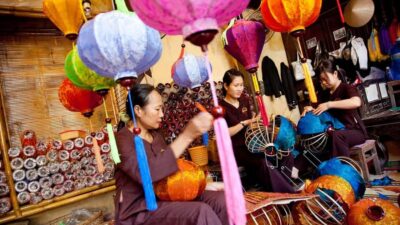


My Son Sanctuary Tours, compared.
 ★ 4.9My Son Sanctuary Early Morning w. Champa Food BrunchFrom $202,750 reviews
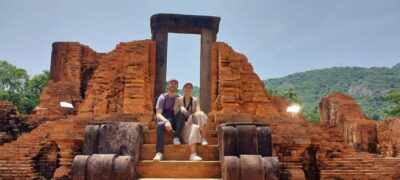 ★ 4.8My Son Sanctuary, Rice Paper, Boat Trip & LunchFrom $181,154 reviews
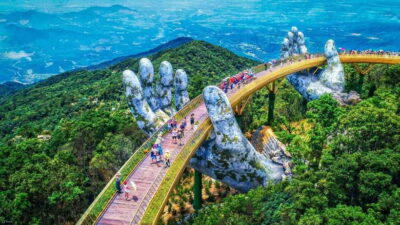 ★ 5.0Golden Bridge , My Son Sanctuary & Marble MtFrom $15725 reviews
 ★ 4.6My Son Sanctuary and Thu Bon River Boat TripFrom $16653 reviews
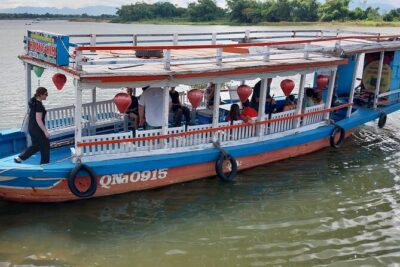 ★ 5.0My Son Sanctuary Morning Tour & Early Morning with Boat TripFrom $19645 reviews
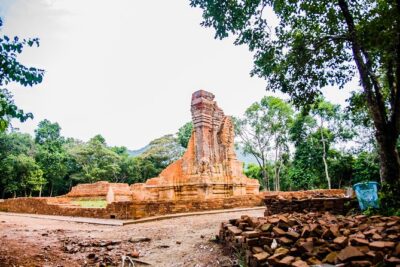 ★ 5.0Early Morning My Son Sanctuary Trip w. Champa Food & CoffeeFrom $21629 reviews
 ★ 5.0My Son Sanctuary Luxury Trip from Hoi AnFrom $22565 reviews
 ★ 5.0Amazing My Son Sunset Deluxe Small Group tourFrom $22508 reviews
Browse the lists this tour appears in