
Reviewed · WORKSHOPS
Experience Tâboo Bamboo Workshop
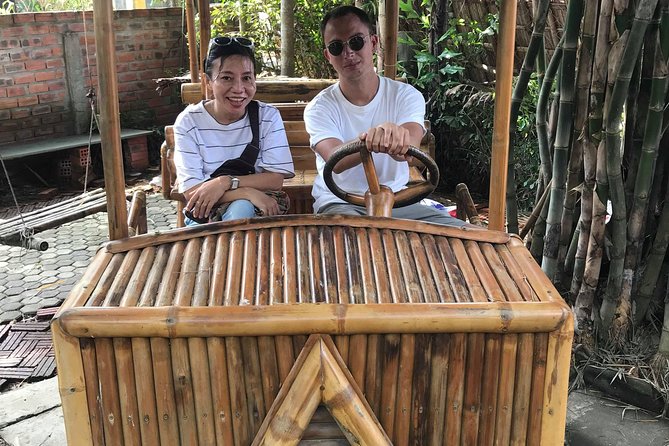
A bamboo workshop in Hoi An beats a souvenir shop. You’ll learn why bamboo matters here, how it’s treated, and how craft families build everyday items that last, plus you get time to make your own keepsake with help from an English-speaking instructor. Two things I really like are the hands-on making time and the focus on bamboo’s practical role in Vietnamese homes. One thing to keep in mind: one review noted the workshop can get busy, which may mean less space at machines for slower learners.
This is a ~4-hour class in the Cẩm Thanh area, starting and ending at the same meeting point. It’s private, so it’s just your group, and you get tools/materials, water, and a souvenir gift. With a 4.9 rating and strong recommendation rate, it’s one of those activities that feels worth the time if you like learning by doing.
In This Review
- Key Things to Know Before You Go
- Why Bamboo Still Matters in Hoi An (Not Just for Souvenirs)
- Price and Time: What $48 Buys You in 4 Hours
- Arriving at Taboo Bamboo Workshop: A Simple Start, No Stress
- The Learning Part: Bamboo Uses, House Life, and Sustainability
- Creative Time: Choose Your Item and Work With Guidance
- The Part People Don’t Expect: Drawing Your Memories on the Product
- What You’re Taking Home (and Why That Matters)
- The Crowd Factor: When a Workshop Gets Busy
- Who Should Book This Bamboo Workshop?
- Should You Book Taboo Bamboo Workshop in Hoi An?
- FAQ
- How long is the Tâboo Bamboo Workshop in Hoi An?
- What’s included in the $48 per person price?
- Do I take my bamboo souvenir home?
- Where do I meet for the workshop?
- Is this a private tour or shared experience?
- What if I need to cancel or the weather is poor?
Key Things to Know Before You Go
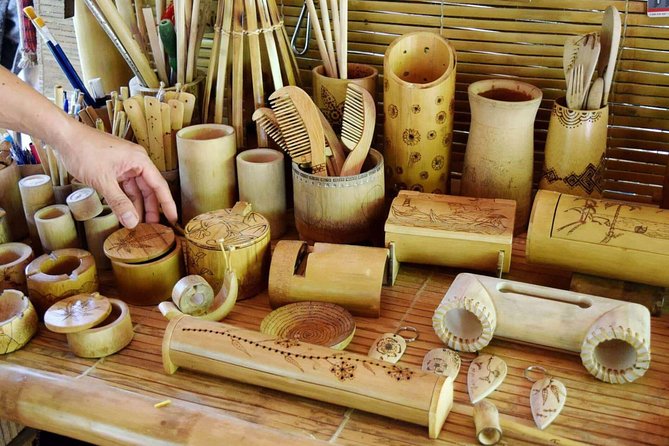
- Pick your souvenir item and make it yourself with guidance and tools provided
- Learn bamboo uses, sustainability, and village life connected to Cam Thanh
- Watch (and understand) a special bamboo treatment technique used in Cẩm Thanh
- You’ll draw your memories on the product before wrapping it up
- English instructor + tools/materials + water are included in the $48 price
- Plan for possible crowding if the workshop is running at full speed
Why Bamboo Still Matters in Hoi An (Not Just for Souvenirs)
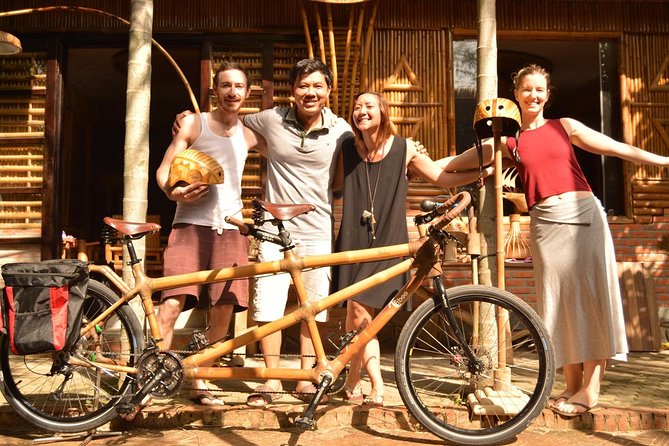
Bamboo is one of those materials that sounds simple until you see how many roles it plays in daily life. In this workshop, you’re not just making something cute. You’re learning how people use bamboo in Vietnam, why it’s considered sustainable, and how it’s woven into how homes and households work in places like Cam Thanh village.
What I like about this approach is that it connects the craft to the real world. Instead of thinking of bamboo as a decorative trend, you start seeing it as a practical building material and a resource that families rely on. That matters when you’re spending real time with your hands, because you understand why certain techniques and treatments exist.
You also get a specific look at how bamboo items are made out of bamboo, including the special technique used in Cam Thanh. That detail tends to be the difference between a quick craft and something that feels rooted in local knowledge.
A few more Hoi An trips worth weighing before you book:
- Hoi An: Vietnamese Coffee Culture and Coffee Making Class★ 4.9 · 4,006 reviews
- Hoi An: Vietnamese Foldable Lantern Making Class★ 4.9 · 3,742 reviews
- Cooking Class Hoi An:Local Market, Basket Boat, Fishing & Cooking★ 5.0 · 3,660 reviews
- Hoi An Cooking Class(Market,BasketBoat Crabfishing&Cooking Class)★ 5.0 · 3,386 reviews
Price and Time: What $48 Buys You in 4 Hours
At $48 per person for about 4 hours, this isn’t a “pop in, make one thing, leave” activity. You’re paying for a structured class with an English instructor, provided materials and tools, and enough guided time to produce a finished item you can take home.
The big value is time and support. When tools and materials are included, you don’t have to hunt for supplies or worry about missing something. And when a guide helps you during the making phase, you’re less likely to end up with a half-done project or something that doesn’t turn out as intended.
One more practical detail: this experience is often booked around 10 days in advance on average. That doesn’t mean it’s impossible to find a spot last minute, but it’s a strong hint to book early if your schedule is tight.
Arriving at Taboo Bamboo Workshop: A Simple Start, No Stress
You meet at Taboo Bamboo Workshop in Thanh Tam Dong, Trần Nhân Tông, Cẩm Thanh, Hội An, Quảng Nam 51000, Vietnam, and the activity ends back at the same meeting point. That matters in Hoi An, where moving around can eat up time you’d rather spend crafting.
You’ll use a mobile ticket, which is convenient if you’re already carrying everything digitally. The workshop is also listed as near public transportation, which helps if you’re not hiring a scooter for the day.
And yes, it’s private: only your group participates. That usually means less waiting, less rushing, and more chance to get help when you need it, especially during the “make your souvenir” section.
The Learning Part: Bamboo Uses, House Life, and Sustainability
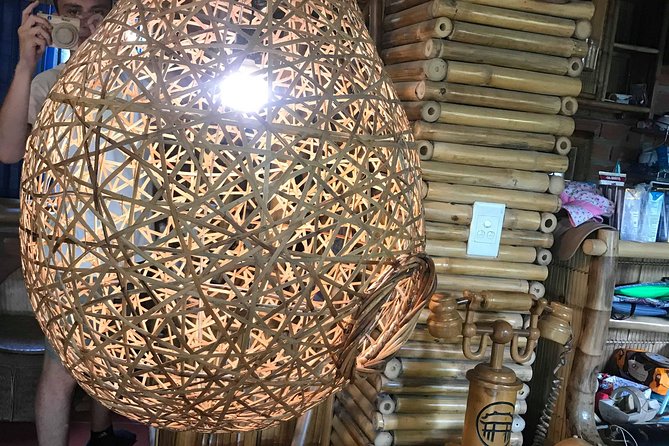
Before you start crafting, you get shared instruction that sets the stage. The workshop covers how bamboo is used in Vietnam, the idea of bamboo as a sustainable material, and what a traditional bamboo house looks like in Vietnam and in Cam Thanh village.
This portion is useful because it frames what you’re about to do. If you’re expecting a purely technical craft class, the house and village context makes it feel more meaningful. You’re learning why people keep bamboo in the mix—how it fits into real households and how skills pass through families.
You’ll also hear about bamboo facilities and everyday things made out of bamboo, plus a special technique to treat bamboo in Cam Thanh. Treatment is a big deal for bamboo projects because it influences how items hold up over time. The workshop’s emphasis here suggests the makers want you to understand durability, not just the look of the finished product.





Creative Time: Choose Your Item and Work With Guidance
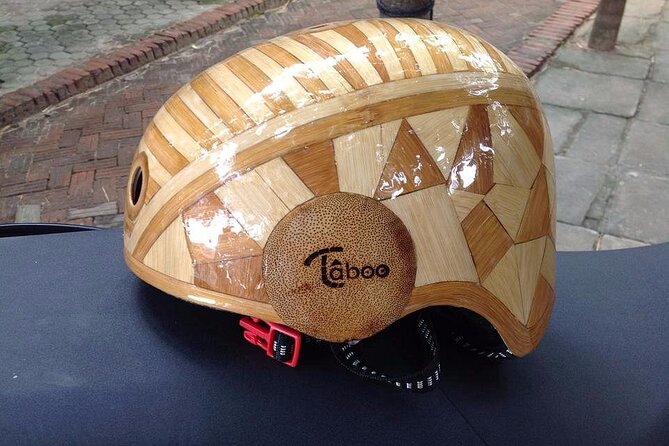
This is where the class turns from “interesting info” into a personal experience.
First, you choose what item you’ll make. Then you get general instruction on how to approach your piece. After that, you spend dedicated time making the souvenir with support from facilitators, with your own hands doing the work.
From the best feedback, the quality control and instructor support seem to be a highlight. One review called out the experience as bamboozled in a good way—English speaking guide, a serene environment, and a talented craftsman who helps ensure your piece is good quality. That aligns with what you’d hope for in a paid, hands-on workshop: you want to leave with something sturdy enough to keep, not just a souvenir that falls apart in a month.
Here’s a realistic planning thought: one review also noted the workshop got too busy for the number of machines available and the team members to help. If you’re hoping for lots of one-on-one attention, consider that possibility. It doesn’t necessarily mean you won’t have a good time—it just means you should go in ready to be flexible, patient, and proactive if you need extra help.
The Part People Don’t Expect: Drawing Your Memories on the Product
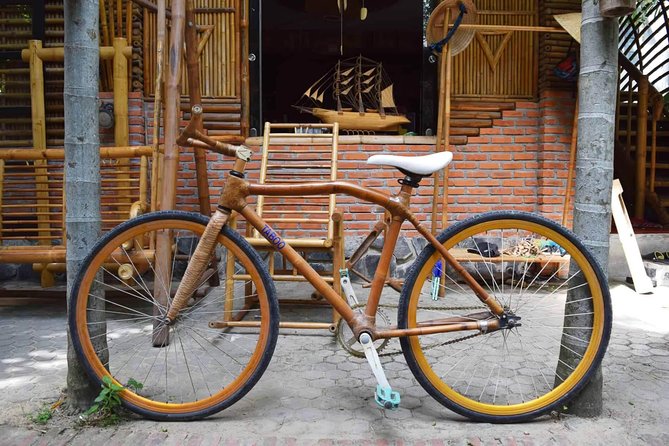
Not every souvenir workshop includes a personal touch beyond assembly. Here, you draw your memories on the products as part of the wrap-up process.
That’s surprisingly meaningful. It turns a bamboo item into something you actually participated in—not just something you purchased. Even if you keep it simple, the act of adding your own mark makes the souvenir feel more like a diary page than a generic craft.
This is also a great moment to slow down, because you’re not learning a new technique—you’re finishing and personalizing. If you’re the type who likes small creative tasks after a hands-on project, this part will likely be your favorite.
Then you wrap up with sharing your thoughts. That last step doesn’t need to be deep or formal, but it does help the experience feel like a guided session rather than a drop-off workshop.
What You’re Taking Home (and Why That Matters)
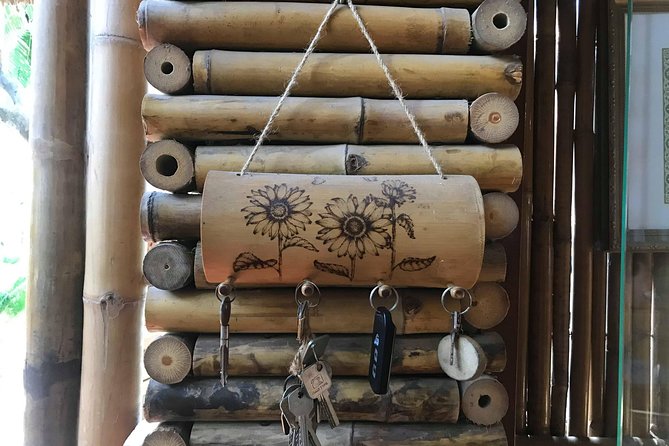
The workshop is designed around you taking your product home as a souvenir. You’re not just watching bamboo techniques. You’re making something, and you leave with the item in your hands, finished and personalized.
That’s the real difference between this kind of class and a browsing session in a market. You know how the material was treated and assembled because you were part of the process. You’ll also have the small story behind it—the bamboo use context and the village connections explained during the teaching segment.
Also, the price includes a souvenir gift. That means even if the item you make is smaller than you imagined, you’re still leaving with something extra, which helps overall value.
The Crowd Factor: When a Workshop Gets Busy
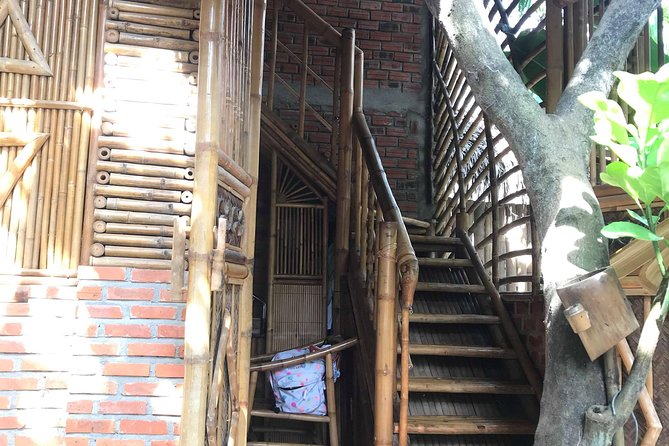
One review mentioned the workshop felt crowded, mainly because the flow of participants ran faster than the number of machines and team members available. That’s a common issue for hands-on activities: once multiple people are cutting, bending, or assembling at the same time, the workspace can feel tight.
If you want to reduce stress:
- Choose a mindset that the pace may be faster than you’re used to.
- Be ready to take instruction quickly and then get hands-on.
- If you need help, ask early rather than waiting until you’re stuck.
On the flip side, the same feedback that mentioned crowding still praised the team’s passion and the excitement of choosing an item and getting started. In other words, you’re not signing up for a disorganized mess—you’re signing up for a workshop that may run with limited space at peak times.
Who Should Book This Bamboo Workshop?
This is a strong match if you like:
- Hands-on activities where you make a physical souvenir
- Learning how local materials fit into daily life
- Craft with a sustainability angle and practical context
- A class that runs in English
It’s also a good option for couples or small groups, since it’s private and you’ll be working together with your own group only. If you’re traveling with someone who likes craft but hates long museum-style explanations, the structure here—learning first, then making—keeps things balanced.
You might want to think twice if you need lots of quiet space and slow, individual pacing. The workshop appears to run like a real operation, and one review flagged crowding during busy periods. If you’re sensitive to that, plan accordingly and go with the expectation that you’ll share the work area.
Should You Book Taboo Bamboo Workshop in Hoi An?
If you want a Hoi An activity that’s more than a photo stop, I’d book it. The standout reasons are practical: you make your own bamboo souvenir, you learn the “why” behind bamboo use and a specific Cam Thanh treatment technique, and you leave with a personal touch through the memory drawing.
Go for it if your travel style leans hands-on, you like structured instruction, and you’re happy to work alongside your group in a shared workshop space. Skip it only if you strongly dislike workshop crowding or you’re hoping for a calm, private crafting studio experience with unlimited machine access.
If you do book, aim to come with curiosity. The class rewards attention. When you understand the treatment and the household context, the finished piece feels less like a product and more like a small piece of Vietnamese material culture you actually helped create.
FAQ
How long is the Tâboo Bamboo Workshop in Hoi An?
The workshop lasts about 4 hours.
What’s included in the $48 per person price?
It includes an English instructor, tools and materials, water, and a souvenir gift.
Do I take my bamboo souvenir home?
Yes. Your product is made during the creative time and you take it home as a souvenir.
Where do I meet for the workshop?
Meet at Taboo Bamboo Workshop, Thanh Tam Dong, Trần Nhân Tông, Cẩm Thanh, Hội An, Quảng Nam 51000, Vietnam.
Is this a private tour or shared experience?
It’s a private tour/activity. Only your group participates.
What if I need to cancel or the weather is poor?
You can cancel for a full refund up to 24 hours in advance. The experience requires good weather, and if it’s canceled due to poor weather, you’ll be offered a different date or a full refund.
Make a Little Hoi An to Take Home
- Hoi An: Vietnamese Coffee Culture and Coffee Making Class
★ 4.9 · 4,006 reviews - Hoi An: Vietnamese Foldable Lantern Making Class
★ 4.9 · 3,742 reviews - Cooking Class Hoi An:Local Market, Basket Boat, Fishing & Cooking
★ 5.0 · 3,660 reviews - Hoi An Cooking Class(Market,BasketBoat Crabfishing&Cooking Class)
★ 5.0 · 3,386 reviews - From Hoi An: Market Tour, Basket Boat Ride and Cooking Class
★ 4.8 · 2,208 reviews - Hoi An Full Lantern Making Class- A special Foldable lantern
★ 5.0 · 2,007 reviews
More Tour Reviews in Hoi An
- Hoi An: Basket Boat Ride in the Coconut Forest
★ 4.9 · 4,956 reviews - Hoi An: Vietnamese Coffee Culture and Coffee Making Class
★ 4.9 · 4,006 reviews - Hoi An: Vietnamese Foldable Lantern Making Class
★ 4.9 · 3,742 reviews - Cooking Class Hoi An:Local Market, Basket Boat, Fishing & Cooking
★ 5.0 · 3,660 reviews - Hoi An Cooking Class(Market,BasketBoat Crabfishing&Cooking Class)
★ 5.0 · 3,386 reviews - Hoi An: My Son Sanctuary Early Morning w. Champa Food Brunch
★ 4.9 · 2,750 reviews
Just Reviewed: Fresh Hoi An Trips






Workshops, compared.
 ★ 4.9Vietnamese Coffee Culture and Coffee Making ClassFrom $144,006 reviews
 ★ 4.9Vietnamese Foldable Lantern Making ClassFrom $103,742 reviews
 ★ 5.0Cooking Class Hoi An:Local Market, Basket Boat, Fishing & CookingFrom $283,660 reviews
 ★ 5.0Hoi An Cooking Class(Market,BasketBoat Crabfishing&Cooking Class)From $283,386 reviews
 ★ 4.8Market Tour, Basket Boat Ride and Cooking ClassFrom $172,208 reviews
 ★ 5.0A special Foldable lanternFrom $152,007 reviews
 ★ 4.9Basket Boat with Lantern-Making & Cooking Class TourFrom $301,444 reviews
 ★ 5.0Hoi An Cooking Class(Local market,Basket Boat,Fishing & Cooking)From $281,323 reviews
Browse the lists this tour appears in